Skip to product information


Goodland Apple (Spring 2027)
$74.99
Reliable shipping
Flexible returns
Pollination
Needs a partner
Bloom group
4 of 7 (Mid)
Ripening
Will it finish before your first hard freeze?
Check it on the Ripening Map (opens in a new tab)
Disease resistanceNo strong resistance
- ? Apple scab : Unknown, no published data yet
- ? Cedar-apple rust : Unknown, no published data yet
- 3 Fire blight : Moderate, 3 of 5
- ? Powdery mildew : Unknown, no published data yet
Scored 1 to 5. Higher resists better, and ? means no published data yet.
See it on our apple disease chart (opens in a new tab)At a glance: Goodland Apple is an apple tree rated hardy to zone 2b in our ratings (winters to -45°F), not self-fertile, so it needs a different variety nearby as a pollenizer (bloom group 4 of 7, mid for an apple or crabapple), and it ripens about Aug 28 to Sep 7 in Missoula (our Missoula estimate).
| Hardy to | Zone 2b to 7. The b means the warmer half of zone 2 only (winters to -45°F). Find your zone with our cold hardiness calculator. |
|---|---|
| Chill hours | About 1,000 hours (800 to 1,200). Our estimate. No published figure exists for this variety yet. Montana winters give it plenty. In milder climates, make sure your winters average at least this much. Check your chill hours or see our sources. |
| Pollination | Needs Cross-Pollination. Bloom group 4 of 7 (mid), late spring here. Plant a different apple or crabapple variety that blooms in groups 3 to 5. It has good pollen, so it can also pollenize other apples blooming at the same time. Good partners we carry: Otterson Crabapple, Trail Crabapple, Alexander Apple, Burgundy Apple and 103 more. Apple Pollination Map. |
| Ripens | About Aug 28 to Sep 7 in Missoula (a Missoula estimate from published sources). Real years swing about a week either way. See the date for your town. |
| Rootstock and size | Bud 118: semi-dwarf in our dry Montana soils, semi-standard on paper, about 12 to 18 ft tall unpruned. Stands on its own, few suckers. M26: dwarf to semi-dwarf, about 8 to 14 ft tall unpruned. Stake it the first few years. Our rootstock guide. |
| Good for | Pies and baking (8/10), fresh eating (7/10), sauce and butter (7/10), cooking and roasting (7/10), canning and freezing (7/10), juice and sweet cider (6/10). Scores are our own 1 to 10 ratings; 8 and up makes our Best Of lists. |
| Deer | A deer favorite. Fence it or cage it. |
| What you get | Bare root, 3-4 ft or 2-4 ft. Bud grafts on 2 yr older rootstock or 4-6 ft. Shipped or picked up in Missoula in spring, roots wrapped in moist sawdust. Guaranteed to bud out. |
Overview
Goodland Apple is a cold-climate variety developed at the Morden Research Station in Manitoba, Canada, introduced in the 1940s–1950s, and originating as a seedling of Patten Greening. It has been grown and evaluated in extremely cold continental climates where its primary value has been reliability and survival rather than refined dessert quality. In Montana, our own observations place Goodland among the more hardy apple varieties we grow.
Cold Hardiness
Based on our observations in Montana, Goodland stands out as exceptionally cold tolerant. Trees have survived winter lows not only into the −40°F range but even approaching −50°F. At those extremes, some winter injury was observed, but importantly, the damage did not progress into the trunk and trees recovered just fine. It should be considered a true Zone 3 and even certainly zone 2b and 2a with some damage.
Fruit Quality & Uses
Goodland produces medium-sized apples with firm flesh and a straightforward, mildly sweet to balanced flavor. It is not typically described as a high-end dessert apple, but it is very serviceable and dependable. The fruit is well suited for fresh eating for those who appreciate simple, classic apple flavor, and it performs especially well for sauce, baking, drying, and general kitchen use. Farmer Fred at Green Bench Orchard in Missoula sells out of all his Goodland apples every year. Its consistency and utility have made it a practical apple in northern homestead and farm settings.
Ripening Time in Montana
In Montana conditions, Goodland ripens mid season. This means that in most years in Missoula, we can expect to see a crop 1st or second week of September depending on the year and site. For cooler places in eastern Montana, you can expect second to third week or Sept. It reliably reaches maturity within the growing season, even in shorter-season locations, which contributes to its usefulness in cold regions.
Growth & Reliability
While it may not match newer cultivars for cosmetic appeal or complex flavor, its combination of extreme cold hardiness, dependable cropping, and broad utility makes it a valuable apple for northern growers, especially those prioritizing survival and reliability over refinement.
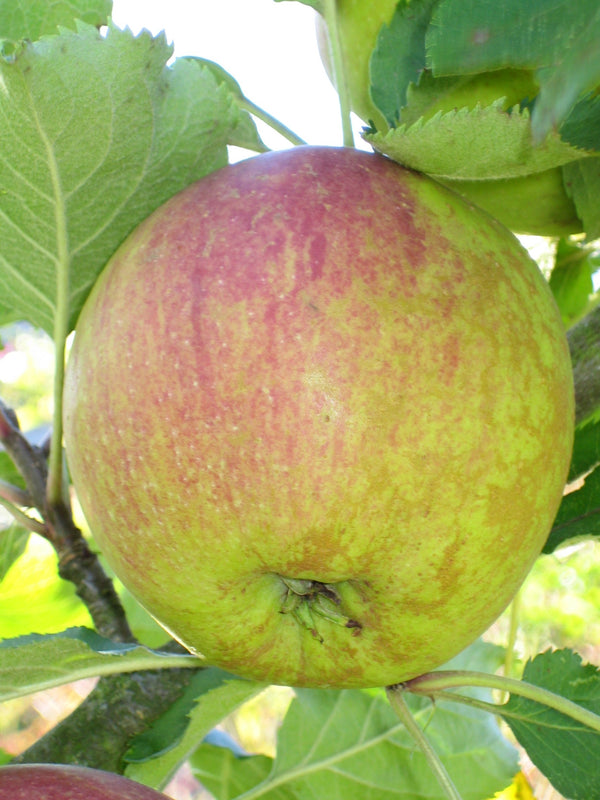
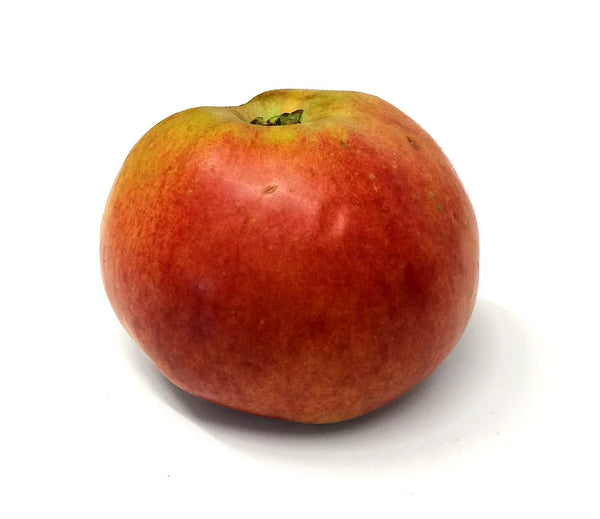
About the photo: this isn’t Goodland itself. Photos of Goodland are either under copyright or simply unavailable, so we picked the open-source image that looks closest to the fruit. Photo: “Elstar Freilichtmuseum Roscheider Hof Frucht H5” by Helge Klaus Rieder, via Wikimedia Commons, licensed CC0.
Questions we get about Goodland Apple
Does Goodland Apple need a pollenizer?
Yes. Goodland Apple needs pollen from a different variety that blooms at about the same time. Plant a different apple or crabapple variety that blooms in groups 3 to 5. It has good pollen, so it can also pollenize other apples blooming at the same time. Partners we carry include Otterson Crabapple, Trail Crabapple, Alexander Apple.
How cold hardy is Goodland Apple?
We rate Goodland Apple hardy to zone 2b, which means winters down to about -45°F. Our ratings come from real winters at our two Montana sites and from trusted growers across the North, not from a catalog average.
How many chill hours does Goodland Apple need?
About 1,000 hours of winter chill (we count hours at or below 45°F), likely somewhere between 800 and 1,200. Nobody has published a chill figure for it, so that's our estimate from its relatives and origin. Our chill hours guide has a calculator for your winters, and our research page lists the sources.
When does Goodland Apple ripen?
About Aug 28 to Sep 7 in Missoula, Montana (an estimate built from published sources and our climate). Warmer places run earlier and cooler places later; our ripening map converts the date to your town.
How big does Goodland Apple get?
We graft Goodland Apple onto Bud 118 (semi-dwarf in our dry Montana soils, semi-standard on paper), which makes a tree roughly 12 to 18 ft tall if you never prune it. Some sizes are on M26.
What is Goodland Apple good for?
Our top use scores for Goodland Apple are pies and baking (8/10), fresh eating (7/10), sauce and butter (7/10), cooking and roasting (7/10). Anything scored 8 or higher makes our Best Of lists.
Is Goodland Apple disease resistant?
Somewhat. It holds up moderately well against fire blight. Nobody has published solid data on it for apple scab, cedar-apple rust and powdery mildew yet, so we list those as unknown. Our apple disease resistance chart has every rating, the notes and the sources.
Will deer eat Goodland Apple?
Yes, deer love it. Protect Goodland Apple with a fence or a cage, especially while it is young.
Pollination partners
Trees that will pollenize Goodland Apple
Goodland Apple needs a different apple or crabapple nearby to set fruit. Every tree below blooms at the same time and has pollen that works for it. Plant partners within about 100 feet.
Bloom group
4 of 7 (Mid)
Pollination
Needs a partner
Pollen
Good pollenizer
-
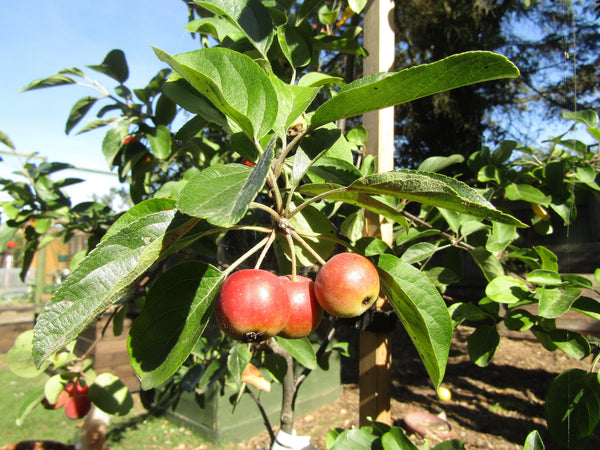 Trail Crabapple(Spring 2027)
$49.99
Trail Crabapple(Spring 2027)
$49.99
-
 Alexander Apple(Spring 2027)
From $49.99
Alexander Apple(Spring 2027)
From $49.99
-
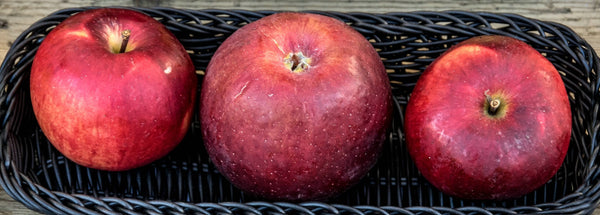 Burgundy Apple(Spring 2027)
From $49.99
Burgundy Apple(Spring 2027)
From $49.99
-
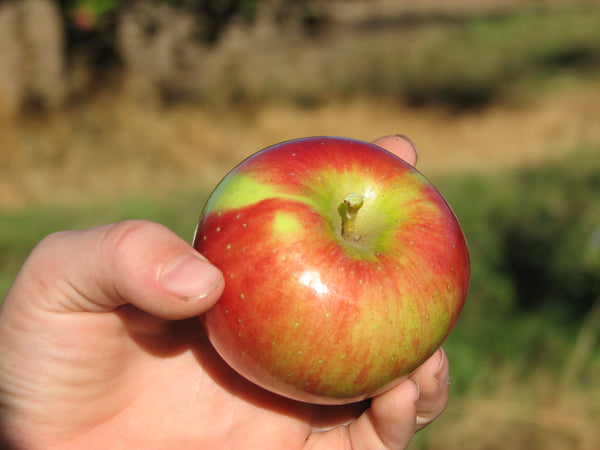 Cortland Apple(Spring 2027)
From $44.99
Cortland Apple(Spring 2027)
From $44.99
-
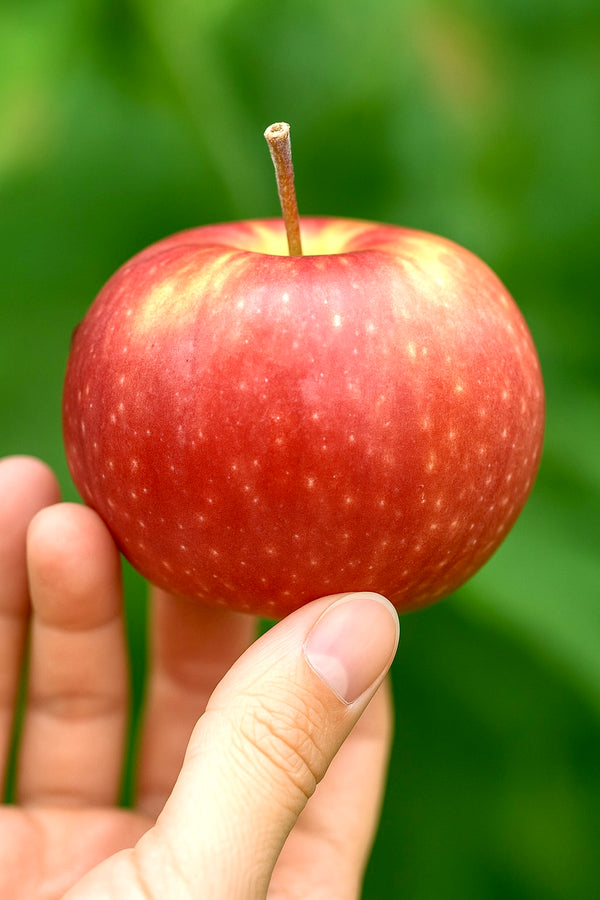 Frostbite Apple(Spring 2027)
From $59.99
Frostbite Apple(Spring 2027)
From $59.99
-
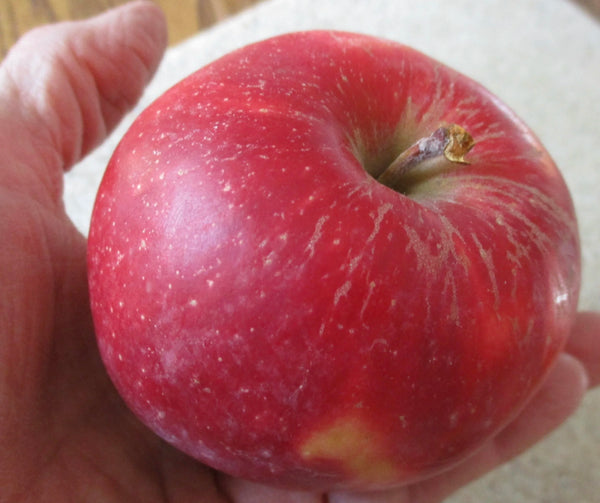 Haralson Apple(Spring 2027)
From $54.99
Haralson Apple(Spring 2027)
From $54.99
-
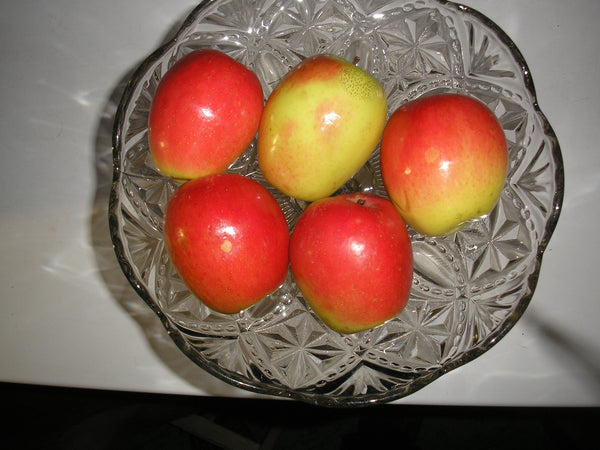 Kandil Sinap Apple(Spring 2027)
From $44.99
Kandil Sinap Apple(Spring 2027)
From $44.99
-
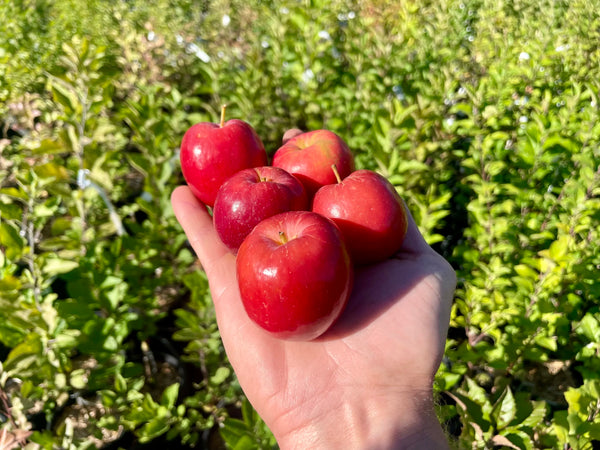 Kerr Applecrab(Spring 2027)
From $54.99
Kerr Applecrab(Spring 2027)
From $54.99
-
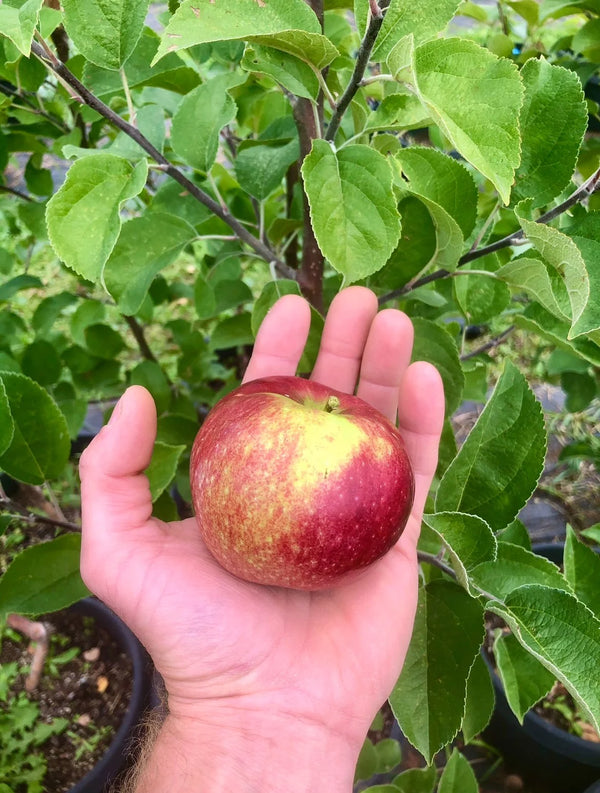 Macoun Apple(Spring 2027)
$59.99
Macoun Apple(Spring 2027)
$59.99