
Montana Fruit Trees: Cold-Hardy Bare-Root Fruit Trees for Zones 1 to 8
Apple Trees
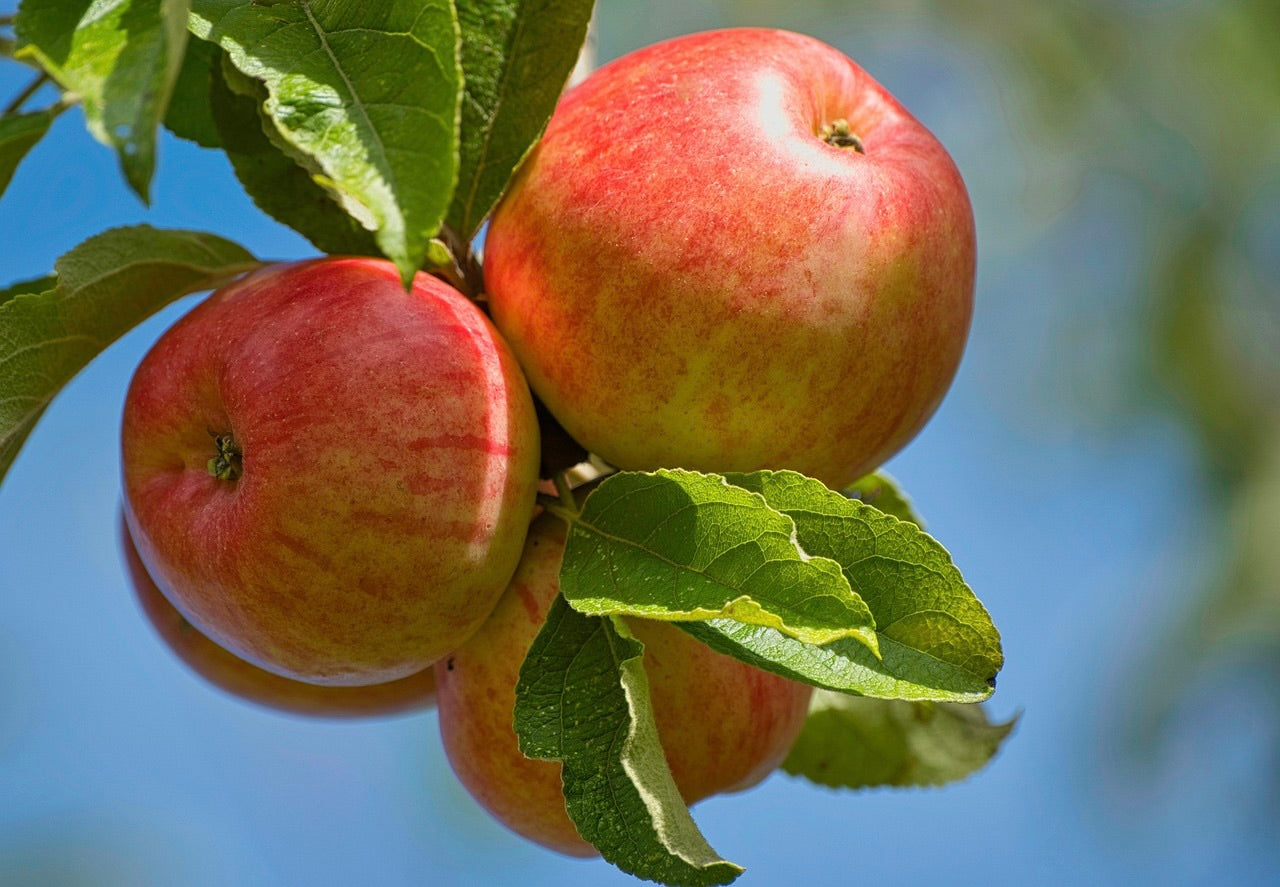
Apple Trees
Apricot Trees
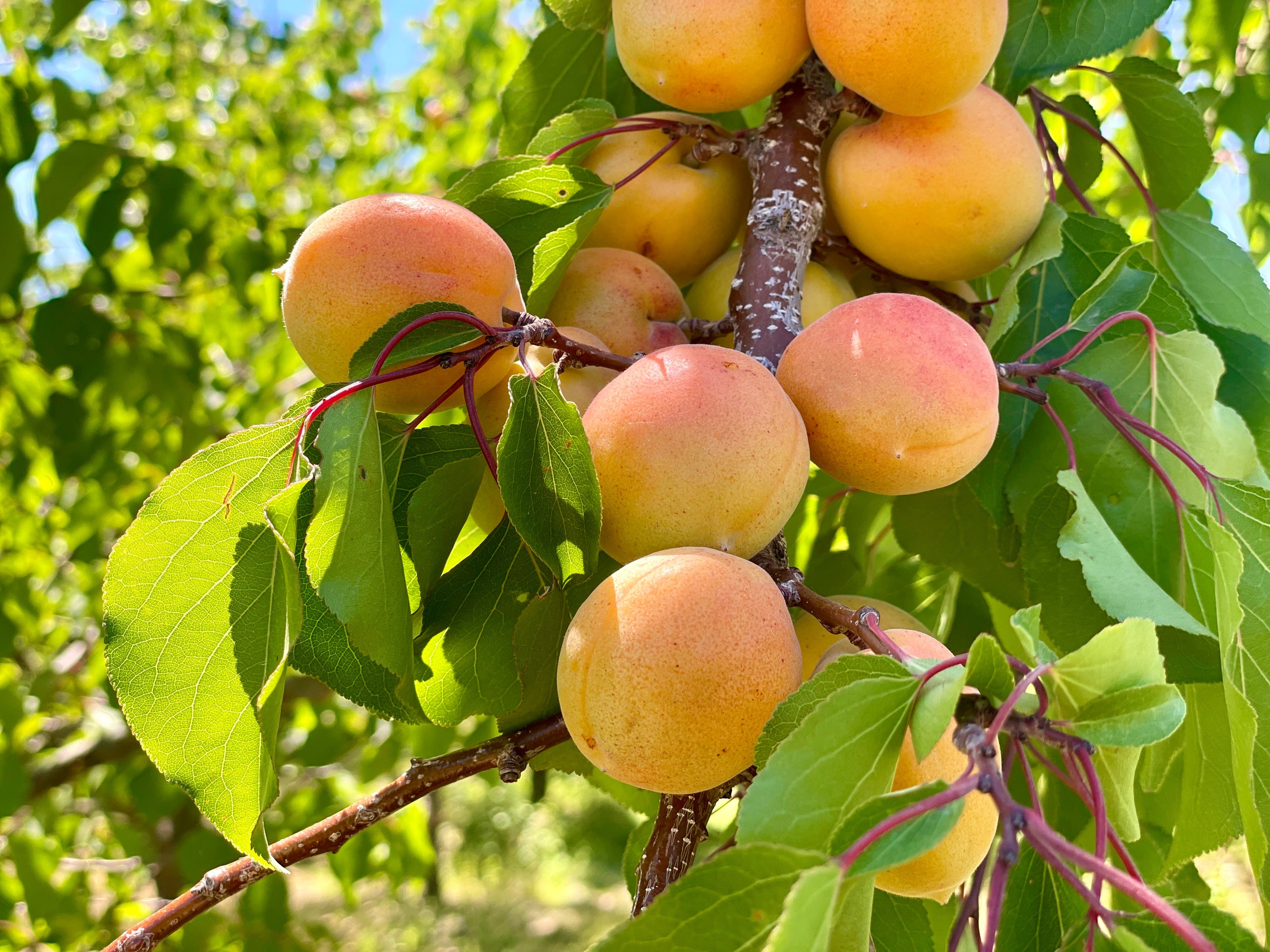
Apricot Trees
Sweet Cherry Trees
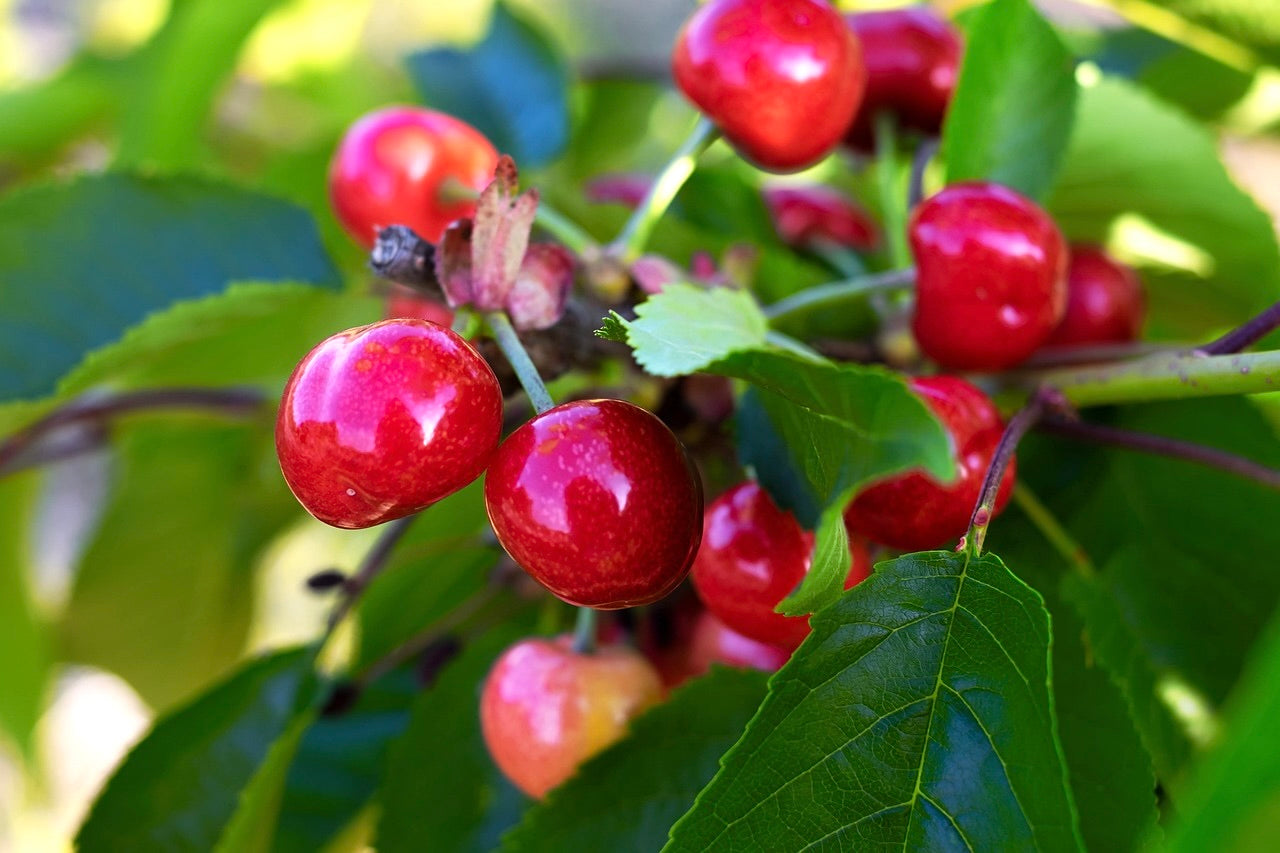
Sweet Cherry Trees
Tart Cherry Trees
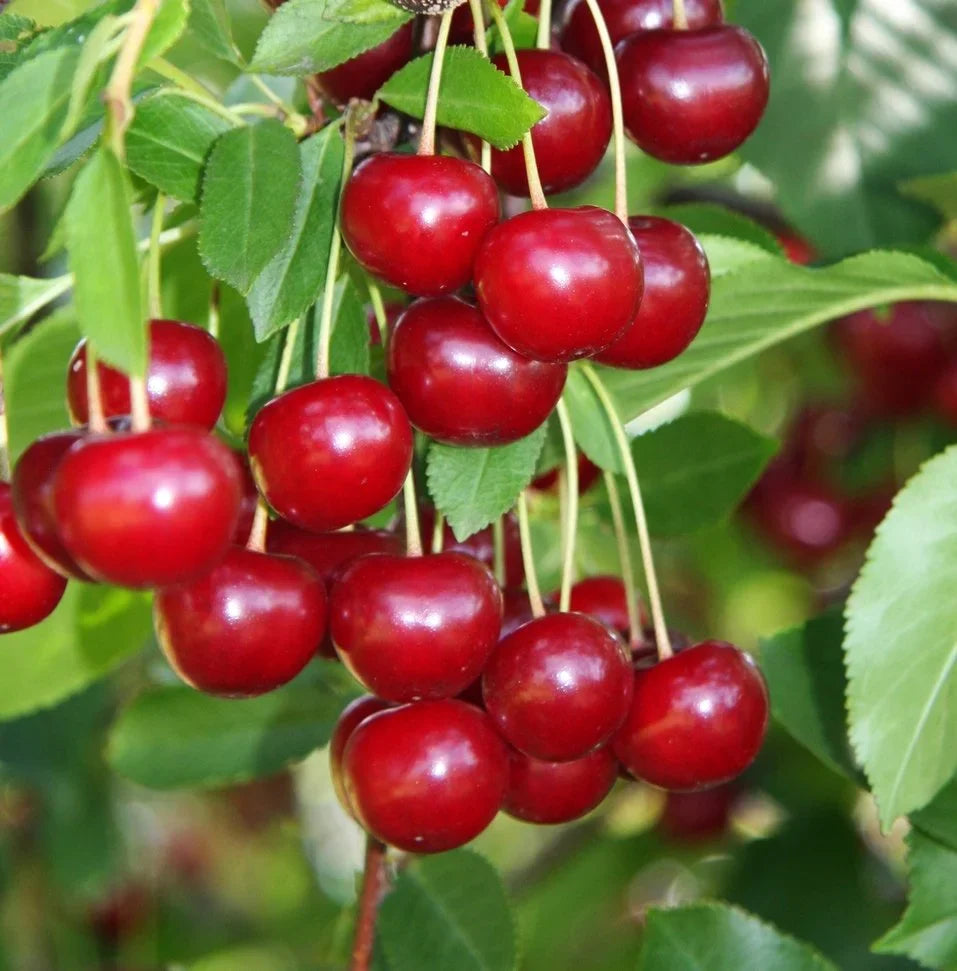
Tart Cherry Trees
Peach Trees
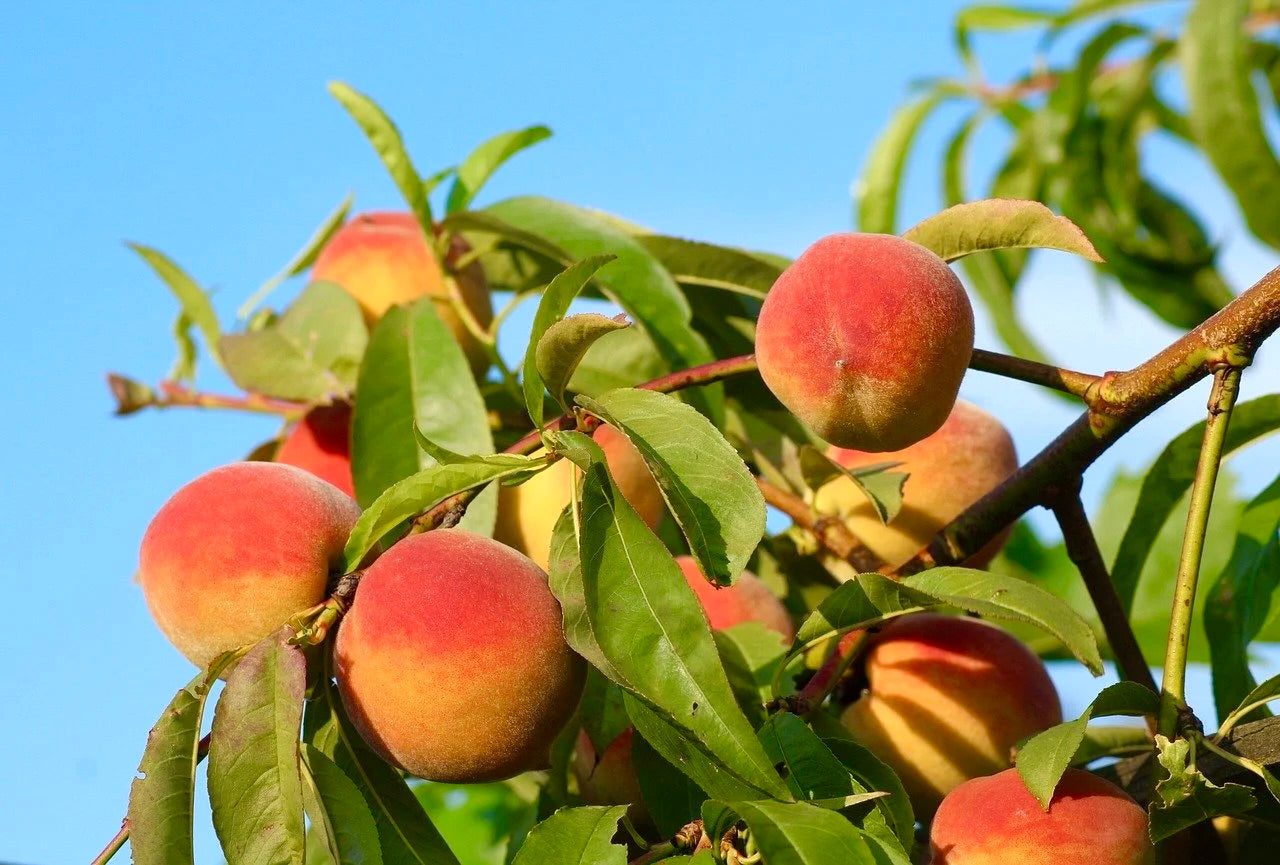
Peach Trees
Pear Trees
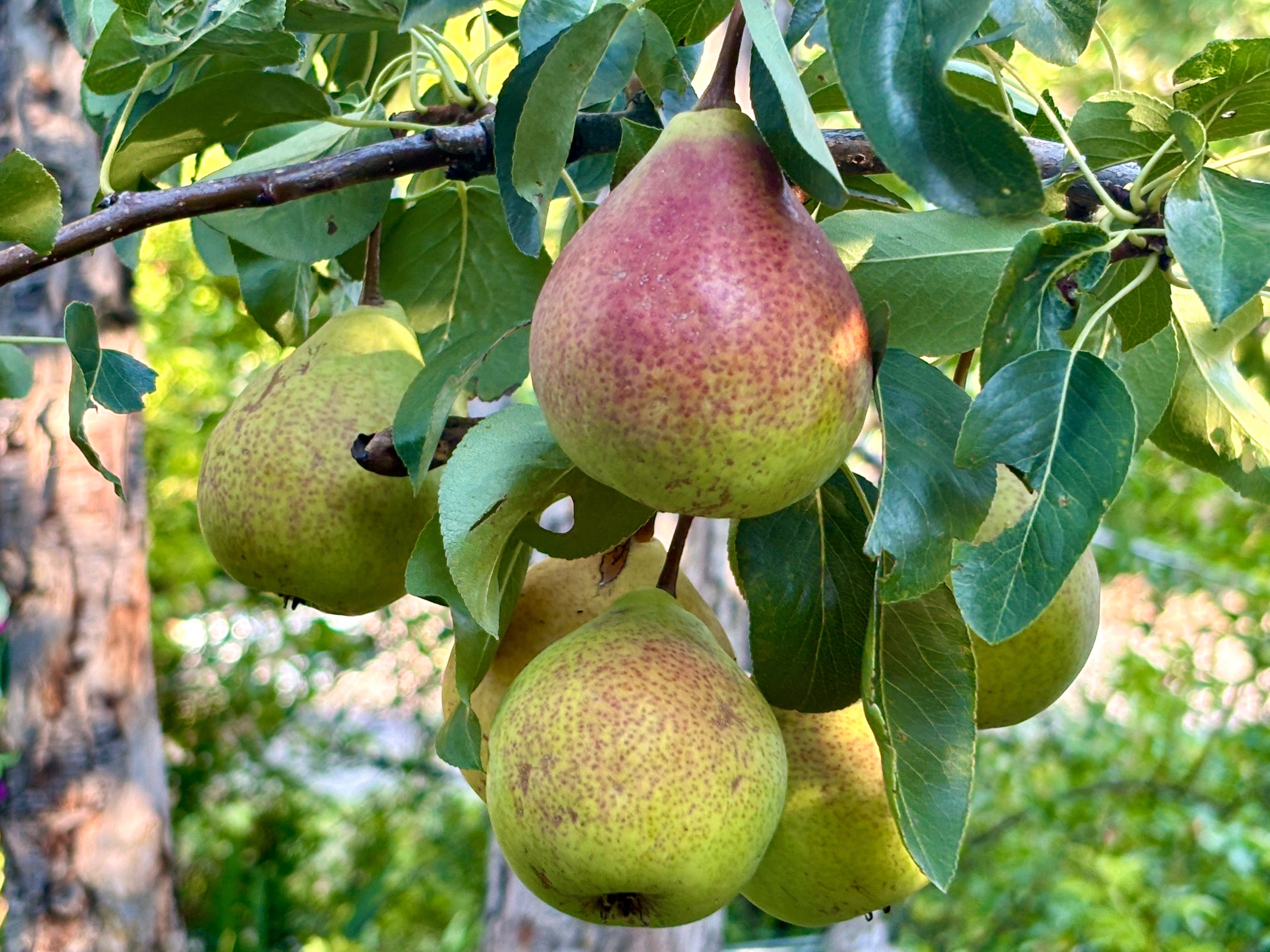
Pear Trees
Plum Trees
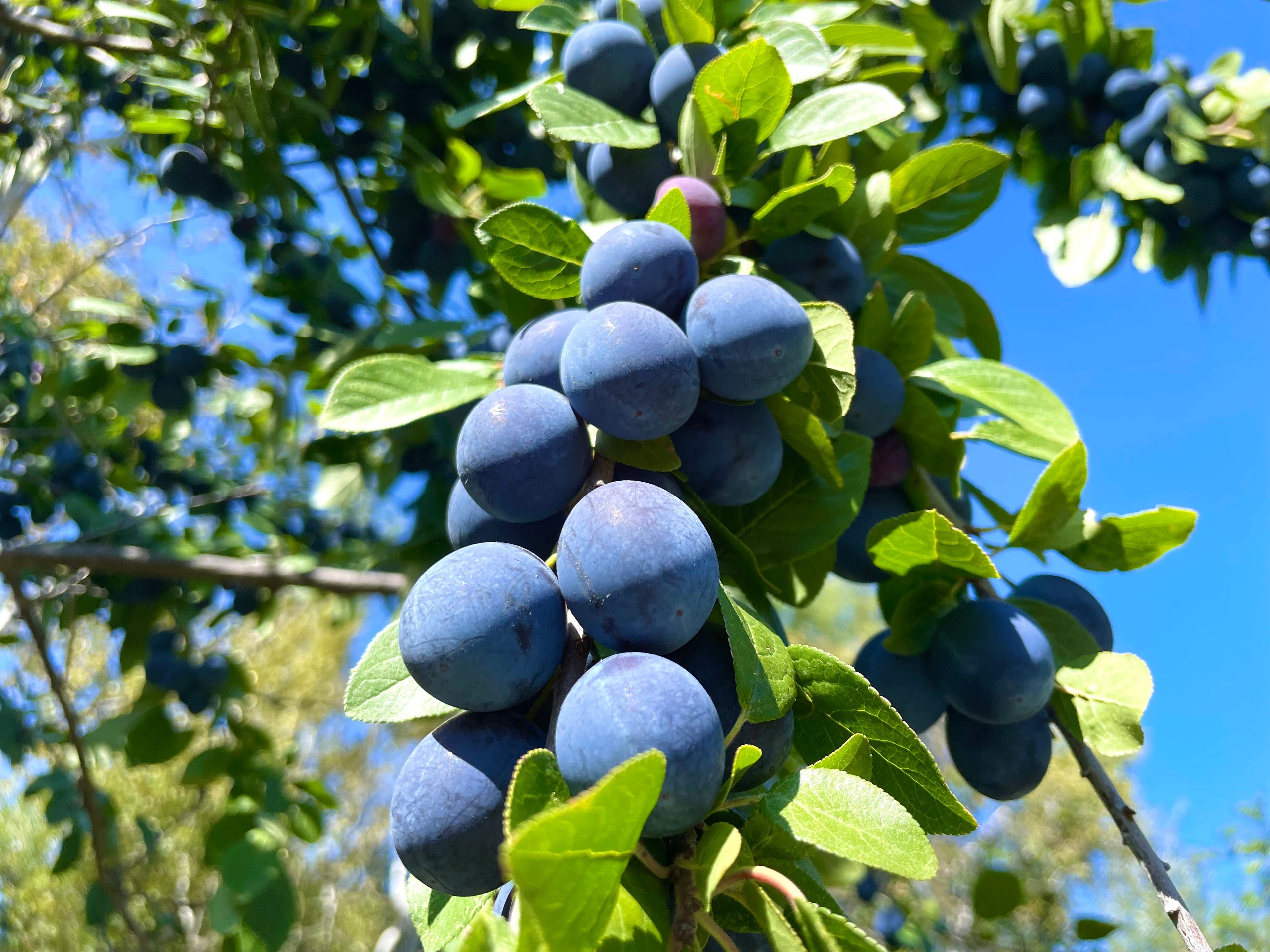
Plum Trees
Nectarine Trees
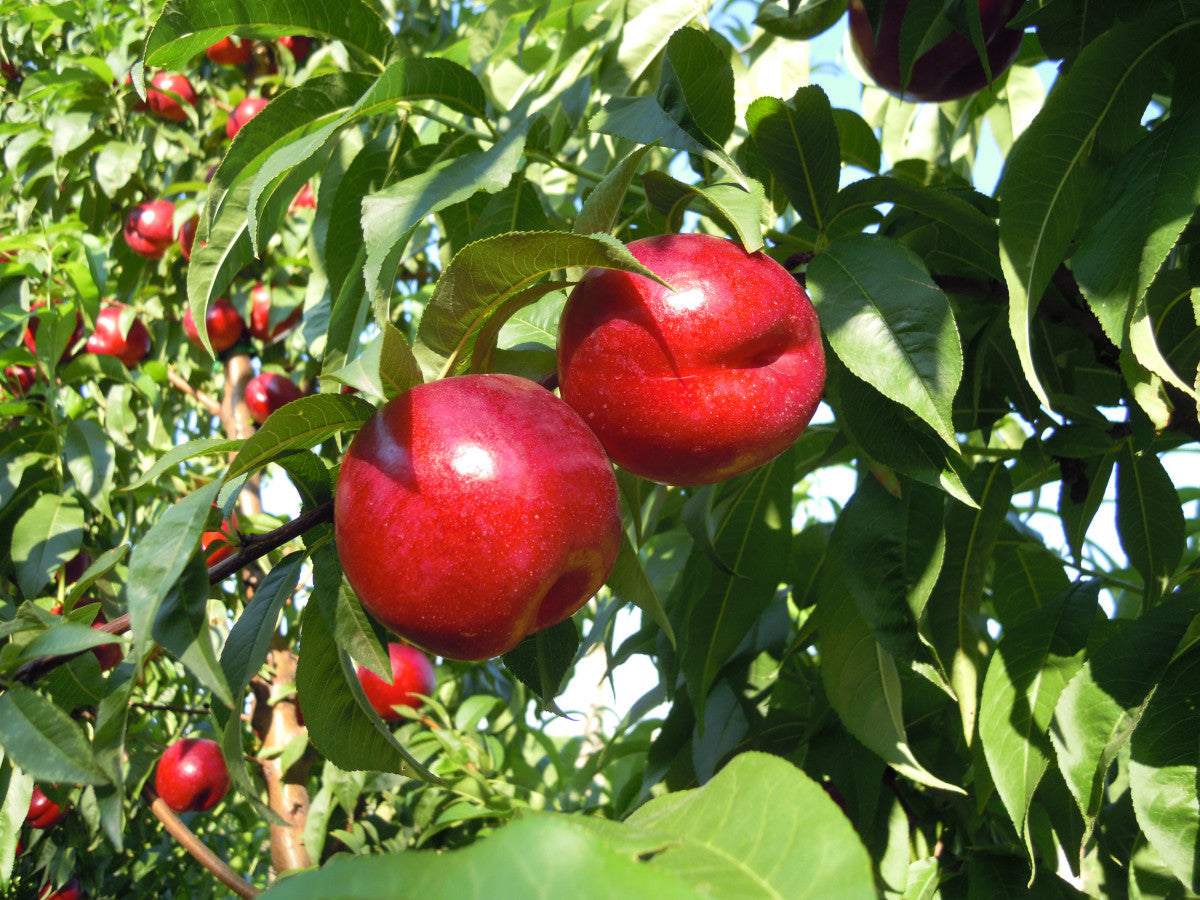
Nectarine Trees
New arrivals
64 new varieties for spring 2027
It's a big year for apples. Here's everything new in the catalog at a glance. Tap a row to see the varieties.
- 13 kinds of plants
-
24
hardy through Zone 3
rated to -40°F -
8
hardy through Zone 2
rated to -50°F


Not sure what to plant? We'll pick your trees.
Tell us about your place, your goals and your budget. We'll pick what fits, build the order for you and email it over within 1 to 2 days.
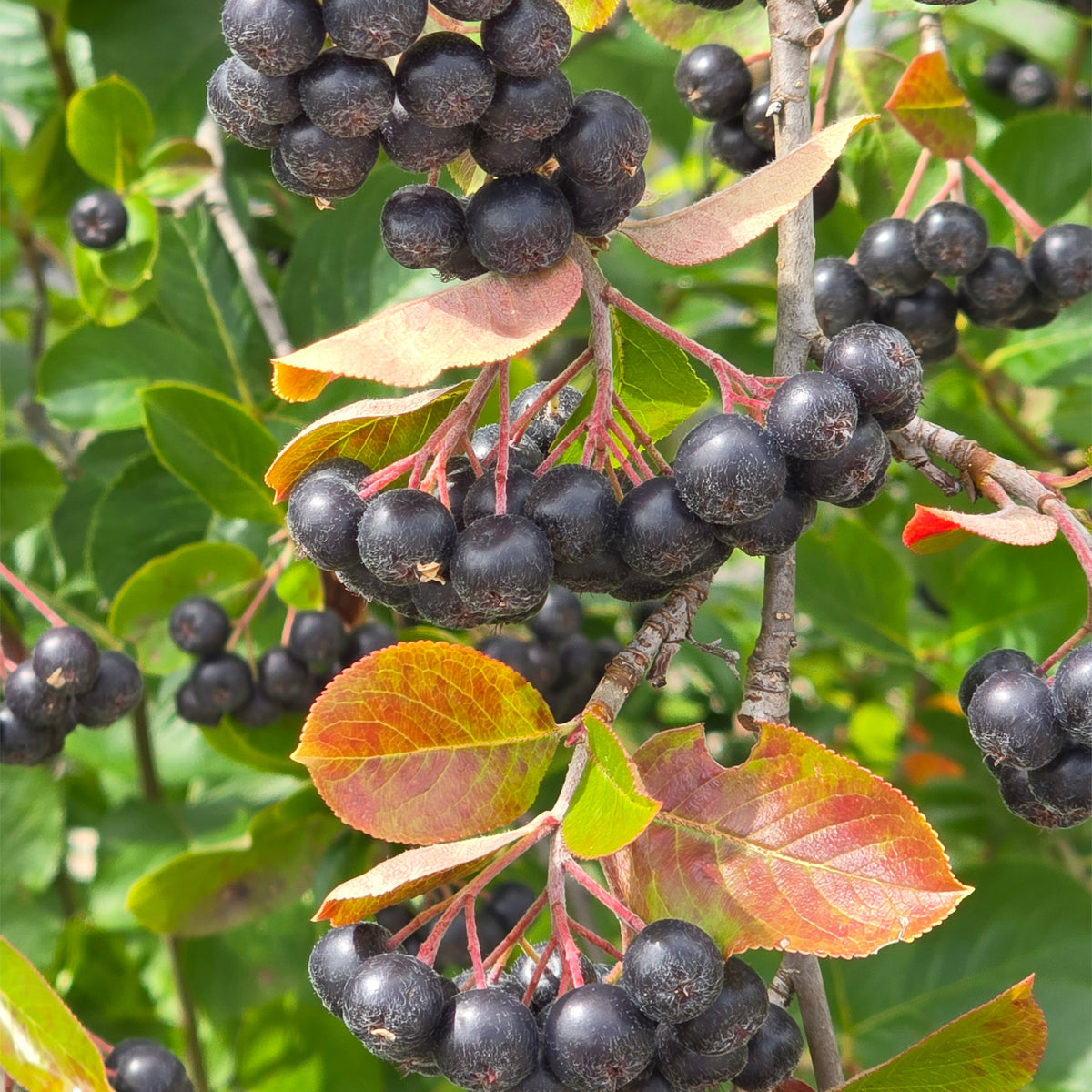
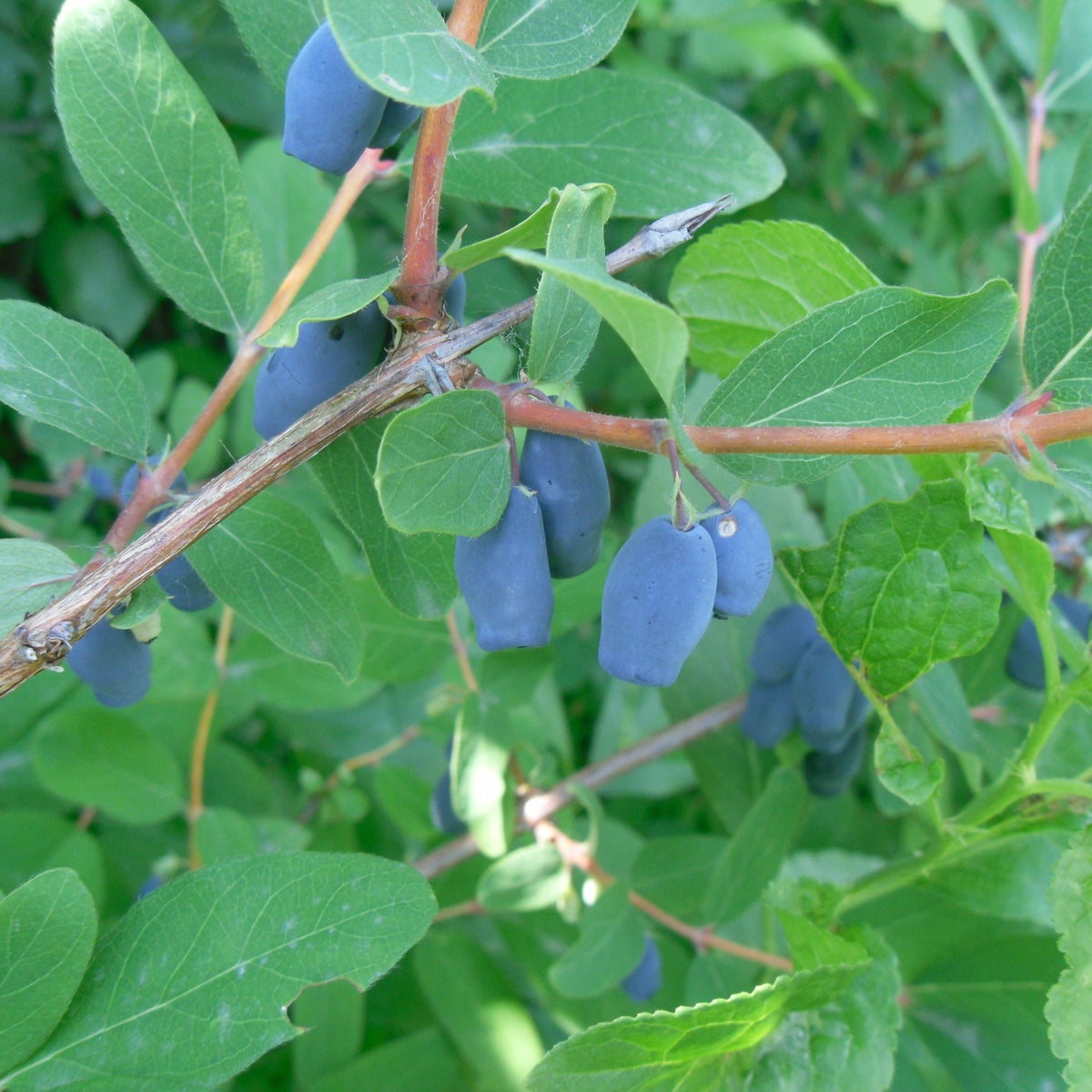
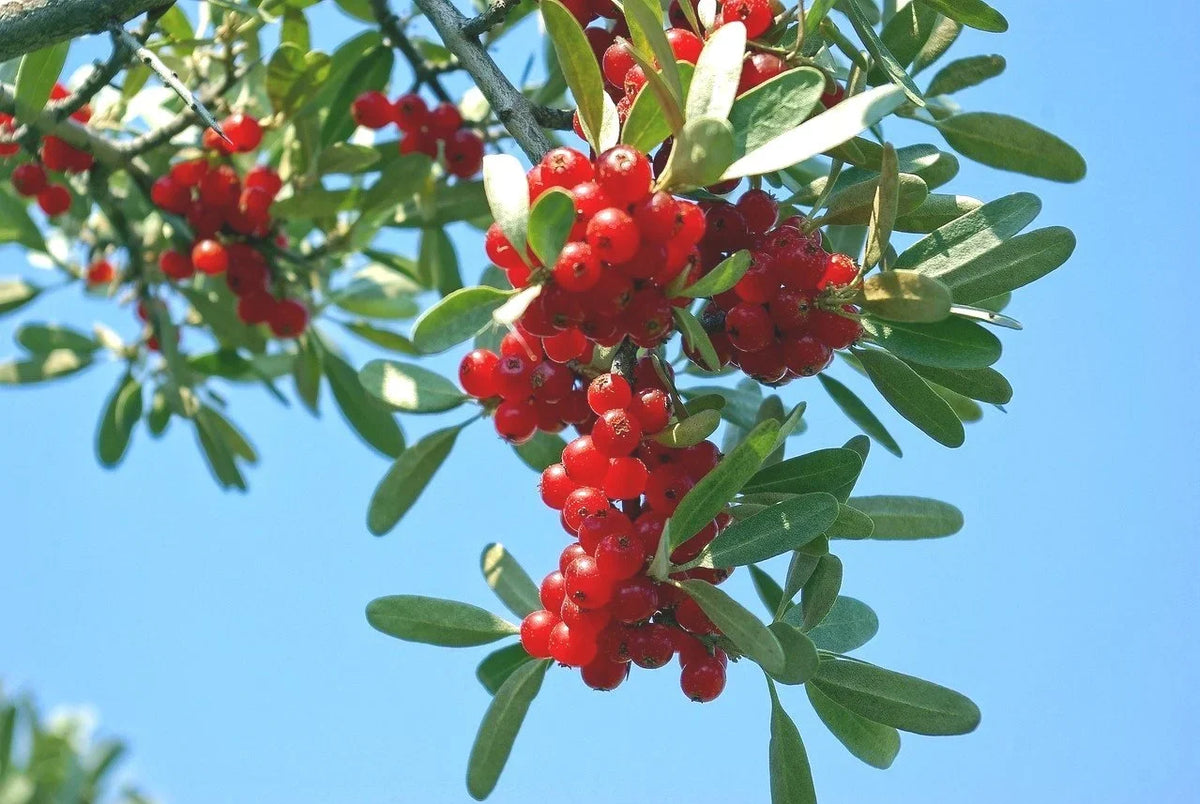
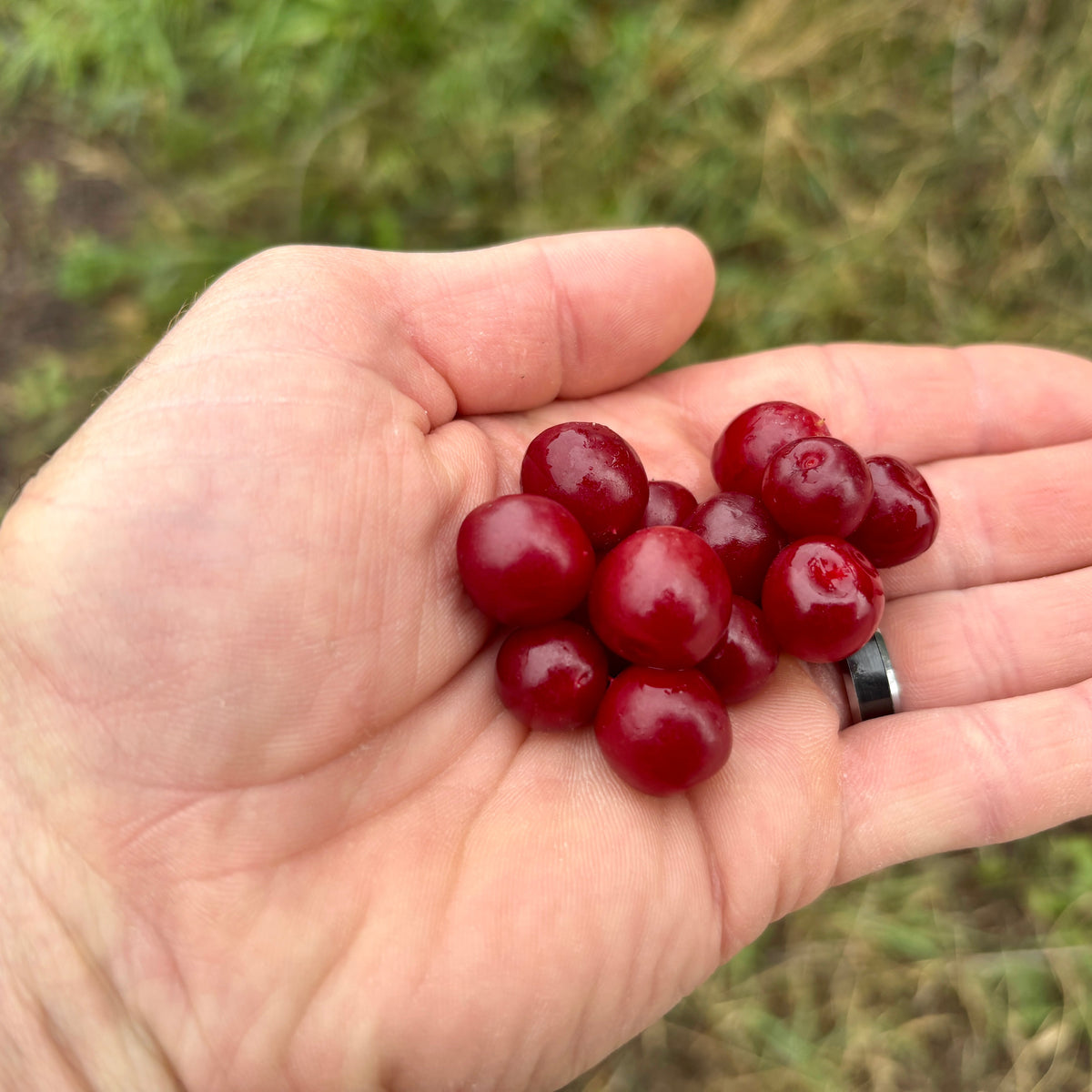
-
Trees arrive healthy
Packed well, pruned well, and more than a few customers say ours look a year older than what they got elsewhere.
-
Answers before and after
Variety picking for your actual site, pruning advice, planting instructions, questions answered fast.
-
If it doesn't bud out
You get a credit. From 2026 we credit the shipping on it too, proportionate to what failed.

Not sure which variety?
Shop by what you'll make
Pies, cider, jam, a shelf of canned peaches, a hedge the birds will live in. Every plant we sell is scored for what it is actually good at. Check out this new feature! (p.s. Here is Elizabeth processing super yummy Lapins, one of the hardiest of the sweet cherries for us).
Bulk & orchard pricing
The more trees in the cart, the less each one costs
Planting an orchard, a windbreak or a whole edible ecosystem? The discount climbs with the cart.
- 10% carts over $300SAVE$30
- 15% carts over $600SAVE$90
- 20% carts over $1,250SAVE$250
- 25% carts over $2,500SAVE$625
- 30% carts over $5,000SAVE$1500
Add the code at checkout.
Videos we have sponsored
Cold-climate growing, on video
We sponsor Regenerative Fruit Growers on YouTube. Luke tastes the hardiest apricots with Bob Purvis, sits down with Bob for 40 years of lessons on fruit in extreme cold, and visits an off-grid orchard watered by gravity. One note on that last one: earthworks don't replace drip. In dry country, put drip on your trees first.

Cold Climate Apricot Growing with Bob Purvis


Spread the harvest
Pick trees that ripen in turn, not all at once
Twelve apples that all come ripe the same week can be overwhelming (especially for newer growers). Here is what a spread season looks like in Missoula. The map moves every date to your own climate.
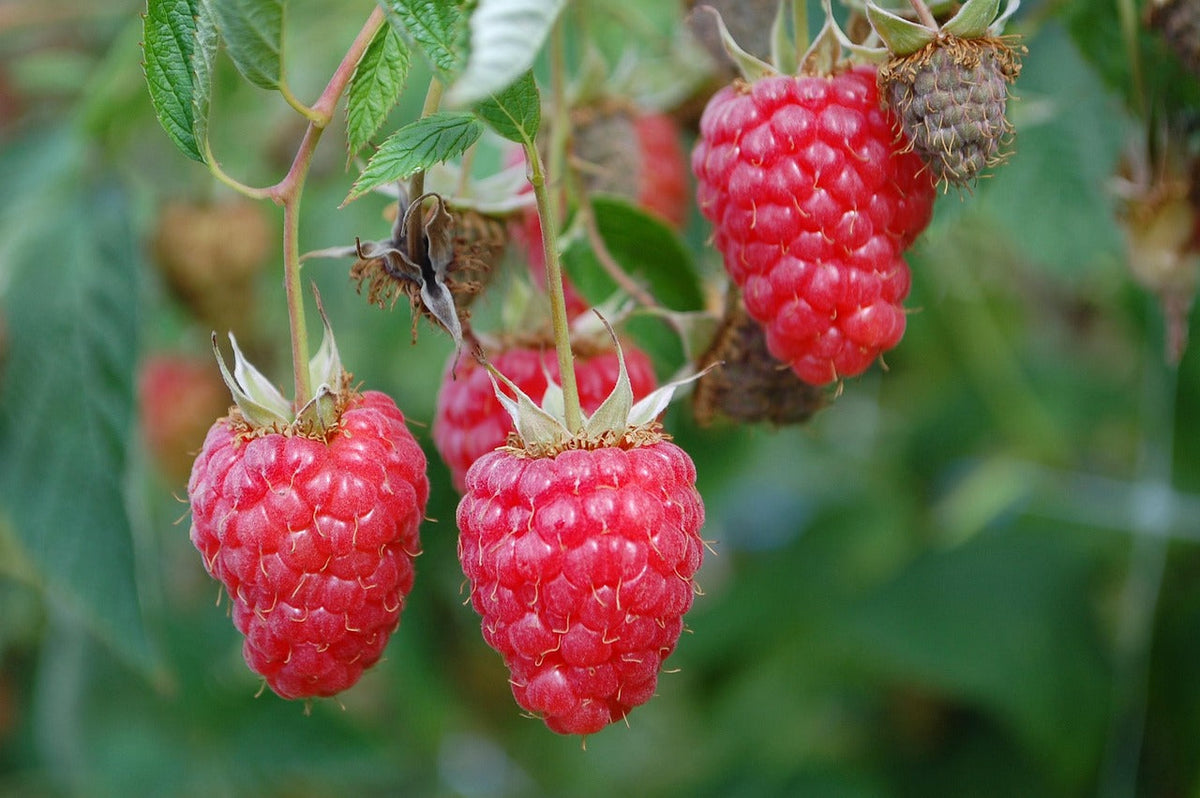
- June to Jul 10 Berry season Strawberries, honeyberry, rhubarb, asparagus
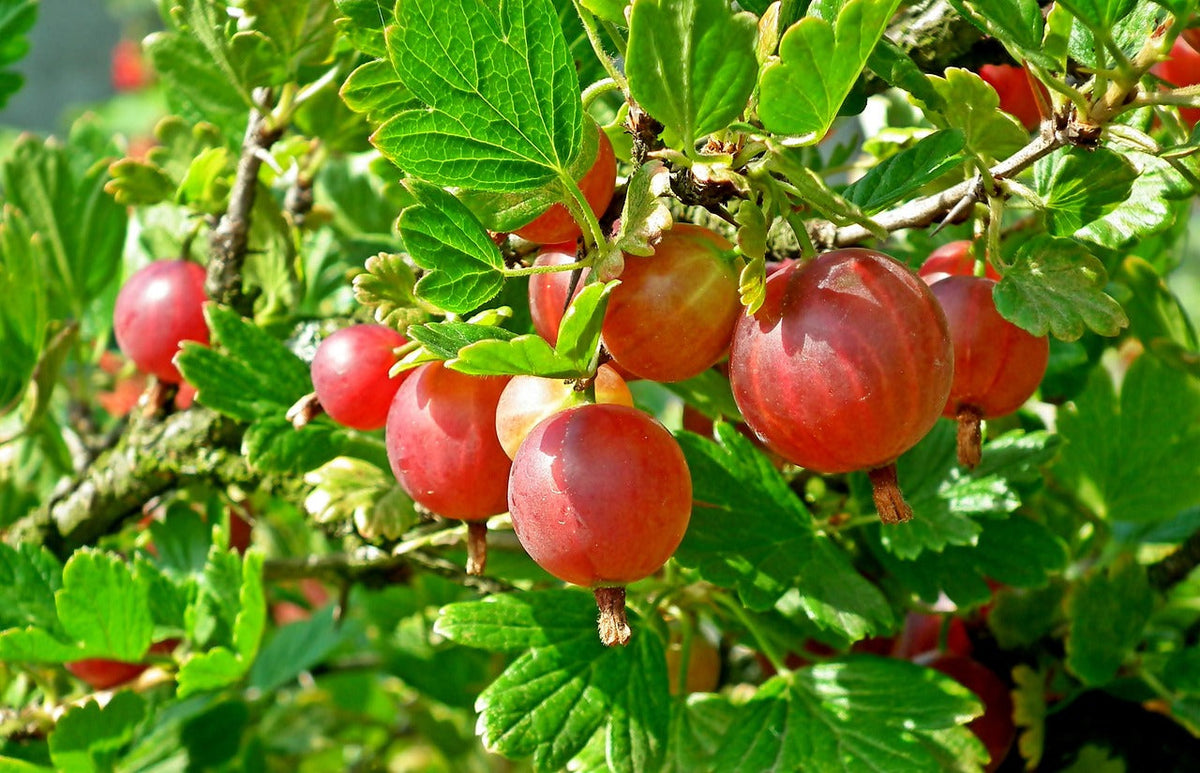
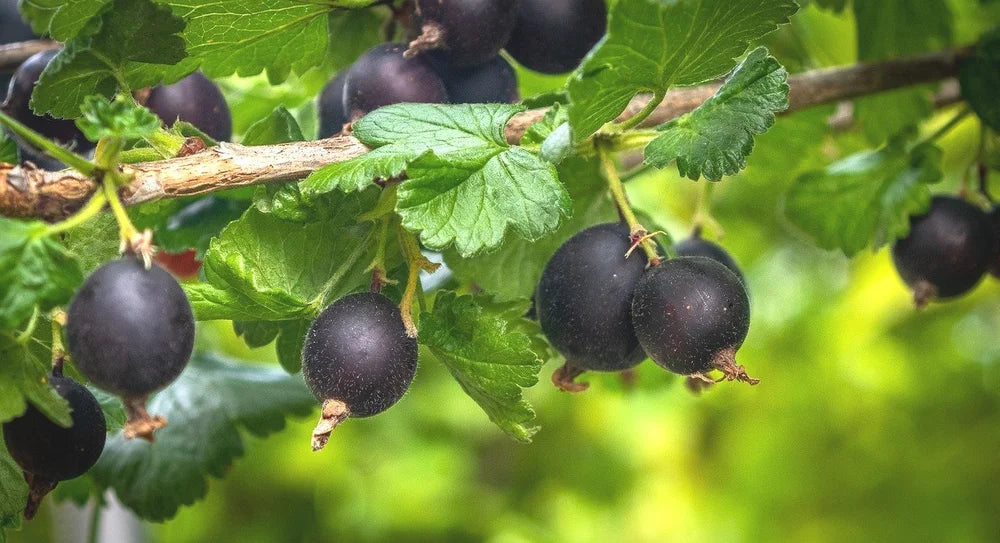
- Jul 11 to 31 Midsummer Gooseberries, currants, Juliet, Montmorency
- Aug 1 to 20 Late summer Westcot, Meteor, Lodi, Rescue
- Aug 21 to Sep 10 End of summer Carroll, Zestar, Chestnut, Pipestone
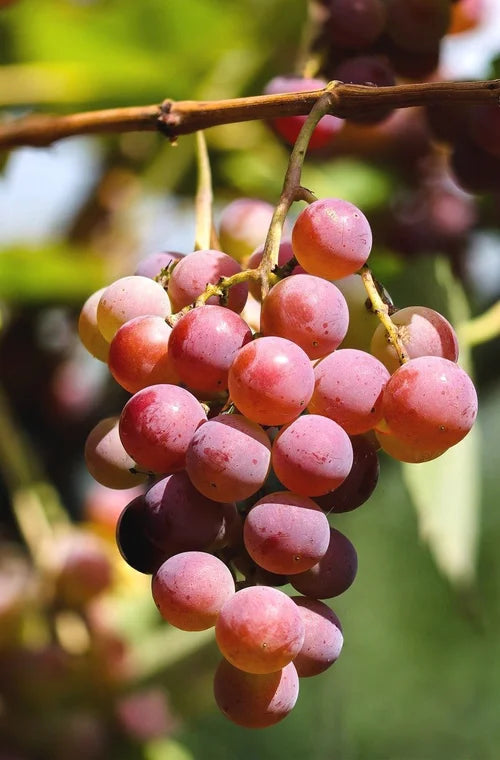
- Sep 11 to 30 Early fall Wealthy, Macoun, Bartlett, Honeycrisp, grapes
- Oct 1 to 15 Mid fall Seckel, Haralson, Spartan, Frostbite
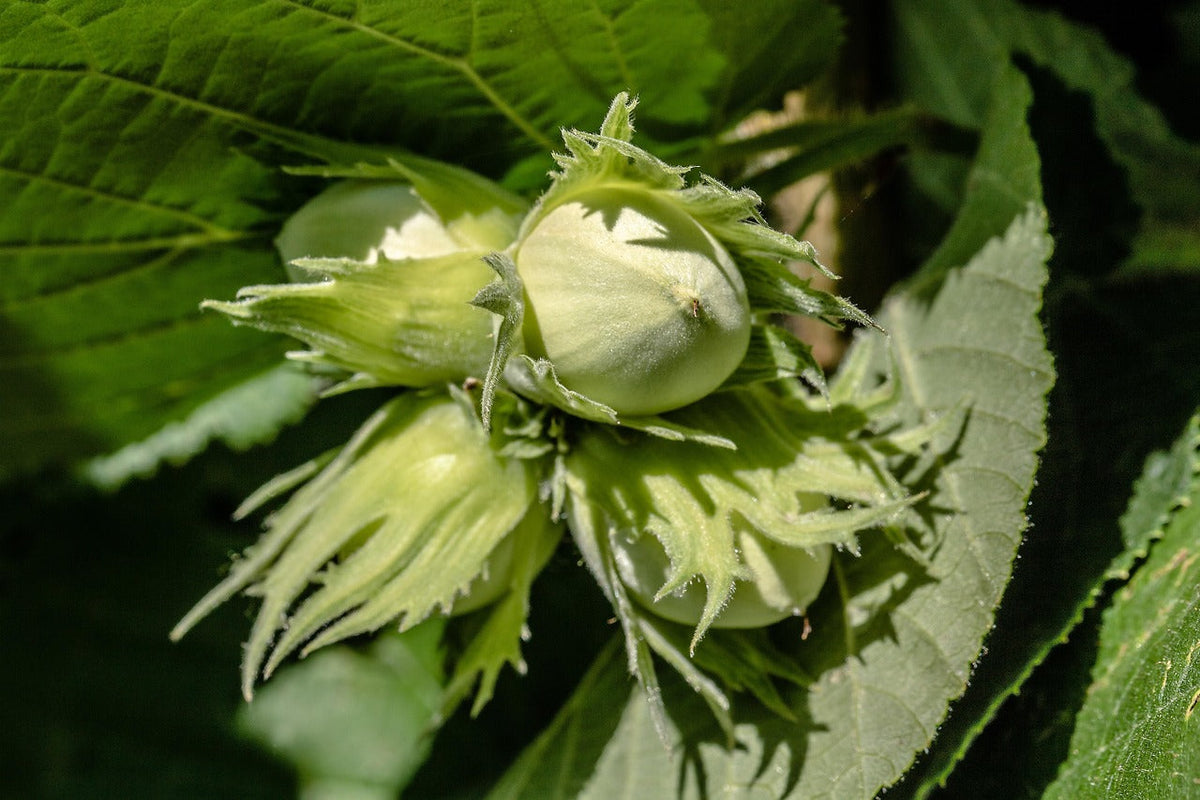
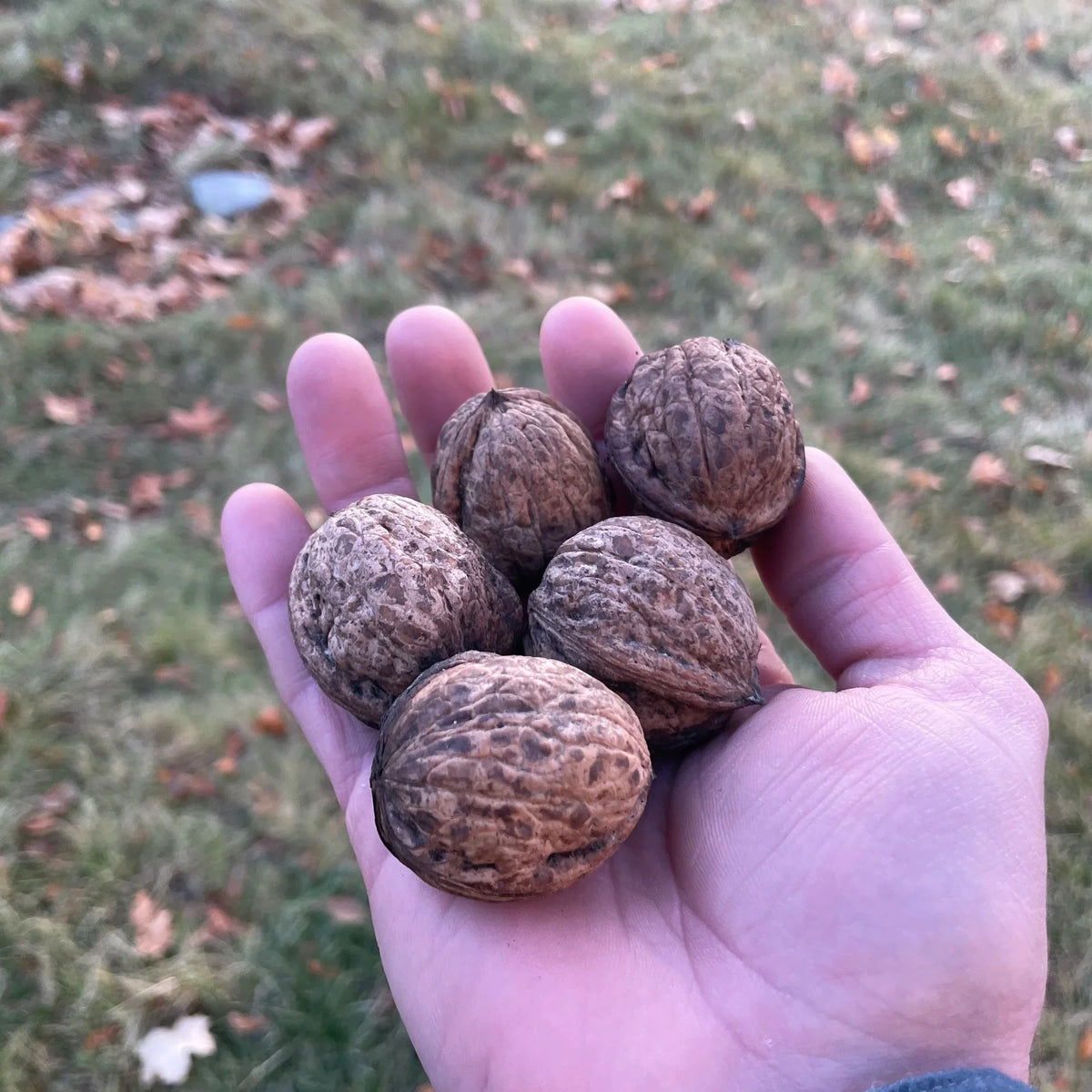
- Oct 16 on Late fall Newtown Pippin, Northern Spy, aronia, walnuts
Dates are Missoula. On the map you can set your own place if available (more locations coming soon) and see what will not ripen in time before your first hard freeze.
Natives & Hedgerow
Shop all Natives & Hedgerow (22)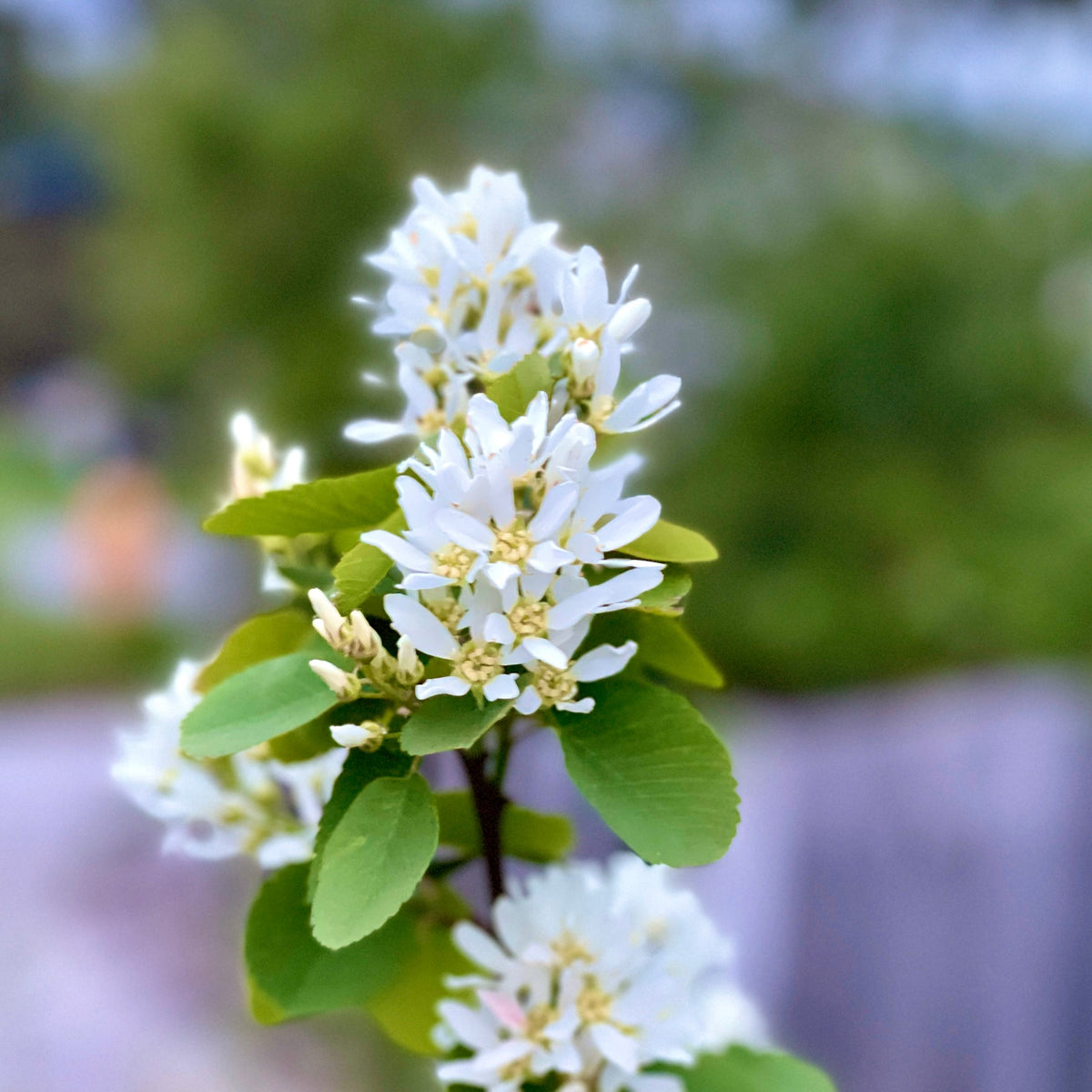
Four things decide it
What makes a fruit tree thrive in cold country
- 1Makes it through the winterMatch the plant to your coldest night, not your USDA zone. Every plant here is rated on real winters.Find your coldest night
- 2Blooms after the frostA hard frost in full bloom can take the whole crop. Later bloomers dodge more of those spring freezes. Ours are charted just below.See our latest bloomers
- 3Gets pollenizedMany fruit trees need a pollenizer that blooms at the same time. The bloom scale below shows who crosses with who.See the pollination maps
- 4Ripens before the freezePick varieties that finish before your first hard freeze, and spread them out so they don't all come at once.Open the Ripening Map
Garden & Seeds
Shop all Garden & Seeds (15)
Dodge a late frost
Our latest bloomers
A hard frost in full bloom can take a year's crop, even on a tree that came through winter fine. The later a variety flowers, the more of those frosts it misses. These are the latest bloomers we grow in each fruit, listed roughly in the order the fruits flower.
-
ApricotsUsually the first to flower
Very late 7 of 7 Zard (Spring 2027), Wayne (Spring 2027)
Late 6 of 7 Dr 606 (Spring 2027), Precious (Spring 2027)
-
Peaches & nectarines
Late 6 of 7 Glowingstar (Spring 2027)
Mid-late 5 of 7 Risingstar (Spring 2027), Veteran (Spring 2027), Redstar (Spring 2027)
-
Hybrid plums
Late 6 of 7 La Crescent (Spring 2027)
Mid-late 5 of 7 Pipestone (Spring 2027), Alderman, Superior (Spring 2027)
-
Sweet cherries
Late 6 of 7 Black Gold (Spring 2027), Gold (Spring 2027)
Mid-late 5 of 7 White Gold (Spring 2027)
-
Pears
-
Tart cherriesOurs top out at mid-season
-
ApplesUsually among the last to flower
Very late 7 of 7 Binet Rouge (Spring 2027), Ellis Bitter (Spring 2027)
Late 6 of 7 Brown Snout (Spring 2027), Mother (Spring 2027)
Each fruit has its own seven-step scale, so a very late apricot still flowers before an early apple. If you plant an early bloomer, give it a spot where cold air drains away, not a low spot where frost settles.
Rootstocks
Pick the right rootstock
Here's what you trade going from a small tree to a big one. The right one comes down to your climate and what you want from the tree.
Trait
Dwarfing
Semi-dwarf
Full size
Vigor
25–50%
55–90%
100%
Age until Bearing
2–3 yrs
3–5 yrs
4-6 yrs
Fruit per sq ft
Most
Middle
Least
Fruit per tree
Least
Middle
Most
Stands on its own
Stake it
Varies
Yes
Handles drought
Drip it
Some
Best
Lifespan
Shortest
Middle
Longest
Root hardiness doesn't follow size. Bud 9 is tiny, but its roots took about 10°F soil in freezing tests. EMLA 7 is bigger, and its roots died near 20°F. Seedling roots like Dolgo and Siberian crab are the hardiest of all.
Typical for apples. Bud 9 runs 6–10 ft. EMLA 26 runs 8–12 ft, but deep, fertile soil or a vigorous variety on top can push it to 14–15 ft. Soil, water and pruning move all of these.
Start with what you want
- The coldest, most exposed spot A full-size seedling root: Dolgo or Siberian crab for apples, Ussurian for pears, Manchurian for apricots.
- Fruit soon, in a small yard A dwarfing root like Bud 9 for apples (stake it for good). For sweet cherries, Gisela 12, our smallest cherry root, bears very young. Both want steady water, so put them on drip.
- One tree, no stake, low fuss Bud 118. It carries about 90 of our apples and crabs, stands on its own and has very hardy roots.
- The most fruit from a small patch Smaller trees planted closer together. A full-size tree gives the most fruit per tree, but dwarfs give the most per square foot.
- A tree for your grandkids A seedling root. Slow to start, but it lives the longest and handles drought best.
- Dry, limy ground or wet, heavy ground Dry and limy: Mahaleb or MaxMa 14 for cherries. Wet and heavy: Krymsk 86 for peaches and plums, Mazzard for cherries.
Your climate changes the answer. Where it can hit −40°F, we'd skip Geneva, EMLA and MM stocks, and doubly so with no steady snow cover, in an open field, or low where cold air pools. A good snowpack can keep the soil up to 20°F warmer than bare ground. Soil moves size too: Bud 118 is sold as a semi-standard, but in our dry, calcareous Montana soil it grows like a semi-dwarf.
Our picks, not a catalog
The Best Of list
Out of everything we grow, these are the ones we would plant ourselves. Sorted by what you want to do with the fruit, and narrowed to a short list you can actually decide from.
- Canning & Freezing3
- Cooking & Roasting3
- Drying3
- Fresh Eating7
- Hard Cider1
- Jams & Jellies5
- Juice & Sweet Cider4
- Pies & Baking4
- Salads & Slicing1
- Sauce & Butter4
- Wine1
- Winter Storage2