
Skip to product information


Consort Black Currant (Bundle of 2) | Spring 2027
$59.99
Reliable shipping
Flexible returns
Pollination
Partly self-fertile
Bloom group
4 of 7 (Mid)
Ripening
Will it finish before your first hard freeze?
Check it on the Ripening Map (opens in a new tab)
Disease resistanceResists 1 of 3
- 2 Leaf spot : Susceptible, 2 of 5
- 2 Powdery mildew : Susceptible, 2 of 5
- 5 White pine blister rust : Highly resistant, 5 of 5
Scored 1 to 5. Higher resists better, and ? means no published data yet.
See it on our berry disease chart (opens in a new tab)At a glance: Consort Black Currant is a currant shrub rated hardy to zone 2 in our ratings (winters to -50°F), and partially self-fertile, so a second variety nearby makes crops more dependable.
| Hardy to | Zone 2 to 7. A bare number means the whole of zone 2, colder half included (winters to -50°F). Our notes have it taking -50°F. Find your zone with our cold hardiness calculator. |
|---|---|
| Chill hours | About 800 hours (500 to 1,400). From published figures. Montana winters give it plenty. In milder climates, make sure your winters average at least this much. Check your chill hours or see our sources. |
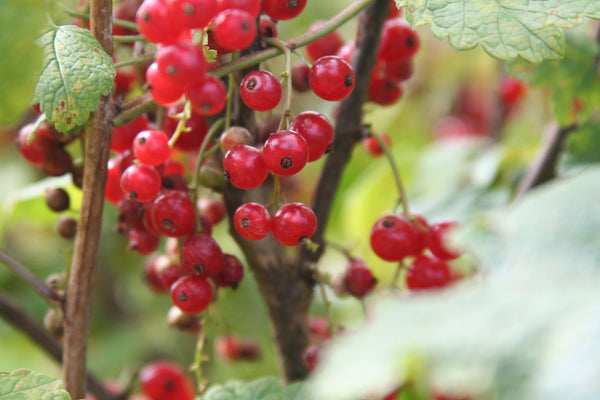
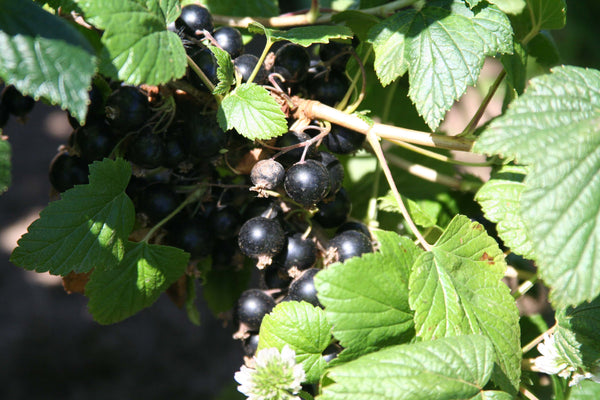
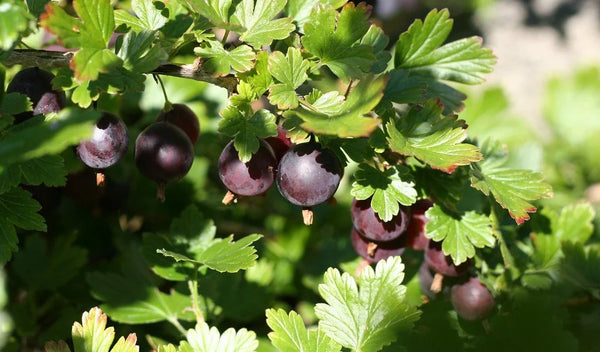
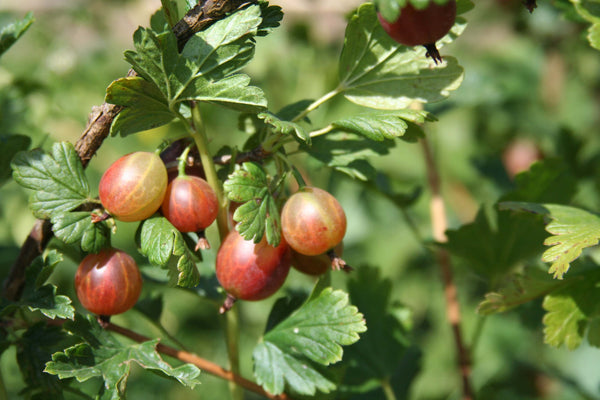
| Pollination | Partially Self-Fertile. Bloom group 4 of 7 (mid), very early spring here. Consort can set fruit alone, but reports on its self-fertility vary, so plant another black currant such as Titania nearby for a dependable crop. Nearby varieties that can boost the crop: Pink Champagne Currant (Bundle of 3), Red Lake Currant (Bundle of 2), Titania Black Currant (Bundle of 2), Black Velvet Gooseberry (Bundle of 2). Bloom group is our estimate from the variety's origin and relatives. Currant & Gooseberry Pollination Chart. |
| Good for | Jams and jellies (8/10), juice and sweet cider (8/10), canning and freezing (7/10), brandy and liqueurs (7/10), sauce and butter (7/10), cooking and roasting (7/10). Scores are our own 1 to 10 ratings; 8 and up makes our Best Of lists. |
| Deer | Sometimes damaged by deer. |
| What you get | Bare root, 1-2 ft. Shipped or picked up in Missoula in spring, roots wrapped in moist sawdust. Guaranteed to bud out. |
Flavor Profile
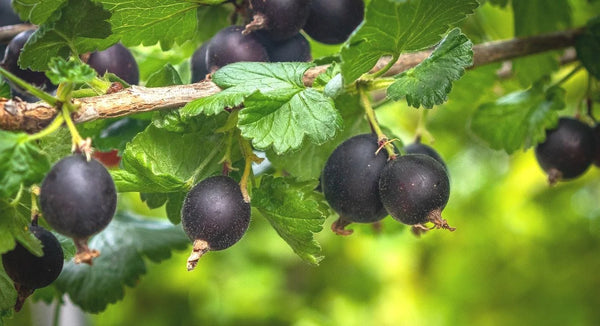
Consort black currants are sweet with slight acidity and a nice fruity flavor. These are slightly more tart than the Ben Lomond black currants which are quite sweet, certainly more so than the Montana Black. Hardy to -50F. Zone 2.
Plant Size
These 2027 Consort black currants are on average 1-2 ft. tall.
Shipping restrictions: white pine blister rust quarantine
Black currants (Ribes nigrum and its hybrids) are an alternate host for white pine blister rust. We cannot ship this plant to Delaware, Maine, Massachusetts, New Hampshire, North Carolina, Rhode Island, Virginia, or West Virginia, where its sale or importation is prohibited by state law.
Permit or local restrictions also apply in: Michigan and New Jersey (state permit required). Consort is a rust-immune cultivar, which may qualify it for the resistant-cultivar exemption under New York law. New York buyers should confirm with NYSDAM before ordering. Several other states restrict planting only within specific counties or townships.
Orders placed to a prohibited state will be cancelled and refunded.
Questions we get about Consort Black Currant
Does Consort Black Currant need a pollenizer?
It helps. Consort Black Currant is partially self-fertile, so it can set some fruit alone, but a second variety nearby makes crops more dependable. Consort can set fruit alone, but reports on its self-fertility vary, so plant another black currant such as Titania nearby for a dependable crop. Partners we carry include Pink Champagne Currant (Bundle of 3), Red Lake Currant (Bundle of 2), Titania Black Currant (Bundle of 2).
How cold hardy is Consort Black Currant?
We rate Consort Black Currant hardy to zone 2, which means winters down to about -50°F. Our notes have it taking -50°F. Our ratings come from real winters at our two Montana sites and from trusted growers across the North, not from a catalog average.
How many chill hours does Consort Black Currant need?
About 800 hours of winter chill (we count hours at or below 45°F), likely somewhere between 500 and 1,400. That comes from published figures for this variety. Montana winters cover that several times over, so chill is never the limit here. Our chill hours guide has a calculator for your winters, and our research page lists the sources.
What is Consort Black Currant good for?
Our top use scores for Consort Black Currant are jams and jellies (8/10), juice and sweet cider (8/10), canning and freezing (7/10), brandy and liqueurs (7/10). Anything scored 8 or higher makes our Best Of lists.
Is Consort Black Currant disease resistant?
For some diseases, yes. It's highly resistant to white pine blister rust. It's prone to leaf spot and powdery mildew. Our berry disease resistance chart has every rating, the notes and the sources.
Will deer eat Consort Black Currant?
Sometimes. Deer browse Consort Black Currant now and then, so protect young plants where deer pressure is high.
What arrives, and when does Consort Black Currant ship?
A dormant bare-root plant, roots wrapped in moist sawdust with a vapor barrier, shipped or picked up in Missoula in spring. Sizes offered: 1-2 ft. We guarantee our plants bud out. Stone fruits can be slow, so if one still has not budded out by August 15, write to us and we credit you for the following spring.
More Plants Like This
Pollination, Bloom & Ripening
Pollination partners
Partners for a bigger Consort Black Currant crop
Consort Black Currant sets some fruit on its own, but a lot more with a partner. Every tree below blooms at the same time and has pollen that works for it.
Bloom group
4 of 7 (Mid)
Pollination
Partly self-fertile
Pollen
Good pollenizer
See every pairing on the Currant & Gooseberry Pollination Chart
Consort Black Currant's bloom group is our best estimate. Watch it bloom and tell us what you see.