
Skip to product information


3rd and Myrtle Apricot (Bundle of 2) | Spring 2027
$44.99
Reliable shipping
Flexible returns
Pollination
Partly self-fertile
Bloom group
3 of 7 (Early-Mid)
Ripening
Will it finish before your first hard freeze?
Check it on the Ripening Map (opens in a new tab)
Disease resistanceNot tested yet
- ? Bacterial canker : Unknown, no published data yet
- ? Bacterial spot : Unknown, no published data yet
- ? Brown rot : Unknown, no published data yet
- ? Cytospora canker : Unknown, no published data yet
- ? Shot hole : Unknown, no published data yet
Scored 1 to 5. Higher resists better, and ? means no published data yet.
See it on our apricot disease chart (opens in a new tab)At a glance: 3rd and Myrtle Apricot is an apricot tree rated hardy to zone 3b in our ratings (winters to -35°F), and partially self-fertile, so a second variety nearby makes crops more dependable (bloom group 3 of 7, early-mid for an apricot).
| Hardy to | Zone 3b to 7. The b means the warmer half of zone 3 only (winters to -35°F). Our notes have it taking -25°F. Find your zone with our cold hardiness calculator. |
|---|---|
| Chill hours | About 650 hours (400 to 900). Seedlings vary, so this is based on the parent tree. Montana winters give it plenty. In milder climates, make sure your winters average at least this much. Check your chill hours or see our sources. |
| Pollination | Partially Self-Fertile. Bloom group 3 of 7 (early-mid), very early spring here. Its self-fertility has not been tested, so plant a different apricot nearby as a pollenizer for dependable crops. Nearby varieties that can boost the crop: Debbie's Gold Apricot, Perfection Apricot, Tomcot Apricot, Goldrich Apricot and 8 more. Bloom group is our estimate from the variety's origin and relatives. Apricot Pollination Map. |
| Rootstock and size | Manchurian: full size, about 15 to 20 ft tall unpruned. The hardiest apricot root there is. Our rootstock guide. |
| Good for | Fresh eating (6/10), jams and jellies (6/10), canning and freezing (6/10), drying (6/10). Scores are our own 1 to 10 ratings; 8 and up makes our Best Of lists. |
| Deer | Sometimes damaged by deer. |
| What you get | Bare root, 3-5 ft or 5-6 ft. Shipped or picked up in Missoula in spring, roots wrapped in moist sawdust. Guaranteed to bud out. |
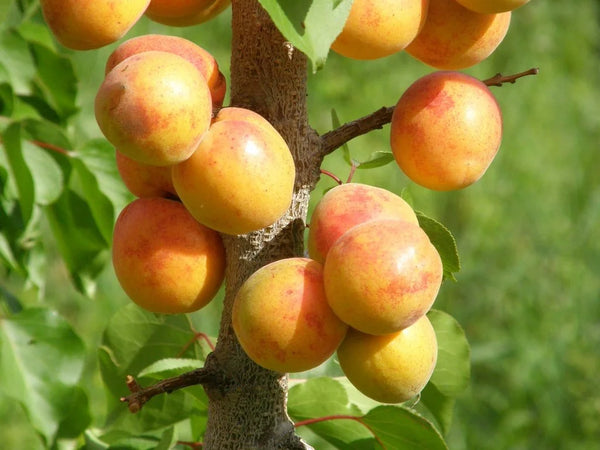
Look how orange those apricots are from the mother tree — no filter on the photo! These are seedlings from a very tasty, 40-year-old tree growing in Missoula, Montana.
Bred for Cold Hardiness
These seedlings have been specifically selected for cold hardiness using Luke’s “Antifreeze Protein Selection” method. This process involves:
-
Cold stratifying seeds by deliberately freezing and thawing them
-
Planting only the seeds that survive
-
Exposing young trees (in pots) to natural freezing and thawing conditions without protection the following winter
This 2-year process mimics the natural resistance found in native species like chokecherry and serviceberry.
Survivor Stock: Zone 3 Apricots
After extensive culling at the seed and one-year juvenile stages, these apricot trees — now going into their third year — have proven to be strong survivors. Their roots have withstood temperatures of -25°F or colder without any protection, making them ideal for colder climates. We are confidently listing these as Zone 3 hardy apricots.
Fruit Qualities
-
Flavor: Mellow sweetness that comes on later, with a sweet-tart balance
-
Use: Excellent for fresh eating, drying, canning, and more
-
Size & Color: Fruit measures approximately 1¾ inches, turning a deep, dark orange — another major bonus
Missoula is technically in USDA Zone 5, though we can see temperatures close to -30°F due to advective freezes. Our diverse, mountainous landscapes cause unpredictable early-season cold snaps (sometimes -10°F in October). We do not use controlled crosses but instead allow nature to select for resilience:
-
Seeds are frozen and thawed during stratification
-
First-year seedlings are left unprotected over winter
-
Survivors are selected for root resistance to ice recrystallization
This method favors trees that naturally express antifreeze proteins — compounds found in many overwintering plants that inhibit the growth and recrystallization of intercellular ice.
This year's selection includes grafted stock from some of the best performers. So these are not seedlings, but rather grafted trees in which we used cuttings from the best performing seedlings.
Questions we get about 3rd and Myrtle Apricot
Does 3rd and Myrtle Apricot need a pollenizer?
It helps. 3rd and Myrtle Apricot is partially self-fertile, so it can set some fruit alone, but a second variety nearby makes crops more dependable. Its self-fertility has not been tested, so plant a different apricot nearby as a pollenizer for dependable crops. Partners we carry include Debbie's Gold Apricot, Perfection Apricot, Tomcot Apricot.
How cold hardy is 3rd and Myrtle Apricot?
We rate 3rd and Myrtle Apricot hardy to zone 3b, which means winters down to about -35°F. Our notes have it taking -25°F. Our ratings come from real winters at our two Montana sites and from trusted growers across the North, not from a catalog average.
How many chill hours does 3rd and Myrtle Apricot need?
About 650 hours of winter chill (we count hours at or below 45°F), likely somewhere between 400 and 900. That's based on the parent, 3rd and Myrtle mother tree (Missoula). Seedlings vary. Montana winters easily meet the chill; how early each tree blooms matters more for frost. Our chill hours guide has a calculator for your winters, and our research page lists the sources.
How big does 3rd and Myrtle Apricot get?
We graft 3rd and Myrtle Apricot onto Manchurian (full size), which makes a tree roughly 15 to 20 ft tall if you never prune it.
What is 3rd and Myrtle Apricot good for?
Our top use scores for 3rd and Myrtle Apricot are fresh eating (6/10), jams and jellies (6/10), canning and freezing (6/10), drying (6/10).
Is 3rd and Myrtle Apricot disease resistant?
We don't know yet. Nobody has published solid disease data on 3rd and Myrtle Apricot for bacterial canker, bacterial spot, brown rot, cytospora canker and shot hole, so we list it as unknown instead of guessing. That doesn't mean it's weak. Plenty of the plants we grow have never been through formal disease trials. Our apricot disease resistance chart has every rating, the notes and the sources.
Will deer eat 3rd and Myrtle Apricot?
Sometimes. Deer browse 3rd and Myrtle Apricot now and then, so protect young plants where deer pressure is high.
What arrives, and when does 3rd and Myrtle Apricot ship?
A dormant bare-root plant, roots wrapped in moist sawdust with a vapor barrier, shipped or picked up in Missoula in spring. Sizes offered: 3-5 ft or 5-6 ft. We guarantee our plants bud out. Stone fruits can be slow, so if one still has not budded out by August 15, write to us and we credit you for the following spring.
Pollination partners
Partners for a bigger 3rd and Myrtle Apricot crop
3rd and Myrtle Apricot sets some fruit on its own, but a lot more with a partner. Every tree below blooms at the same time and has pollen that works for it.
Bloom group
3 of 7 (Early-Mid)
Pollination
Partly self-fertile
Pollen
Good pollenizer
-
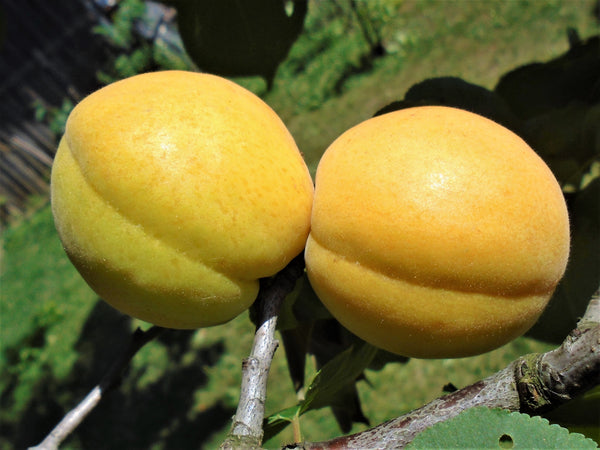 Debbie's Gold Apricot(Spring 2027)
From $54.99
Debbie's Gold Apricot(Spring 2027)
From $54.99
-
 Tomcot Apricot(Spring 2027)
From $49.99
Tomcot Apricot(Spring 2027)
From $49.99
-
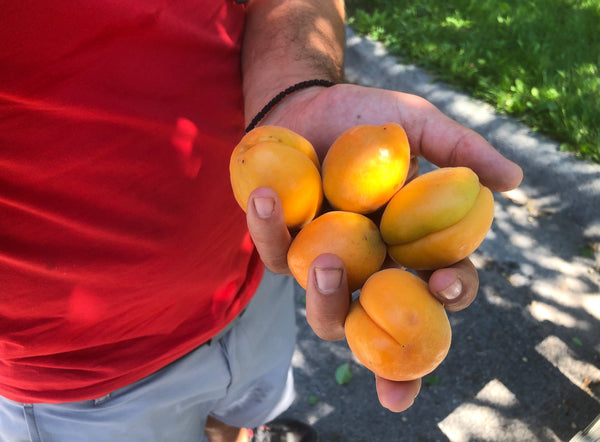 Morden 604 Apricot(Spring 2027)
From $49.99
Morden 604 Apricot(Spring 2027)
From $49.99
-
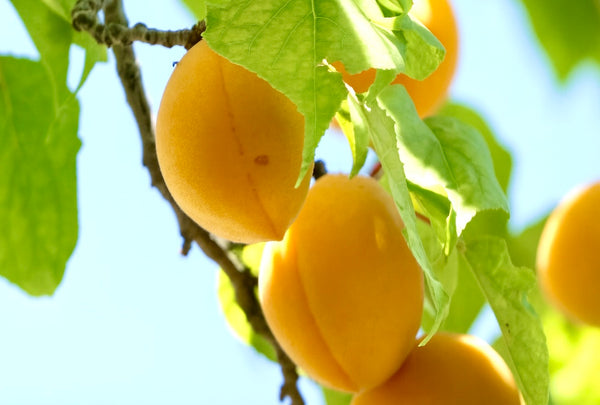 Westcot Apricot(Spring 2027)
From $49.99
Westcot Apricot(Spring 2027)
From $49.99
-
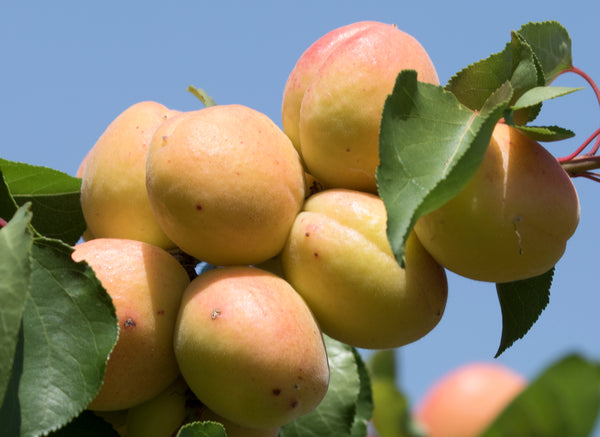 Corbett Apricot(Spring 2027)
From $69.99
Corbett Apricot(Spring 2027)
From $69.99
-
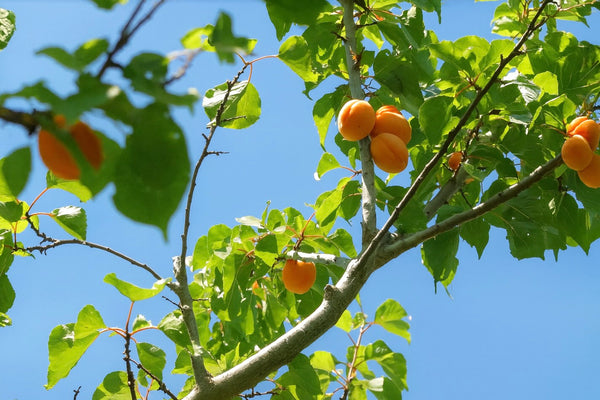
 Manchurian Apricot(Bundle of 2) | Spring 2027
From $69.99
Manchurian Apricot(Bundle of 2) | Spring 2027
From $69.99

See every pairing on the Apricot Pollination Map
3rd and Myrtle Apricot's bloom group is our best estimate. Watch it bloom and tell us what you see.