
Best Berries for Jams & Jellies
The 18 varieties in our catalog that scored 8 or higher out of 10 for jams and jellies. Scored on natural pectin and acid, on set, and on how the flavor and color come through the sugar.
An 8 is Very good on the adapted Beach (1905) grade, a 9 is Very good to best and a 10 is Best. Beach put very good and best in the higher classes, above what he called medium, and that is why the line sits at 8 and why an 8 is hard to get. Varieties that scored 6 or 7 are genuinely good at this too, and you will find them under the matching Shop by Use group. How we rate fruit.
Every score here is sourced, and nothing is on this list on our word alone. The reasoning and every source behind it is in the Best Of research. That is a working document, so if your experience is different, tell us.
More about growing berries for jam
Red Lake currant and Sparkle strawberry scored highest here, 9/10 each. Sparkle isn't great fresh, but it makes fantastic jam, and it blooms late, which helps it dodge frost. Red Lake has big berries on long clusters that are easy to pick.
Almost everything here is hardy to zone 3. Buffaloberry and golden currant go to zone 2, while Brandywine and Royalty purple raspberries are rated to zone 4. Most are self-fertile, but a few do better with company. Consort black currant wants Titania or another black currant nearby, Adam's elderberry crops far better with John's, and buffaloberry has male and female plants, so plant all 5 together.
To keep the jam pot going, Sparkle ripens in late June, Invicta gooseberry in mid July, and Adam's and John's elderberries in mid August. Our ripening maps help you plan it out.
Deer go after raspberries and strawberries, so fence those. Hinnomaki Red, Invicta and Pixwell gooseberries are rarely bothered, and buffaloberry and golden currant are seldom badly damaged. See deer resistant plants for more. Berries that scored 6 or 7 for jam are under jams and jellies.
Questions we get
Which berries are good for jam in a cold climate?
Red Lake currant and Sparkle strawberry scored 9/10 for jams and jellies, and both are hardy to zone 3. Consort and Titania black currants, the elderberries and Brandywine and Royalty purple raspberries scored 8/10.
Is Sparkle strawberry good for fresh eating?
Not really. It scored 6/10 fresh but 9/10 for jams and jellies and for canning and freezing.
Do currants need a pollenizer?
Red Lake and Titania are self-fertile. Consort is partially self-fertile, so plant Titania or another black currant nearby.
Loading the plant finder…
Browse by type
-
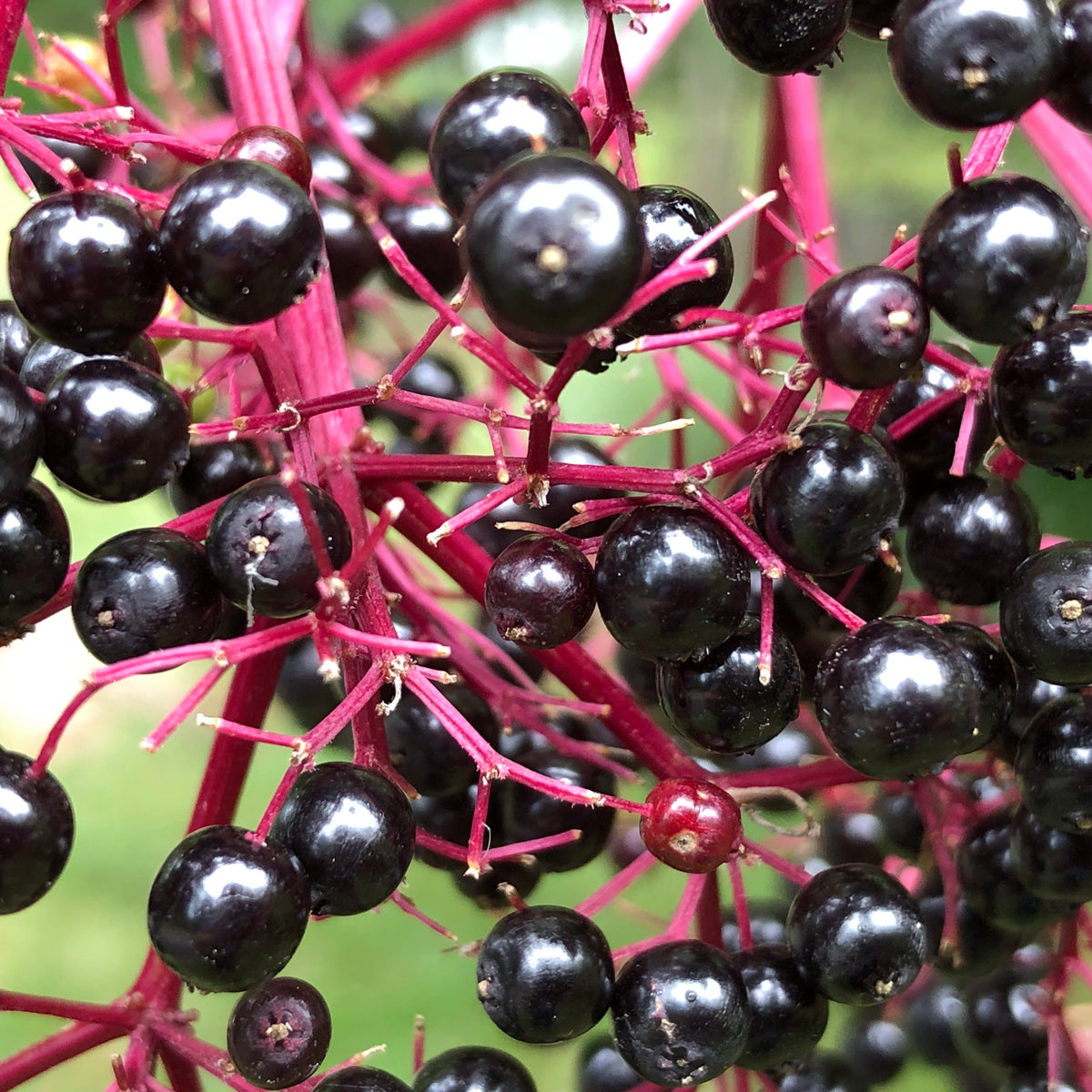 Adam's Elderberry (Bundle of 2) | Spring 2027
-
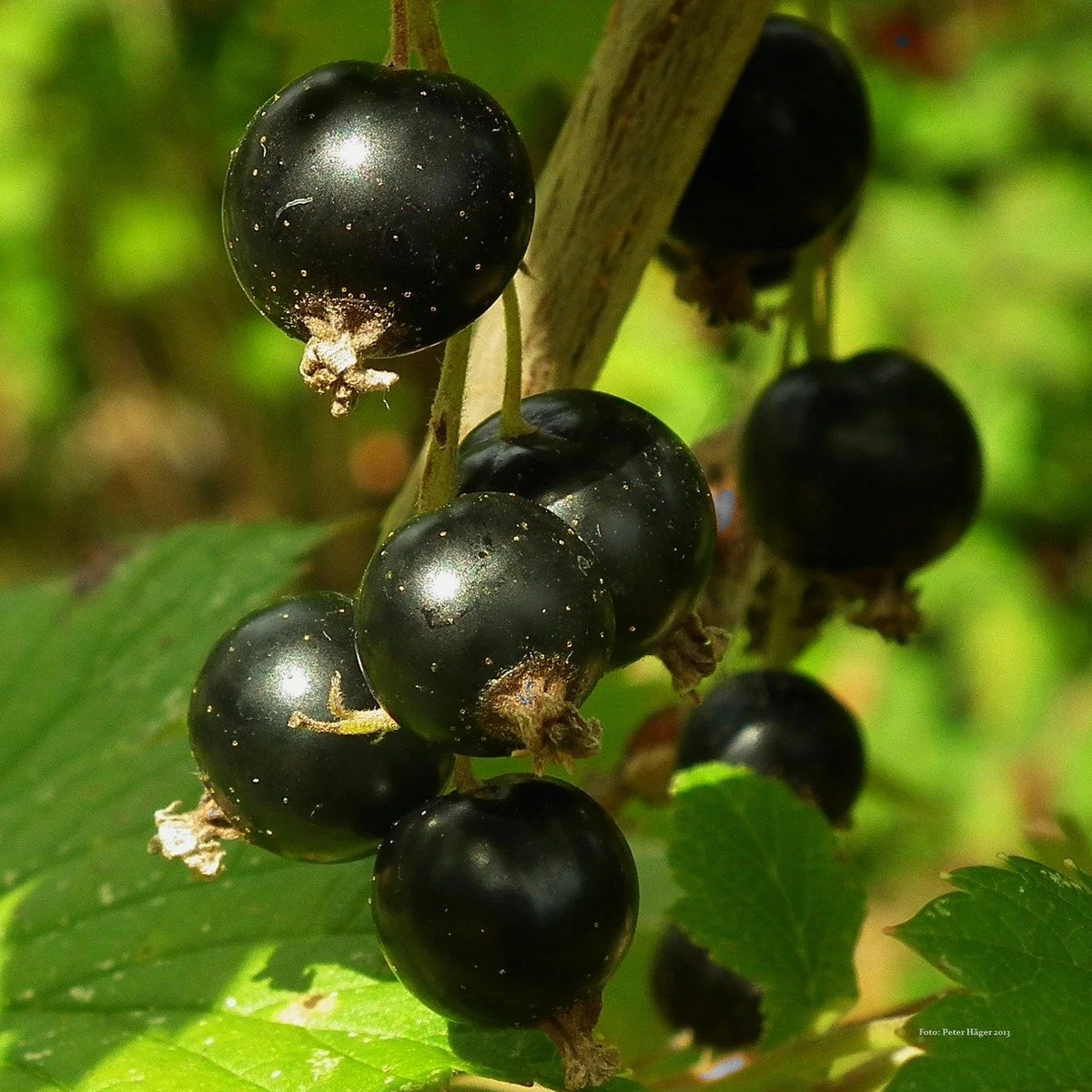 Ben Lomond Black Currant (Bundle of 2) | Spring 2027
-
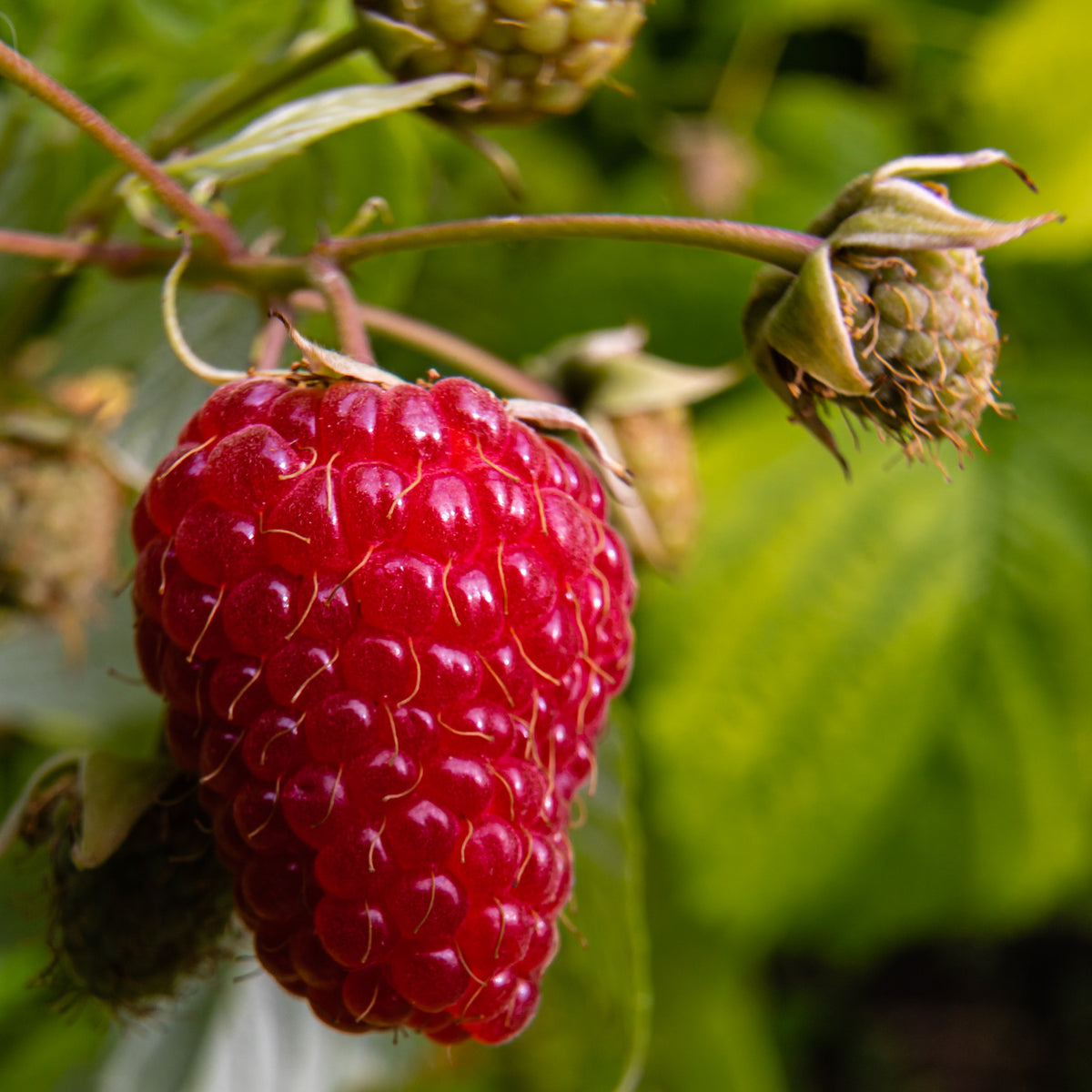 Boyne Raspberry (Bundle of 5) | Spring 2027
-
 Brandywine Purple Raspberry (Bundle of 3) | Spring 2027
-
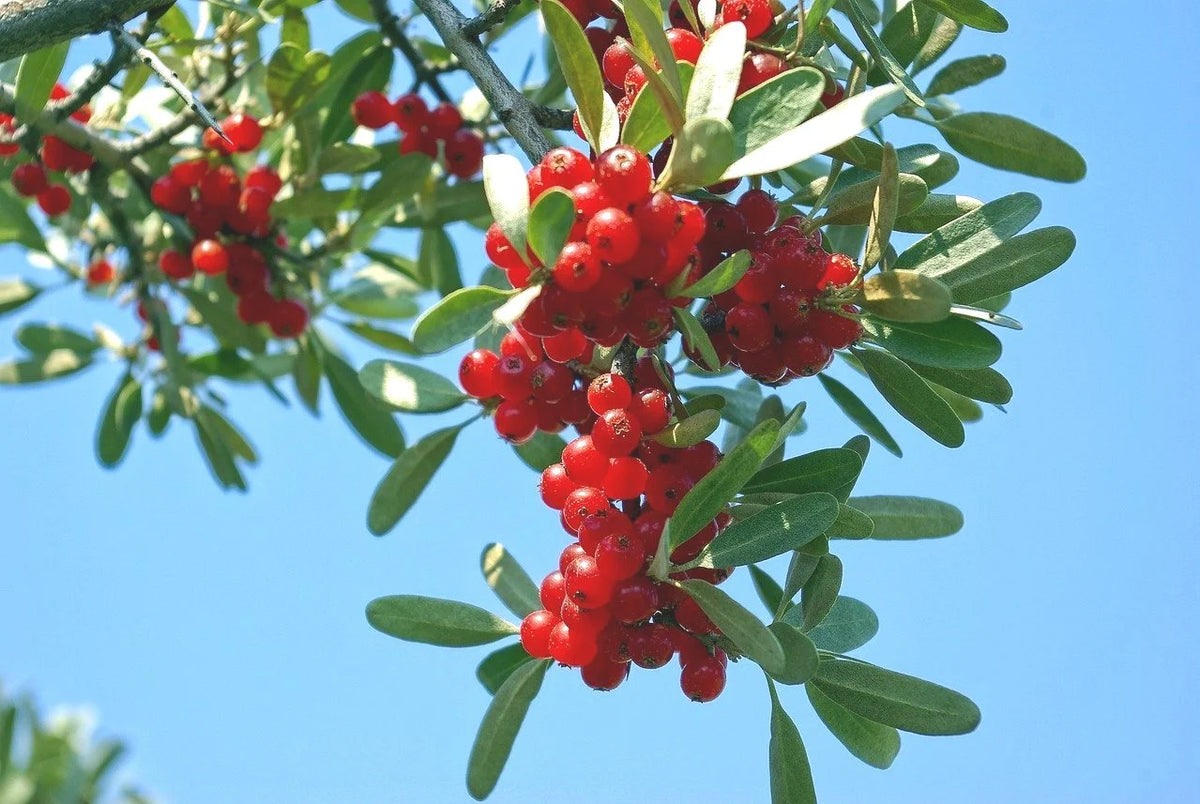 Buffaloberry (Bundle of 5) | Spring 2027
-
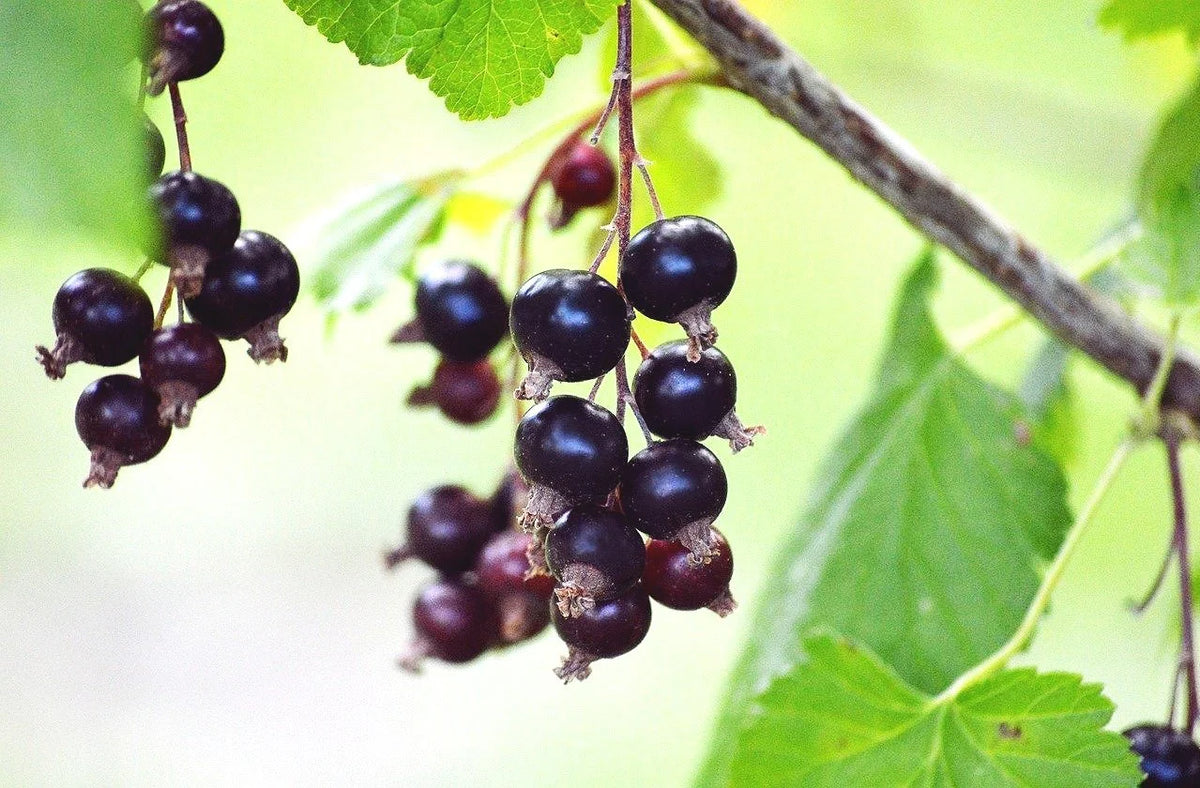 Consort Black Currant (Bundle of 2) | Spring 2027
-
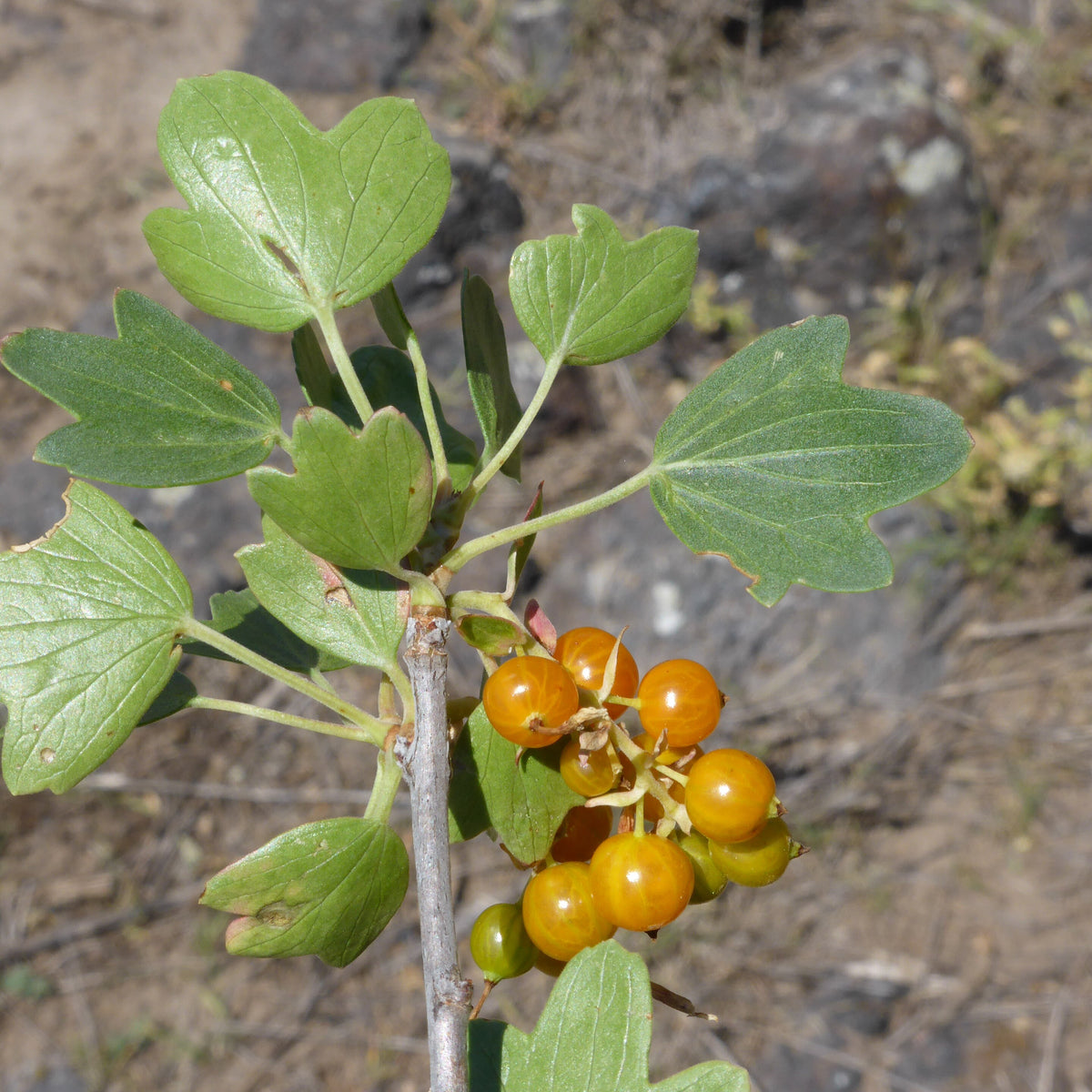 Golden Currant (Bundle of 3) | Spring 2027
-
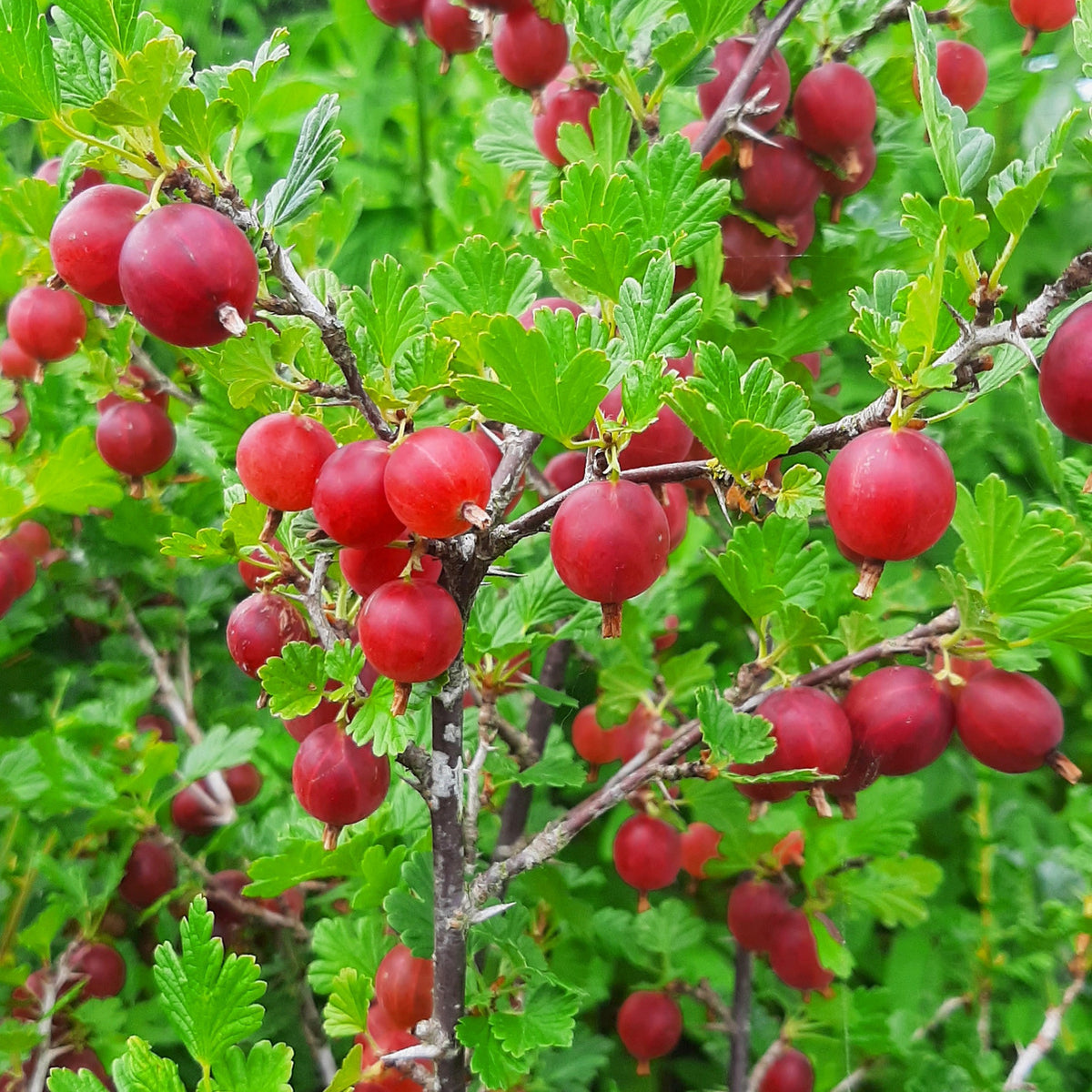 Hinnomaki Red Gooseberry (Bundle of 2) | Spring 2027
-
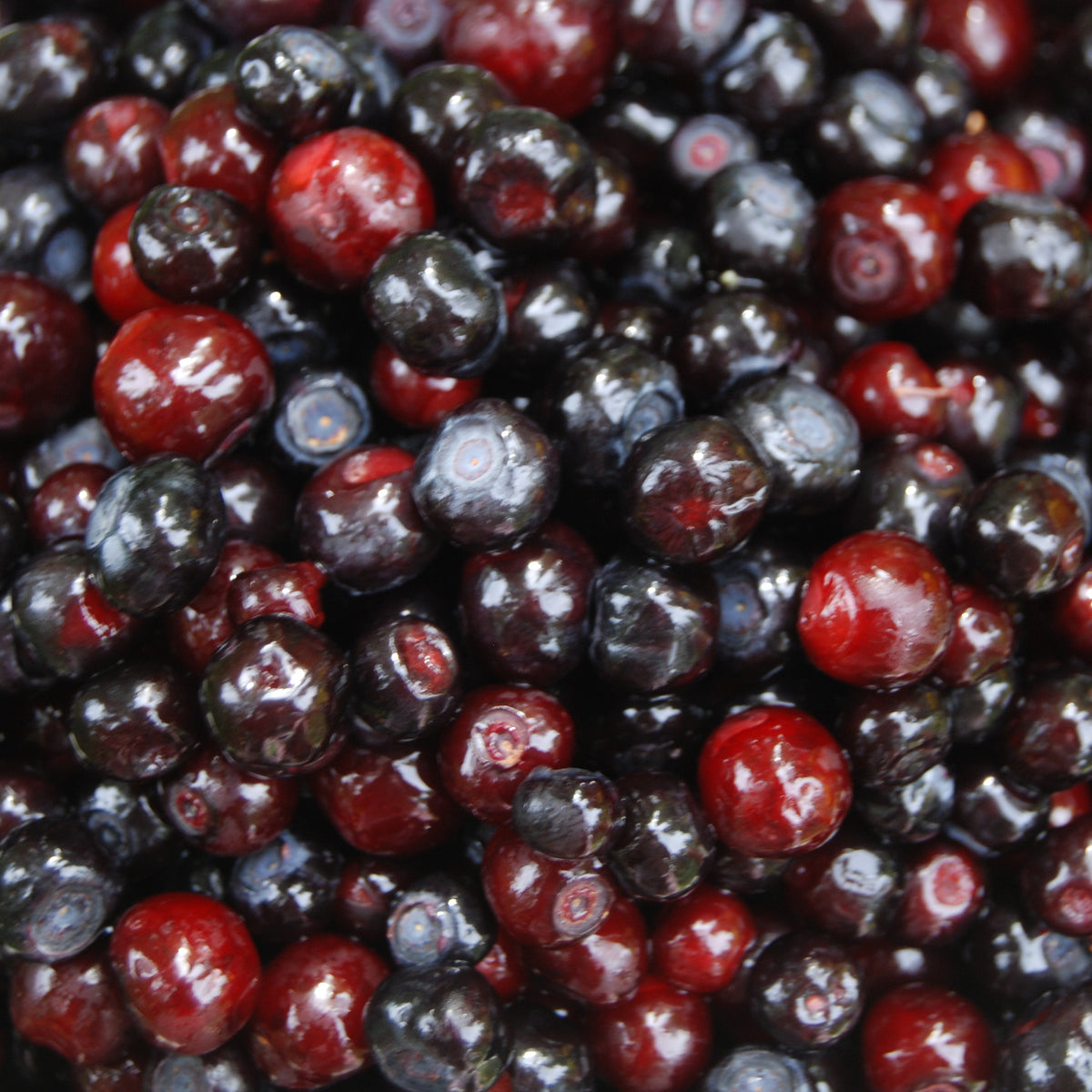 Huckleberry (Bundle of 3) | Spring 2027
-
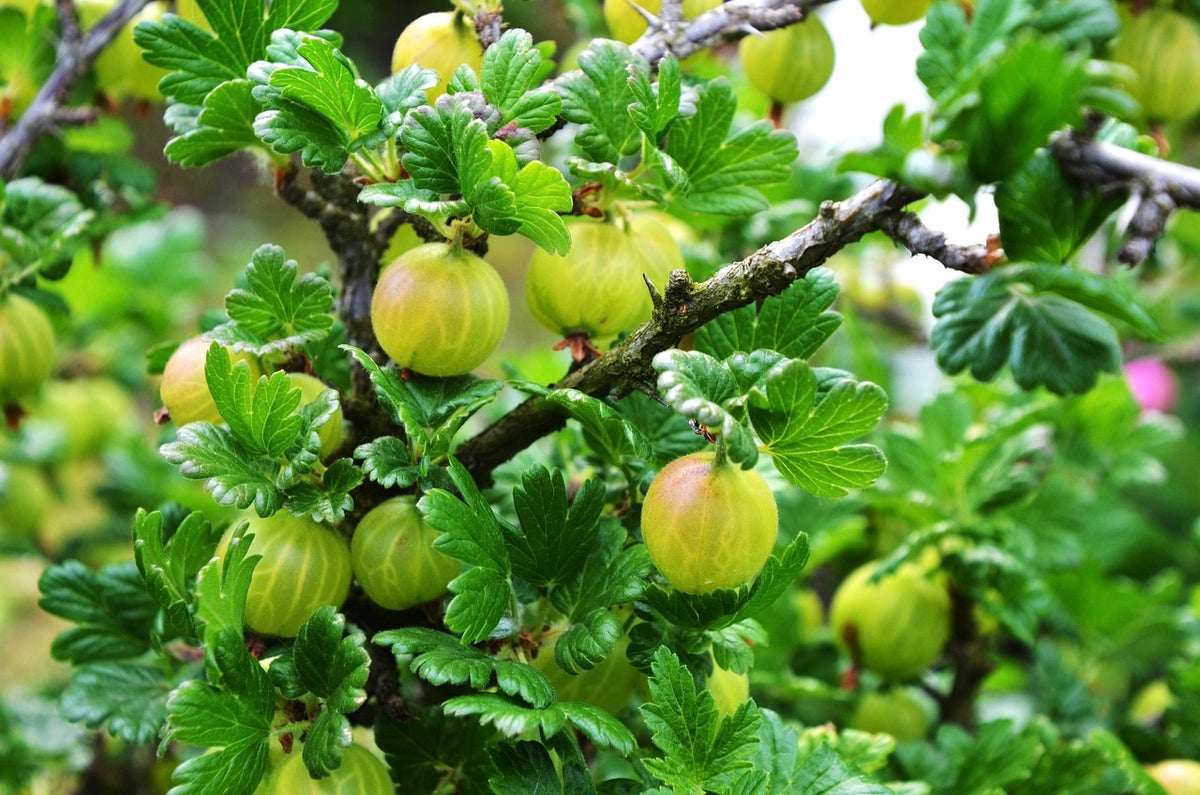 Invicta Gooseberry (Bundle of 2) | Spring 2027
-
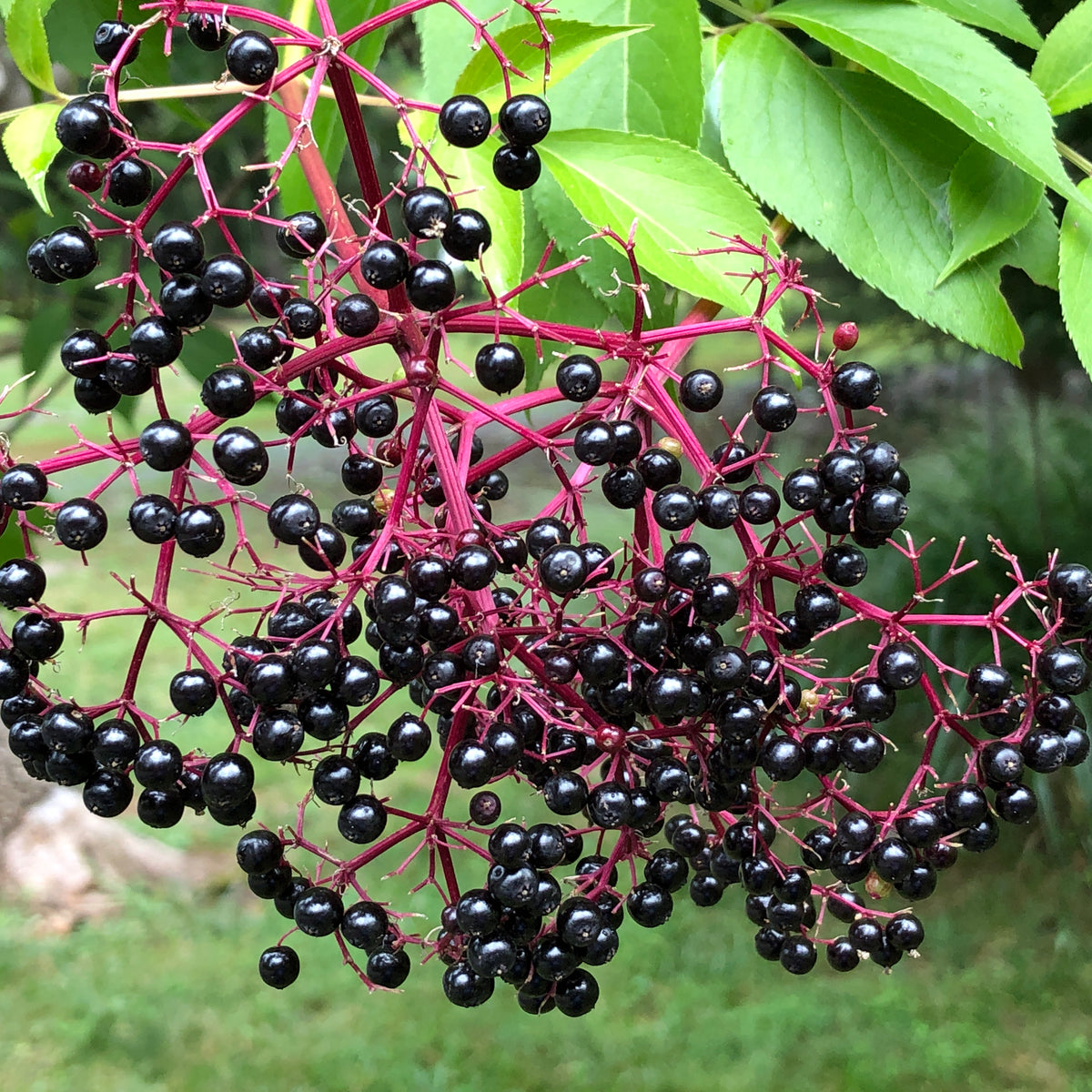 John's Elderberry (Bundle of 2) | Spring 2027
-
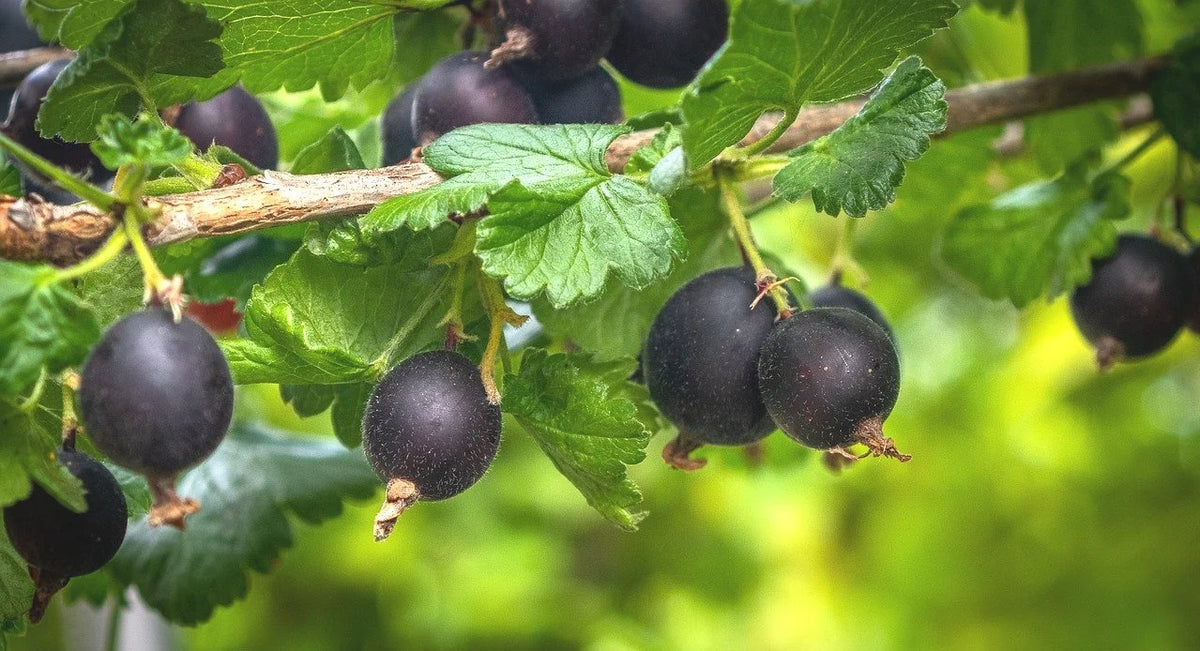 Jostaberry (Bundle of 3) | Spring 2027
-
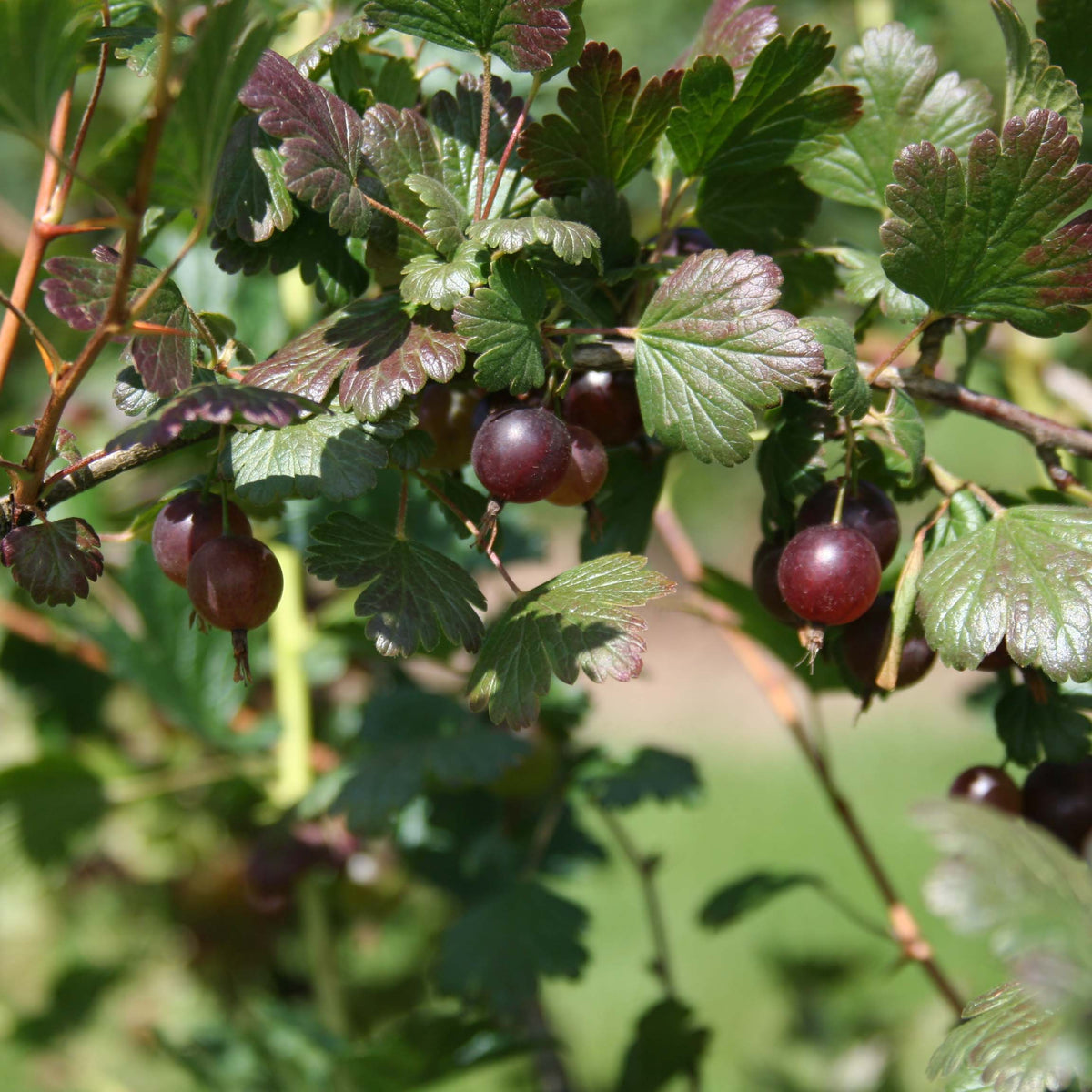 Pixwell Gooseberry (Bundle of 2) | Spring 2027
-
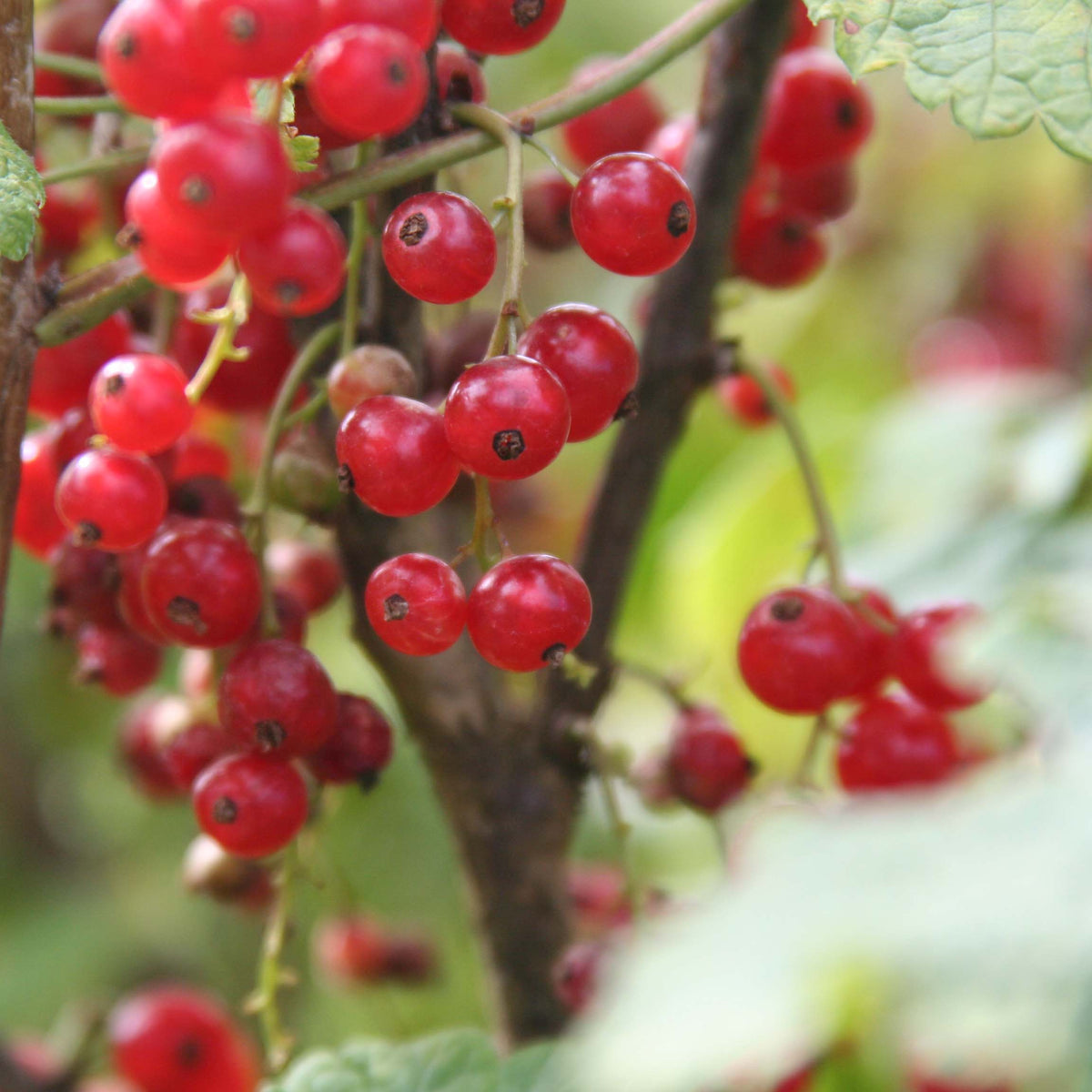 Red Lake Currant (Bundle of 2) | Spring 2027
-
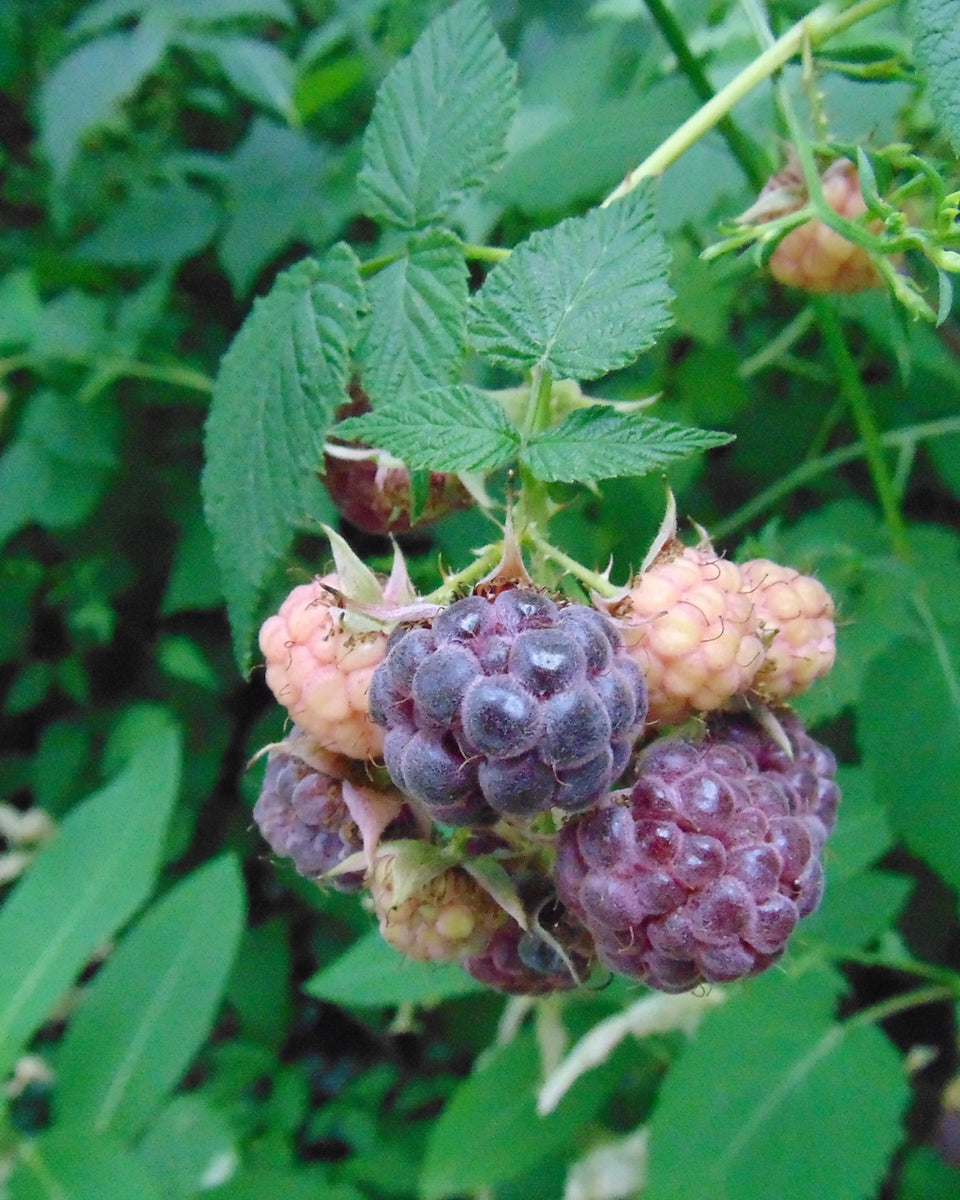 Royalty Purple Raspberry (Bundle of 3) | Spring 2027
-
 Sparkle Strawberry (Bundle of 25) | Spring 2027
-
 Titania Black Currant (Bundle of 2) | Spring 2027


Not sure what to plant? We'll pick your trees.
Tell us about your place, your goals and your budget. We'll pick what fits, build the order for you and email it over within 1 to 2 days.