
Berry Bushes & Fruit Shrubs
Our berry bushes and fruit shrubs are tough, cold hardy plants that can handle temperatures below -30°F, and many, like currants, gooseberries, honeyberries, and half-high blueberries, can even survive below -40°F. These are true Zone 3 hardy shrubs, perfect for Montana and other northern climates.
Fruit shrubs take up less space, are often fairly disease resistant, do not have too many pests (although tell this to the birds after they eat your whole, un-netted honeyberry crop), and are delicious. Further, shrubs lend themselves really well to polyculture plantings with trees and other plants because they can be planted below your trees (we usually avoid the north side of the tree), and they are often much more shade tolerant than fruit trees. Don't forget fruit shrubs in your beds in front of the house, edible forest garden, or agroforestry system of your choice.
Don’t overlook these resilient, productive shrubs. They’re delicious, adaptable, and essential for anyone growing food in cold climates.
More about choosing berry bushes
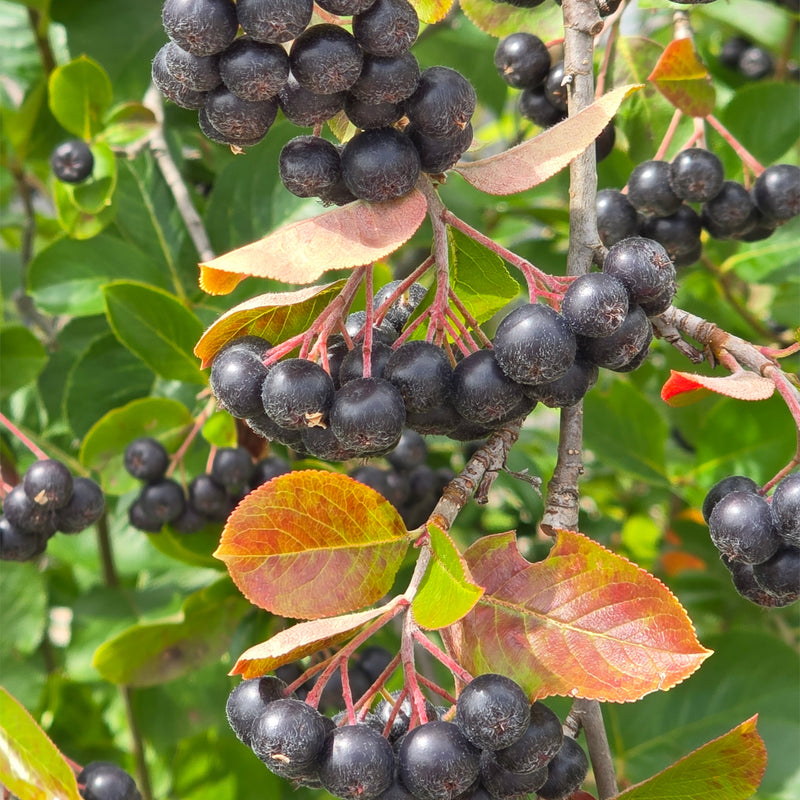
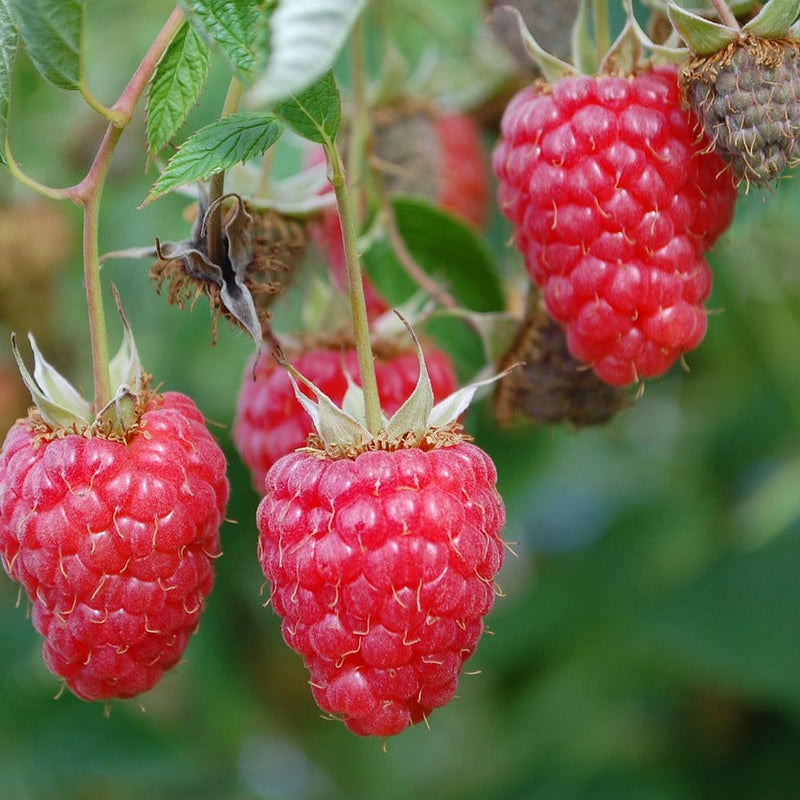
With a few kinds of berries you can pick from June into fall. In Missoula, AC Wendy strawberry is our first to ripen, early to mid June, with Cavendish, Annapolis and Honeoye in mid June and Sparkle in late June. Captivator and Invicta gooseberries come in mid July, Nova raspberry in July, and John's and Adam's elderberries in mid August. Polana raspberry fruits on new canes from mid August into fall, and we've picked aronia well into November. Anne yellow raspberry is everbearing and fruits the first year. Our ripening maps show more.
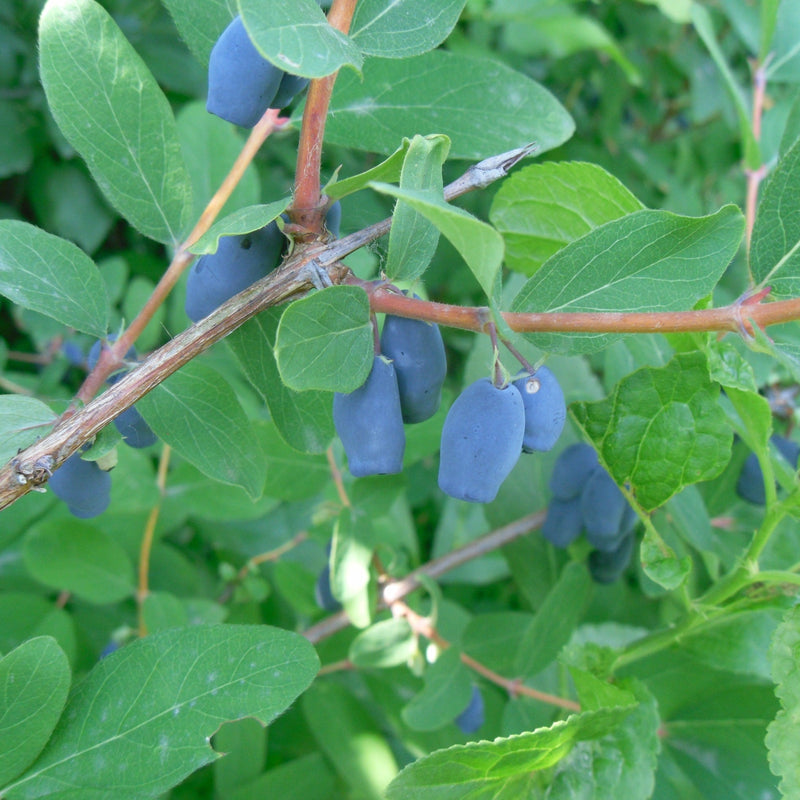
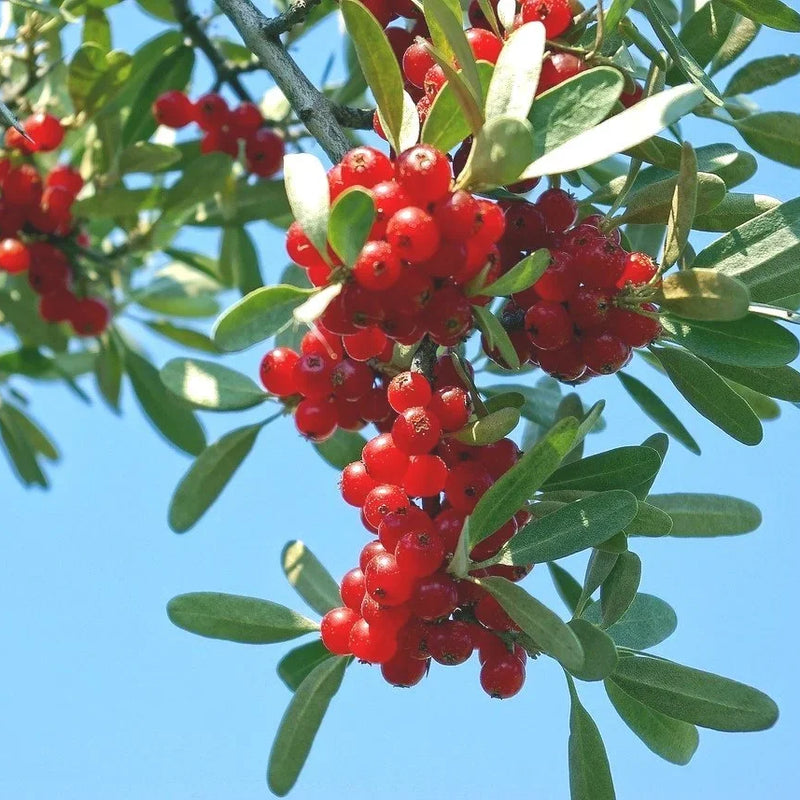
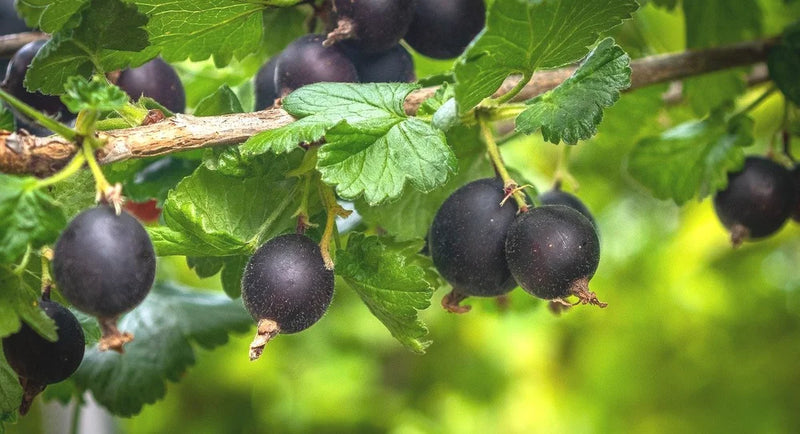
Most of these are self-fertile, so one variety will crop on its own. That covers every gooseberry, strawberry and raspberry here, plus Red Lake and Titania currants, aronia, goji, jostaberry and serviceberry. A few need a partner. Honeyberry needs cross-pollination, so our bundle is 3 Aurora plus 1 Tundra to pollenize them. The blueberry bundle is 2 Chippewa plus a pollenizer. Buffaloberry plants are male or female, so set all 5 together, and Adam's elderberry crops far better with John's nearby. See the pollination maps for details.
If deer are a problem, the gooseberries and honeyberries are rarely bothered, and golden currant, buffaloberry and the blueberry bundle are seldom badly damaged. Deer go after the strawberries and raspberries, so fence those. Our deer resistant plants page has the full list.
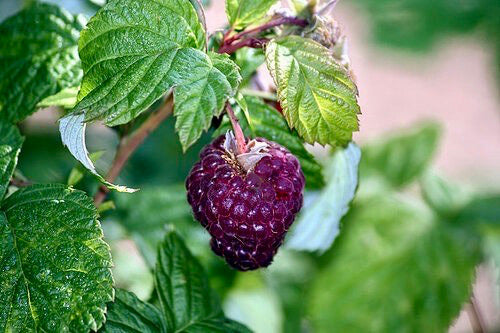
For the coldest spots, honeyberry, Honeoye strawberry, golden currant, Montana black currant, aronia, serviceberry, buffaloberry and American elderberry are rated to zone 2. Anne raspberry is rated to zone 3, and Brandywine and Royalty raspberries to zone 4.
Questions We Get
What berry bushes grow in zone 2?
Honeyberry, golden currant, Montana black currant, aronia, serviceberry, buffaloberry and American elderberry are all rated to zone 2. Honeoye is our zone 2 strawberry.
Do gooseberry bushes need a second plant to fruit?
No. Every gooseberry we carry is self-fertile, so one plant will crop. Deer rarely bother them either.
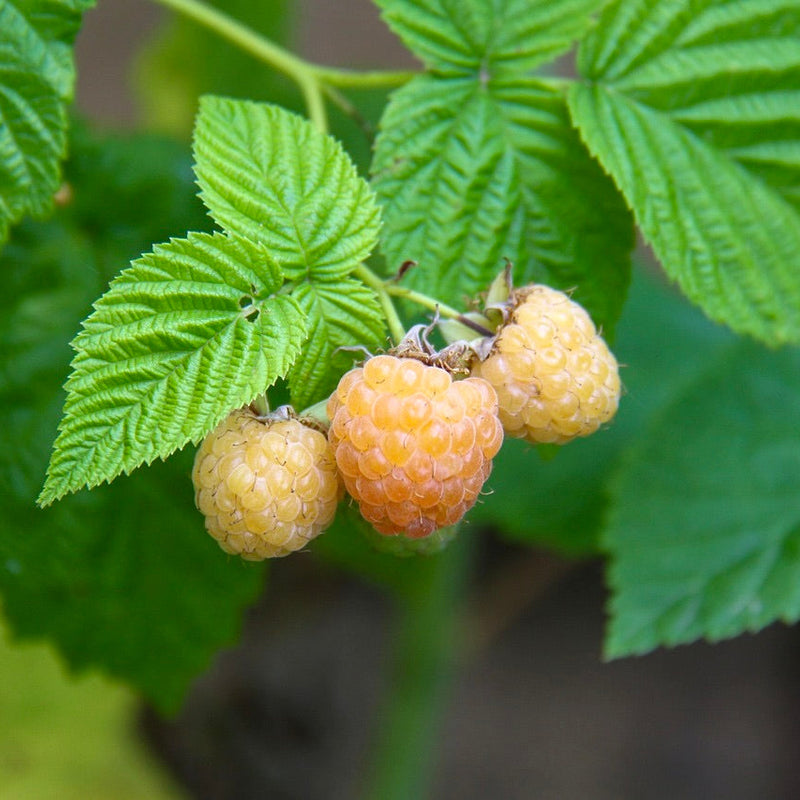
Which raspberry fruits the first year?
Anne yellow raspberry is everbearing and fruits the first year. It has large, sweet golden berries and is rated to zone 3.
Loading the plant finder…
Browse by type

Narrow It Down
Not sure what to plant? We'll pick your trees.
Tell us about your place, your goals and your budget. We'll pick what fits, build the order for you and email it over within 1 to 2 days.