Regenerative Fruit Growers

Videos We Have Sponsored

Regenerative Fruit Growers is a YouTube channel about regenerative fruit growing in cold climates, and Montana Fruit Tree Company sponsors it. Luke tastes fruit with growers like Bob Purvis, walks orchards from Montana's Rattlesnake Wilderness to the Owyhee Desert, and shows how we start thousands of trees on a third of an acre.

Every full-length episode is here with its complete description. When a video features a variety we sell, it's linked right under the description.

Subscribe on YouTube

  1. Apricots

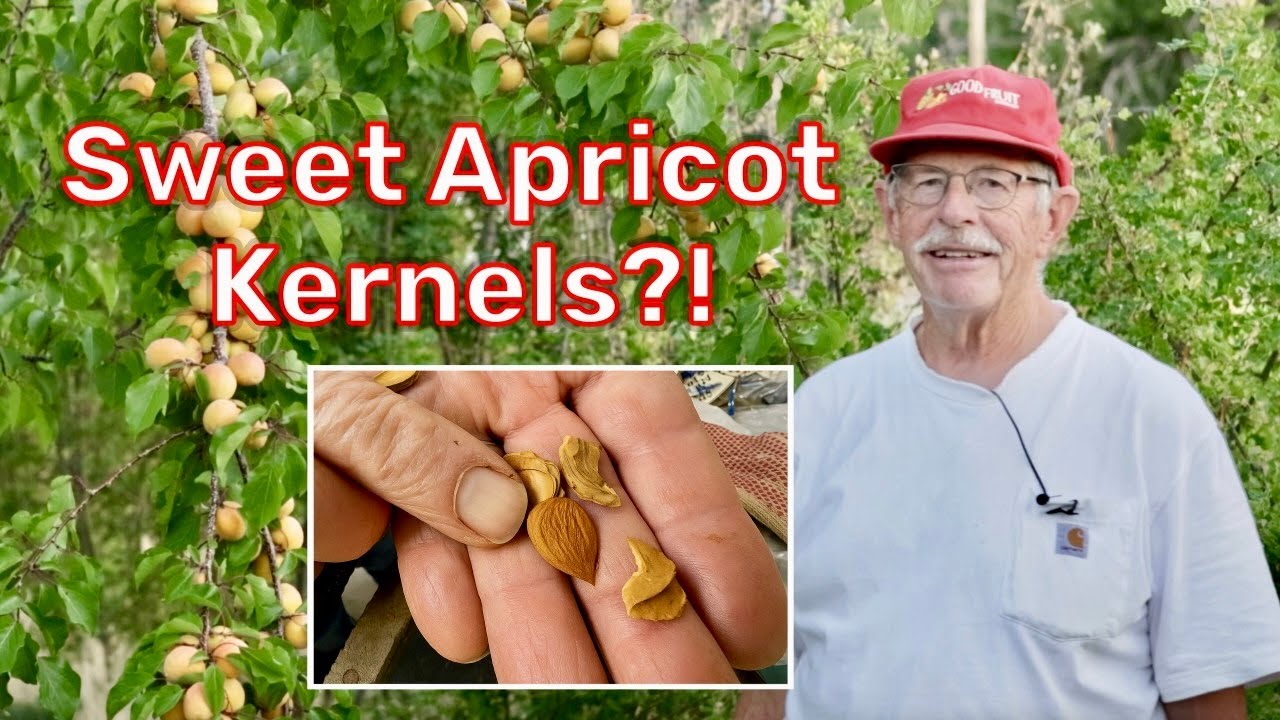
    These Apricot Kernels Taste Like Almonds! w/ Bob Purvis

    2:05with Bob Purvis

    Warning: Do not consume apricot kernels based on this video. Bitter kernels are toxic. This content is only educational. Any use or ingestion of sweet or bitter apricot kernels is entirely at your own risk, and we accept no responsibility for any harm, decisions, or consequences.

    Luke tastes sweet apricot kernels from the Iranian variety Zard with Bob Purvis. Sweet, almond-like, and edible! Discover why Zard and other hardy apricots (Montrose, Precious, Harcot, & Chinese) have sweet, edible kernels.

    In this video, we crack open apricot pits from the Iranian Zard apricot, an heirloom variety from Iran known for its sweet, edible kernels. Bob Purvis uses his vise to extract the kernels, and we taste them on camera to see what their flavor is like.

    Bob shares his theory on why Zard's kernels are sweet (unlike most bitter apricot seeds) and discusses other varieties with sweet kernels: Montrose, Precious, Chinese (Mormon), and Harcot. All are proven to grow in cold climates, to varying degrees and bloom times.

    This clip is from our longer feature filmed at Bob Purvis's Idaho orchard, where we explore cold-climate apricot growing for northern growers.

    Browse: Apricot Trees

  2. Regenerative design

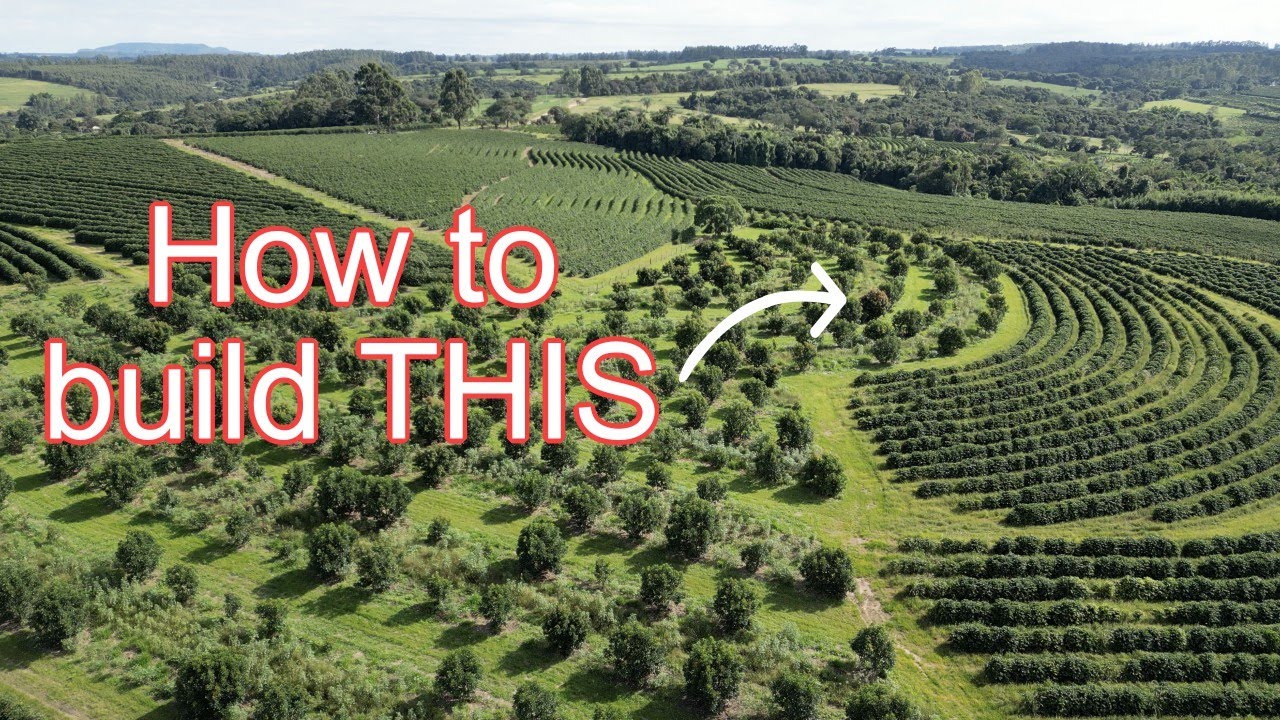
    Steps for Creating Your Regenerative Farm Ecosystem

    5:19

    Is 2025 the year you start your regenerative backyard, homestead, or broad-acre farm? In this video, I walk you through the exact framework we use to design productive, self-sufficient, and ecologically regenerative landscapes, no matter the scale.

    What you'll learn:

    • Why now is the perfect time to build a regenerative system
    • How to assess climate, topography, soil, and water on your land
    • How to use frameworks like the Keyline Scale of Permanence and insights from Yeomans, Darren Doherty, and Systems Ecology
    • How to design your land to maximize resilience, fruit production, and soil regeneration

    Whether you're planting your first food forest or managing a large farm, this video lays out the core steps, from understanding your site's climate and land shape to designing for access, water, and plant systems.

  3. Seeds & propagation

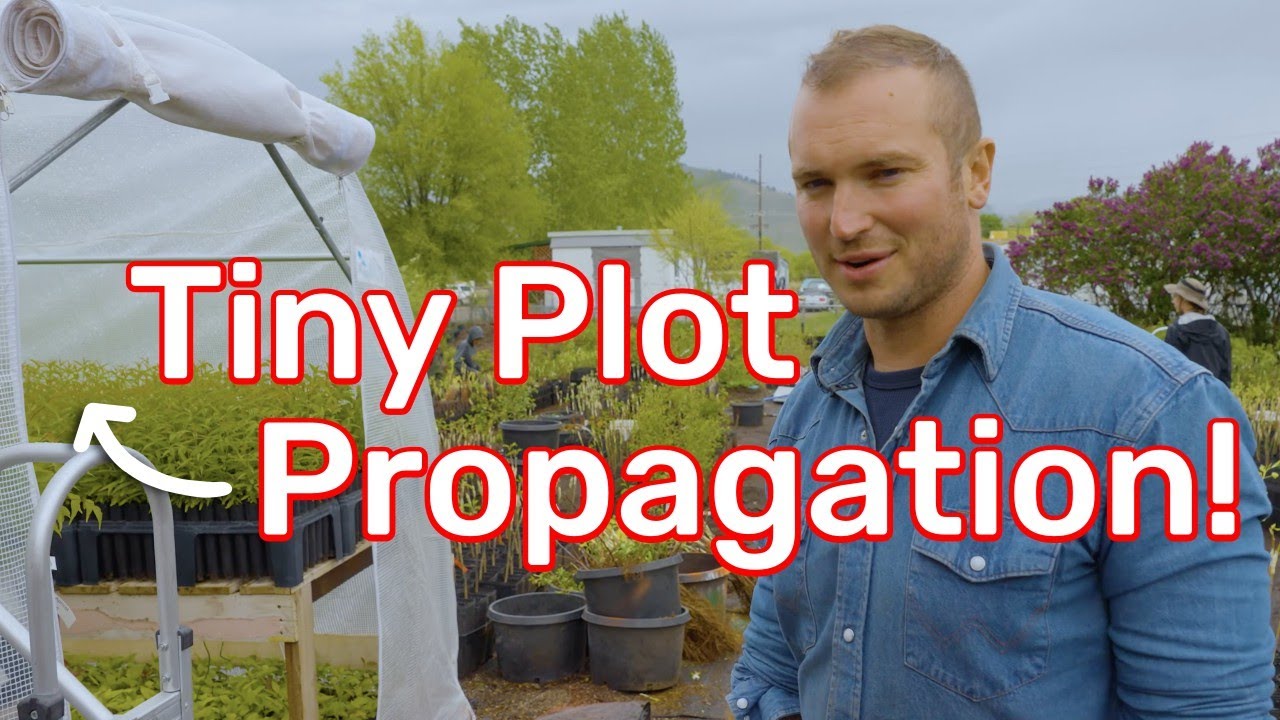
    My System for Starting Thousands of Fruit Trees on 1/3 Acre in a Cold Climate

    9:00

    Discover my proven system for growing thousands of fruit trees on just 1/3 acre in my cold climate! In this 9 minute video, I share expert tips on fruit tree propagation, including the best grafting techniques, greenhouse strategies, pot types, transplant timing, and my complete program for thriving in harsh winters. Whether you're a beginner gardener or a seasoned cold climate grower, this guide will help you maximize your small space and grow healthy, productive fruit trees like apples, pears, peaches, plums, and more.

    Key topics covered:

    • Effective propagation methods for cold climates
    • My grafting system for fruit trees (less of a how-to and more so the materials and techniques)
    • Choosing the right pots and soil for success
    • Greenhouse tips for when to start from seed
    • When and how to transplant for optimal results

    Why watch? Unlock the secrets to growing a bountiful orchard in a small space, even in freezing temperatures!

  4. Apricots

    Cold Climate Apricot Growing with Bob Purvis

    28:27with Bob Purvis

    Join Luke and apricot expert Bob Purvis as they dive into the world of cold climate apricot growing. In this video, Bob walks us through some of the hardiest apricot varieties from Canada's prairie provinces, including ones like Westcot, Sunrise, Morden 604, Debbie's Gold, Brookcot, and two bonus apricots, Precious and Zard.

    Bob shares his vast expertise on apricot trees, discussing key topics like growth habits, vigor, rootstocks, soil requirements, fruit size, and fruit quality. Plus, we get a taste test of these varieties to explore their unique flavors. Whether you're a grower or an apricot enthusiast, or you know nothing about them, you won't want to miss this in-depth look at cold-hardy apricots!

    Browse: Apricot Trees

  5. Cold climate

    The Science of Cold Climate Fruit Growing: Climate, Genetics, & Practices

    44:20

    In this video, we explore the core principles of cold-climate fruit growing from The Science of Cold Climate Fruit Growing. Learn how climate factors like topography, frost patterns, and soil moisture shape where and how fruit trees thrive. Discover how these elements affect tree growth and resilience, particularly in cold environments.

    We also dive into the role of genetics in selecting cold-hardy fruit cultivars. Trees with the right cold-resistant genes and cryoprotectants are essential for surviving harsh winters and producing quality fruit. Understanding these genetic traits helps identify the best varieties for cold climates, ensuring long-term success in your orchard.

    This video provides the knowledge you need to grow resilient, high-producing fruit trees in the most challenging climates.

  6. Cold climate

    Fruit Trees Thriving in Extreme Cold: 40 Years of Wisdom with Bob Purvis

    31:43with Bob Purvis

    In this video, I sit down with Bob Purvis, a seasoned expert in growing fruit trees in extreme cold climates, for an in-depth discussion on how to successfully cultivate fruit trees in harsh environments. Bob shares 40 years of wisdom, covering everything from the best rootstocks for apple, apricot, peach, pear, plum, sweet and tart cherry, and nanking cherries to essential cultural practices and the key things to watch out for when growing in cold climates.

    We dive deep into the ideal fruit tree varieties (including apple, crabapple, applecrab, apricot, peach, pear, plum, and cherry) and explore which varieties are best suited for frigid conditions. Bob uses Fairbanks, Alaska, one of the coldest regions in North America, as a benchmark for growing in extreme cold. The insights shared are not only valuable for Alaskans but also for growers in other cold regions of Canada and the northern US, such as the Yukon, Alberta, Manitoba, Saskatchewan, Montana, North Dakota, South Dakota, Wyoming, Idaho, Minnesota, Wisconsin, Vermont, Maine, and beyond.

    Whether you're an experienced grower or just starting out, this video will give you the tools you need to grow thriving fruit trees in some of the coldest climates on Earth.

    Browse: Fruit Trees

  7. Regenerative design

    How an Off-Grid Orchard Uses Gravity Fed “Pond” Irrigation

    2:07

    A note on watering: earthworks like these don't replace drip. In Montana and the dry West, put drip irrigation on your trees at first. Drip is the only irrigation we recommend for fruit trees, except possibly in clay-rich or organic-matter-rich soil.

    In this video, we explore how off-grid, passive, gravity-fed irrigation systems for fruit trees align with regenerative agriculture and permaculture principles. This video uses design principles pioneered by PA Yeomans and later adopted by “keyliners” such as Darren Doherty and Mark Shepard. Notice we use the term Water and Sediment Control Basin instead of the word “pond” in order to keep regulators happy. These sustainable systems restore the water cycle, promoting self-sufficiency on your homestead while growing healthy, organic, local food for your family, without relying on pumps or electricity.

    Learn how these systems, often using surface water from ponds or streams, support both tree health and the environment:

    • Better Water Quality: Surface water, with its more neutral pH, allows trees to absorb key nutrients like iron, manganese, and zinc, keeping them strong and productive in a natural farming system.
    • No Pumps, No Power: Gravity-fed systems operate without electricity or pumps, reducing costs and your environmental footprint, while promoting self-sufficiency.
    • Healthier Roots: Deep, even watering encourages robust root systems, unlike drip systems that can create dry pockets.
    • Water-Cycle Restoration: These systems recharge groundwater and enhance stream flow, supporting local ecosystems and improving water sustainability, which is essential for a permaculture-based approach.
    • Long-Term Efficiency: While gravity-fed irrigation may seem “inefficient,” it actually replenishes groundwater, supporting a healthy, regenerative water cycle for your homestead.
  8. Regenerative design

    How This Orchard is Defying the Desert

    1:36

    A note on watering: earthworks like these don't replace drip. In Montana and the dry West, put drip irrigation on your trees at first. Drip is the only irrigation we recommend for fruit trees, except possibly in clay-rich or organic-matter-rich soil.

    Join us as Luke walks through a cherry orchard in the Owyhee Desert and explore how regenerative agriculture techniques are used to irrigate fruit trees without the need for pipes or sprinklers, transforming what was a dry barren landscape into a flourishing, food producing oasis, whose principles can be applied to your farm, garden, or homestead.

    The orchard employs a clever system of dripline diversion channels, similar to swales in permaculture, to capture and direct water to each tree. These channels are slightly off-contour, running downslope from an irrigation ditch located 1,000 feet uphill. The water flows naturally through the earthworks, deeply irrigating the trees' root zones using gravity alone. Learn how this innovative, sustainable approach to farming utilizes earth design and gravity to nourish fruit trees in one of the driest regions, proving that regenerative agriculture can thrive even in the desert.

  9. Apples & applecrabs

    How One Man Saved Honeycrisp Apple from Extinction

    3:47

    Dive into the incredible story of how the beloved Honeycrisp apple almost vanished forever!

    Bred by the University of Minnesota, Honeycrisp was originally deemed a failure and nearly destroyed. But a young, determined breeder, Dr. David Bedford, refused to give up.

    This short film reveals the near-extinction event, the heroic scientific perseverance to save the clones through grafting, and the astonishing taste that captivated the world.

    Plants in this video

    Browse: Apple Trees

  10. Apples & applecrabs

    Best Kept Secret to Grow in a Cold Climate

    6:16

    Update: We did not go into as much detail here, but the applecrab is the fruit from the tree that emerged from the seed that was in the apple, which was pollenized by a crabapple (or vice versa). Hope this makes sense!

    Discover the secret world of applecrabs. These hardy, delicious fruits are one of the best-kept secrets for cold-climate growers! Believe it or not, this isn't your typical apple or crabapple. Applecrabs are a unique cross that bring together the best traits of both apples and crabapples, with unmatched flavors and impressive cold tolerance (some can handle temps below -50°F!).

    In this episode, Luke with Regenerative Fruit Growers shares why applecrabs are among his favorite fruits to grow. Their perfect size, bold flavors, and resilience make them a top choice not just for cold regions but for anyone interested in unique, flavorful fruit. He'll introduce some standout varieties like Rescue, Trailman, Kerr, Centennial, and Chestnut, and why they're essential for cold-climate fruit growers, especially in short seasons including Alaska and Montana.

    Join us to learn more about these amazing fruits, their flavors, and how they're helping us all become better land stewards. From soil health to community connection, we believe in the power of growing fruit trees regeneratively.

    Browse: Applecrab Trees

  11. Seeds & propagation

    Overlooked Way to Grow Fruit Trees for Your Local Climate

    10:37

    Apple trees are often grown as named varieties, that is, cuttings are selected from a mother tree that exhibited various desirable characteristics, and then grafted (a way of cloning fruit trees). These named varieties, especially when they have been around for generations, take on the name heirlooms. These heirlooms become cultural time capsules. The world looks very different than it did when, say, the Ashmead's Kernel apple was first grown, but that apple remains the same across generations. But is there any downside to growing these old heirlooms?

    What about other ways of growing fruit trees suitable for your local climate? Or selecting new varieties because of the potential upside that this may provide? What is some of the theory behind this, and how can we strive to be growing varieties that have various resistances to our local pests and other climate conditions? Check out this video to learn how!

    Browse: Seeds, Apple Trees

  12. Regenerative design

    We Discovered a 100 Year Old Wild Cherry Food Forest

    14:42

    This wild, sweet cherry food forest was found growing in the forest of the Rattlesnake Wilderness area of the cold mountainous region of Western Montana. This food forest, which is rife with cherries, fungi, medicinal plants, fruit bearing shrubs, and lots of other ecological synergies, has been growing in this area for over 100 years. This food forest has seen temperatures below -35°F, cold winters, a short growing season, and is still thriving and producing cherries year in and year out.

    Join Luke as he gives a tour of this ecological haven, which until now has yet to be toured and described. There are lots of interesting ecological connections and properties that we, as regenerative fruit growers, can try to emulate in our agricultural systems, to grow fruit without the use of external inputs, similar to how this food forest thrives without pesticides or outside fertilizers and instead relies on its own nutrient cycling, energy flow, self-organization, and resiliency from within.

    Browse: Sweet Cherry Trees

  13. Regenerative design

    Regenerative Fruit Growers: Join the Journey

    2:22

    Welcome to the Regenerative Fruit Growers channel! Join Luke as he introduces our mission to educate and inspire growers about regenerative practices for fruit trees. Discover how observing natural ecological connections and enhancing them through stewardship can lead to healthier plants, soil, and communities. Learn about educational tutorials, interviews with experts, documentaries, and Q&A sessions designed to support you on your journey to becoming a successful regenerative fruit grower.

  14. Seeds & propagation

    Best Way to Germinate Apple Seeds: Winter Sowing Method

    2:03

    Join Luke as he demonstrates the easiest way to germinate apples from seed using the winter sowing method. Learn why winter sowing is effective for apple seed germination and how to prepare and sow your seeds during winter solstice for optimal results. Discover Luke's tips for protecting seeds from frost and nurturing seedlings until they're ready for transplanting. If you're interested in growing apples from seed or exploring sustainable gardening practices, this video is for you!

    Plants in this video

    Browse: Seeds

  15. Cold climate

    Cold Climate Fruit Tree Hack: Bud Set Tips

    8:01

    In this video, Luke discusses crucial strategies for cold climate fruit growers to protect their trees from early fall frosts and extreme winter lows. Learn about the importance of terminal bud set and how cultural practices can help prepare your fruit trees for challenging weather conditions.

    Browse: Fruit Trees