
Skip to product information


Goldrich Apricot
$59.99
Reliable shipping
Flexible returns
Pollination
Needs a partner
Bloom group
3 of 7 (Early-Mid)
Ripening
Will it finish before your first hard freeze?
Check it on the Ripening Map (opens in a new tab)
Disease resistanceNo strong resistance
- 3 Bacterial canker : Moderate, 3 of 5
- 3 Bacterial spot : Moderate, 3 of 5
- 3 Brown rot : Moderate, 3 of 5
- ? Cytospora canker : Unknown, no published data yet
- ? Shot hole : Unknown, no published data yet
Scored 1 to 5. Higher resists better, and ? means no published data yet.
See it on our apricot disease chart (opens in a new tab)At a glance: Goldrich Apricot is an apricot tree rated hardy to zone 4 in our ratings (winters to -30°F), and not self-fertile, so it needs a different variety nearby as a pollenizer (bloom group 3 of 7, early-mid for an apricot).
| Hardy to | Zone 4 to 8. A bare number means the whole of zone 4, colder half included (winters to -30°F). Find your zone with our cold hardiness calculator. |
|---|---|
| Chill hours | About 800 hours (650 to 1,000). From published figures. Montana winters give it plenty. In milder climates, make sure your winters average at least this much. Check your chill hours or see our sources. |
| Pollination | Needs Cross-Pollination. Bloom group 3 of 7 (early-mid), very early spring here. Goldrich needs a different apricot nearby as a pollenizer, and Perfection will not work for it. Pick another apricot that blooms around the same time. Good partners we carry: Debbie's Gold Apricot, Tomcot Apricot, 3rd and Myrtle Apricot (Bundle of 2), Morden 604 Apricot and 7 more. Bloom group is our estimate from the variety's origin and relatives. Apricot Pollination Map. |
| Rootstock and size | Lovell: full size, about 12 to 20 ft tall unpruned. Doesn't like wet feet or high-lime soil. Our rootstock guide. |
| Good for | Fresh eating (7/10), pies and baking (7/10), cooking and roasting (7/10), jams and jellies (7/10), drying (7/10), canning and freezing (6/10). Scores are our own 1 to 10 ratings; 8 and up makes our Best Of lists. |
| Deer | Sometimes damaged by deer. |
| What you get | Bare root, 5-7 ft. Regular Grade. Shipped or picked up in Missoula in spring, roots wrapped in moist sawdust. Guaranteed to bud out. |
Goldrich is not one of our hardy apricots such as those from the prairie provinces, although it is certainly hardier than Robada and some of the others that we have grown experimentally. We are growing this in limited numbers for Montana growers in the warmest micrclimates in Montana, namely around Flathead Lake, and warmer spots of Missoula (up on a bench or protected spots in town), the Bitterroot, and warmer areas along the Flathead River (Paradise, Dixon, etc.). But folks in other parts of the US that are warmer should knock themselves out. This is a commercial cultivar and should be grown with the other less hardy cultivars we grow such as Wenatchee Moorpark, Perfection, and Chinese.
Overview
Goldrich Apricot is a modern apricot developed through the USDA breeding program in Washington State, released in the late 20th century. It was bred with a strong emphasis on fruit quality and resistance to disease, particularly brown rot, and quickly gained attention as a high-quality fresh-market apricot. Goldrich is widely grown in cooler apricot regions and is often considered a benchmark for large, high-flavor fruit among modern cultivars.
Fruit Quality & Uses
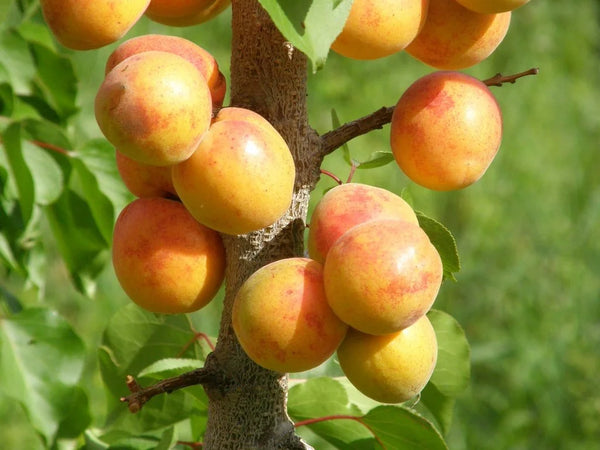
Goldrich produces large to very large apricots with bright orange skin, often with a red blush under good sun exposure. The flesh is firm, juicy, and richly flavored, balancing sweetness with enough acidity to give depth and character. It is excellent for fresh eating, slicing, drying, and preserves, and its size and firmness make it especially attractive for culinary and processing uses.
Growth Habit & Productivity
Trees are moderately vigorous with an upright to spreading growth habit and good structural strength. Goldrich is known for good productivity when pollinated well, though fruit thinning is often beneficial to maintain size and quality. Like many high-quality apricots, it benefits from thoughtful pruning and site selection.
Cold Hardiness
Sources site Goldrich as zone 4, but to err on the side of caution, it would be more prudent to list it as a zone 5. It has done well in Missoula, although we haven't seen temps colder than -30F in recent years. Its limit is probably -30F. It is not as cold-hardy as prairie province apricots or Manchurian-derived selections, but it is tougher than many standard commercial apricots. Its flower buds are moderately frost sensitive, so performance in colder regions depends heavily on site selection, air drainage, and avoidance of early spring warming (north slopes).
Other Notable Characteristics
Goldrich is well regarded for its resistance to brown rot relative to many apricots, which contributes to more reliable crops in wetter or more humid seasons.
Questions we get about Goldrich Apricot
Does Goldrich Apricot need a pollenizer?
Yes. Goldrich Apricot needs pollen from a different variety that blooms at about the same time. Goldrich needs a different apricot nearby as a pollenizer, and Perfection will not work for it. Pick another apricot that blooms around the same time. Partners we carry include Debbie's Gold Apricot, Tomcot Apricot, 3rd and Myrtle Apricot (Bundle of 2).
How cold hardy is Goldrich Apricot?
We rate Goldrich Apricot hardy to zone 4, which means winters down to about -30°F. Our ratings come from real winters at our two Montana sites and from trusted growers across the North, not from a catalog average.
How many chill hours does Goldrich Apricot need?
About 800 hours of winter chill (we count hours at or below 45°F), likely somewhere between 650 and 1,000. That comes from published figures for this variety. Montana winters cover its chill easily. Its flower buds are fairly frost sensitive, so bloom-time frost matters more than chill here. Our chill hours guide has a calculator for your winters, and our research page lists the sources.
How big does Goldrich Apricot get?
We graft Goldrich Apricot onto Lovell (full size), which makes a tree roughly 12 to 20 ft tall if you never prune it.
What is Goldrich Apricot good for?
Our top use scores for Goldrich Apricot are fresh eating (7/10), pies and baking (7/10), cooking and roasting (7/10), jams and jellies (7/10).
Is Goldrich Apricot disease resistant?
Somewhat. It holds up moderately well against bacterial canker, bacterial spot and brown rot. Nobody has published solid data on it for cytospora canker and shot hole yet, so we list those as unknown. Our apricot disease resistance chart has every rating, the notes and the sources.
Will deer eat Goldrich Apricot?
Sometimes. Deer browse Goldrich Apricot now and then, so protect young plants where deer pressure is high.
What arrives, and when does Goldrich Apricot ship?
A dormant bare-root plant, roots wrapped in moist sawdust with a vapor barrier, shipped or picked up in Missoula in spring. Sizes offered: 5-7 ft. Regular Grade. We guarantee our plants bud out. Stone fruits can be slow, so if one still has not budded out by August 15, write to us and we credit you for the following spring.
Pollination partners
Trees that will pollenize Goldrich Apricot
Goldrich Apricot needs a different apricot nearby to set fruit. Every tree below blooms at the same time and has pollen that works for it. Plant partners within about 100 feet.
Bloom group
3 of 7 (Early-Mid)
Pollination
Needs a partner
Pollen
Good pollenizer
-
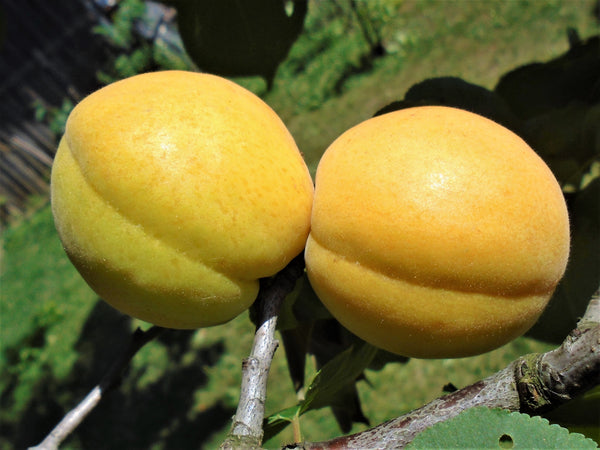 Debbie's Gold Apricot(Spring 2027)
From $54.99
Debbie's Gold Apricot(Spring 2027)
From $54.99
-
 Tomcot Apricot(Spring 2027)
From $49.99
Tomcot Apricot(Spring 2027)
From $49.99
-
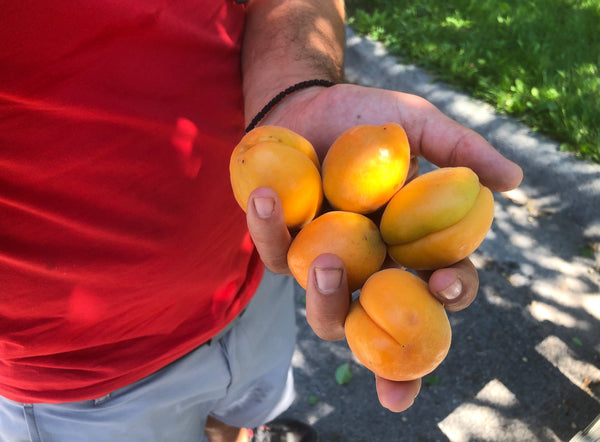 Morden 604 Apricot(Spring 2027)
From $49.99
Morden 604 Apricot(Spring 2027)
From $49.99
-
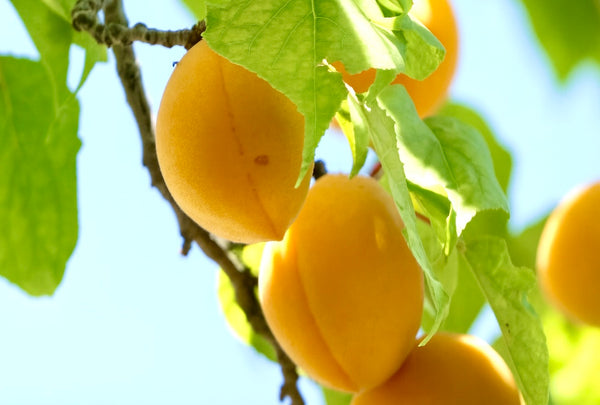 Westcot Apricot(Spring 2027)
From $49.99
Westcot Apricot(Spring 2027)
From $49.99
-
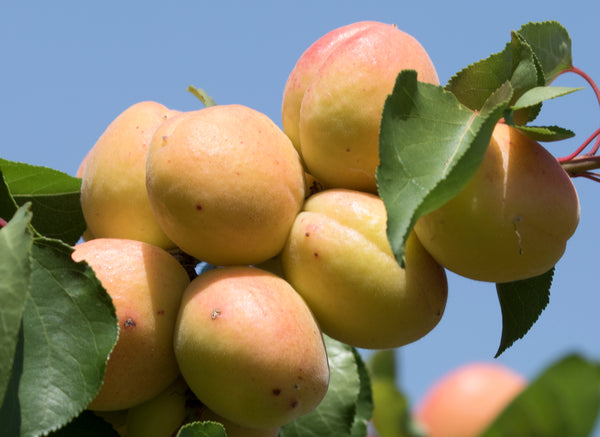 Corbett Apricot(Spring 2027)
From $69.99
Corbett Apricot(Spring 2027)
From $69.99
-
 Manchurian Apricot(Bundle of 2) | Spring 2027
From $69.99
Manchurian Apricot(Bundle of 2) | Spring 2027
From $69.99

See every pairing on the Apricot Pollination Map
Goldrich Apricot's bloom group is our best estimate. Watch it bloom and tell us what you see.
You may also like
Not available for spring 2027. Here's what we'd plant instead.
Goldrich Apricot is off the list this season. These are in stock now, and the full apricot trees collection has the rest. Everything on our zone 4 page is rated for the same winters.
Browse the apricot trees collection for what's in stock.