
Skip to product information


PF-24C Cold Hardy Peach
$89.99
Reliable shipping
Flexible returns
Pollination
Self-fertile
Bloom group
4 of 7 (Mid)
Ripening
Will it finish before your first hard freeze?
Check it on the Ripening Map (opens in a new tab)
Disease resistanceNo strong resistance
- 3 Bacterial spot : Moderate, 3 of 5
- ? Brown rot : Unknown, no published data yet
- ? Cytospora canker : Unknown, no published data yet
- ? Peach leaf curl : Unknown, no published data yet
- ? Shot hole : Unknown, no published data yet
Scored 1 to 5. Higher resists better, and ? means no published data yet.
See it on our peach and nectarine disease chart (opens in a new tab)At a glance: PF-24C Cold Hardy Peach is a peach tree rated hardy to zone 4b in our ratings (winters to -25°F), and self-fertile, so one tree can crop (bloom group 4 of 7, mid for a peach or nectarine).
| Hardy to | Zone 4b to 8. The b means the warmer half of zone 4 only (winters to -25°F). Find your zone with our cold hardiness calculator. |
|---|---|
| Chill hours | About 650 hours (600 to 800). From published figures. Montana winters give it plenty. In milder climates, make sure your winters average at least this much. Check your chill hours or see our sources. |
| Pollination | Self-Fertile. Bloom group 4 of 7 (mid), early spring here. Self-fertile, so a single tree will set fruit. No pollenizer needed. Nearby varieties that can boost the crop: Blushingstar Peach, Contender Peach, Glohaven Peach, Red Gold Nectarine and 10 more. Peach Pollination Map. |
| Rootstock and size | Lovell: full size, about 12 to 20 ft tall unpruned. Doesn't like wet feet or high-lime soil. Our rootstock guide. |
| Good for | Fresh eating (7/10), canning and freezing (7/10), pies and baking (6/10), sauce and butter (6/10). Scores are our own 1 to 10 ratings; 8 and up makes our Best Of lists. |
| Deer | Sometimes damaged by deer. |
| What you get | Bare root, 5-7 ft. Larger & More Branching. Shipped or picked up in Missoula in spring, roots wrapped in moist sawdust. Guaranteed to bud out. |
Overview
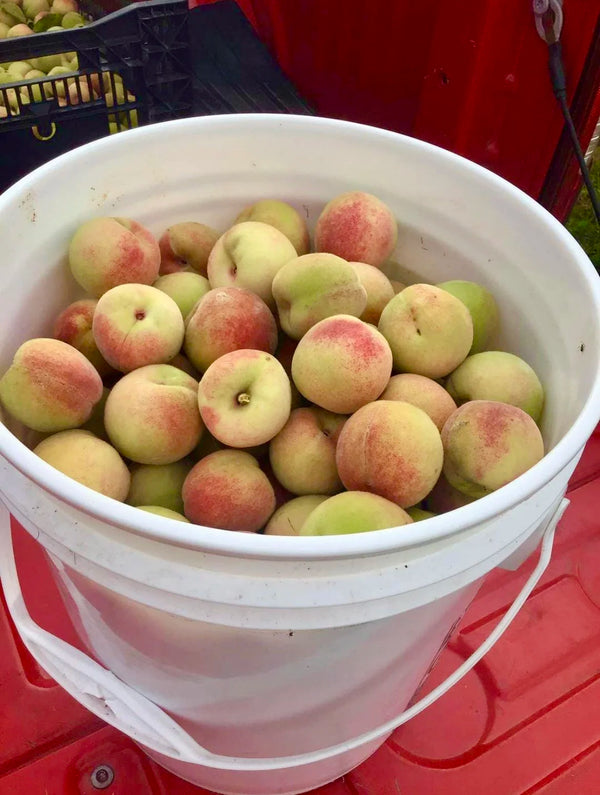
Another peach that is somewhat hardy—but nowhere near what many places online claim. PF-24C’s limbs naturally grow at wide angles, creating a wide-spreading tree. A highly colored red fruit that remains firm on (and off) the tree for an extended period, PF-24C also has a skin that's about 90% red over a greenish-yellow background. It has a very good acidic-sweet flavor.
Fruit Quality & Disease Resistance
Also great for keeping and shipping, PF-24C has good resistance to bacterial leaf spot. Self-fertile, but should be paired with Reliance or Blushingstar (if you’re in a colder area), or really any of our other peaches for a larger crop.
Cold Hardiness & Our Ranking
PF-24C is arguably one of the most cold-hardy peaches of the commercial varieties. Based on what we’ve seen firsthand in Montana and from our customers’ feedback, here’s how we’d rank the cold hardiness of peaches:
-
Selected Siberian Peach varieties
-
Possibly the Star series (like Risingstar, etc.)
We’ve stopped listing Reliance as one of the hardier peaches because—truth be told—it’s not. That said, PF-24C can survive to the low -20F's, possibly even -30F. Zone 4b.
Questions we get about PF-24C Cold Hardy Peach
Does PF-24C Cold Hardy Peach need a pollenizer?
No. PF-24C Cold Hardy Peach is self-fertile, so a single tree can set fruit. Self-fertile, so a single tree will set fruit. No pollenizer needed. Partners we carry include Blushingstar Peach, Contender Peach, Glohaven Peach.
How cold hardy is PF-24C Cold Hardy Peach?
We rate PF-24C Cold Hardy Peach hardy to zone 4b, which means winters down to about -25°F. Our ratings come from real winters at our two Montana sites and from trusted growers across the North, not from a catalog average.
How many chill hours does PF-24C Cold Hardy Peach need?
About 650 hours of winter chill (we count hours at or below 45°F), likely somewhere between 600 and 800. That comes from published figures for this variety. That's Utah State's figure, lower than most northern peaches. Plant it where spring warms slowly so it doesn't wake too early. Our chill hours guide has a calculator for your winters, and our research page lists the sources.
How big does PF-24C Cold Hardy Peach get?
We graft PF-24C Cold Hardy Peach onto Lovell (full size), which makes a tree roughly 12 to 20 ft tall if you never prune it.
What is PF-24C Cold Hardy Peach good for?
Our top use scores for PF-24C Cold Hardy Peach are fresh eating (7/10), canning and freezing (7/10), pies and baking (6/10), sauce and butter (6/10).
Is PF-24C Cold Hardy Peach disease resistant?
Somewhat. It holds up moderately well against bacterial spot. Nobody has published solid data on it for brown rot, cytospora canker, peach leaf curl and shot hole yet, so we list those as unknown. Our peach and nectarine disease resistance chart has every rating, the notes and the sources.
Will deer eat PF-24C Cold Hardy Peach?
Sometimes. Deer browse PF-24C Cold Hardy Peach now and then, so protect young plants where deer pressure is high.
What arrives, and when does PF-24C Cold Hardy Peach ship?
A dormant bare-root plant, roots wrapped in moist sawdust with a vapor barrier, shipped or picked up in Missoula in spring. Sizes offered: 5-7 ft. Larger & More Branching. We guarantee our plants bud out. Stone fruits can be slow, so if one still has not budded out by August 15, write to us and we credit you for the following spring.
Pollination partners
Good partners for PF-24C Cold Hardy Peach
PF-24C Cold Hardy Peach is self-fertile, so one tree will fruit on its own. If you'd like a second peach or nectarine, these bloom at the same time and work well together.
Bloom group
4 of 7 (Mid)
Pollination
Self-fertile
Pollen
Good pollenizer
-
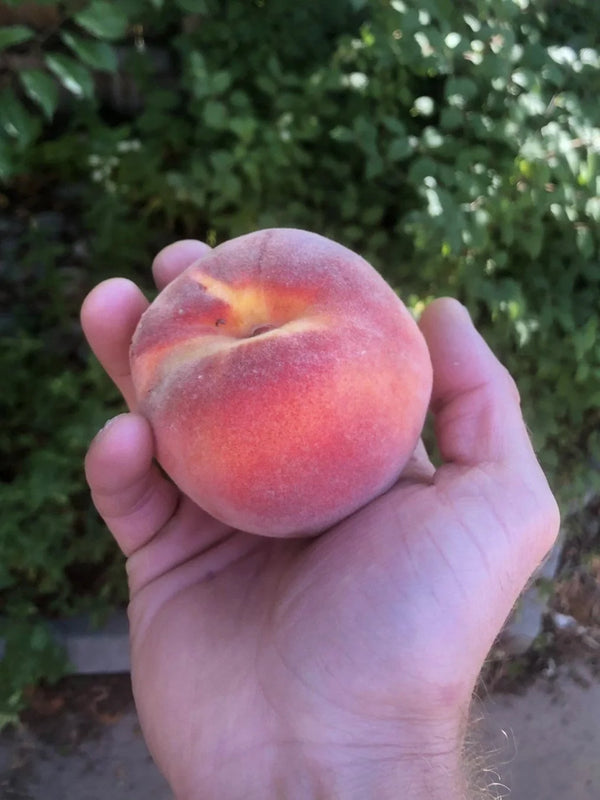 Contender Peach(Spring 2027)
From $54.99
-
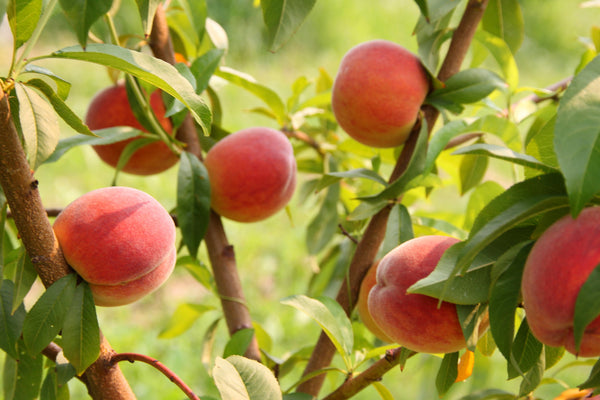 Glohaven Peach(Spring 2027)
From $64.99
-
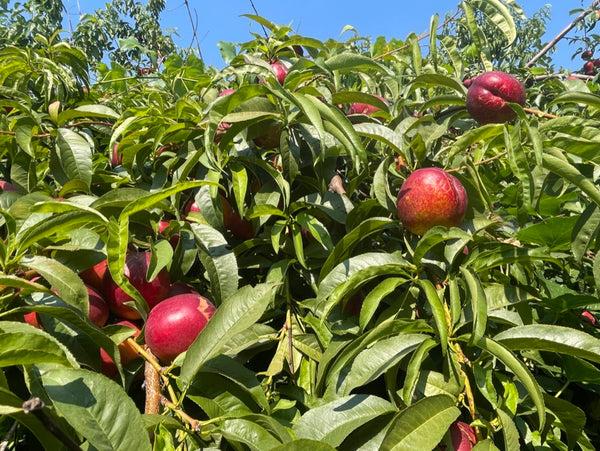 Fantasia Nectarine(Spring 2027)
From $64.99
-
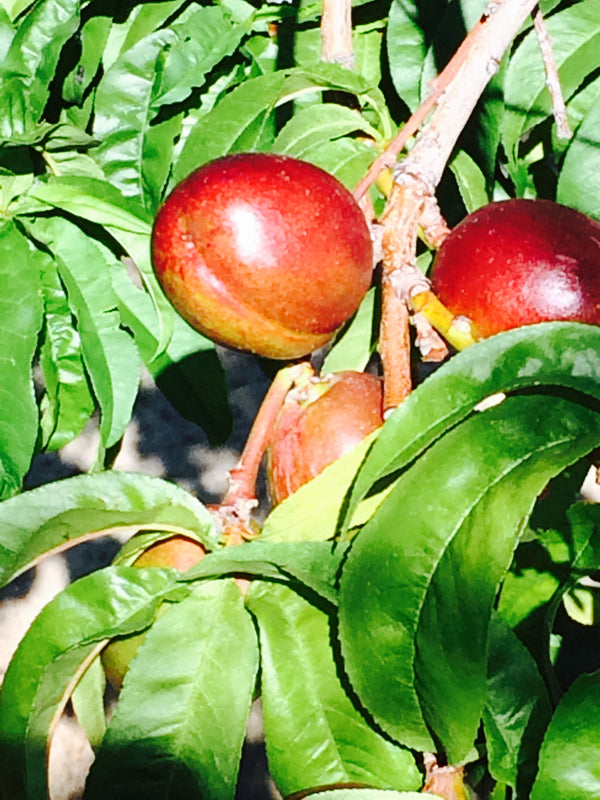 Flavortop Nectarine(Spring 2027)
From $64.99
-
 Siberian C Peach Seedling(Bundle of 2) | Spring 2027
From $109.99

You may also like
Not available for spring 2027. Here's what we'd plant instead.
PF-24C Cold Hardy Peach is off the list this season. These are in stock now, and the full peach trees collection has the rest. Everything on our zone 4 page is rated for the same winters.
Browse the peach trees collection for what's in stock.