
Skip to product information


Flavortop Nectarine (Spring 2027)
$64.99
Reliable shipping
Flexible returns
Pollination
Self-fertile
Bloom group
3 of 7 (Early-Mid)
Ripening
Will it finish before your first hard freeze?
Check it on the Ripening Map (opens in a new tab)
Disease resistanceNo strong resistance
- 2 Bacterial spot : Susceptible, 2 of 5
- ? Brown rot : Unknown, no published data yet
- ? Cytospora canker : Unknown, no published data yet
- ? Peach leaf curl : Unknown, no published data yet
Scored 1 to 5. Higher resists better, and ? means no published data yet.
See it on our peach and nectarine disease chart (opens in a new tab)At a glance: Flavortop Nectarine is a nectarine tree provisionally listed at zone 5 (winters to -20°F, and that's the absolute edge), self-fertile, so one tree can crop (bloom group 3 of 7, early-mid for a peach or nectarine), and it ripens about Aug 25 to Sep 6 in Missoula (our Missoula estimate).
| Hardy to | Zone 5 to 8. A bare number means the whole of zone 5, colder half included (winters to -20°F). Find your zone with our cold hardiness calculator. |
|---|---|
| Chill hours | About 800 hours (750 to 850). Well documented. Independent sources agree. Montana winters give it plenty. In milder climates, make sure your winters average at least this much. Check your chill hours or see our sources. |
| Pollination | Self-Fertile. Bloom group 3 of 7 (early-mid), early spring here. Self-fertile, so a single tree will set fruit. No pollenizer needed. Nearby varieties that can boost the crop: Fantasia Nectarine, Arctic Glo Nectarine, Blushingstar Peach, Contender Peach and 7 more. Nectarine Pollination Map. |
| Ripens | About Aug 25 to Sep 6 in Missoula (a Missoula estimate from published sources). Real years swing about a week either way. See the date for your town. |
| Rootstock and size | Krymsk 86: full size. Plant about 15 ft apart. Our rootstock guide. |
| Good for | Fresh eating (8/10), pies and baking (7/10), cooking and roasting (7/10), salads and slicing (6/10), canning and freezing (6/10), drying (6/10). Scores are our 1 to 10 ratings, but we're still new to this one, so they lean on published descriptions and other growers rather than our own harvests. 8 and up makes our Best Of lists. |
| Deer | Sometimes damaged by deer. |
| What you get | Bare root, 5-7 ft. Shipped or picked up in Missoula in spring, roots wrapped in moist sawdust. Guaranteed to bud out. |
This is our first year growing Flavortop, so everything below is secondhand until we get more long-term data from our own mother trees.
Overview
Flavortop is a big, firm, yellow freestone nectarine that's here for flavor, not toughness. It's one to grow in your warmest spot.
Origin and History
According to NC State Extension, Flavortop was developed by the USDA in Fresno, California and introduced in 1969.
Fruit and Uses
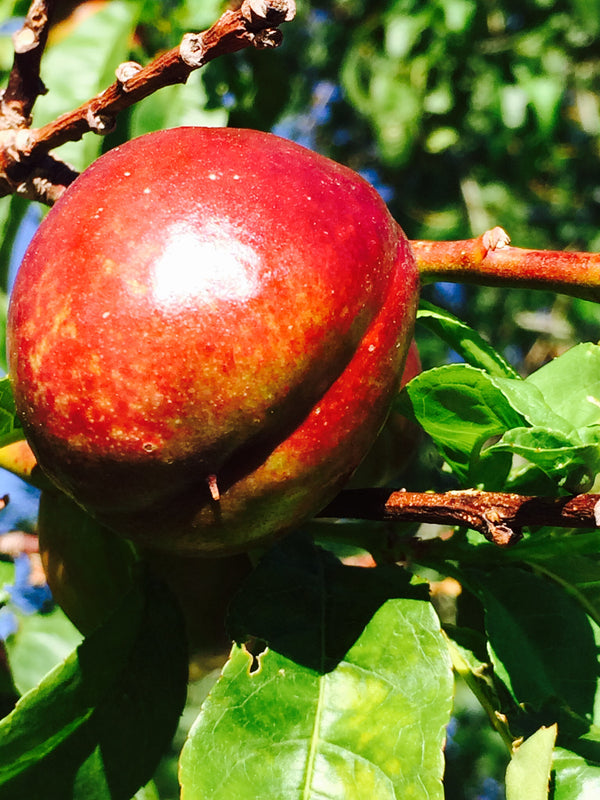
Rutgers describes it as medium to large, 90 to 100% crimson red over a greenish-yellow background, yellow-fleshed and freestone, "firm with a very good acidic flavor." The Ontario Ministry of Agriculture calls it "large, ovate and freestone with excellent quality." It ripens in early August in New Jersey, about ten days after Redhaven, and in early September at Geneva, New York. Cornell also noted that the flesh doesn't brown. It's a fresh-eating nectarine first.
Growth Habit and Spacing
Ours are on Krymsk 86, which makes a tree around 15 feet here. Plan on about 15 feet between trees, 12 if you prune hard or 18 with less pruning. Ontario says the trees "are vigorous but produce light crops," and Rutgers rates it moderately productive. The main disease issue is bacterial spot, which Rutgers says it's highly susceptible to.
Pollination
Flavortop is self-fertile, so one tree will set fruit.
Cold Hardiness
This isn't a hardy nectarine. The Ontario Ministry of Agriculture says the trees "are tender to winter cold," NC State rates it zone 6, and Cornell's freezing tests put its blossom buds a bit below Elberta. We have it listed at zone 5, and that's the absolute edge. Plant it in a warm, protected spot and expect to lose crops in hard winters.
Photo credit: USDA-ARS National Plant Germplasm System, National Clonal Germplasm Repository, Davis, California, accession PI 673781. Public domain (U.S. government work).
About the photo: this isn’t Flavortop itself. Photos of Flavortop are either under copyright or simply unavailable, so we picked the open-source image that looks closest to the fruit. Photo: “Nectarines” by Michelle Kassorla (profshelly1), via Flickr, licensed CC BY-SA 2.0. Other photo: “Flavortop, PI 673781, bloom (GRIN image FR7T49, 2016-02-26)” by USDA-ARS National Plant Germplasm System, National Clonal Germplasm Repository, Davis, California, via USDA GRIN, public domain.
Questions we get about Flavortop Nectarine
Does Flavortop Nectarine need a pollenizer?
No. Flavortop Nectarine is self-fertile, so a single tree can set fruit. Partners we carry include Fantasia Nectarine, Arctic Glo Nectarine, Blushingstar Peach.
How cold hardy is Flavortop Nectarine?
We list Flavortop Nectarine at zone 5, which means winters down to about -20°F, and that's the absolute edge. NC State rates it zone 6 and Ontario calls it tender to winter cold. We haven't wintered our own trees yet, so plant it in a warm, protected spot and expect to lose crops in hard winters.
How many chill hours does Flavortop Nectarine need?
About 800 hours of winter chill (we count hours at or below 45°F), likely somewhere between 750 and 850. That figure is well documented: independent sources agree. That's moderate chill, easily met here. Winter cold, not chill, is what limits this nectarine in Montana. Our chill hours guide has a calculator for your winters, and our research page lists the sources.
When does Flavortop Nectarine ripen?
About Aug 25 to Sep 6 in Missoula, Montana (an estimate built from published sources and our climate). Warmer places run earlier and cooler places later; our ripening map converts the date to your town.
How big does Flavortop Nectarine get?
We graft Flavortop Nectarine onto Krymsk 86 (full size). Plant about 15 ft apart.
What is Flavortop Nectarine good for?
Our top use scores for Flavortop Nectarine are fresh eating (8/10), pies and baking (7/10), cooking and roasting (7/10), salads and slicing (6/10). Since we're still new to it, those scores lean on published descriptions rather than our own harvests. Anything scored 8 or higher makes our Best Of lists.
Is Flavortop Nectarine disease resistant?
No. It's prone to bacterial spot. Nobody has published solid data on it for brown rot, cytospora canker and peach leaf curl yet, so we list those as unknown. Our peach and nectarine disease resistance chart has every rating, the notes and the sources.
Will deer eat Flavortop Nectarine?
Sometimes. Deer browse Flavortop Nectarine now and then, so protect young plants where deer pressure is high.
More Plants Like This
By Zone
Pollination, Bloom & Ripening
Pollination partners
Good partners for Flavortop Nectarine
Flavortop Nectarine is self-fertile, so one tree will fruit on its own. If you'd like a second peach or nectarine, these bloom at the same time and work well together.
Bloom group
3 of 7 (Early-Mid)
Pollination
Self-fertile
Pollen
Good pollenizer
-
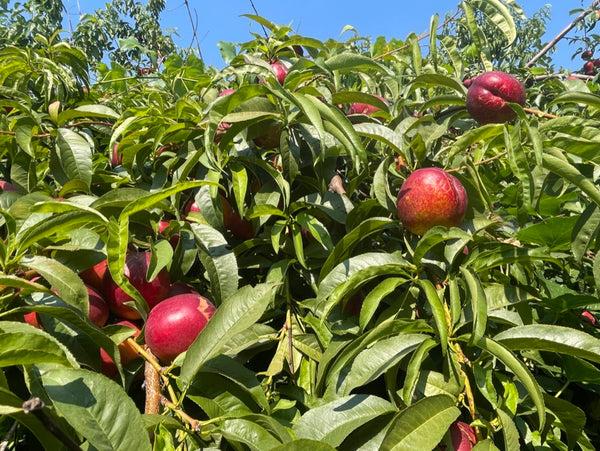 Fantasia Nectarine(Spring 2027)
From $64.99
-
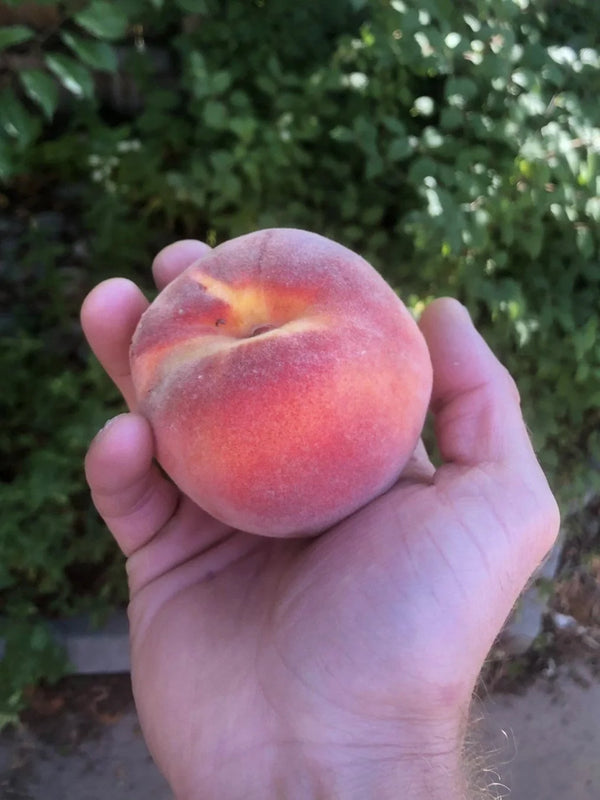 Contender Peach(Spring 2027)
From $54.99
-
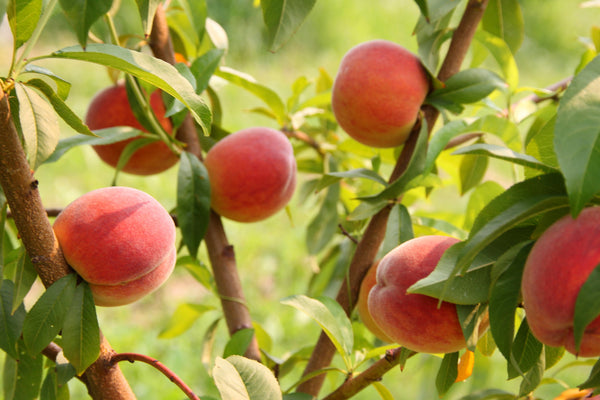 Glohaven Peach(Spring 2027)
From $64.99
-
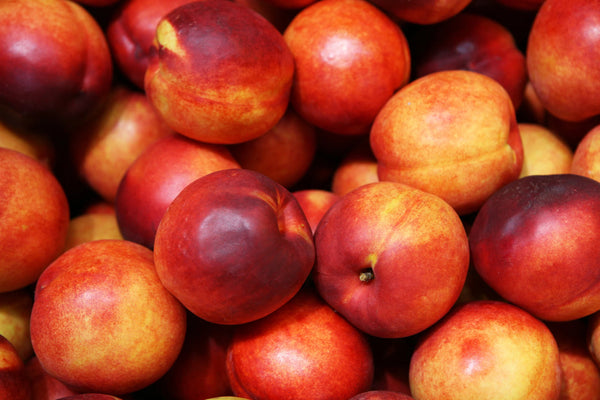 Hardired Nectarine(Spring 2027)
From $44.99
-
 Mericrest Nectarine(Spring 2027)
From $44.99

