
Skip to product information


Sandow Apple (Spring 2027)
$44.99
Reliable shipping
Flexible returns
Pollination
Needs a partner
Bloom group
5 of 7 (Mid-Late)
Ripening
Will it finish before your first hard freeze?
Check it on the Ripening Map (opens in a new tab)
Disease resistanceNot tested yet
- ? Apple scab : Unknown, no published data yet
- ? Cedar-apple rust : Unknown, no published data yet
- ? Fire blight : Unknown, no published data yet
- ? Powdery mildew : Unknown, no published data yet
Scored 1 to 5. Higher resists better, and ? means no published data yet.
See it on our apple disease chart (opens in a new tab)At a glance: Sandow Apple is an apple tree rated hardy to zone 3 from other growers' reports (winters to -40°F), not self-fertile, so it needs a different variety nearby as a pollenizer (bloom group 5 of 7, mid-late for an apple or crabapple), and it ripens about Oct 9 to Oct 21 in Missoula (our Missoula estimate).
| Hardy to | Zone 3 to 7. A bare number means the whole of zone 3, colder half included (winters to -40°F). Find your zone with our cold hardiness calculator. |
|---|---|
| Chill hours | About 1,000 hours (800 to 1,300). Seedlings vary, so this is based on the parent tree. Montana winters give it plenty. In milder climates, make sure your winters average at least this much. Check your chill hours or see our sources. |
| Pollination | Needs Cross-Pollination. Bloom group 5 of 7 (mid-late), late spring here. Not self-fertile. Plant a different apple or crabapple variety nearby that blooms at about the same time (bloom groups 4 to 6 on our chart). Good partners we carry: Black Oxford Apple, Honeycrisp Apple, Northern Spy Apple, Oriole Apple and 70 more. Bloom group is our estimate from the variety's origin and relatives. Apple Pollination Map. |
| Ripens | About Oct 9 to Oct 21 in Missoula (a Missoula estimate from published sources). Real years swing about a week either way. See the date for your town. |
| Rootstock and size | Bud 118: semi-dwarf in our dry Montana soils, semi-standard on paper, about 12 to 18 ft tall unpruned. Stands on its own, few suckers. Plant about 15 ft apart. Our rootstock guide. |
| Good for | Fresh eating (7/10), pies and baking (6/10), winter storage (6/10). Scores are our 1 to 10 ratings, but we're still new to this one, so they lean on published descriptions and other growers rather than our own harvests. 8 and up makes our Best Of lists. |
| Deer | A deer favorite. Fence it or cage it. |
| What you get | Bare root, 3-4 ft or 4-6 ft. Shipped or picked up in Missoula in spring, roots wrapped in moist sawdust. Guaranteed to bud out. |
This is our first year growing Sandow, so everything below is secondhand until we get more long-term data from our own mother trees.
Overview
Sandow is an open-pollinated seedling of Northern Spy raised at the Central Experimental Farm in Ottawa. It bears younger than Spy and it's a bit hardier, and the fruit is a crisp, juicy, red-washed winter apple.
Origin and History
The seed came from apples that fruited at the Central Experimental Farm in 1898, according to W.T. Macoun's The Apple in Canada (1916). Those crosses weren't made by hand, so the other parent is unknown. It was first described in the Farm's 1912 report and officially introduced in 1935. For a while nurseries had it wrong. An Ontario bulletin from the early 1940s said "somehow most of our nurseries have had something else instead of Sandow," though it added that true stock was available by then.
Fruit and Uses
The original 1912 Ottawa description reads: medium size, roundish and ribbed, yellow "well washed with deep crimson," with yellowish flesh that's "crisp, tender, juicy," subacid, sprightly and pleasant, and a season of "December to late winter." M.B. Davis at Ottawa wrote that the fruit "is of good size, highly coloured, well finished and very high in quality." St. Lawrence Nurseries describes it as aromatic, juicy and crisp "with a nice, tart 'snap.'" It's picked from late September to early October, and a 1947 Quebec catalog said it keeps in storage until April. It's mainly a fresh-eating apple, and some growers use it for pies. One warning: like Spy, it's subject to bitter pit.
Growth Habit and Spacing
Ours are on Bud 118 semi-dwarf rootstock. Plan on about 15 feet between trees, up to 18 feet for airflow. Davis said it "bears earlier than Spy, on a strong vigorous tree," which is a big deal if you've ever waited on a Spy. The tree grows upright and is known to be a little hard to train. It's reported to handle scab better than Spy. If you topwork, a 1952 Canadian government bulletin found Virginia Crab incompatible as a frame for Sandow.
Pollination
Sandow needs a pollenizer. We're estimating it blooms mid to mid-late, so pair it with something like Honeycrisp, Wealthy, Black Oxford, Oriole, Prairie Spy or Haralson.
Cold Hardiness
St. Lawrence Nurseries in northern New York rates Sandow to -40F "with occasional winter injury." Most of the Canadian sources put it hardier than Spy but not as hardy as McIntosh. That lines up with our zone 3 listing, but it's right at the edge, so give it a good site if you see -40F.
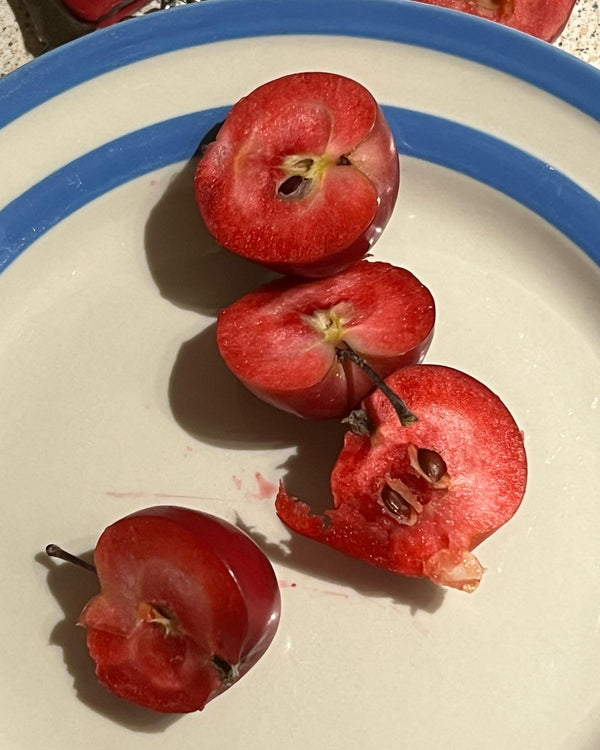
Photo credit: “Cross section of Sandow” by the National Fruit Collection, Brogdale, via Wikimedia Commons, licensed under the Open Government Licence v2.0.
Questions we get about Sandow Apple
Does Sandow Apple need a pollenizer?
Yes. Sandow Apple needs pollen from a different variety that blooms at about the same time. Plant a different apple or crabapple variety nearby that blooms at about the same time (bloom groups 4 to 6 on our chart). Partners we carry include Black Oxford Apple, Honeycrisp Apple, Northern Spy Apple.
How cold hardy is Sandow Apple?
We list Sandow Apple at zone 3, which means winters down to about -40°F. That comes from St. Lawrence Nurseries, which rates it to -40°F with occasional winter injury, not from our own winters yet. It's right at the edge, so give it a good site if you see -40°F.
How many chill hours does Sandow Apple need?
About 1,000 hours of winter chill (we count hours at or below 45°F), likely somewhere between 800 and 1,300. Seedlings vary, so that's based on the parent, Northern Spy. Our chill hours guide has a calculator for your winters, and our research page lists the sources.
When does Sandow Apple ripen?
About Oct 9 to Oct 21 in Missoula, Montana (an estimate built from published sources and our climate). Warmer places run earlier and cooler places later; our ripening map converts the date to your town.
How big does Sandow Apple get?
We graft Sandow Apple onto Bud 118 (semi-dwarf in our dry Montana soils, semi-standard on paper), which makes a tree roughly 12 to 18 ft tall if you never prune it. Plant about 15 ft apart.
What is Sandow Apple good for?
Our top use scores for Sandow Apple are fresh eating (7/10), pies and baking (6/10), winter storage (6/10). Since we're still new to it, those scores lean on published descriptions rather than our own harvests.
Is Sandow Apple disease resistant?
We don't know yet. Nobody has published solid disease data on Sandow Apple for apple scab, cedar-apple rust, fire blight and powdery mildew, so we list it as unknown instead of guessing. That doesn't mean it's weak. Plenty of the plants we grow have never been through formal disease trials. Our apple disease resistance chart has every rating, the notes and the sources.
Will deer eat Sandow Apple?
Yes, deer love it. Protect Sandow Apple with a fence or a cage, especially while it is young.
Pollination partners
Trees that will pollenize Sandow Apple
Sandow Apple needs a different apple or crabapple nearby to set fruit. Every tree below blooms at the same time and has pollen that works for it. Plant partners within about 100 feet.
Bloom group
5 of 7 (Mid-Late)
Pollination
Needs a partner
Pollen
Not tested yet
-
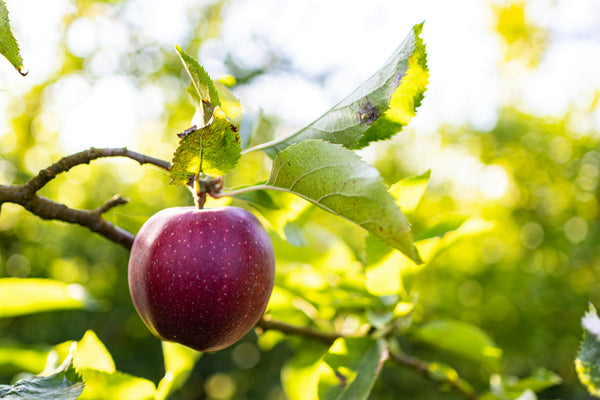 Black Oxford Apple(Spring 2027)
From $44.99
-
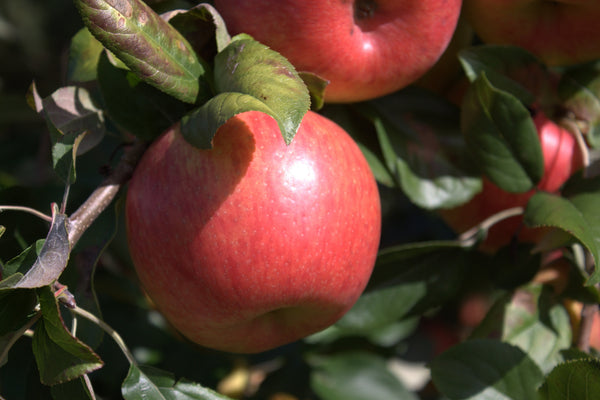 Honeycrisp Apple(Spring 2027)
From $59.99
-
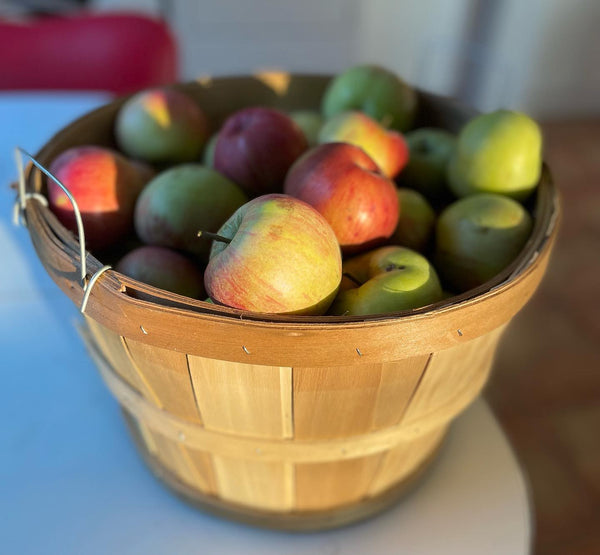 Northern Spy Apple(Spring 2027)
From $39.99
-
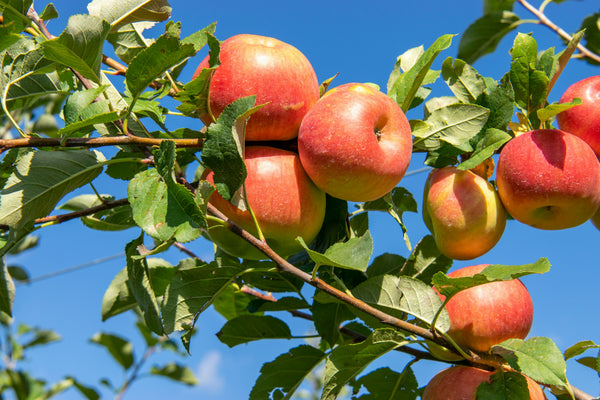 Oriole Apple(Spring 2027)
From $49.99
-
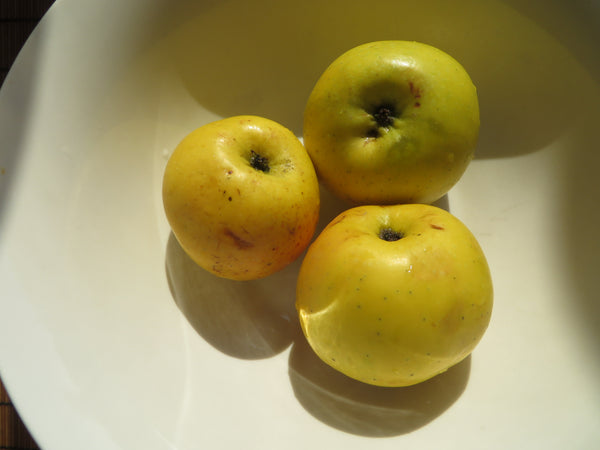 Reinette Simirenko Apple(Spring 2027)
From $44.99
-
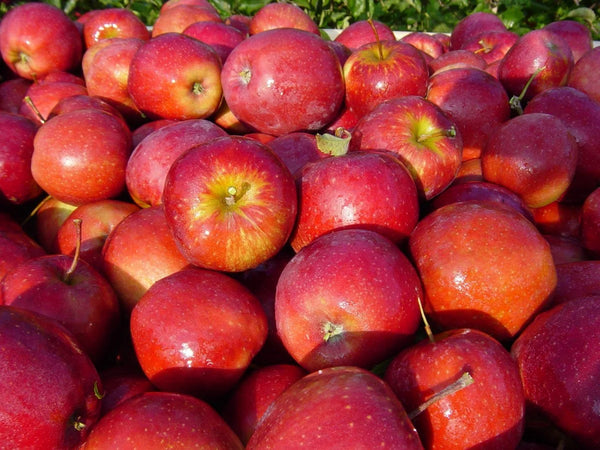 Spencer Apple(Spring 2027)
From $49.99
-
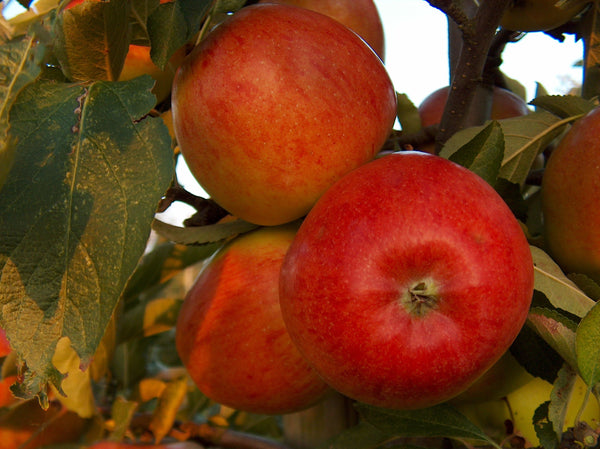 Sweet Sixteen Apple(Spring 2027)
From $44.99
-
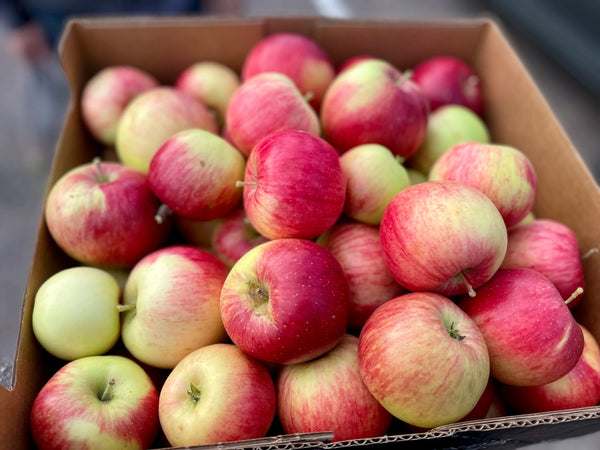 Wealthy Apple(Spring 2027)
From $59.99
-
 MN 1628 Apple(Spring 2027)
$89.99
See every pairing on the Apple Pollination Map
Sandow Apple's bloom group is our best estimate. Watch it bloom and tell us what you see.