Skip to product information


Thunderbolt Apple (Spring 2027)
$49.99
Reliable shipping
Flexible returns
Pollination
Needs a partner
Bloom group
5 of 7 (Mid-Late)
Ripening
Will it finish before your first hard freeze?
Check it on the Ripening Map (opens in a new tab)
Disease resistanceNot tested yet
- ? Apple scab : Unknown, no published data yet
- ? Cedar-apple rust : Unknown, no published data yet
- ? Fire blight : Unknown, no published data yet
- ? Powdery mildew : Unknown, no published data yet
Scored 1 to 5. Higher resists better, and ? means no published data yet.
See it on our apple disease chart (opens in a new tab)At a glance: Thunderbolt Apple is an apple tree provisionally rated hardy to zone 4 from its Colorado record (winters to -30°F), and not self-fertile, so it needs a different variety nearby as a pollenizer (bloom group 5 of 7, mid-late for an apple or crabapple).
| Hardy to | Zone 4 to 8. A bare number means the whole of zone 4, colder half included (winters to -30°F). Find your zone with our cold hardiness calculator. |
|---|---|
| Chill hours | About 1,000 hours (800 to 1,200). Our estimate. No published figure exists for this variety yet. Montana winters give it plenty. In milder climates, make sure your winters average at least this much. Check your chill hours or see our sources. |
| Pollination | Needs Cross-Pollination. Bloom group 5 of 7 (mid-late), late spring here. Not self-fertile. Plant a different apple or crabapple variety nearby that blooms at about the same time (bloom groups 4 to 6 on our chart). Good partners we carry: Black Oxford Apple, Honeycrisp Apple, Northern Spy Apple, Oriole Apple and 70 more. Apple Pollination Map. |
| Rootstock and size | Bud 118: semi-dwarf in our dry Montana soils, semi-standard on paper, about 12 to 18 ft tall unpruned. Stands on its own, few suckers. Plant about 15 ft apart. Our rootstock guide. |
| Good for | Winter storage (9/10), sauce and butter (8/10), fresh eating (7/10), cooking and roasting (7/10), canning and freezing (7/10), jams and jellies (7/10). Scores are our 1 to 10 ratings, but we're still new to this one, so they lean on published descriptions and other growers rather than our own harvests. 8 and up makes our Best Of lists. |
| Deer | A deer favorite. Fence it or cage it. |
| What you get | Bare root, 3-5 ft. Shipped or picked up in Missoula in spring, roots wrapped in moist sawdust. Guaranteed to bud out. |
This is our first year growing Thunderbolt, so everything below comes from other people's work rather than our own observations here. We will update it once we have fruit and a few winters behind us.
Overview
Thunderbolt is a big, dark red winter apple that was effectively lost for decades before the Montezuma Orchard Restoration Project tracked it back down in southwest Colorado. It is firm, sharp, and built for storage, and it is one of the more striking apples we have ever put in the ground.
Origin and History
Thunderbolt, also known as Hoover, was one of the apples that made Montezuma County, Colorado famous for fruit around the turn of the last century. It was a favorite of Jasper Hall, an early grower known locally as the Fruit Wizard of Montezuma County. The variety slipped out of commerce as old orchards were pulled and replanted to Red Delicious, and for years it existed mostly as a name in old records. Jude and Addie Schuenemeyer of MORP first ran across it in a magazine published in 1909 by a Denver writer named Lillian Hartman, and then spent years hunting for a living tree. They eventually found it in the remnant of an old orchard, grafted everything they could, and only confirmed it later when one of those trees matched another Thunderbolt they had collected north of Cortez.
Fruit and Uses
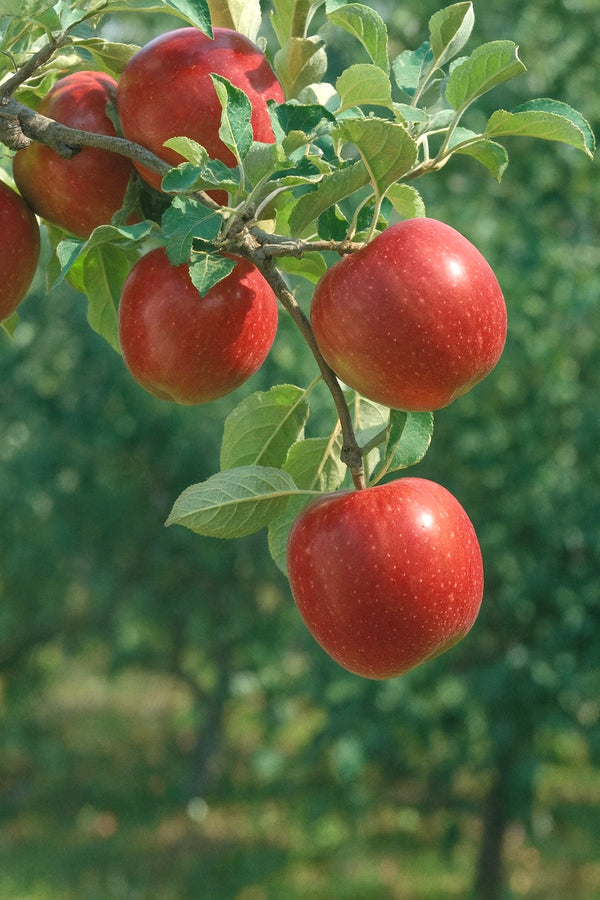
The fruit is large and nearly maroon, with white speckles and flecks of golden brown across the top. The flesh is firm and briskly acidic. This is not an apple to eat off the tree in September. Pick it after a good frost and put it away, because the flavor keeps improving in storage and it will hold most of the winter. That acid makes it useful well beyond fresh eating, so sauce, pies, canning and cider all work.
Growth Habit and Spacing
We are offering Thunderbolt on Bud 118 semi-dwarf rootstock, so plan on roughly 15 feet between trees, or up to 18 feet if you want more airflow and less pruning pressure down the road.
Pollination
Thunderbolt needs a pollenizer. It blooms mid to late, so pair it with another apple in that window. Northern Spy, Arkansas Black, Honeycrisp and Macoun all overlap, as do most of our crabapples.
Cold Hardiness
We are listing it at zone 4 for now, which is where the Colorado record puts it. We have no Montana winter data on it yet, so if you are in a cold pocket of the western valleys or anywhere east of the divide, give it a good site out of frost pooling until we know more.
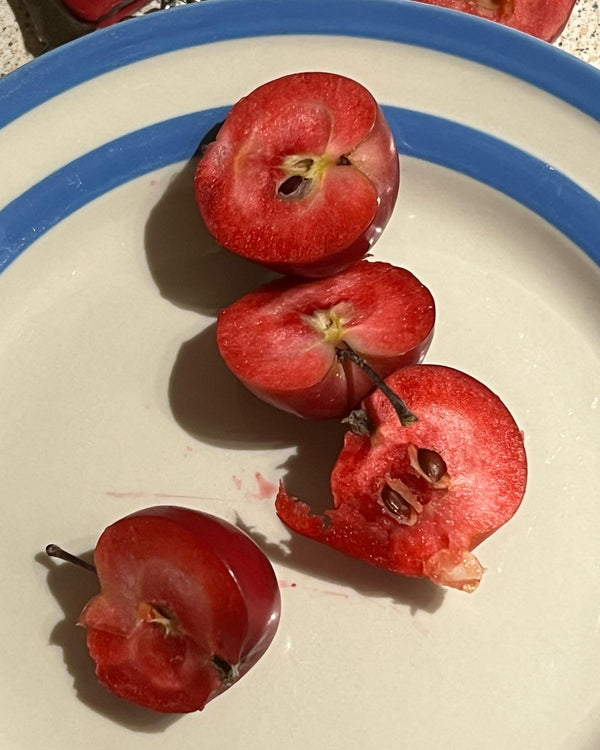
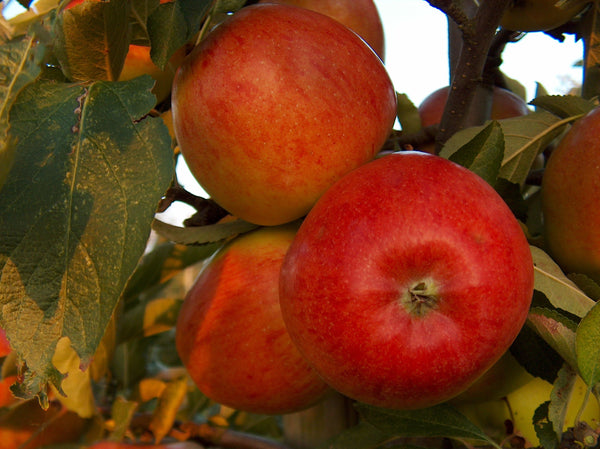
About the photo: this isn’t Thunderbolt itself. Photos of Thunderbolt are either under copyright or simply unavailable, so we picked the open-source image that looks closest to the fruit. Photo by Marek Studzinski, via Unsplash, under the Unsplash License.
Questions we get about Thunderbolt Apple
Does Thunderbolt Apple need a pollenizer?
Yes. Thunderbolt Apple needs pollen from a different variety that blooms at about the same time. Plant a different apple or crabapple variety nearby that blooms at about the same time (bloom groups 4 to 6 on our chart). Partners we carry include Black Oxford Apple, Honeycrisp Apple, Northern Spy Apple.
How cold hardy is Thunderbolt Apple?
We list Thunderbolt Apple at zone 4 for now, which means winters down to about -30°F. That's where its Colorado record puts it. We don't have Montana winter data on it yet, so give it a good site out of frost pooling until we know more.
How many chill hours does Thunderbolt Apple need?
About 1,000 hours of winter chill (we count hours at or below 45°F), likely somewhere between 800 and 1,200. Nobody has published a chill figure for it, so that's our estimate from its relatives and origin. Our chill hours guide has a calculator for your winters, and our research page lists the sources.
How big does Thunderbolt Apple get?
We graft Thunderbolt Apple onto Bud 118 (semi-dwarf in our dry Montana soils, semi-standard on paper), which makes a tree roughly 12 to 18 ft tall if you never prune it. Plant about 15 ft apart.
What is Thunderbolt Apple good for?
Our top use scores for Thunderbolt Apple are winter storage (9/10), sauce and butter (8/10), fresh eating (7/10), cooking and roasting (7/10). Since we're still new to it, those scores lean on MORP's notes rather than our own harvests. Anything scored 8 or higher makes our Best Of lists.
Is Thunderbolt Apple disease resistant?
We don't know yet. Nobody has published solid disease data on Thunderbolt Apple for apple scab, cedar-apple rust, fire blight and powdery mildew, so we list it as unknown instead of guessing. That doesn't mean it's weak. Plenty of the plants we grow have never been through formal disease trials. Our apple disease resistance chart has every rating, the notes and the sources.
Will deer eat Thunderbolt Apple?
Yes, deer love it. Protect Thunderbolt Apple with a fence or a cage, especially while it is young.
What arrives, and when does Thunderbolt Apple ship?
A dormant bare-root plant, roots wrapped in moist sawdust with a vapor barrier, shipped or picked up in Missoula in spring. Sizes offered: 3-5 ft. We guarantee our plants bud out. Stone fruits can be slow, so if one still has not budded out by August 15, write to us and we credit you for the following spring.
Pollination partners
Trees that will pollenize Thunderbolt Apple
Thunderbolt Apple needs a different apple or crabapple nearby to set fruit. Every tree below blooms at the same time and has pollen that works for it. Plant partners within about 100 feet.
Bloom group
5 of 7 (Mid-Late)
Pollination
Needs a partner
Pollen
Not tested yet
-
 Black Oxford Apple(Spring 2027)
From $44.99
-
 Honeycrisp Apple(Spring 2027)
From $59.99
-
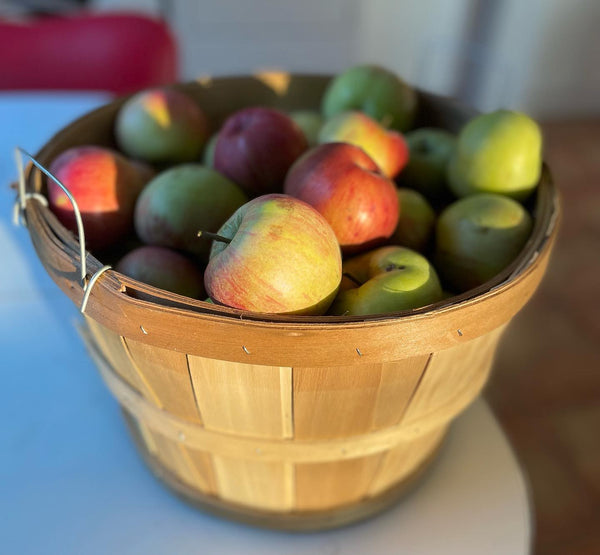 Northern Spy Apple(Spring 2027)
From $39.99
-
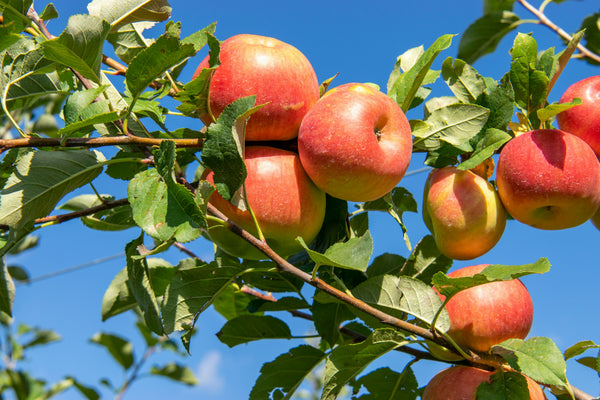 Oriole Apple(Spring 2027)
From $49.99
-
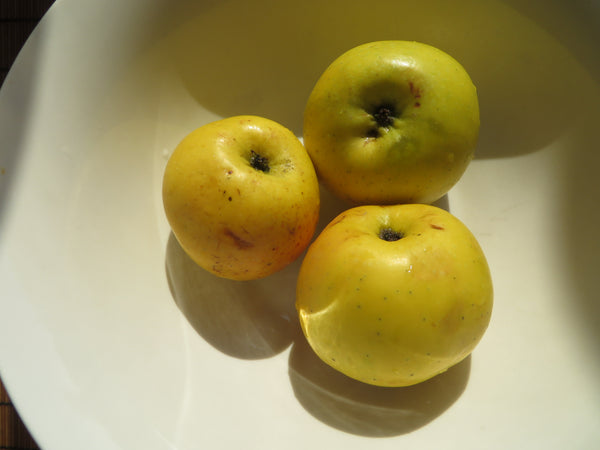 Reinette Simirenko Apple(Spring 2027)
From $44.99
-
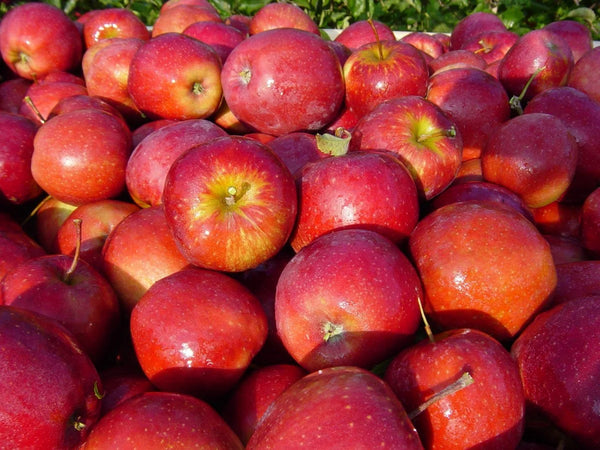 Spencer Apple(Spring 2027)
From $49.99
-
 Sweet Sixteen Apple(Spring 2027)
From $44.99
-
 Wealthy Apple(Spring 2027)
From $59.99
-
 MN 1628 Apple(Spring 2027)
$89.99
-
 Sandow Apple(Spring 2027)
From $44.99