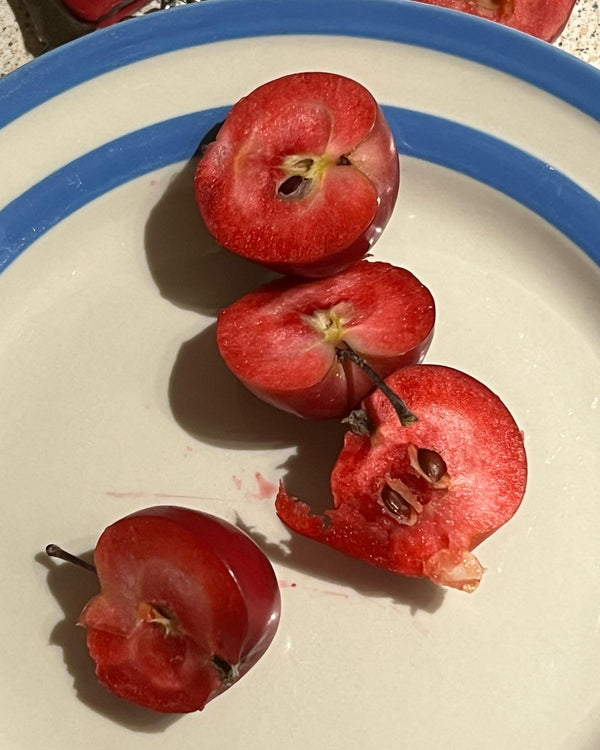
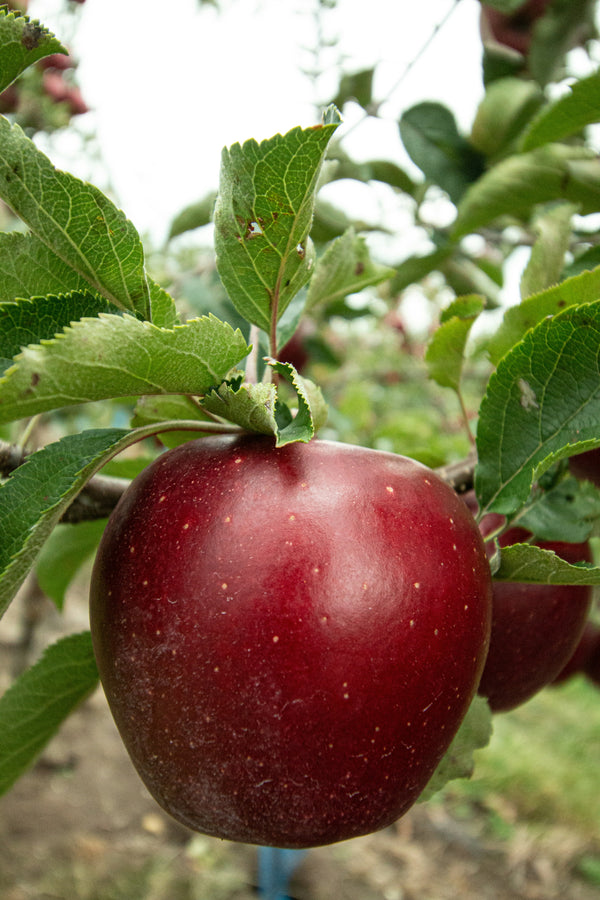
Skip to product information


Prairie Spy Apple (Spring 2027)
$59.99
Reliable shipping
Flexible returns
Pollination
Needs a partner
Bloom group
5 of 7 (Mid-Late)
Ripening
Will it finish before your first hard freeze?
Check it on the Ripening Map (opens in a new tab)At a glance: Prairie Spy Apple is an apple tree rated hardy to zone 3 in our ratings (winters to -40°F), not self-fertile, so it needs a different variety nearby as a pollenizer (bloom group 5 of 7, mid-late for an apple or crabapple), and it ripens about Oct 5 to Oct 17 in Missoula (our Missoula estimate).
| Hardy to | Zone 3 to 8. A bare number means the whole of zone 3, colder half included (winters to -40°F). Find your zone with our cold hardiness calculator. |
|---|---|
| Pollination | Needs Cross-Pollination. Bloom group 5 of 7 (mid-late), late spring here. Plant a different apple or crabapple variety that blooms in groups 4 to 6. It has good pollen, so it can also pollenize other apples blooming at the same time. Good partners we carry: Black Oxford Apple, Honeycrisp Apple, Northern Spy Apple, Oriole Apple and 70 more. Apple Pollination Map. |
| Ripens | About Oct 5 to Oct 17 in Missoula (a Missoula estimate from published sources). Real years swing about a week either way. See the date for your town. |
| Rootstock and size | M26: dwarf to semi-dwarf, about 8 to 14 ft tall unpruned. Stake it the first few years. Our rootstock guide. |
| Good for | Pies and baking (8/10), winter storage (8/10), cooking and roasting (7/10), canning and freezing (7/10), drying (7/10), fresh eating (6/10). Scores are our own 1 to 10 ratings; 8 and up makes our Best Of lists. |
| Deer | A deer favorite. Fence it or cage it. |
| What you get | Bare root, 3-5 ft. Shipped or picked up in Missoula in spring, roots wrapped in moist sawdust. Guaranteed to bud out. |
Overview
Prairie Spy is a cold-climate apple valued for its late-ripening fruit, strong storage qualities, and reliable performance in northern regions. It is often compared to Northern Spy types for its keeping ability and structure, but with improved suitability for colder continental climates.
History & Parentage
Developed in 1943 under the name Minnesota 1007 at the University of Minnesota's Fruit Breeding Farm in Excelsior, Minnesota (U.S.A.). Released in 1940. Likely an open pollinated seedling of Northern Spy .
Fruit Quality & Uses
The fruit is typically large, firm, and tart, with flavor that improves notably after storage. Luke really liked it when he tried it at Bob's Purvis' for the first time back in 2022. It had been in storage, however, and Bob noted that the flavor is bland off the tree but that it improves markedly in storage. Great keeper.
Ripening Window
Prairie Spy ripens late in the season, generally in the fall, and benefits from full maturity to develop its best flavor and storage potential. In colder regions, this makes good site selection and sufficient growing season important.
Growth Habit & Spacing
Trees are generally vigorous with a traditional apple growth habit. Standard apple spacing based on rootstock applies, with wider spacing helpful for airflow and long-term tree health in colder, more humid spring conditions.
Pollination
Prairie Spy is not self-fertile and requires cross-pollination. Any compatible apple or crabapple with overlapping bloom will work, making it easy to pair within a mixed cold-climate orchard.
Cold Hardiness
Hardy to at least -40F making it a solid zone 3 apple. However, Ed Schultz noted that his Prairie Spy did not shut down at his location in Gallatin Gateway, which resulted in the tree succumbing to winter injury from severe early fall frosts.
Questions we get about Prairie Spy Apple
Does Prairie Spy Apple need a pollenizer?
Yes. Prairie Spy Apple needs pollen from a different variety that blooms at about the same time. Plant a different apple or crabapple variety that blooms in groups 4 to 6. It has good pollen, so it can also pollenize other apples blooming at the same time. Partners we carry include Black Oxford Apple, Honeycrisp Apple, Northern Spy Apple.
How cold hardy is Prairie Spy Apple?
We rate Prairie Spy Apple hardy to zone 3, which means winters down to about -40°F. Our ratings come from real winters at our two Montana sites and from trusted growers across the North, not from a catalog average.
When does Prairie Spy Apple ripen?
About Oct 5 to Oct 17 in Missoula, Montana (an estimate built from published sources and our climate). Warmer places run earlier and cooler places later; our ripening map converts the date to your town.
How big does Prairie Spy Apple get?
We graft Prairie Spy Apple onto M26 (dwarf to semi-dwarf), which makes a tree roughly 8 to 14 ft tall if you never prune it.
What is Prairie Spy Apple good for?
Our top use scores for Prairie Spy Apple are pies and baking (8/10), winter storage (8/10), cooking and roasting (7/10), canning and freezing (7/10). Anything scored 8 or higher makes our Best Of lists.
Will deer eat Prairie Spy Apple?
Yes, deer love it. Protect Prairie Spy Apple with a fence or a cage, especially while it is young.
Pollination partners
Trees that will pollenize Prairie Spy Apple
Prairie Spy Apple needs a different apple or crabapple nearby to set fruit. Every tree below blooms at the same time and has pollen that works for it. Plant partners within about 100 feet.
Bloom group
5 of 7 (Mid-Late)
Pollination
Needs a partner
Pollen
Good pollenizer
-
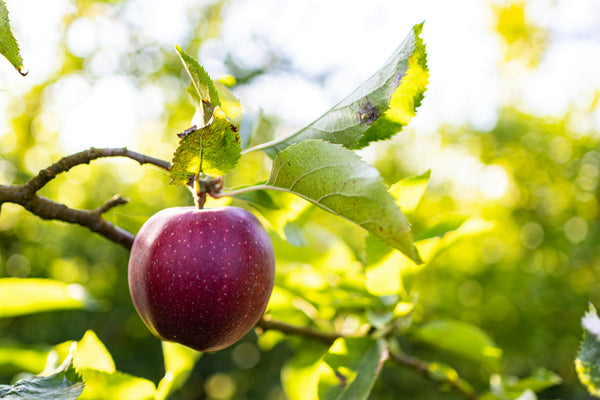 Black Oxford Apple(Spring 2027)
From $44.99
-
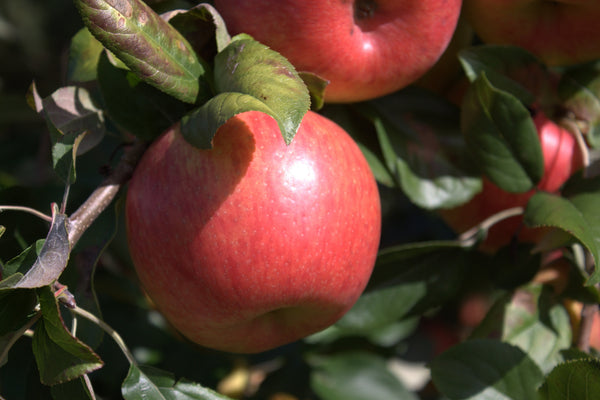 Honeycrisp Apple(Spring 2027)
From $59.99
-
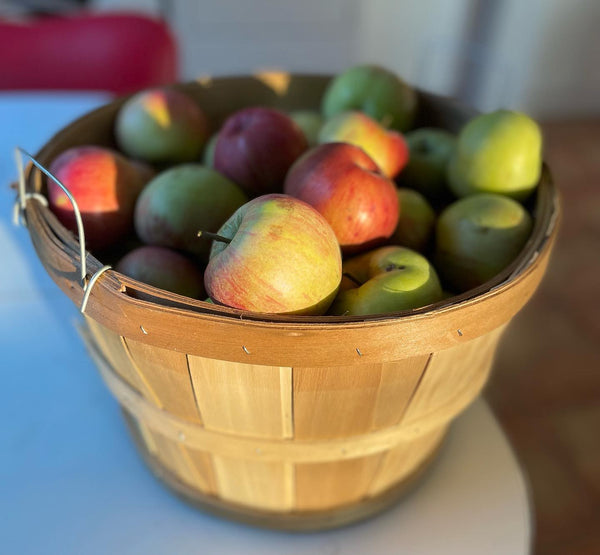 Northern Spy Apple(Spring 2027)
From $39.99
-
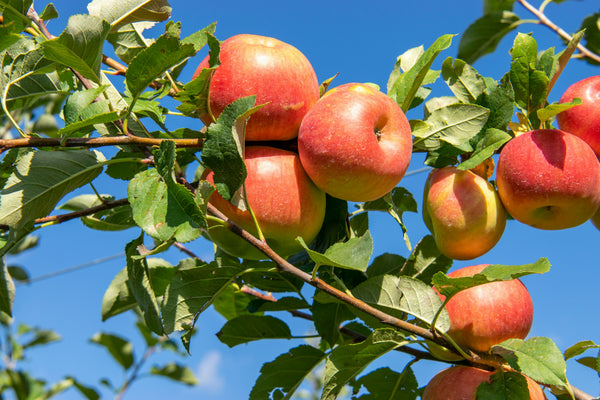 Oriole Apple(Spring 2027)
From $49.99
-
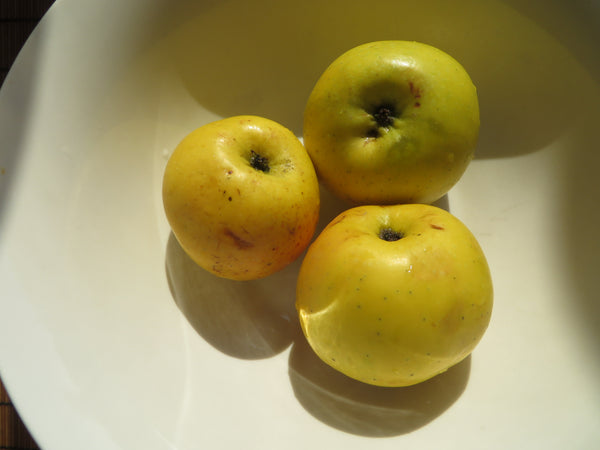 Reinette Simirenko Apple(Spring 2027)
From $44.99
-
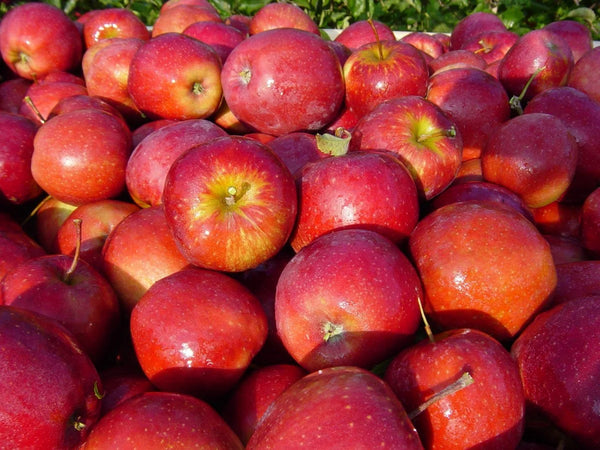 Spencer Apple(Spring 2027)
From $49.99
-
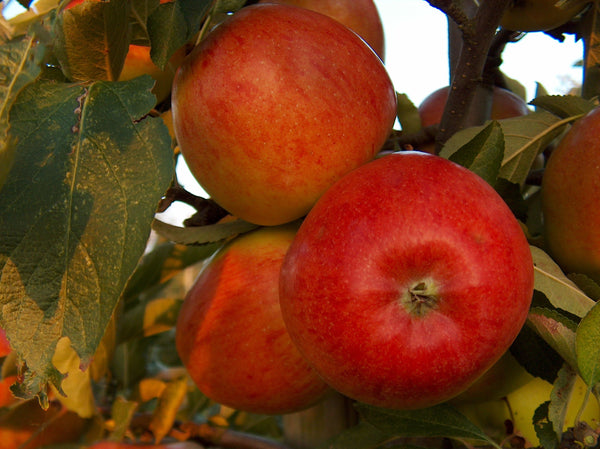 Sweet Sixteen Apple(Spring 2027)
From $44.99
-
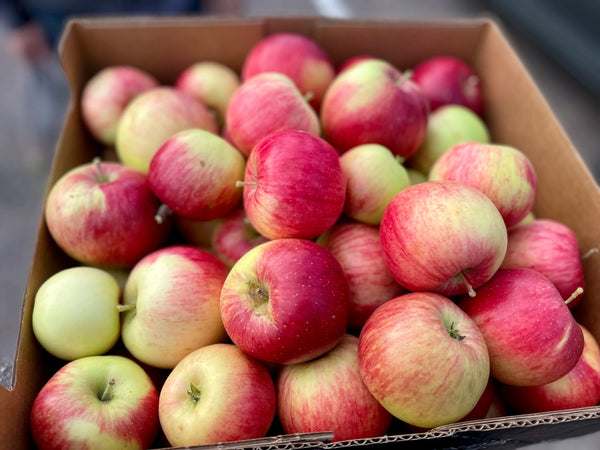 Wealthy Apple(Spring 2027)
From $59.99
-
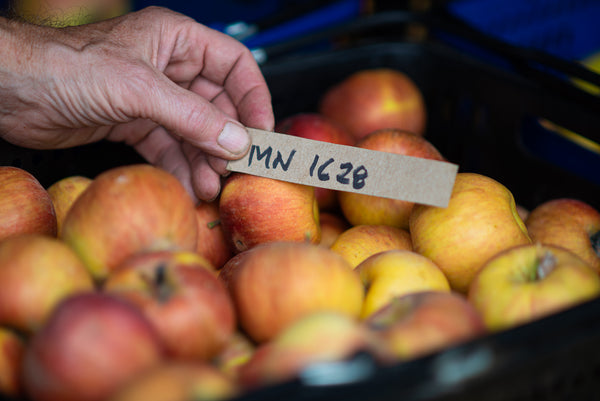 MN 1628 Apple(Spring 2027)
$89.99
-
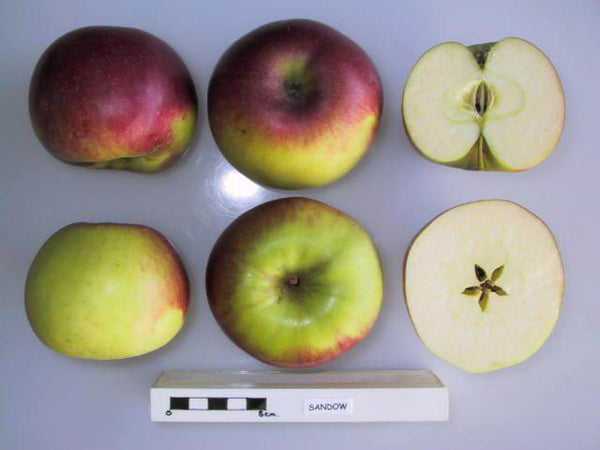 Sandow Apple(Spring 2027)
From $44.99