Skip to product information


Arkansas Black Apple (Spring 2027)
$44.99
Reliable shipping
Flexible returns
Pollination
Needs a partner
Bloom group
5 of 7 (Mid-Late)
Ripening
Will it finish before your first hard freeze?
Check it on the Ripening Map (opens in a new tab)
Disease resistanceResists 2 of 4
- 2 Apple scab : Susceptible, 2 of 5
- 4 Cedar-apple rust : Resistant, 4 of 5
- 3 Fire blight : Moderate, 3 of 5
- 4 Powdery mildew : Resistant, 4 of 5
Scored 1 to 5. Higher resists better, and ? means no published data yet.
See it on our apple disease chart (opens in a new tab)At a glance: Arkansas Black Apple is an apple tree rated hardy to zone 3 in our ratings (winters to -40°F), and not self-fertile, so it needs a different variety nearby as a pollenizer (bloom group 5 of 7, mid-late for an apple or crabapple).
| Hardy to | Zone 3 to 8. A bare number means the whole of zone 3, colder half included (winters to -40°F). Our trees came through -38°F in Corvallis, Montana in January 2024. Find your zone with our cold hardiness calculator. |
|---|---|
| Chill hours | About 600 hours (500 to 800). Well documented. Independent sources agree. Montana winters give it plenty. In milder climates, make sure your winters average at least this much. Check your chill hours or see our sources. |
| Pollination | Needs Cross-Pollination. Bloom group 5 of 7 (mid-late), late spring here. Plant a different apple or crabapple variety that blooms in groups 4 to 6. Some sources call it a triploid, so don't count on it as the only pollenizer for another tree until that's settled. Good partners we carry: Black Oxford Apple, Honeycrisp Apple, Northern Spy Apple, Oriole Apple and 71 more. Apple Pollination Map. |
| Rootstock and size | Bud 118: semi-dwarf in our dry Montana soils, semi-standard on paper, about 12 to 18 ft tall unpruned. Stands on its own, few suckers. Our rootstock guide. |
| Good for | Winter storage (9/10), fresh eating (7/10), pies and baking (7/10), cooking and roasting (6/10), juice and sweet cider (6/10), hard cider (6/10). Scores are our own 1 to 10 ratings; 8 and up makes our Best Of lists. |
| Deer | A deer favorite. Fence it or cage it. |
| What you get | Bare root, 3-4 ft or 4-6 ft. Shipped or picked up in Missoula in spring, roots wrapped in moist sawdust. Guaranteed to bud out. |
Arkansas Black: A Striking, Hardy Apple
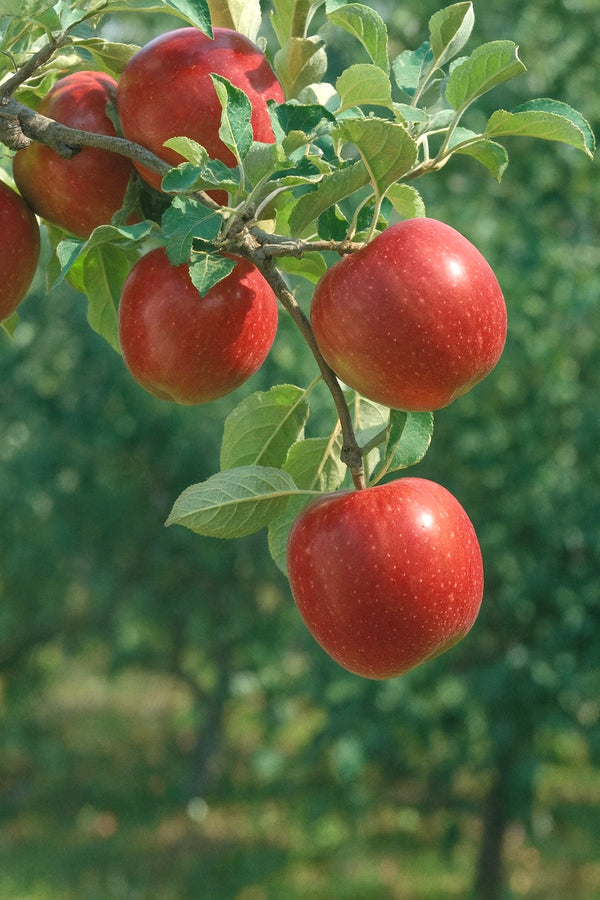
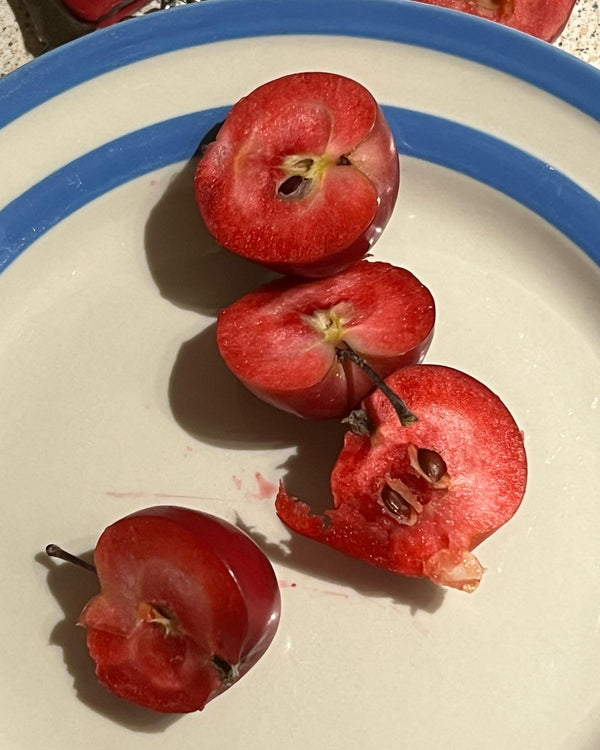
Arkansas Black produces a medium-sized fruit with dark red skin, so dark it’s nearly black. The flesh is firm, white, juicy, and crisp, offering a well-balanced, pleasant flavor. It’s excellent for fresh eating and also makes great juice.
Storage and Shelf Life
Arkansas Black is a heavy-bearing, vigorous tree and a solid zone 3 for us. The apples are known for their excellent storage capabilities. In our experience, the apples retained their firmness 3–4 months after harvest, though they did lose some tartness over time. Despite that, they remained fairly sweet and very edible.
Disease Resistance
Another strong point for Arkansas Black is its resistance to cedar-apple rust, along with some resistance to scab and fireblight, a big plus for growers in areas prone to these common apple diseases.
Cold Hardiness and Rootstock
Arkansas Black is a solid zone 3 for us, and here is why. Our trees at Canyon View Nursery in Corvallis, Montana came through -38°F the night of January 12, 2024, when an arctic air mass poured south out of Canada into the Bitterroot. That kind of cold is the hardest test a tree gets. It moves in as a whole air mass on the wind, so there is no layer of warmer air overhead and slope and air drainage can't spare a tree the way they do on a still, clear night. Coming through that is why we moved it from 3b to a full zone 3.
We have grafted this onto B118 for Spring 2027
Note: Arkansas Black is not recommended for planting in Eastern Montana, Alaska, or any region where winter temperatures regularly drop below -40°F.
Photos: “Arkansas black apple” by Calstanhope, via Wikimedia Commons, licensed CC BY-SA 4.0; “Starr-160103-3379-Malus pumila-Arkansas Black fruit-Piiholo-Maui (26673327260)” by Forest and Kim Starr, via Wikimedia Commons, licensed CC BY 3.0 us; “Starr-160103-3382-Malus pumila-Arkansas Black fruit with bite-Piiholo-Maui (26946830615)” by Forest and Kim Starr, via Wikimedia Commons, licensed CC BY 3.0 us.
Questions we get about Arkansas Black Apple
Does Arkansas Black Apple need a pollenizer?
Yes. Arkansas Black Apple needs pollen from a different variety that blooms at about the same time. Plant a different apple or crabapple variety that blooms in groups 4 to 6. Some sources call it a triploid, so don't count on it as the only pollenizer for another tree until that's settled. Partners we carry include Black Oxford Apple, Honeycrisp Apple, Northern Spy Apple.
How cold hardy is Arkansas Black Apple?
We rate Arkansas Black Apple hardy to zone 3, which means winters down to about -40°F. Our own trees came through -38°F in Corvallis, Montana in January 2024. Our ratings come from real winters at our two Montana sites and from trusted growers across the North, not from a catalog average.
How many chill hours does Arkansas Black Apple need?
About 600 hours of winter chill (we count hours at or below 45°F), likely somewhere between 500 and 800. That figure is well documented: independent sources agree. Listed at 500 to 600 chill hours, low for an apple, so it also suits milder winters. Montana winters cover it easily. Our chill hours guide has a calculator for your winters, and our research page lists the sources.
How big does Arkansas Black Apple get?
We graft Arkansas Black Apple onto Bud 118 (semi-dwarf in our dry Montana soils, semi-standard on paper), which makes a tree roughly 12 to 18 ft tall if you never prune it.
What is Arkansas Black Apple good for?
Our top use scores for Arkansas Black Apple are winter storage (9/10), fresh eating (7/10), pies and baking (7/10), cooking and roasting (6/10). Anything scored 8 or higher makes our Best Of lists.
Is Arkansas Black Apple disease resistant?
For some diseases, yes. It's resistant to cedar-apple rust and powdery mildew. It holds up moderately well against fire blight. It's prone to apple scab. Our apple disease resistance chart has every rating, the notes and the sources.
Will deer eat Arkansas Black Apple?
Yes, deer love it. Protect Arkansas Black Apple with a fence or a cage, especially while it is young.
What arrives, and when does Arkansas Black Apple ship?
A dormant bare-root plant, roots wrapped in moist sawdust with a vapor barrier, shipped or picked up in Missoula in spring. Sizes offered: 3-4 ft or 4-6 ft. We guarantee our plants bud out. Stone fruits can be slow, so if one still has not budded out by August 15, write to us and we credit you for the following spring.
Pollination partners
Trees that will pollenize Arkansas Black Apple
Arkansas Black Apple needs a different apple or crabapple nearby to set fruit. Every tree below blooms at the same time and has pollen that works for it. Plant partners within about 100 feet.
Sources disagree on whether Arkansas Black Apple is a triploid, so plan on it receiving pollen, not giving it.
Bloom group
5 of 7 (Mid-Late)
Pollination
Needs a partner
Pollen
Not confirmed
-
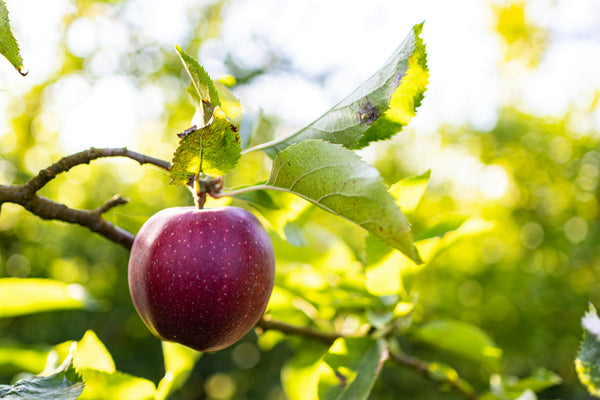 Black Oxford Apple(Spring 2027)
From $44.99
-
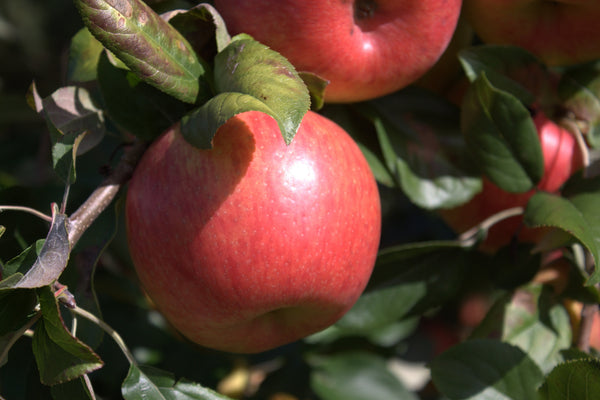 Honeycrisp Apple(Spring 2027)
From $59.99
-
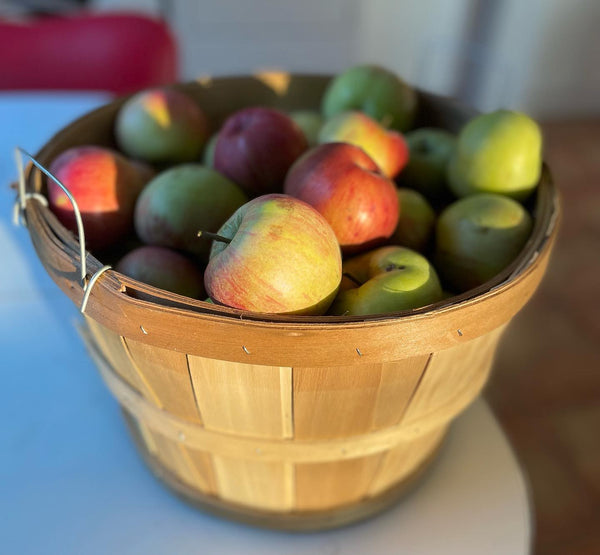 Northern Spy Apple(Spring 2027)
From $39.99
-
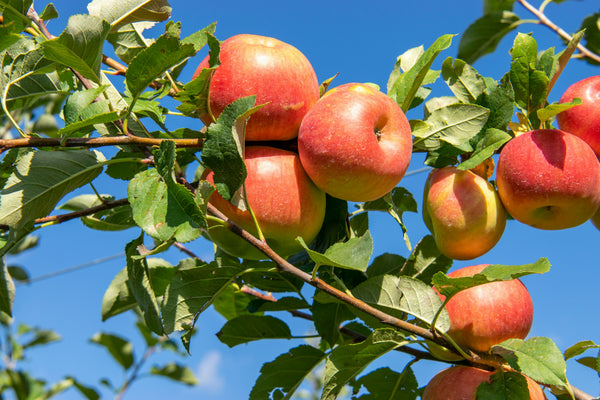 Oriole Apple(Spring 2027)
From $49.99
-
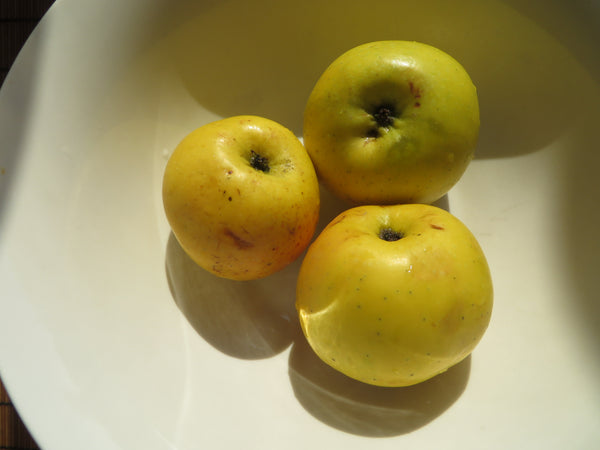 Reinette Simirenko Apple(Spring 2027)
From $44.99
-
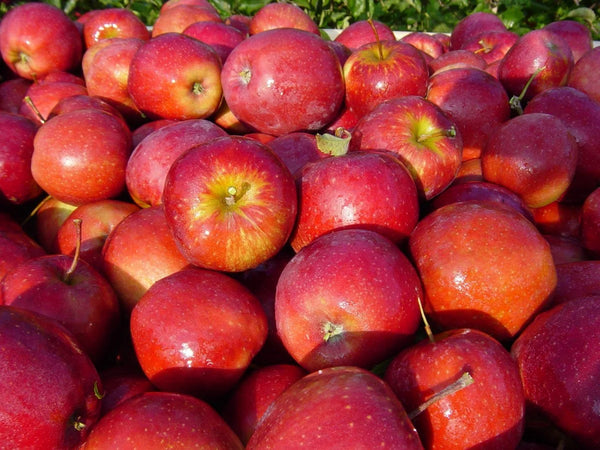 Spencer Apple(Spring 2027)
From $49.99
-
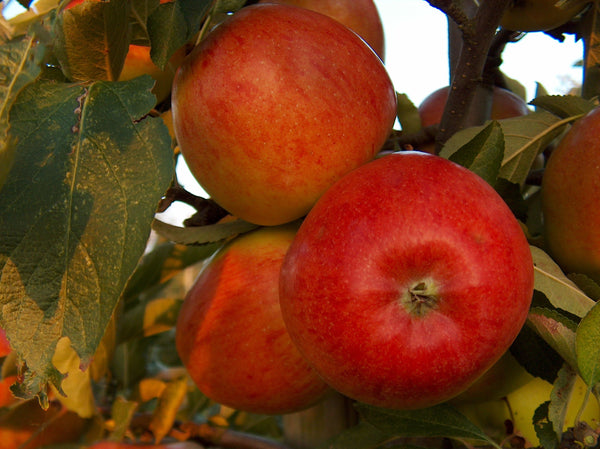 Sweet Sixteen Apple(Spring 2027)
From $44.99
-
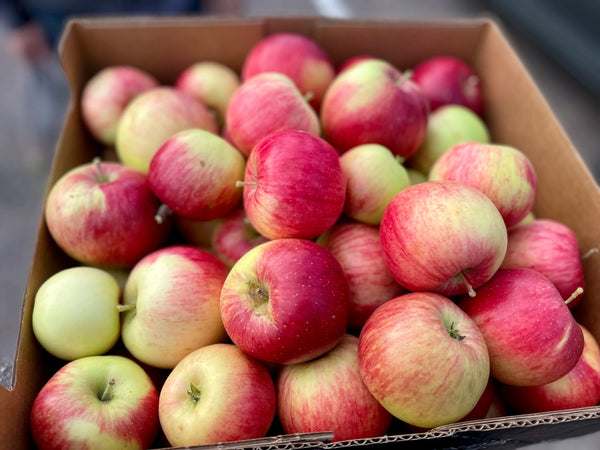 Wealthy Apple(Spring 2027)
From $59.99
-
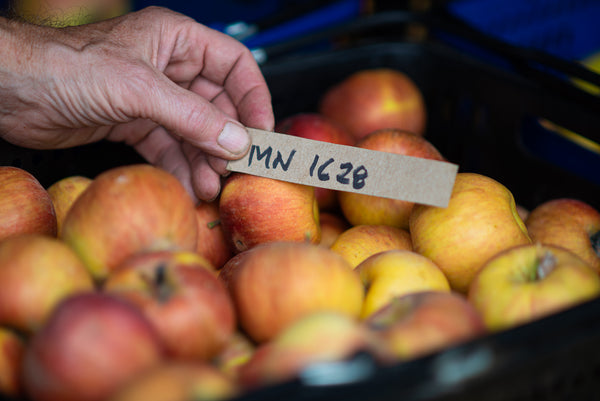 MN 1628 Apple(Spring 2027)
$89.99
-
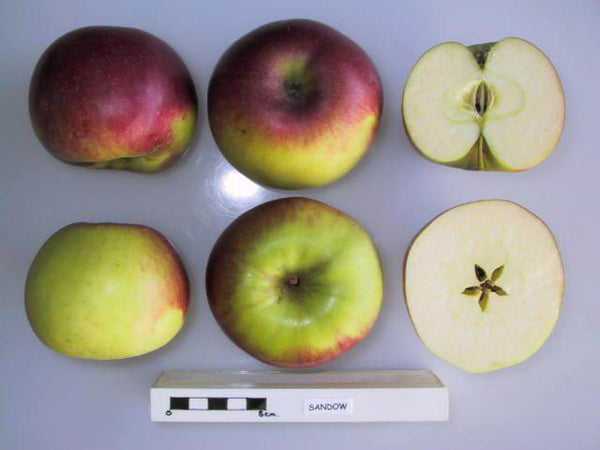 Sandow Apple(Spring 2027)
From $44.99