
Skip to product information


Bolshaya Pear
$34.99
Reliable shipping
Flexible returns
Pollination
Needs a partner
Bloom group
3 of 7 (Early-Mid)
Ripening
Will it finish before your first hard freeze?
Check it on the Ripening MapBolshaya is one of our newest introductions. Given that we do not have experience growing it, and that it is hard to find original info on this pear in the U.S., we have translated from this Russian site here, and put it in our own words (without altering any of the information).
Origins
Bolshaya is a modern Russian cultivar originating from the South Ural Research Institute of Fruit, Vegetable, and Potato Growing (UNIPOK). It was bred by E. E. Falkenberg, A. Mazunin, and L. I. Bolotina, selected from a cross between Ussurian pear seedlings and the Havisel variety. Its original breeding form was designated 105-4-75.
Tree Characteristics
The tree is vigorous, forming a large, wide-spreading crown. Productivity is described as consistently high.
Fruit Description
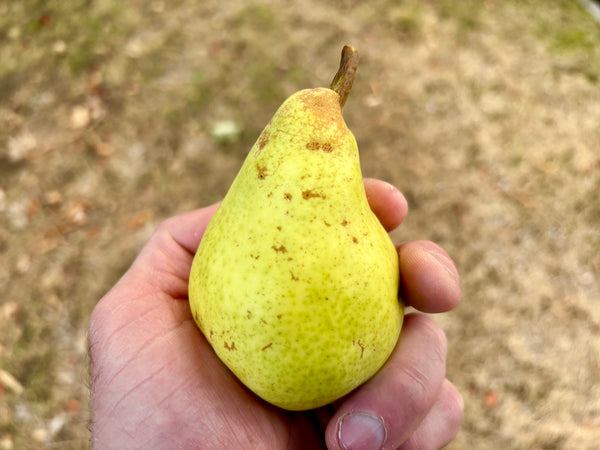
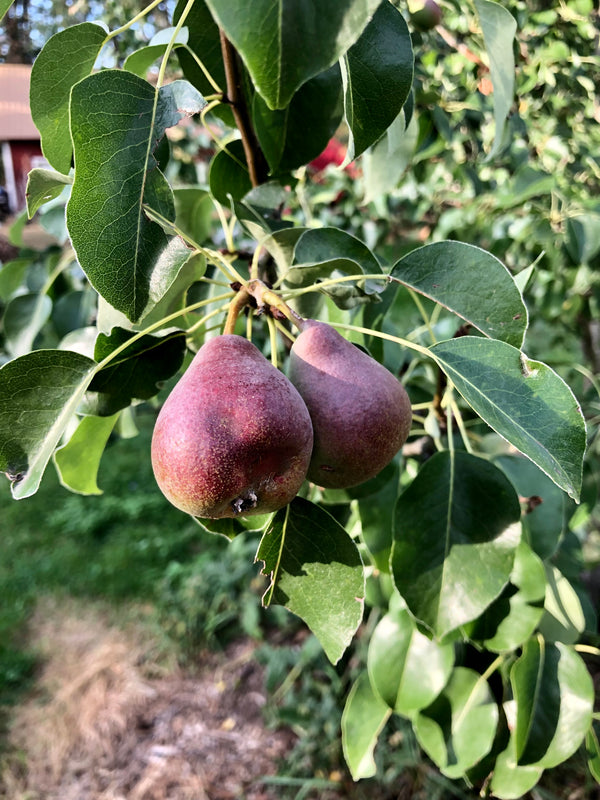
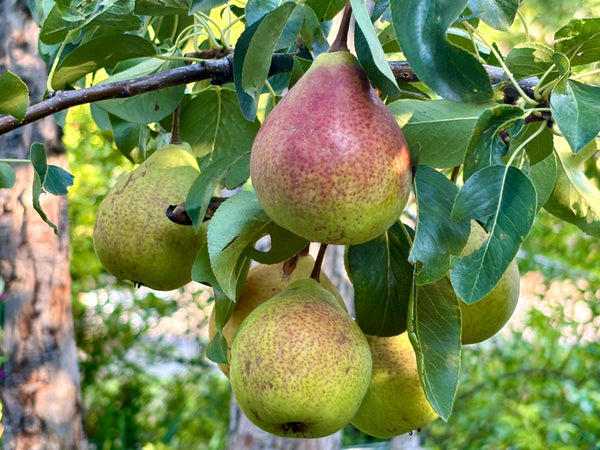
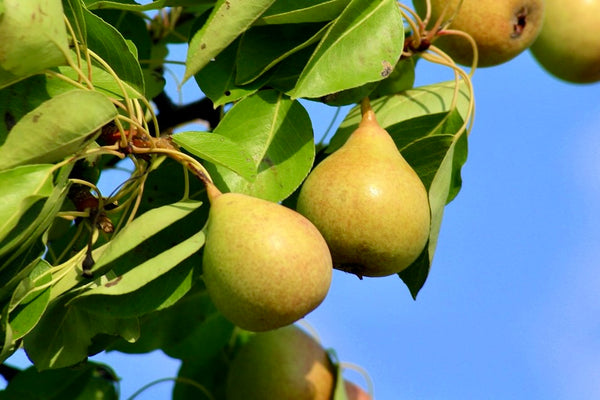
Fruits are round-shaped, ripening to a light yellow with a soft, light blush. Average fruit size ranges from 90–115 g, with larger specimens reaching up to 145 g. The variety shows no susceptibility to scab.
Ripening occurs in the first half of September, and fruits store for approximately three weeks under normal conditions.
Flavor & Texture
The flesh is white, very juicy, with a thin, nearly imperceptible skin. When allowed to fully ripen on the tree, Bolshaya is considered a true dessert pear, rated 4.7–4.9 points (our of 5) by UNIPOK tasters. At full maturity it develops an excellent, sweet, harmonious flavor with a strong, pleasant pear aroma; granulation is minimal to nonexistent.
Important maturity note:
If harvested at "removable maturity"—early yellowing but not fully ripe—the flavor is described as mediocre, rated only 3.7–4.2 due to a persistent tart firmness that does not dissipate in storage. Maximum quality is achieved only when left to ripen completely on the tree.
Water Requirements
Bolshaya responds noticeably to adequate irrigation. Under moisture stress, the fruits become dry and lose their characteristic juiciness.
Overall Assessment
According to evaluations from UNIPOK, Bolshaya holds the highest flavor rating of any pear variety ever bred in the Southern Urals, provided it is allowed to ripen fully on the tree. Its combination of winter hardiness, productivity, dessert quality, and aromatic character make it one of the standout pears of its breeding region.
Hardiness
We have data in Montana on how Bolshaya has done here (see below). We'll first list what the Russian site says and then explain how the tree has done on a site in Bozeman.
Russian website
Winter hardiness is considered quite high—higher than Krasulya and Raduzhnaya (Rainbow), but slightly below Uralochka and Krasnobokaya—placing it firmly among the reliable cold-climate pears of the Southern Urals.
Growing in Montana
We obtained cuttings from Les McCartney (Bozeman, MT) in spring 2025, and these trees originate from those grafts and newer ones (see grades). Les grows Bolshaya on the valley floor, where his tree has withstood temperatures near –45°F without any winter injury. Given both its Russian breeding background and its performance in Montana, Bolshaya can confidently be considered a solid Zone 2 pear.
Pollination partners
Trees that will pollenize Bolshaya Pear
Bolshaya Pear needs a different European pear nearby to set fruit. Every tree below blooms at the same time and has pollen that works for it. Plant partners within about 100 feet.
Bloom group
3 of 7 (Early-Mid)
Pollination
Needs a partner
Pollen
Not tested yet
-
 D'Anjou Pear
From $64.99
D'Anjou Pear
From $64.99
-
 Stuttgarter Gaishirtle Pear
From $49.99
Stuttgarter Gaishirtle Pear
From $49.99
-
 Summercrisp Pear
From $34.99
Summercrisp Pear
From $34.99
-
 Ure Pear
From $49.99
Ure Pear
From $49.99
-
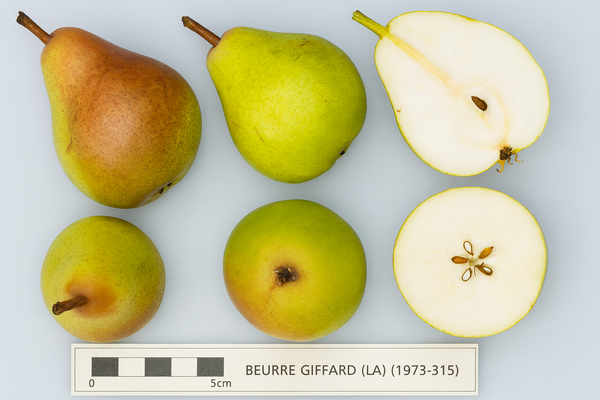 Beurré Giffard Pear
$84.99
Beurré Giffard Pear
$84.99
-
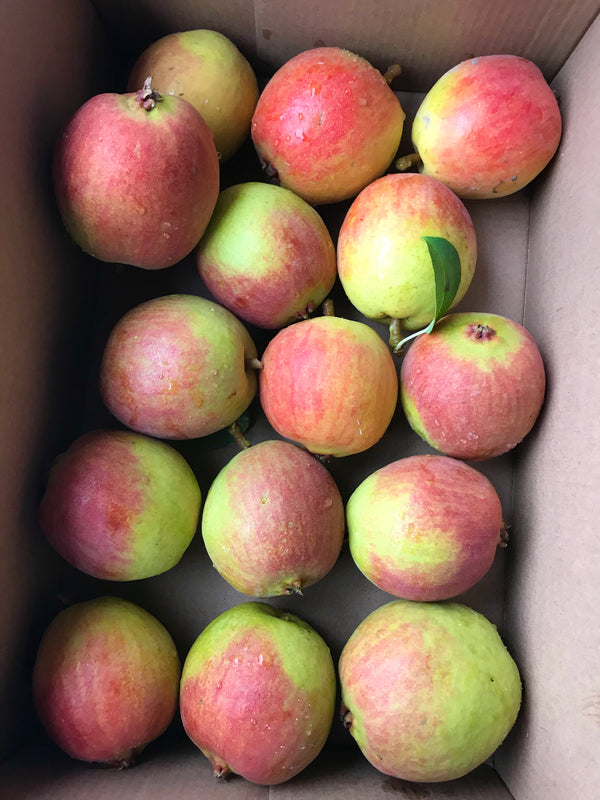 Krazulya Pear
From $44.99
Krazulya Pear
From $44.99
-
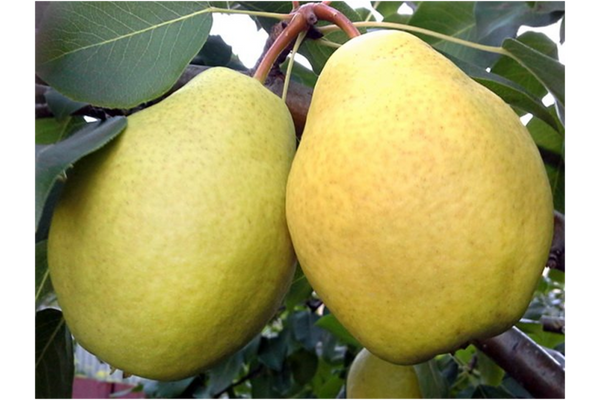 Larinskaya Pear
From $44.99
Larinskaya Pear
From $44.99
-
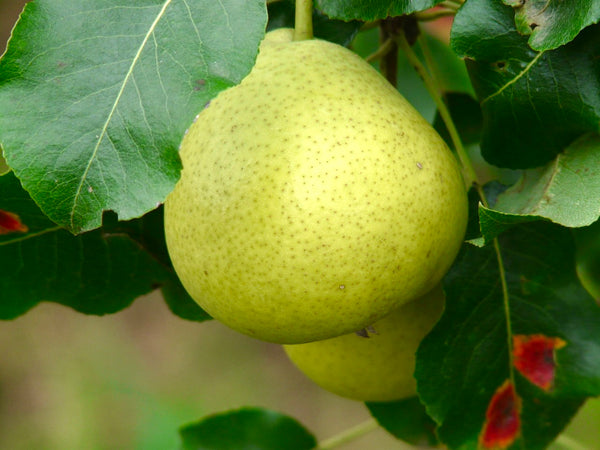 Savignac Pear
From $44.99
Savignac Pear
From $44.99
-
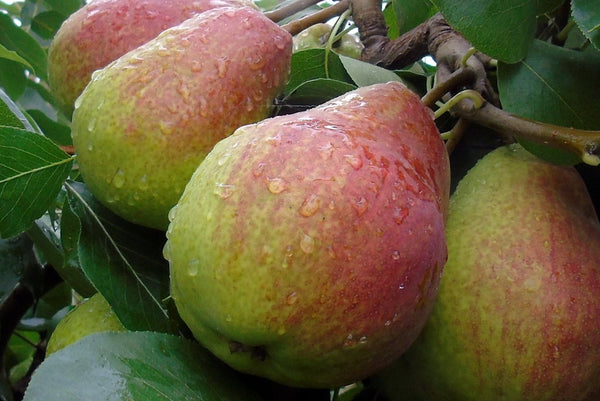 Vekovaya Pear
From $49.99
Vekovaya Pear
From $49.99
-
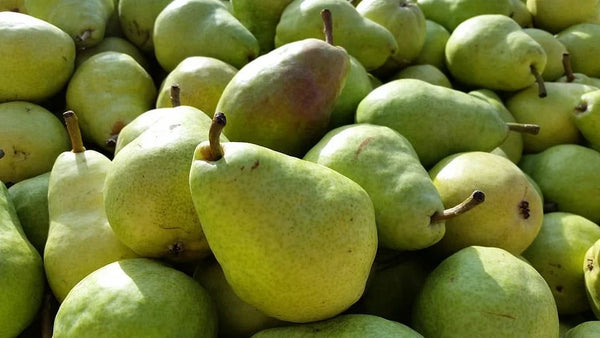 Bartlett Pear
From $64.99
Bartlett Pear
From $64.99
-
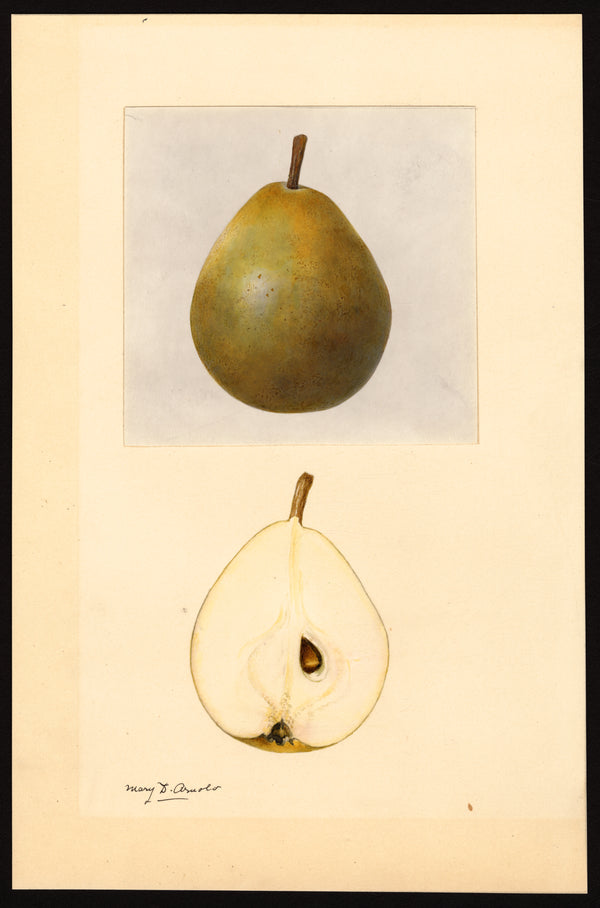 Dana Hovey Pear
From $34.99
Dana Hovey Pear
From $34.99
-
 Honeysweet Pear
$49.99
Honeysweet Pear
$49.99
See every pairing on the Pear Pollination Map
Bolshaya Pear's bloom group is our best estimate. Watch it bloom and tell us what you see.