
Skip to product information
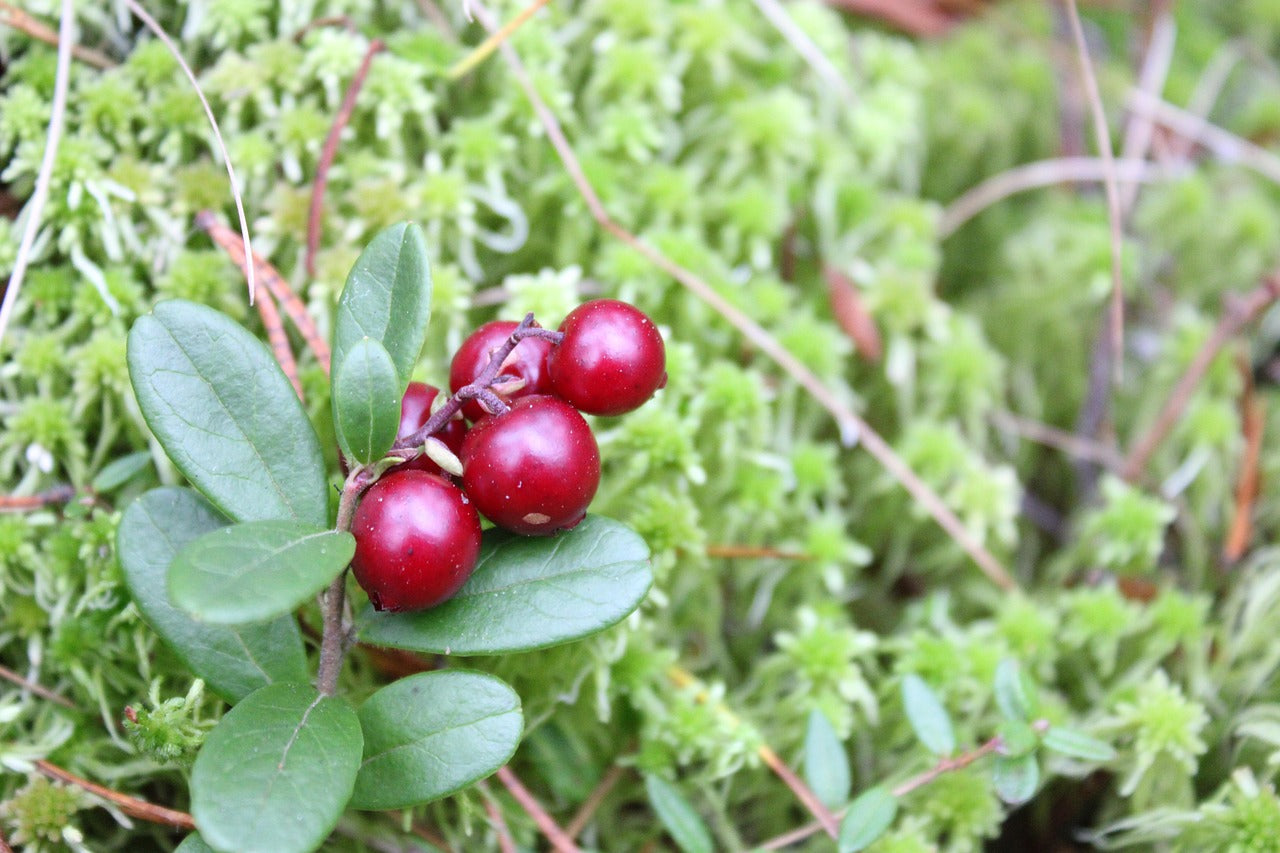
Cheropugy Lingonberry
$29.99
Reliable shipping
Flexible returns
Overview
Lingonberries (Vaccinium vitis-idaea) have a long history across the boreal and subarctic regions of the Northern Hemisphere, where people in Scandinavia, Russia, and northern Europe have foraged and cultivated them for centuries. Celebrated for their tart flavor and cultural importance in traditional foods such as jams, sauces, and preserves. We have had Nordic friends who grew up on lingonberry jam get excited that we grow these.
Uses
Cheropugy is excellent for culinary uses including sauces, jams, syrups, fresh eating, baking, and fermentation. It has a bright, tart flavor that pairs well with both sweet and savory dishes. They're not that exciting to eat fresh so don't be disappointed because this is not traditionally how they are used, and are instead valued for preserving and long-term storage due to their high natural acidity.
Plant Size & Spacing
Cheropugy Lingonberry forms a low-growing, spreading evergreen groundcover, typically reaching 6–12 inches in height and spreading 12–24 inches over time through slow rhizomatous growth. For planting, space plants 12–18 inches apart to allow for gradual fill-in while maintaining good air circulation. Lingonberries perform best in acidic soils and are well suited to edging beds, understory plantings, and cold-climate food forests.
Soil & Site Preferences
Lingonberries require acidic, well-drained soils and should not be planted directly into native alkaline soils common across Montana and much of the arid West. For best results, plant Cheropugy Lingonberry into a prepared mix of at least 50% sphagnum peat moss, 25% native soil, and 25% compost.
Because soil pH in alkaline regions tends to rise over time, keep a soil-acidifying amendment on hand, such as elemental sulfur, and amend periodically as needed. If leaves begin to turn yellow, this often indicates iron-induced chlorosis—a condition where iron becomes unavailable to plants as soil pH increases, particularly above ~7.2. This response is non-linear, meaning small pH increases can cause large drops in iron availability.
Water quality also plays a role. Alkaline groundwater, common in the arid West, can slowly raise soil pH with repeated irrigation. Where possible, use surface water, rainwater, or ditch water. If groundwater is the only option, simply be more vigilant. If yellowing appears, it is not too late—early correction can restore healthy growth.
Cold Hardiness
Lingonberries are among the most cold-tolerant fruiting shrubs available. The species is known to withstand extreme winter temperatures down to around −40 °F (−40 °C) and potentially as low as −50 °F (−46 °C) when well established, reflecting its native adaptation to arctic and boreal climates. Cheropugy Lingonberry is thus well suited to USDA Hardiness Zones 2–7 (sometimes noted as zones 3–8 depending on microclimate and snow cover), making it a great choice for cold-climate growers seeking a hardy evergreen berry shrub.