
Skip to product information


Hudar Pear
$44.99
Reliable shipping
Flexible returns
Overview
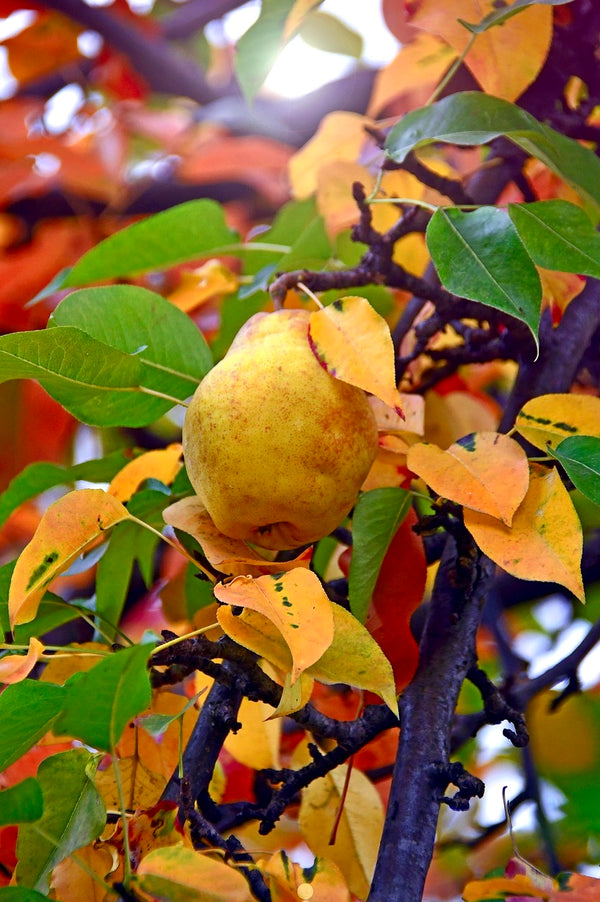
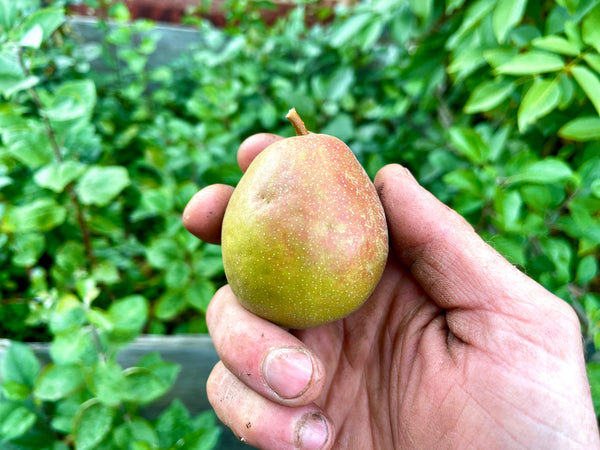
Hudar Pear is a cold-climate pear that originated on the Hudar farm in Hammond, New York. Its parentage is not documented (it’s not a named breeding-program cross with known parents), and it has mainly spread through northern grower networks because of its reputation for hardiness and early ripening.
Fruit Quality & Uses
Hudar produces a yellow, juicy fruit that is good for eating and fair for canning. It is considered early ripening pear for cold climates (with timing reported around early September in Southcentral Alaska), and mid August in the Bitterroot Valley of Montana, which is an important trait for short seasons.
Cold Hardiness
We have found conflicting reports on Hudar's hardiness. St. Lawrence nursery lists it is hardy to -50F or colder and University of Alaska Fairbanks Extension describes Hudar as "hardy in Zones 1 and 2 and has survived three winters in Anchorage", although they may be going off of St. Lawrence's observations for hardiness. This isn't to imply St. Lawrence is wrong, but there is also a source that says "We have tried Summercrisp, Hudar, Patten, Nova & Ure - all perished, despite being "zone 2 or 3" hardy. Golden Spice seems to be made of tougher stuff. 5 trees made it through 4 winters so far".
What we do know is that Hudar survived -38F in Stevensville, MT from a high pressure air mass that came down from the arctic on 1/13/24. What would be helpful to know regarding the Alaska source includes details on location, soils, cultural practices, and when and at what temps the trees perished. We're confident in stating that Hudar in our experience the Bitterroot Valley is that at the minimum, Hudar is a solid zone 3b tree and likely even 3a.
Performance in even colder interior sites can vary with microclimate, wind exposure, acclimation timing, and rootstock.
Other Notable Characteristics
-
Early ripening is a major advantage for cold regions, where many pears fail to mature fruit.
-
Pears in general benefit from well-drained soils and good airflow; in cold valleys, siting on a slope with cold-air drainage can meaningfully improve both winter survival and bloom performance.
Pollination partners
Good partners for Hudar Pear
Hudar Pear is self-fertile, so one tree will fruit on its own. If you'd like a second European pear, these bloom at the same time and work well together.
Bloom group
4 of 7 (Mid)
Pollination
Self-fertile
Pollen
Not tested yet
-
 Nova Pear
From $49.99
Nova Pear
From $49.99
-
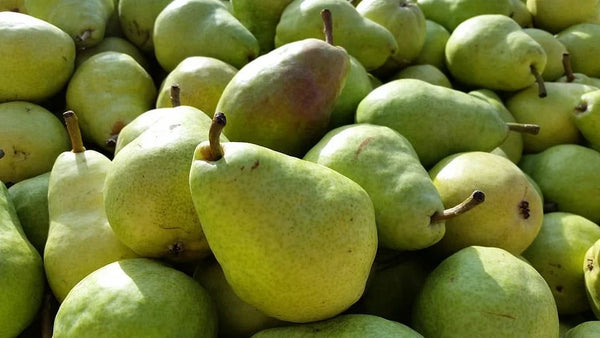 Bartlett Pear
From $64.99
Bartlett Pear
From $64.99
-
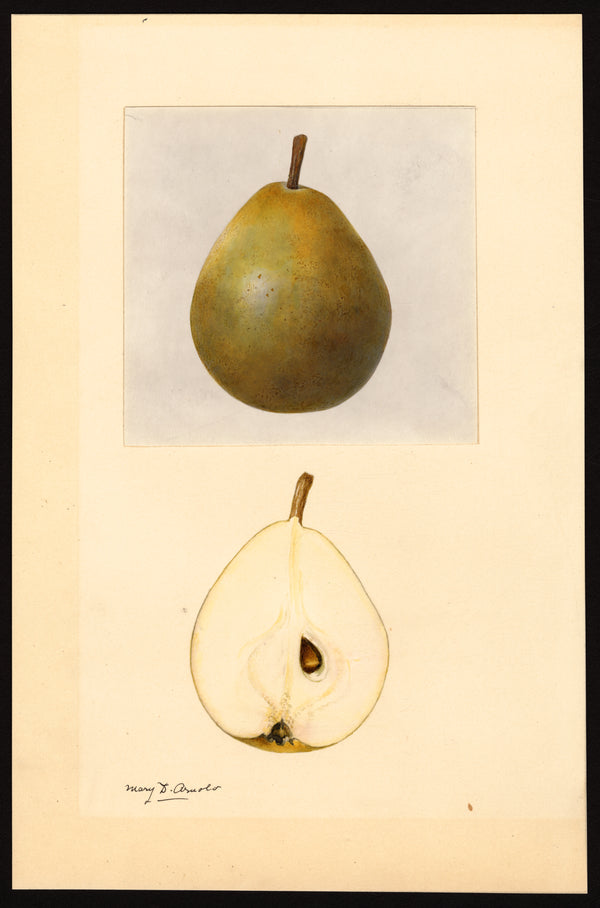 Dana Hovey Pear
From $34.99
Dana Hovey Pear
From $34.99
-
 Honeysweet Pear
$49.99
Honeysweet Pear
$49.99
-
 Seckel Pear
From $109.99
Seckel Pear
From $109.99
-
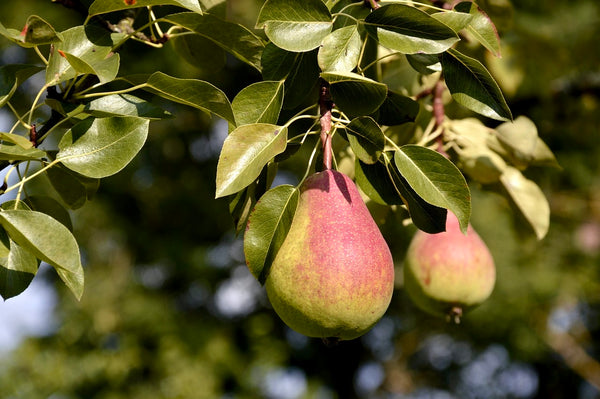 Ubileen Pear
From $34.99
Ubileen Pear
From $34.99
-
 Harrow Sweet Pear
From $34.99
Harrow Sweet Pear
From $34.99
-
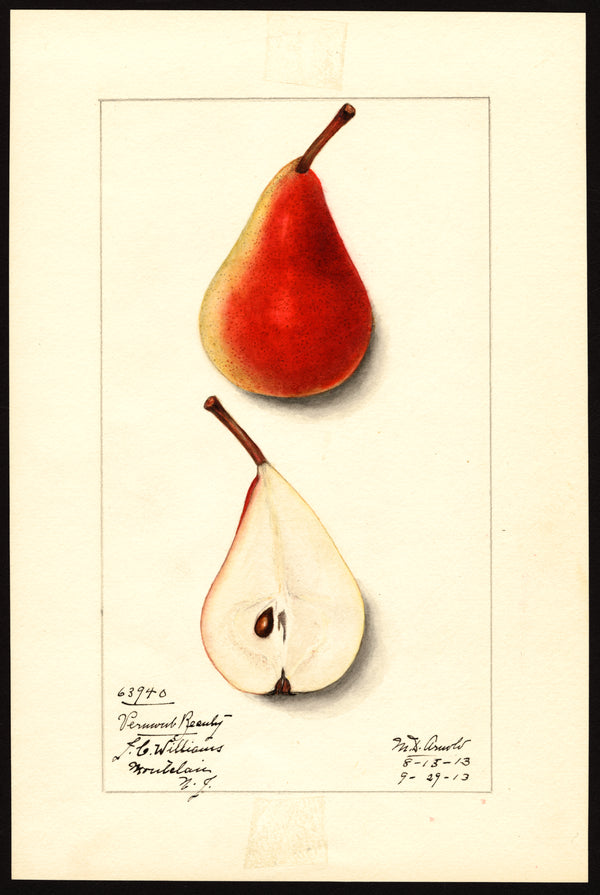 Vermont Beauty Pear
$49.99
Vermont Beauty Pear
$49.99
-
 Bulgaria Pear
$49.99
Bulgaria Pear
$49.99
-
 Frost Pear
From $34.99
Frost Pear
From $34.99
-
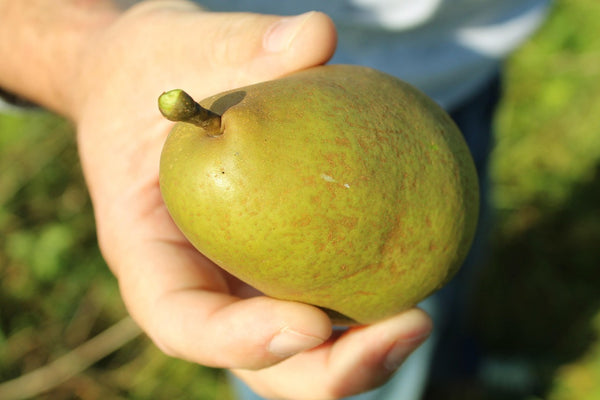 Waterville Pear
From $39.99
Waterville Pear
From $39.99
-
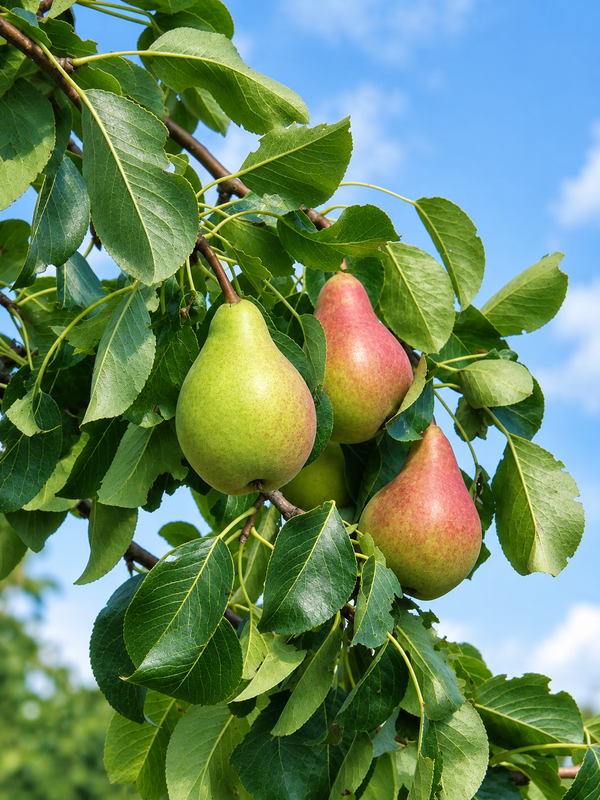 Clapp's Favorite Pear
From $49.99
Clapp's Favorite Pear
From $49.99
See every pairing on the Pear Pollination Map
Hudar Pear's bloom group is our best estimate. Watch it bloom and tell us what you see.