
Skip to product information


Larinskaya Pear
$44.99
Reliable shipping
Flexible returns
Pollination
Needs a partner
Bloom group
3 of 7 (Early-Mid)
Introduction
Larinskaya (Ларинская) is a South Ural Russian pear and one of the core Russian cultivars we currently offer. Like all of our Russian pears, Larinskaya has been grown successfully by Les McCartney in Bozeman, Montana, where these pears have survived unscathed after experiencing winter temperatures approaching −45°F. Based on both Russian research and Montana field experience, Larinskaya and the other Russian pears we are currently growing are hardy to at least USDA Zone 2b (−45°F) with little to no winter injury. They are likely capable of surviving down to −50°F, though some winter injury should be expected at those extremes; importantly, damage would likely not extend to the trunk.
Because there is limited high-quality information available in English, the description below was created by translating and synthesizing primary Russian pomological literature and official cultivar documentation. Technical language has been translated into plain English, and all metric values have been converted into U.S. units.
Primary sources:
-
VNIISPK cultivar entry: “Груша, Сорт Ларинская”
https://vniispk.ru/varieties/%D0%BB%D0%B0%D1%80%D0%B8%D0%BD%D1%81%D0%BA%D0%B0%D1%8F -
“Совершенствование сортимента груши на Южном Урале” (South Ural Research Institute synthesis, 2023)
https://cyberleninka.ru/article/n/sovershenstvovanie-sortimenta-grushi-na-yuzhnom-urale
The description that follows reflects only what is reported in those sources, without extrapolation.
Larinskaya (Ларинская) Pear
South Ural Research–Based Description
Origin and Breeding Context
Larinskaya is an autumn-ripening pear bred at the South Ural Research Institute of Horticulture and Potato Growing. It was developed by crossing a Ussurian pear seedling (41-15-9) with Clapp’s Favorite, combining extreme cold hardiness with improved eating quality. The cultivar is officially zoned for the Ural region.
Ripening Period and Keeping Quality
Larinskaya ripens in early September (approximately September 5–10 in South Ural conditions). Fruit can be stored until early November, giving a storage life of about 60 days, which is relatively long for a cold-hardy pear.
Tree Characteristics
Trees are large and vigorous, reaching around 20 feet tall at maturity, with a moderately dense, irregular crown. On Ussurian seedling rootstock, trees typically begin bearing around year five.
Productivity and Yield
Larinskaya is described as consistently productive:
-
Mature trees (around 10 years old) produced up to 46 kg per tree, or about 101 pounds per tree.
-
In South Ural trials from 2019–2022, average production was 18 kg per tree (about 40 pounds).
-
Orchard-scale yield was reported at 11.1 t/ha, which converts to roughly 9,900 pounds per acre.
Fruit Characteristics
Fruits are medium-sized, typically 110 g, with a maximum around 140 g (3.9–4.9 oz). Shape is short pear-shaped, often slightly uneven. Skin is green at harvest, turning light yellow when ripe, with many small gray dots. Flesh is cream-colored, dense, and juicy.
Flavor and Eating Quality
Larinskaya received a tasting score of 4.5 points on the standard Russian 5-point pomological scale, placing it in the “very good” dessert category for cold-hardy pears. In plain terms, Russian researchers consider this a pear that is genuinely good to eat, not just hardy.
Sugar and Acid Balance
Laboratory analysis reported:
-
13.8% soluble solids
-
9.7% sugars
-
0.8% titratable acids
Translated into everyday language, this indicates a pear with real sweetness, balanced by enough acidity to keep the flavor bright, rather than bland.
Pollination
Larinskaya is not self-fertile. Recommended pollenizers we have available are Krazulya, Vekovaya, and to a lesser extent, although would still work, Krasnobokaya.
Winter Hardiness and Cold Climate Adaptation
Russian research classifies Larinskaya as highly winter-hardy. In South Ural field trials, winters reaching approximately −40°F resulted in low levels of tissue damage, with good recovery and no structural failure. Combined with long-term success in Bozeman, Montana, this supports Larinskaya’s reputation as a reliable pear for extreme cold climates, suitable for Zone 2–3 growers.
Disease and Pest Resistance
Over multiple years of observation, Russian sources report no significant damage from pear scab or pear gall mite, and Larinskaya is described as resistant to bacterial fire blight, making it well suited to low-input and organic systems.
Pollination partners
Trees that will pollenize Larinskaya Pear
Larinskaya Pear needs a different European pear nearby to set fruit. Every tree below blooms at the same time and has pollen that works for it. Plant partners within about 100 feet.
Bloom group
3 of 7 (Early-Mid)
Pollination
Needs a partner
Pollen
Good pollenizer
-
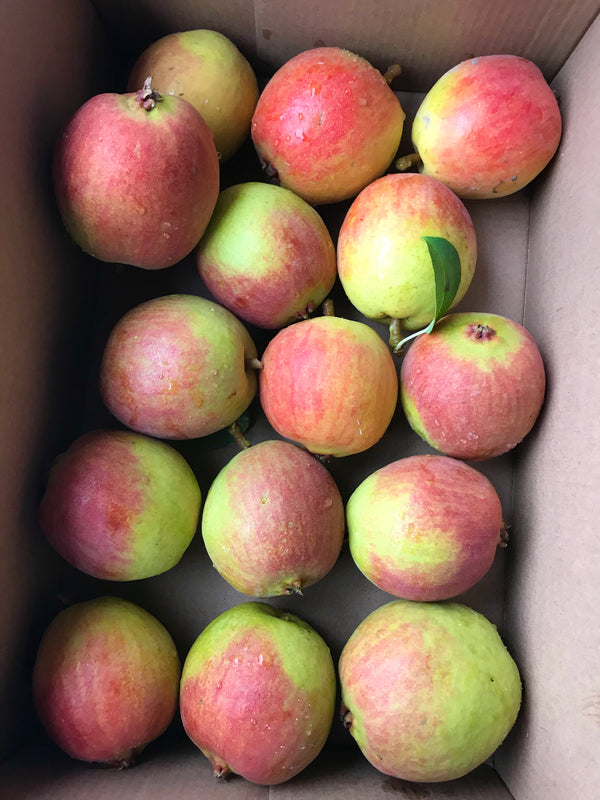 Krazulya Pear
From $44.99
Krazulya Pear
From $44.99
-
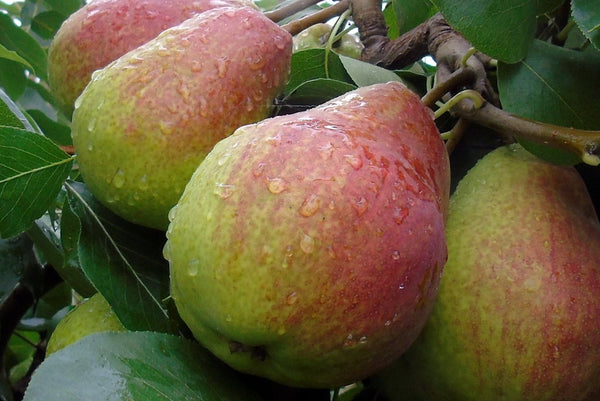 Vekovaya Pear
From $49.99
Vekovaya Pear
From $49.99
-
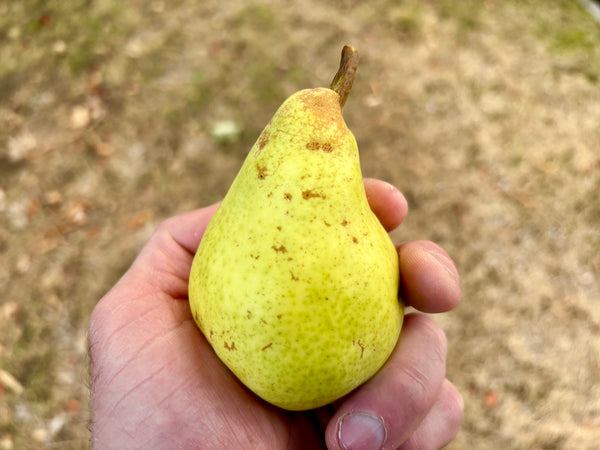 D'Anjou Pear
From $64.99
D'Anjou Pear
From $64.99
-
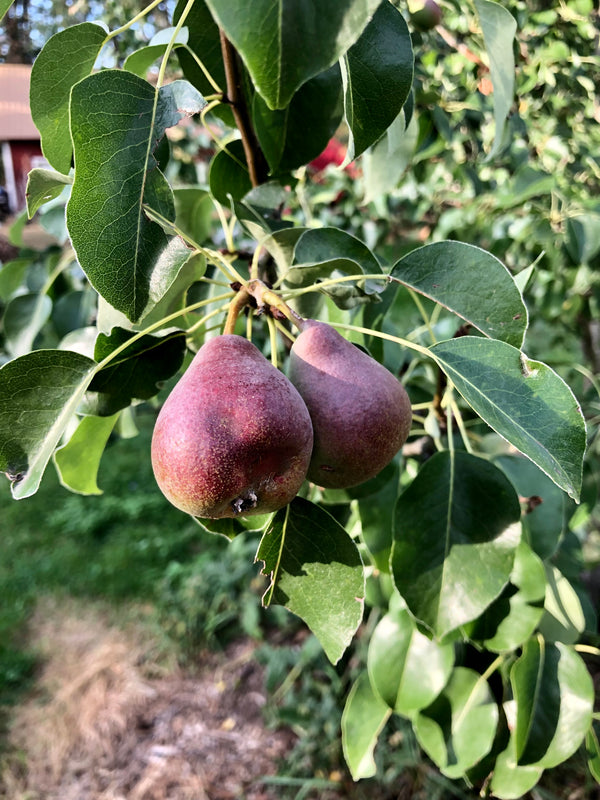 Stuttgarter Gaishirtle Pear
From $49.99
Stuttgarter Gaishirtle Pear
From $49.99
-
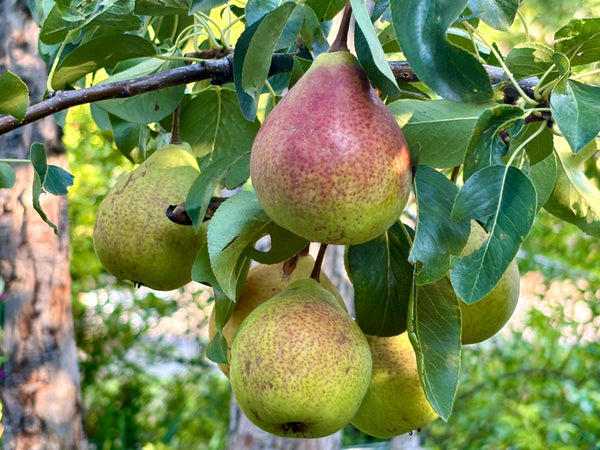 Summercrisp Pear
From $34.99
Summercrisp Pear
From $34.99
-
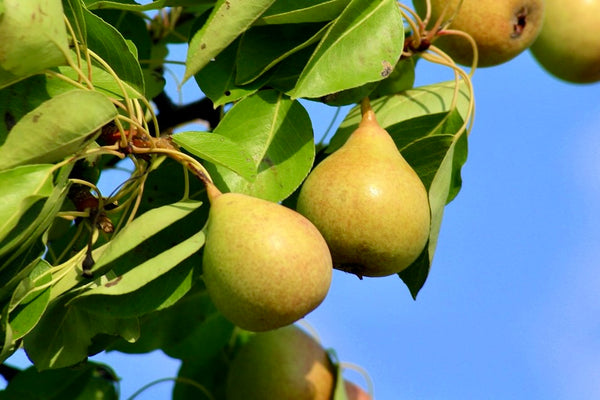 Ure Pear
From $49.99
Ure Pear
From $49.99
-
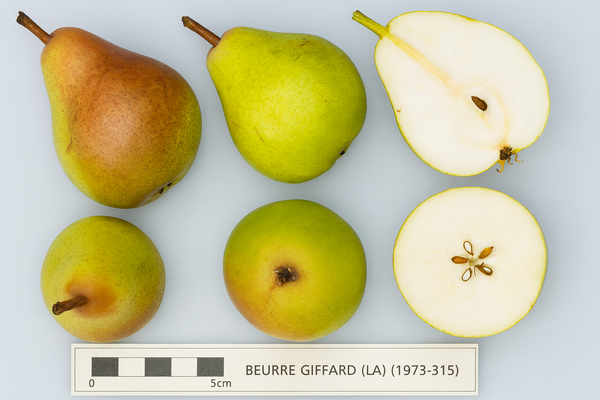 Beurré Giffard Pear
$84.99
Beurré Giffard Pear
$84.99
-
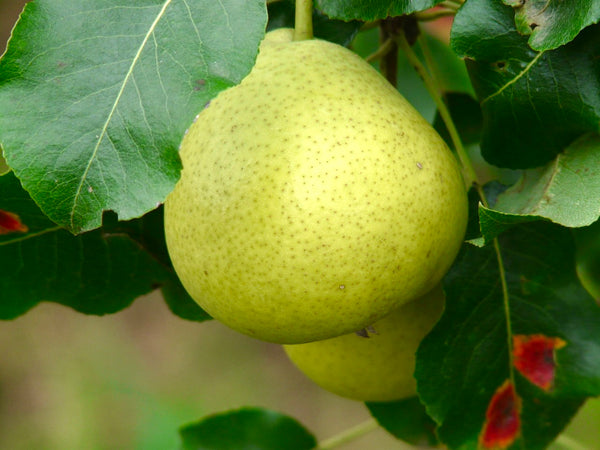 Savignac Pear
From $44.99
Savignac Pear
From $44.99
-
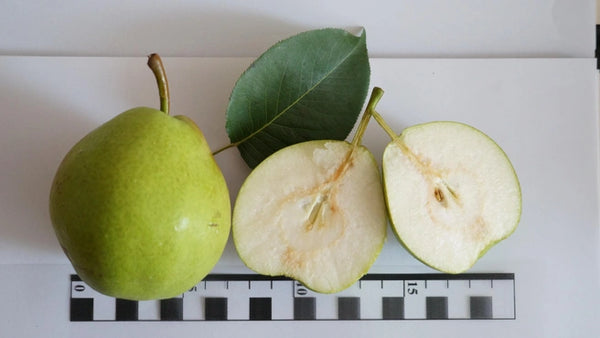 Bolshaya Pear
From $34.99
Bolshaya Pear
From $34.99
-
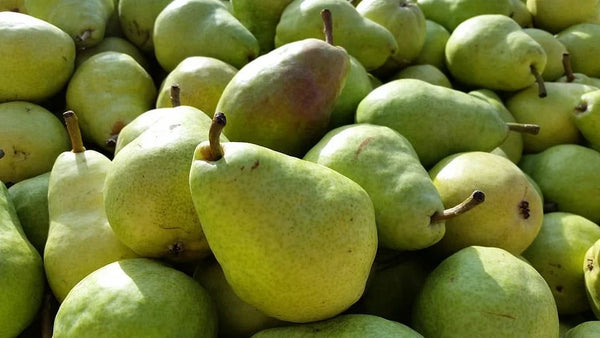 Bartlett Pear
From $64.99
Bartlett Pear
From $64.99
-
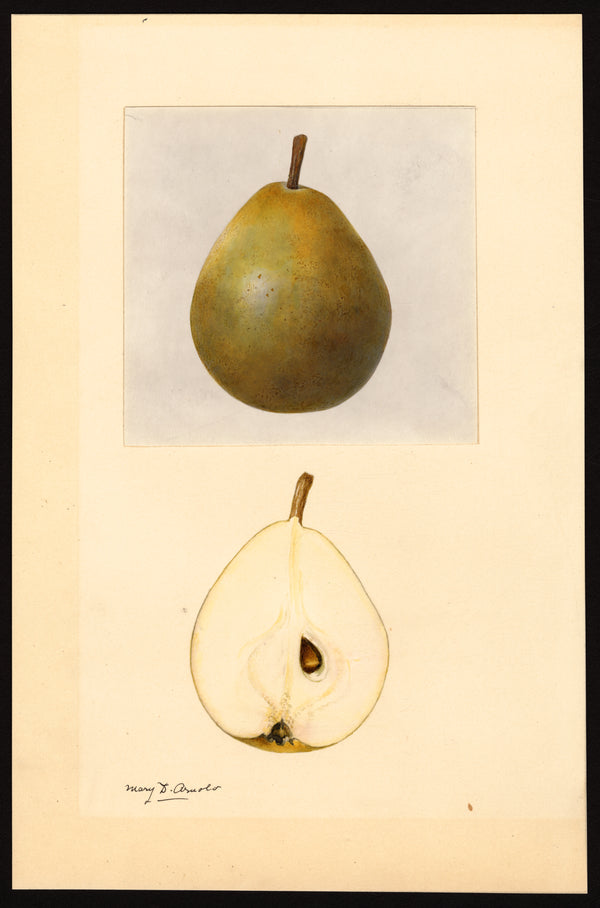 Dana Hovey Pear
From $34.99
Dana Hovey Pear
From $34.99
-
 Honeysweet Pear
$49.99
Honeysweet Pear
$49.99
