
Skip to product information


Ptitsin #5 Plum
$54.99
Reliable shipping
Flexible returns
Pollination
Needs a partner
Bloom group
3 of 7 (Early-Mid)
Ripening
Will it finish before your first hard freeze?
Check it on the Ripening Map*New variety for us in Montana so all this info is second hand.
Overview
Ptitsin #5 is an uncommon Japanese-type plum (Prunus salicina) that entered North American evaluation through early prairie and university fruit trials rather than commercial orchard channels. It is best known today through limited propagation among specialty nurseries and experimental growers.
History & Background
Ptitsin #5 appears in North American horticultural records as a numbered selection distributed through the Morden Experiment Station in Manitoba, and it was received for evaluation by the University of Minnesota Fruit Breeding Farm in 1943. Like many numbered plums of this era, it was assessed for fruit quality and adaptability rather than released as a named commercial cultivar.
Fruit Quality & Uses
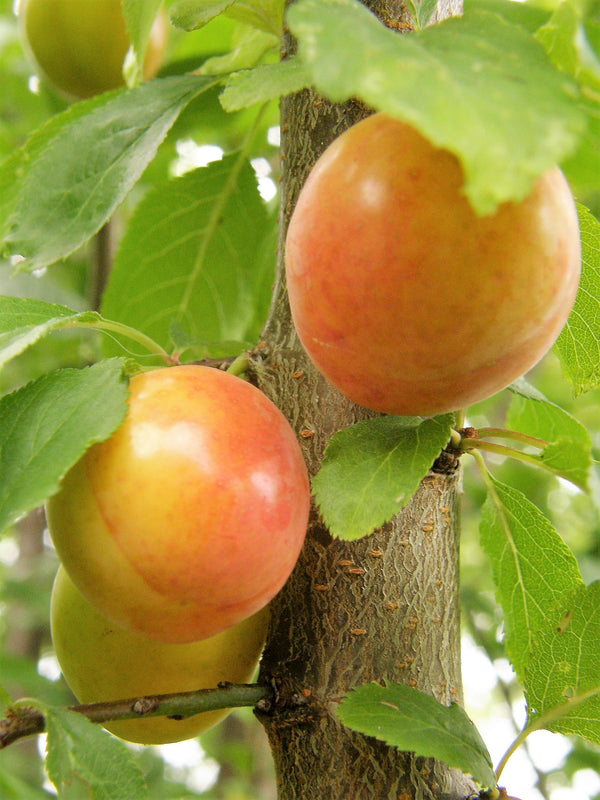
The fruit of Ptitsin #5 is small to medium, typically light yellow to yellow-green when ripe, and is freestone, which is unusual and valuable in very cold-hardy plums. Flavor is generally described as sweet with mild acidity, pleasant and balanced rather than sharp. The flesh is aromatic and suitable for fresh eating, while also performing well for preserves, jam, and drying.
Unlike many ultra-hardy plums that are strictly “processing quality,” Ptitsin #5 is notable for being genuinely enjoyable fresh, especially when fully ripe.
Ripening Window
Ptitsin #5 typically ripens in early to mid-August in Zone 3 climates, making it an early-to-mid season plum. This earlier ripening window helps it mature reliably in regions with shorter summers.
Growth Habit & Spacing
Trees are generally moderate in vigor with a balanced growth habit. They are not excessively large or unruly, making them manageable in small orchards. Standard plum spacing applies, typically 12–16 feet, with wider spacing on more vigorous rootstocks or in lower-input systems.
Pollination
Ptitsin #5 is not reliably self-fertile and benefits from cross-pollination. Best results are achieved by planting it with another compatible hardy plum that blooms at a similar time, including Alderman, Kuban Delight, La Crescent, Pipestone, South Dakota, Superior, Uderwood, Toka, as well as Native American and Prairie Red plum.
Cold Hardiness
UPDATE: Our friend Bob Purvis reported to us in May 2026 that, during his visit to Mongolia that spring, Robert Berg’s Ptitsin #5, along with Brookgold, Brookred, Ivanovka, Rotova, and Northern Blue, had withstood temperatures as low as -50°F without damage to the blossom buds. Ptitsin #5 should be good for most parts of Montana. If planted in Eastern MT, should do well in Billings and the warmer surrounding valleys. Anywhere else east of the divide could work if the tree is sited properly out of where frost puddles (upslope/on a bench) and where there is good airflow. Solid zone 2 plum (possibly even hardier).
Why We Value This Plum
Ptitsin #5 occupies a rare niche: a plum that is genuinely hardy, reliably productive, and pleasant to eat fresh, not merely a survival specimen. For growers pushing the limits of plum cultivation in cold climates, it represents one of the better-tested and more dependable options available.
Pollination partners
Trees that will pollenize Ptitsin #5 Plum
Ptitsin #5 Plum needs a different hybrid or Japanese plum nearby to set fruit. Every tree below blooms at the same time and has pollen that works for it. Plant partners within about 100 feet.
Bloom group
3 of 7 (Early-Mid)
Pollination
Needs a partner
Pollen
Good pollenizer
-
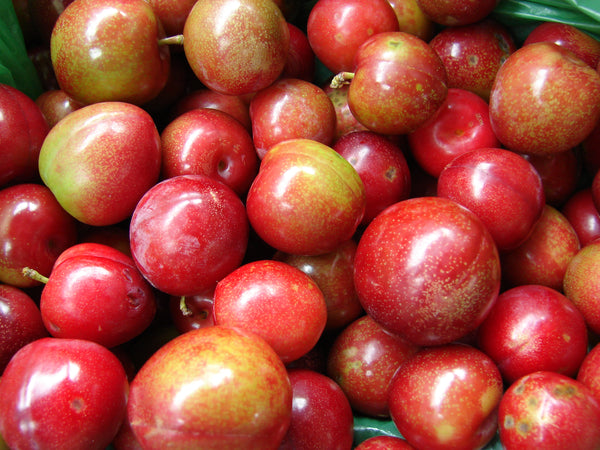
 Brookgold Plum
From $59.99
Brookgold Plum
From $59.99
-
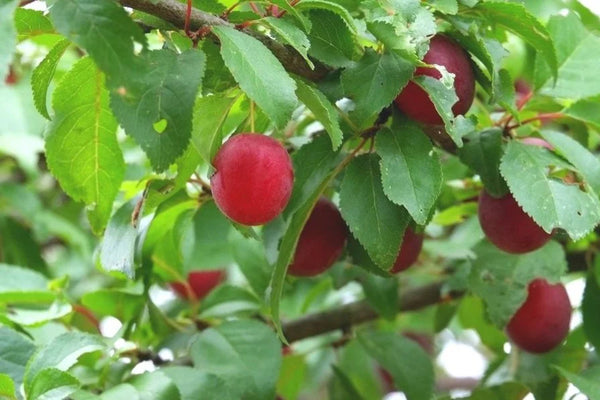
 Brookred Plum
From $59.99
Brookred Plum
From $59.99
-
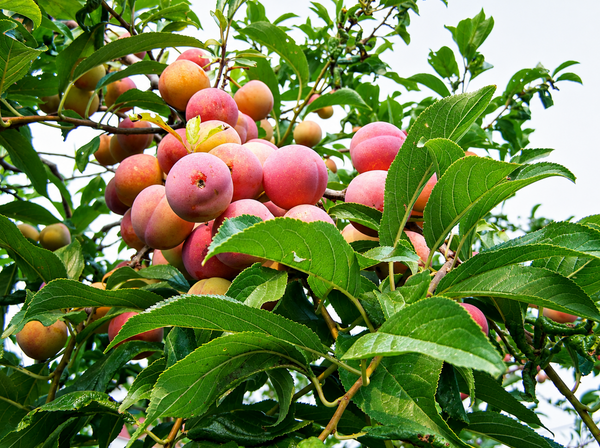
 Native American Plum(Bundle of 3)
$99.99
Native American Plum(Bundle of 3)
$99.99
-
 Toka Plum
From $49.99
Toka Plum
From $49.99
-
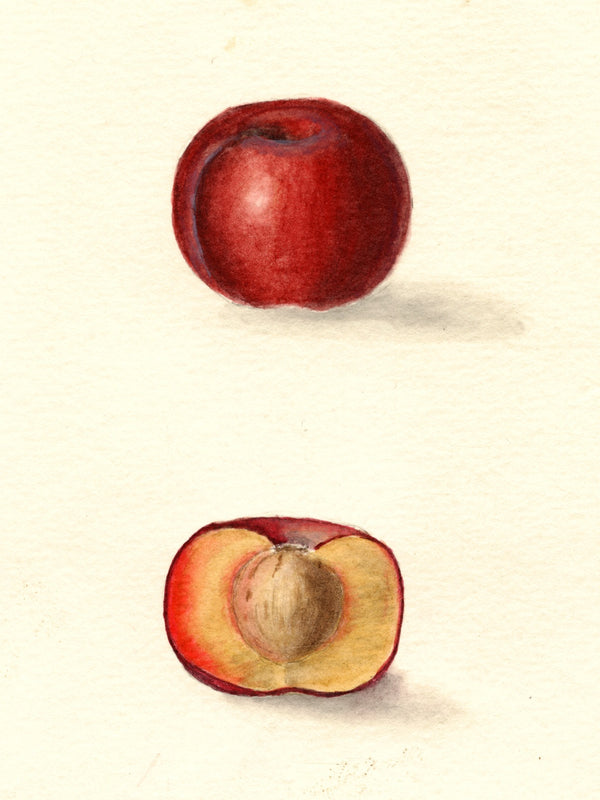 Kaga Plum
From $54.99
Kaga Plum
From $54.99
-
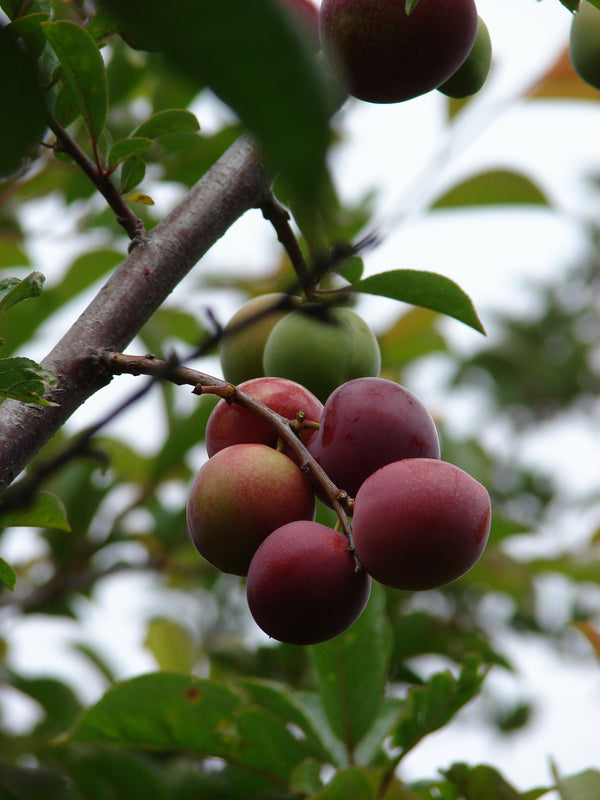 Kahinta Plum
$79.99
Kahinta Plum
$79.99
-
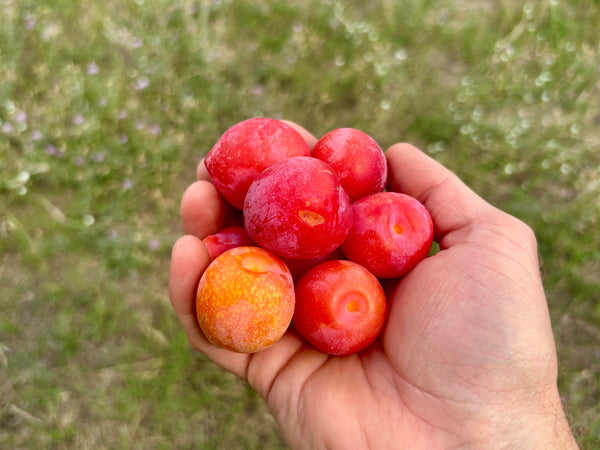 Superior Plum
From $49.99
Superior Plum
From $49.99
-
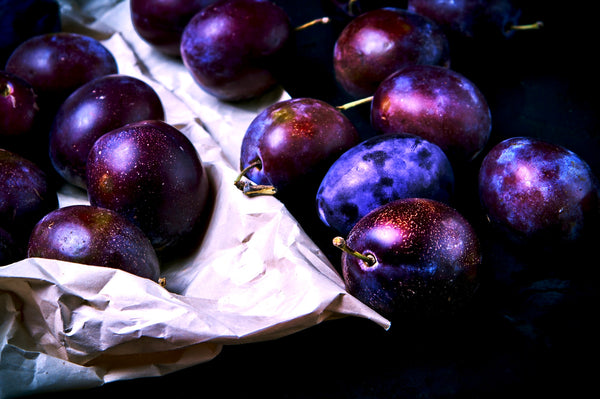 Black Ice Plum
From $44.99
Black Ice Plum
From $44.99
-
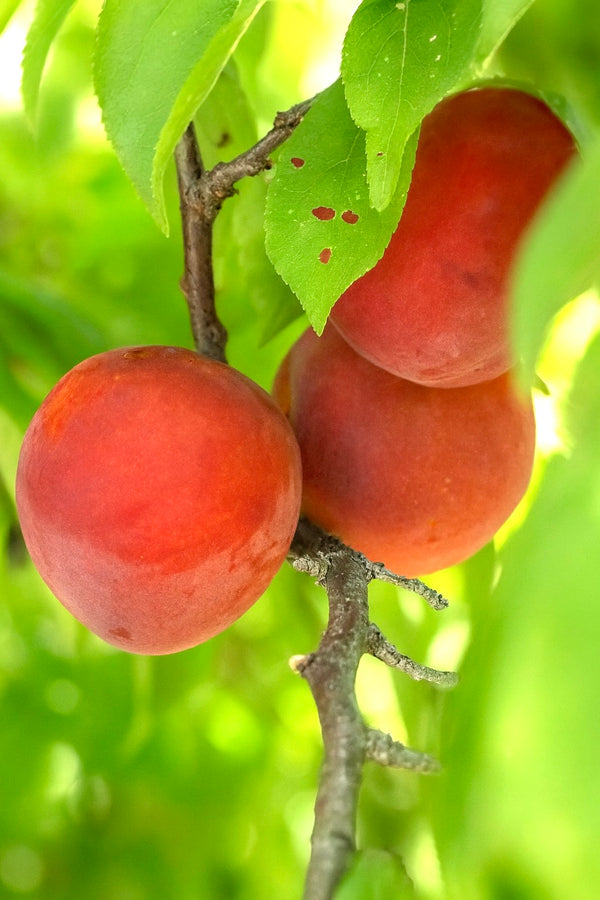 Underwood Plum
From $64.99
Underwood Plum
From $64.99
-
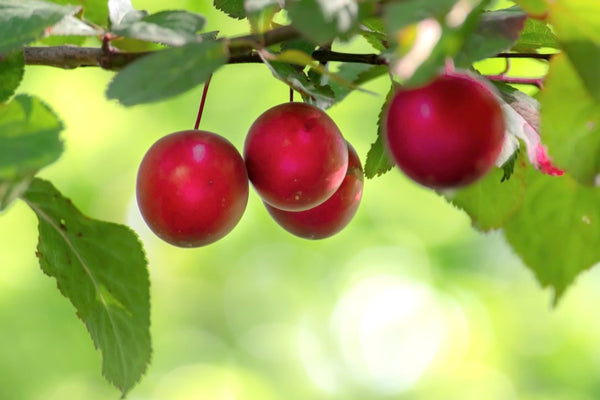 Gracious Plum
From $59.99
Gracious Plum
From $59.99
-
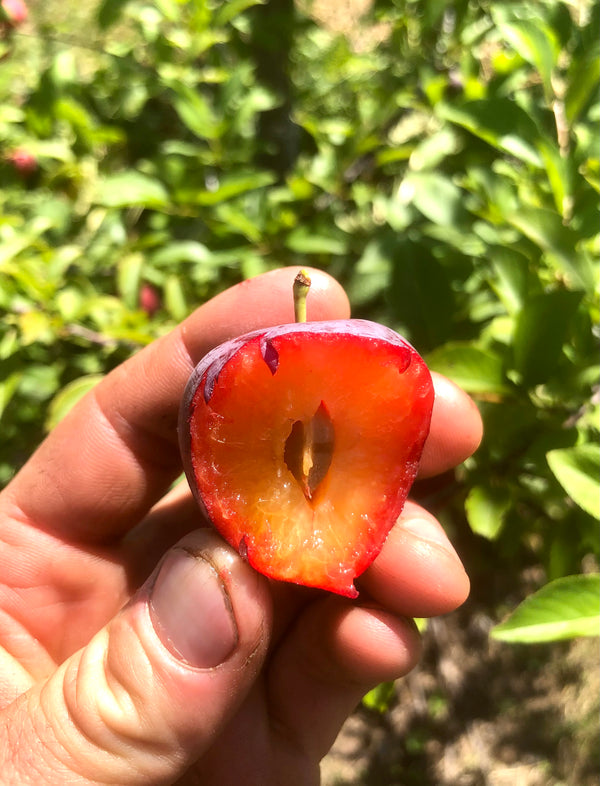 Kuban Delight Plum
$109.99
Kuban Delight Plum
$109.99
-
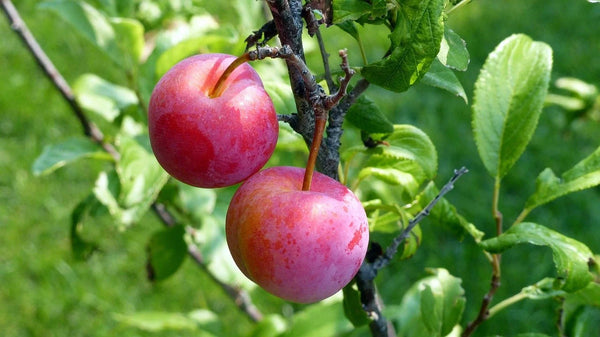 Prairie Red Plum(Bundle of 2)
$74.99
Prairie Red Plum(Bundle of 2)
$74.99
