
Skip to product information


Spokane Beauty Apple
$89.99
Reliable shipping
Flexible returns
Pollination
Needs a partner
Bloom group
3 of 7 (Early-Mid)
Overview
Spokane Beauty is a historic Inland Northwest heritage apple valued for its exceptional fruit size, attractive red striping, and strong performance in cold continental climates. It is a dual-purpose dessert and culinary apple long recognized for producing very large fruit with excellent flavor and dependable productivity. The variety became one of the few apple cultivars from eastern Washington to achieve regional notoriety and commercial recognition in the late 19th and early 20th centuries.
Origin & History
Spokane Beauty originated in Walla Walla, Washington in the mid-1800s as a chance seedling grown from planted apple pips by settler Stephen Maxson. Its exact parentage is unknown and has never been definitively identified. The seedling was later introduced and promoted by the Maxson family and became known as Spokane Beauty after being exhibited regionally.
The variety quickly gained recognition when it was presented at the Spokane Fruit Fair, where it won first-place ribbons in both 1895 and 1896. During the late 19th and early 20th centuries it became one of the most notable apple varieties originating from eastern Washington and was widely planted throughout the Inland Northwest.
Spokane Beauty reflects the early homesteading era of fruit growing in the Pacific Northwest, when orchardists planted seeds and selected exceptional seedlings capable of surviving harsh continental winters. Because apples do not grow true from seed, Spokane Beauty represents a unique genetic individual preserved through grafting since its discovery.
Fruit & Uses
Spokane Beauty produces very large to extremely large apples, sometimes reaching extraordinary size and weight compared to most dessert apples. The fruit is round to slightly irregular, with a pale green to yellow base color covered by bright red striping or blush. The flesh is white, crisp, firm, and juicy.
When we first tried these apples on Rod McIver’s farm in Kalispell, MT in the Fall of 2023 the first thing we noticed was their massive size. Thinking that the flavor was likely going to be watered down, this was exactly the opposite experience. The flavor was excellent. Good sweetness, with a nice touch of acidity, the apple had a very pleasant lemon flavor.
The fruit is excellent for fresh eating and also performs well for baking, drying, sauce, and juice. It holds shape well when cooked and stores for roughly three to four months under proper storage conditions.
Growth Habit
Trees are vigorous and upright to spreading with strong structural growth. Spokane Beauty is a tip-bearing variety that produces fruit on terminal shoots and tends toward annual cropping with proper management. It is known for early productivity, strong vigor, and reliable performance in colder orchard regions. Fruit thinning is often beneficial due to its tendency toward heavy crops.
Spacing
We offer Spokane Beauty on Budagovsky 118 rootstock.
On Bud 118, trees should be spaced about 15 feet apart. For tighter plantings, spacing can be reduced to 12 feet apart. For wider spacing in fertile soils or lower-density systems, trees can be spaced up to 18 feet apart.
Pollination
Like almost all apples, Spokane Beauty is not self-fertile and requires cross-pollination from another apple or crabapple with overlapping bloom. It is diploid and blooms in the mid-season apple bloom window.
Suitable pollenizers include any genetically distinct mid-season blooming Malus domestica or Malus crabapple. From our offerings, this includes McIntosh, Spartan, Kerr, Trailman, Goodland, Liberty, Wealthy, and many others.
Cold Hardiness
Spokane Beauty is highly adapted to cold continental climates. It is at least hardy to at least −35°F without winter injury, as shown on Rod McIver’s farm from the −35°F event his property experienced on January 13, 2024 in Kalispell, MT off of Rose Crossing. At least zone 3b.
Other Notes
Spokane Beauty is notable for its unusually large fruit size, with some specimens historically recorded at extremely large weights compared to standard apples. It was also selected as a parent for later cultivars and sports, including the large-fruited Stark Jumbo strain.
The variety is susceptible to apple scab and powdery mildew and benefits from standard orchard disease management. Despite this, it has remained valued as a hardy regional heirloom that represents the seedling-selection tradition of early Northwestern orchardists and the development of locally adapted cold-climate fruit genetics
Reference Plate (w/ cm grid) Image: Resolution enhanced from a public domain image. The apple is unchanged, but some of the surrounding text and numbers may vary.
Pollination partners
Trees that will pollenize Spokane Beauty Apple
Spokane Beauty Apple needs a different apple or crabapple nearby to set fruit. Every tree below blooms at the same time and has pollen that works for it. Plant partners within about 100 feet.
Bloom group
3 of 7 (Early-Mid)
Pollination
Needs a partner
Pollen
Good pollenizer
-
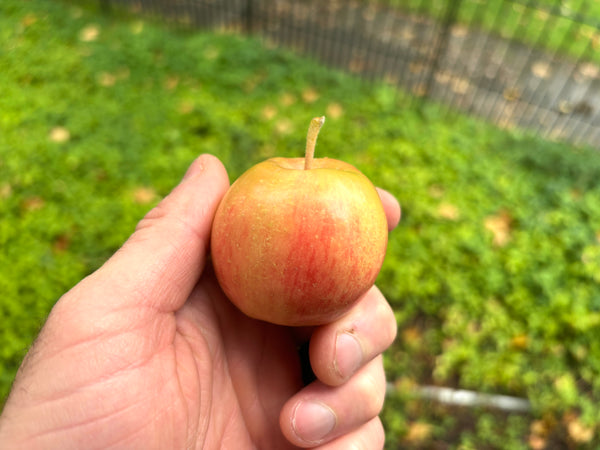 Hewe's Virginia Crabapple
From $74.99
Hewe's Virginia Crabapple
From $74.99
-
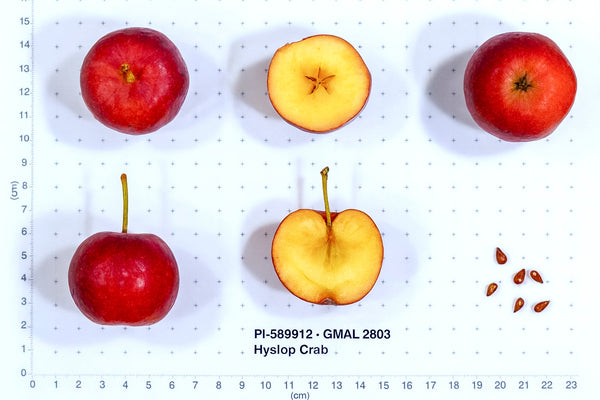 Hyslop Crabapple
$74.99
Hyslop Crabapple
$74.99
-
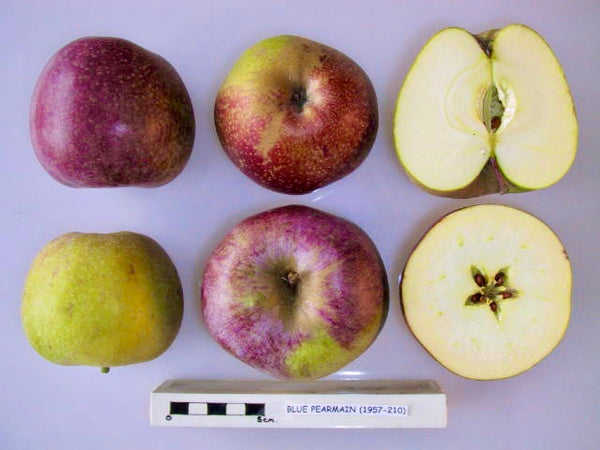 Blue Pearmain Apple
From $39.99
Blue Pearmain Apple
From $39.99
-
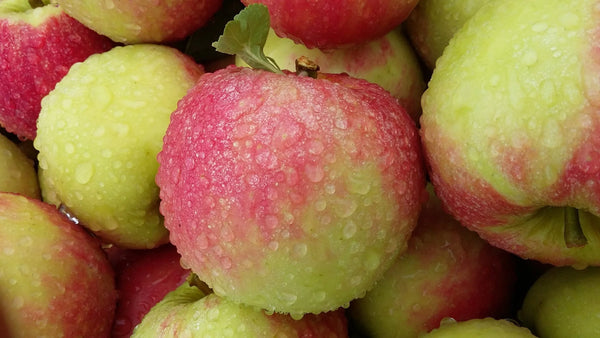 Carroll Apple
From $49.99
Carroll Apple
From $49.99
-
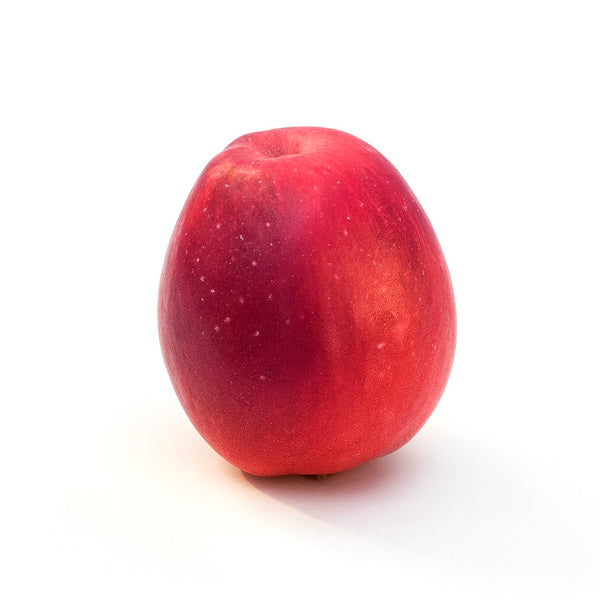 Centennial Applecrab
From $59.99
Centennial Applecrab
From $59.99
-
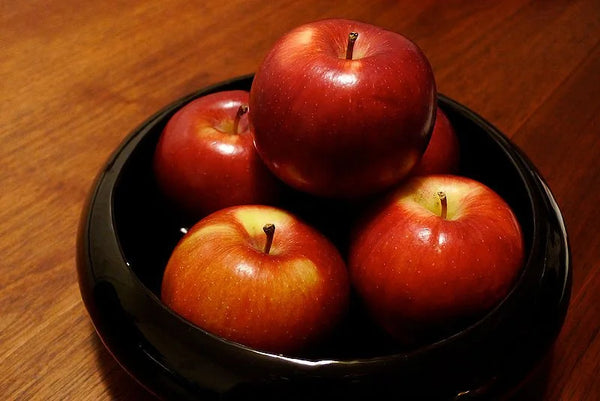 Empire Apple
From $34.99
Empire Apple
From $34.99
-
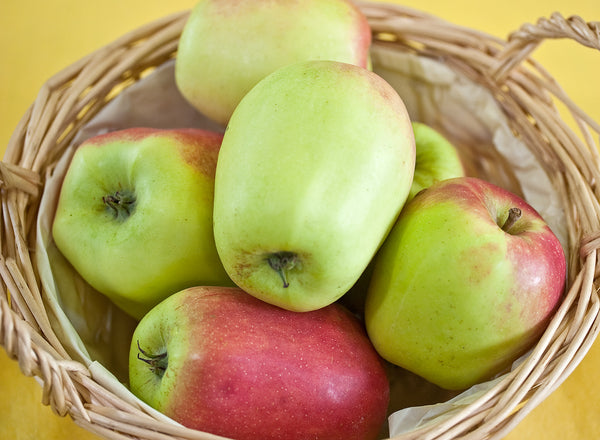 Glockenapfel Apple
$74.99
Glockenapfel Apple
$74.99
-
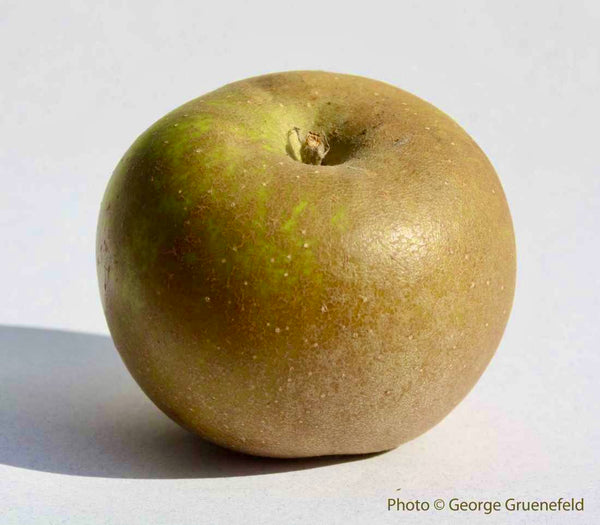 Golden Russet Apple
From $44.99
Golden Russet Apple
From $44.99
-
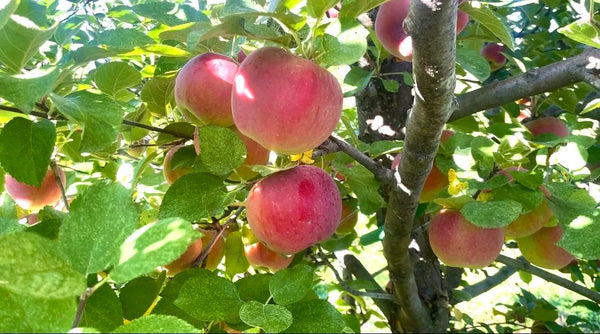 Liberty Apple
From $49.99
Liberty Apple
From $49.99
-
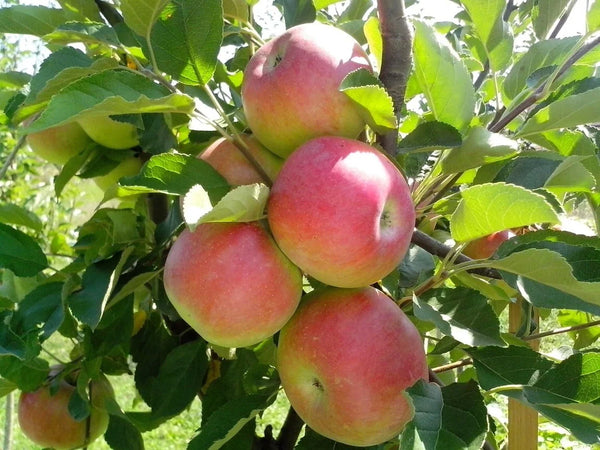 Parkland Apple
$74.99
Parkland Apple
$74.99
-
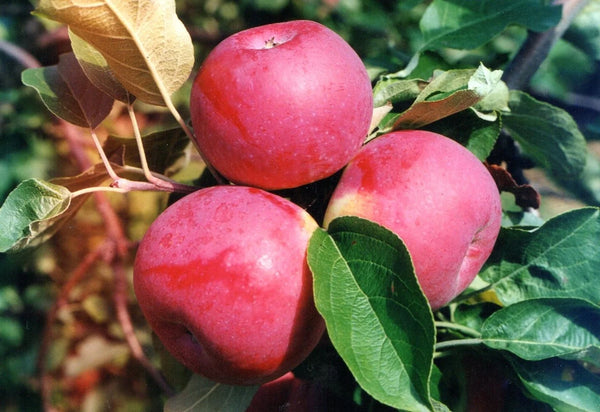 Paula Red Apple
From $59.99
Paula Red Apple
From $59.99
-
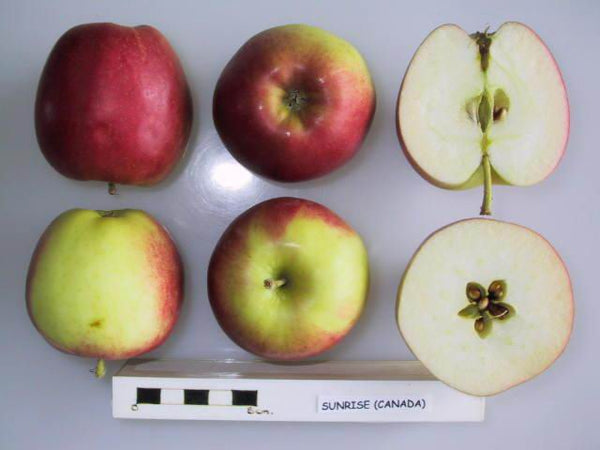 Sunrise(Canada) Apple
From $44.99
Sunrise(Canada) Apple
From $44.99
