
Skip to product information


Vekovaya Pear
$49.99
Reliable shipping
Flexible returns
Pollination
Needs a partner
Bloom group
3 of 7 (Early-Mid)
Introduction and Research Context
Vekovaya (Вековая) is a new pear cultivar for us. Because we are still in the early stages of evaluating this cultivar ourselves—and because there is very little high-quality information available in English—we conducted a targeted review of pomological research literature and translated key passages directly from Russian into English. The description below is synthesized exclusively from these primary sources:
-
Plodovodstvo i vinogradarstvo Yuga Rossii (2021) – https://journalkubansad.ru/get/1203/
-
Contemporary Horticulture (2019) – (КиберЛенинка)
-
“Итоги селекции груши на Южном Урале” (2011) – (КиберЛенинка)
-
“СОВЕРШЕНСТВОВАНИЕ СОРТИМЕНТА ГРУШИ НА ЮЖНОМ УРАЛЕ” (2023) – (КиберЛенинка)
-
VNIISPK variety entry: “Груша, Сорт Вековая” – (VNIISPK)
The description that follows reflects only what is reported in those sources, without extrapolation.
Vekovaya (Вековая) Pear
Research–Based Description (translated from Russian sources listed above)
Origin and Breeding Context
Vekovaya is a South Ural–bred pear cultivar. In a South Ural breeding summary, Vekovaya is reported as having been created using a high-winter-hardiness/scab-resistance donor (Ussurian pear hybrid No. 41-15-9) in combination with “elite 143” (“Вековая (с элитой 143)”). (КиберЛенинка) The VNIISPK national cultivar register gives a different parentage for Vekovaya, stating it was 'получен от скрещивания сортов Сюрприз и Повислая' (obtained by crossing the cultivars Syurpriz and Povislaya). We are recording both, since the South Ural breeding summary and the national register do not agree.
Ripening Period and Keeping Quality
In trial descriptions, Vekovaya is described as an autumn pear. Fruit maturity is reported as late August to early September, with stated keeping quality up to 45 days.
A separate institutional cultivar entry reports fruit ripening late August–early September and storage up to 1.5 months. (VNIISPK)
Tree Characteristics
In the Krasnodar evaluation paper, Vekovaya is described as a medium-sized, compact tree with a rounded crown, highly winter-hardy, and entering bearing in the 4th–5th year.
The VNIISPK cultivar entry states the cultivar is sufficiently winter-hardy in the Chelyabinsk region; in winter 2010 at −40°C (−40°F), freezing damage was reported up to 1.0 point, and the cultivar is described as having high recovery ability. (VNIISPK)
Productivity and Yield
In a long-term ecological adaptability study conducted in the Southern Urals, Vekovaya was the highest-yielding pear among the cultivars tested. Average production was reported at 15.5 metric tons per hectare, which translates to about 13,800 pounds of fruit per acre. Researchers described the variety as well adapted and reliable across different growing conditions, meaning it both responds well when conditions are good and remains productive when conditions are less ideal. Over a five-year period, Vekovaya showed an adaptability rating of 132%, indicating above-average performance compared to other tested cultivars.
Source: Ecological plasticity of pear cultivars in the Southern Urals (2019), CyberLeninka
https://cyberleninka.ru/article/n/ekologicheskaya-plastichnost-sortov-grushi-na-yuzhnom-urale
In a separate South Ural study summarizing results from 2019–2022, Vekovaya produced an average of 28.9 kilograms per tree, or roughly 64 pounds of fruit per tree. That same study reported even higher field-scale productivity of 17.8 metric tons per hectare, equivalent to about 15,900 pounds per acre, reinforcing Vekovaya’s reputation in Russian research as a consistently high-yielding pear.
Source: Improvement of the pear assortment in the Southern Urals (2023), CyberLeninka
https://cyberleninka.ru/article/n/sovershenstvovanie-sortimenta-grushi-na-yuzhnom-urale
Fruit Characteristics
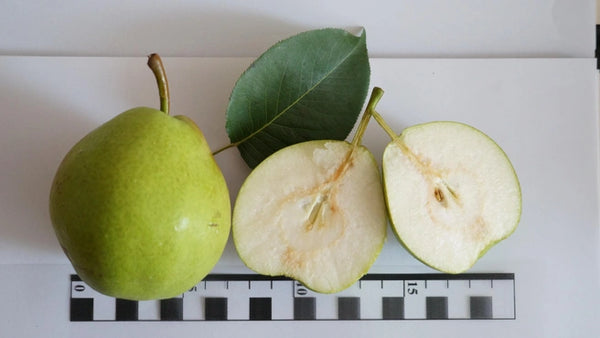
In the Krasnodar evaluation paper, Vekovaya fruit are reported as 130–240 g each (~1/4 lb to 1/2 lb per pear), pear-shaped, yellow, with characteristic red and gray dots, and sometimes an intense pink blush. Flesh is described as white, tender, very juicy, sweet-sour, with a tasting score reported as 4.4–4.6 points, which translates to "Very good to excellent dessert pear". The VNIISPK cultivar entry describes the flesh as white, dense, tender, fine-grained, sour-sweet with a moderate aroma, and notes use primarily fresh and for juice, compotes, and dried fruit. (VNIISPK)
Disease and Pest Resistance
In the Krasnodar evaluation paper, scab was not observed, and resistance to pear gall mite and bacterial fire blight is described as high.
It is also described there as high resistance to scab and pear gall mite. (VNIISPK)
Pollination Notes
In the Krasnodar evaluation paper, Vekovaya is described as self-sterile and requiring pollenizers.
Many of the pears that the VNIISPK cultivar entry lists recommends as pollenizers for Vekovaya we do not offer, with the exception of Larinskaya. (VNIISPK)
Winter Hardiness and Cold Climate Adaptation
In Russian pomological literature, Vekovaya is consistently described as a highly winter-hardy pear, bred specifically for severe continental climates. In South Ural trials, the cultivar demonstrated strong tolerance to extreme cold. During the winter of 2010, when air temperatures reached −40 °C (−40 °F), observed freezing damage on Vekovaya trees was reported as no more than 1.0 point, which in Russian evaluations indicates very minor injury with no meaningful impact on tree survival or recovery. Researchers also noted the cultivar’s high regenerative (recovery) capacity following winter stress, meaning trees were able to resume normal growth and fruiting after extreme cold events.
In broader South Ural breeding and assortment studies, Vekovaya is grouped with locally developed pears selected for long-term durability, winter survival, and stable productivity under harsh conditions. Its parentage includes Ussurian-derived material, which is commonly used in Russian breeding programs specifically to confer exceptional cold hardiness and resilience. Collectively, these findings position Vekovaya as a pear cultivar well adapted areas where winter minimums approach −40 °F. And given its success in Les McCartney's orchard in Bozeman, MT, where winters have been -45 °F, and his Vekovaya trees had no to very little winter injury, Vekovaya is likely hardy to zone 2b and even 2a, with possibly some winter injury. Good for much of Montana, even many areas east of the divide.
Pollination partners
Trees that will pollenize Vekovaya Pear
Vekovaya Pear needs a different European pear nearby to set fruit. Every tree below blooms at the same time and has pollen that works for it. Plant partners within about 100 feet.
Bloom group
3 of 7 (Early-Mid)
Pollination
Needs a partner
Pollen
Not tested yet
-
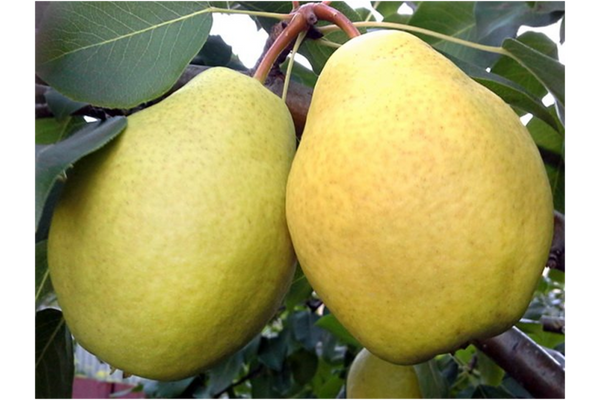 Larinskaya Pear
From $44.99
Larinskaya Pear
From $44.99
-
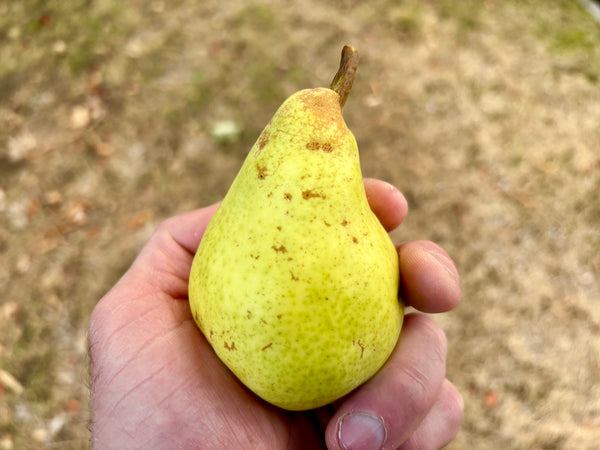 D'Anjou Pear
From $64.99
D'Anjou Pear
From $64.99
-
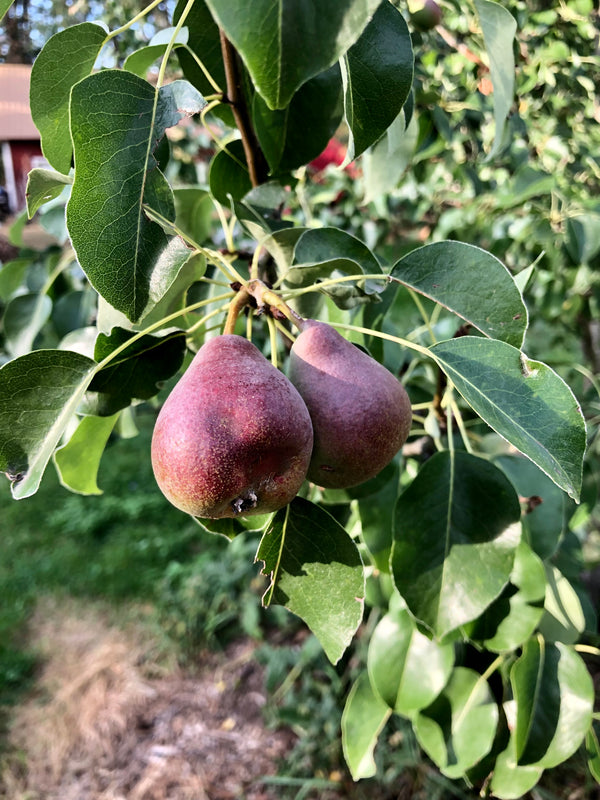 Stuttgarter Gaishirtle Pear
From $49.99
Stuttgarter Gaishirtle Pear
From $49.99
-
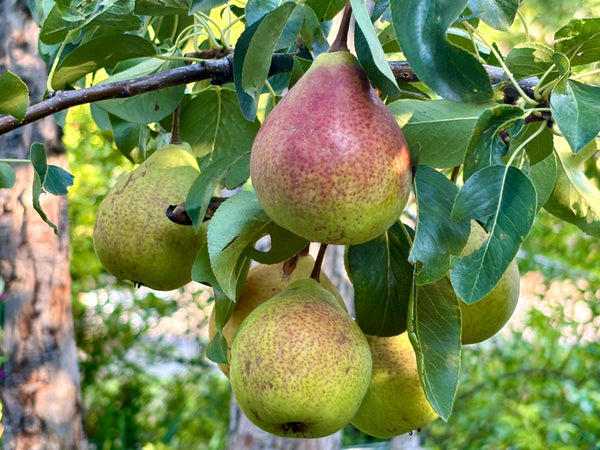 Summercrisp Pear
From $34.99
Summercrisp Pear
From $34.99
-
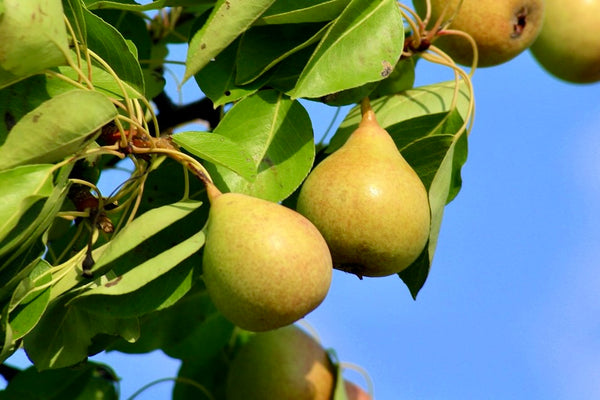 Ure Pear
From $49.99
Ure Pear
From $49.99
-
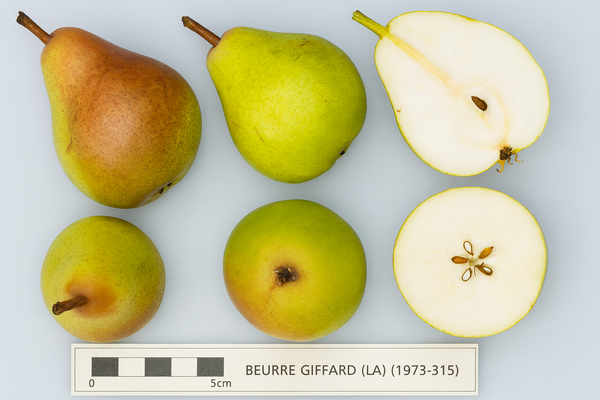 Beurré Giffard Pear
$84.99
Beurré Giffard Pear
$84.99
-
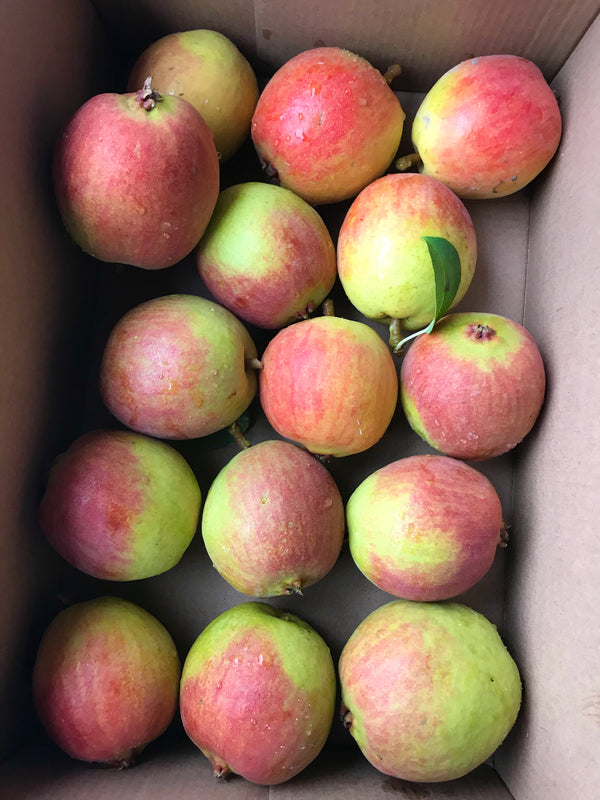 Krazulya Pear
From $44.99
Krazulya Pear
From $44.99
-
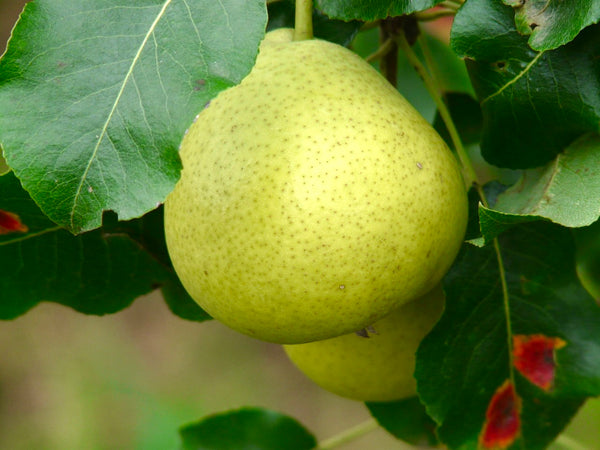 Savignac Pear
From $44.99
Savignac Pear
From $44.99
-
 Bolshaya Pear
From $34.99
Bolshaya Pear
From $34.99
-
 Bartlett Pear
From $64.99
Bartlett Pear
From $64.99
-
 Dana Hovey Pear
From $34.99
Dana Hovey Pear
From $34.99
-
 Honeysweet Pear
$49.99
Honeysweet Pear
$49.99
