Skip to product information


Wickson Crabapple
$39.99
Reliable shipping
Flexible returns
Pollination
Needs a partner
Bloom group
3 of 7 (Early-Mid)
Ripening
Will it finish before your first hard freeze?
Check it on the Ripening Map (opens in a new tab)At a glance: Wickson Crabapple is a crabapple tree rated hardy to zone 3 in our ratings (winters to -40°F), and not self-fertile, so it needs a different variety nearby as a pollenizer (bloom group 3 of 7, early-mid for an apple or crabapple).
| Hardy to | Zone 3 to 9. A bare number means the whole of zone 3, colder half included (winters to -40°F). Our notes have it taking -38°F. Find your zone with our cold hardiness calculator. |
|---|---|
| Pollination | Needs Cross-Pollination. Bloom group 3 of 7 (early-mid), late spring here. Plant a different apple or crabapple variety that blooms in groups 2 to 4, such as Centennial Applecrab, Hewe's Virginia Crabapple or Liberty. It has good pollen, so it can also pollenize other apples blooming at the same time. Good partners we carry: Hewe's Virginia Crabapple, Centennial Applecrab, Liberty Apple, Snowsweet® Apple and 100 more. Apple Pollination Map. |
| Rootstock and size | Bud 118: semi-dwarf in our dry Montana soils, semi-standard on paper, about 12 to 18 ft tall unpruned. Stands on its own, few suckers. Our rootstock guide. |
| Good for | Hard cider (9/10), fresh eating (8/10), juice and sweet cider (8/10), pollenizing other trees (7/10). Scores are our own 1 to 10 ratings; 8 and up makes our Best Of lists. |
| Deer | A deer favorite. Fence it or cage it. |
| What you get | Bare root, 2-4 ft or 4-5 ft. bud grafts on one year older rootstock. Shipped or picked up in Missoula in spring, roots wrapped in moist sawdust. Guaranteed to bud out. |
Overview
Wickson Crabapple is a high-sugar, high-acid Malus fruit prized for intense flavor and for adding structure to cider blends. It’s widely used as a “booster” fruit because it can raise both perceived brightness and fermentable sugars in blends, and it’s also valued for kitchen. Our friends at Western Cider in Missoula have brewed a killer Wickson varietal cider, and often use it in their blends to offer flavor complexity.
Origin & History
Wickson is an Albert Etter introduction from Humboldt County, California, generally reported as introduced in 1944 and named in honor of E. J. Wickson, a prominent California horticultural figure. Its parentage is commonly repeated as Newtown Pippin and Esopus Spitzenburg, but the historical paperwork is described as confusing/unclear in multiple sources; the safest accurate phrasing is that it is often cited as a Newtown Pippin × Esopus Spitzenburg-type cross, with parentage not perfectly documented.
Fruit & Uses
The fruit is small (crabapple-sized to “large crab” sized depending on grower and climate) and is known for unusually high sugar paired with strong acidity. That combination makes it especially valuable for hard cider and juice blending, and it is also commonly used where high pectin is beneficial (jellies/jams). In terms of the flavor for fresh eating, here are unedited taste notes from Luke when he tried the fruit fresh on 10/2/25 on Missoula, MT:
"Intense. Delicious and very bright and fruity. Slight citrus, melon, hints of raspberry and strawberry. Tangy with some nice sweetness. Mild astringency about 15 seconds after eating."
The fruit ripens in Missoula end of Sept./Early Oct. so it is fairly late for us in Missoula. Likely would not ripen in time in shorter growing season, such as parts of Alaska, even if it did survive into the -40Fs (we're not sure if it can, see 'Cold Hardiness' below).
Growth Habit
Wickson is vigorous and productive, with abundant bloom and strong annual bearing in nursery descriptions. It is also a good pollenizer for other apples/crabapples because of heavy bloom and viable pollen.
Spacing
We offer Wickson on Bud 118 semi-dwarf. Bud 118 is a vigorous, cold-hardy semi-dwarf rootstock which is noted as semi-standard in the literature, but our experience growing it in Montana is that it is more so a semi-dwarf. Perhaps in warmer climate/longer growing season/deeper and less dry/alkaline soils that it would behave more as a semi-standard. Aim for 15 ft. in MT and perhaps further apart in better growing conditions
Pollination
Like most Malus species, Wickson is not self-fertile and needs a pollenizer. It is diploid and fertile, and examples of pollenizers for Wickson that we offer include: Centennial, Hewe's Virginia, Honeycrisp, Liberty, Newtown Pippin, William's Pride, Zestar!, Snowsweet, Spartan, and Wolf River
Cold hardiness
Wickson is commonly listed as a Zone 3. In our experience in Montana, Wickson withstood -38°F in Corvallis, MT from a 1/13/24 polar front, without any winter injury. Whether Wickson can withstand temperatures lower than this is likely, but how much lower we do not know. In order to be conservative, we are listing Wickson as a solid zone 3a.
Other Notes
Wickson has a long-running “identity confusion” history in fruit circles (it has been mis-sold under other names in some contexts), so sourcing true-to-type material matters if someone is collecting it for cider work. On disease: sources describe it as very slightly susceptible to fire blight, scab, and cedar-apple rust (not a “disease-resistant” crabapple), so good airflow, balanced fertility, and standard sanitation practices are the right management frame rather than promising resistance.
Questions we get about Wickson Crabapple
Does Wickson Crabapple need a pollenizer?
Yes. Wickson Crabapple needs pollen from a different variety that blooms at about the same time. Plant a different apple or crabapple variety that blooms in groups 2 to 4, such as Centennial Applecrab, Hewe's Virginia Crabapple or Liberty. It has good pollen, so it can also pollenize other apples blooming at the same time. Partners we carry include Hewe's Virginia Crabapple, Centennial Applecrab, Liberty Apple.
How cold hardy is Wickson Crabapple?
We rate Wickson Crabapple hardy to zone 3, which means winters down to about -40°F. Our notes have it taking -38°F. Our ratings come from real winters at our two Montana sites and from trusted growers across the North, not from a catalog average.
How big does Wickson Crabapple get?
We graft Wickson Crabapple onto Bud 118 (semi-dwarf in our dry Montana soils, semi-standard on paper), which makes a tree roughly 12 to 18 ft tall if you never prune it.
What is Wickson Crabapple good for?
Our top use scores for Wickson Crabapple are hard cider (9/10), fresh eating (8/10), juice and sweet cider (8/10), pollenizing other trees (7/10). Anything scored 8 or higher makes our Best Of lists.
Will deer eat Wickson Crabapple?
Yes, deer love it. Protect Wickson Crabapple with a fence or a cage, especially while it is young.
What arrives, and when does Wickson Crabapple ship?
A dormant bare-root plant, roots wrapped in moist sawdust with a vapor barrier, shipped or picked up in Missoula in spring. Sizes offered: 2-4 ft or 4-5 ft. bud grafts on one year older rootstock. We guarantee our plants bud out. Stone fruits can be slow, so if one still has not budded out by August 15, write to us and we credit you for the following spring.
Pollination partners
Trees that will pollenize Wickson Crabapple
Wickson Crabapple needs a different apple or crabapple nearby to set fruit. Every tree below blooms at the same time and has pollen that works for it. Plant partners within about 100 feet.
Bloom group
3 of 7 (Early-Mid)
Pollination
Needs a partner
Pollen
Good pollenizer
-
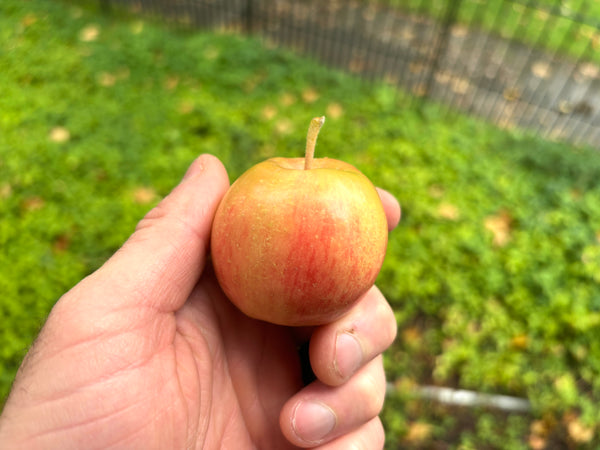 Hewe's Virginia Crabapple(Spring 2027)
From $74.99
Hewe's Virginia Crabapple(Spring 2027)
From $74.99
-
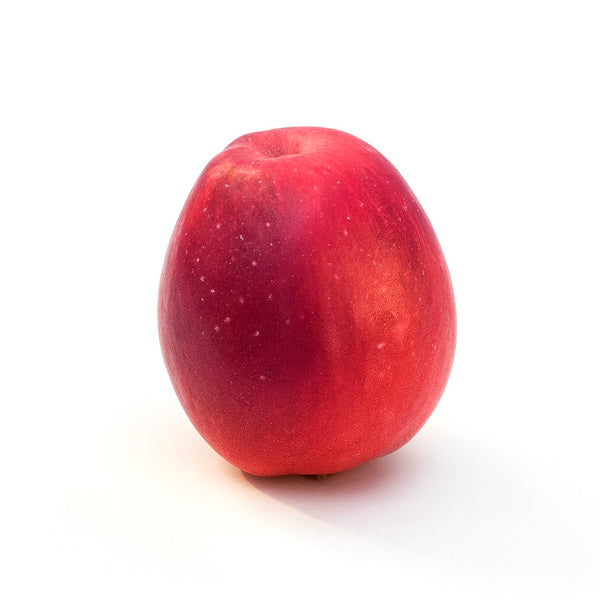 Centennial Applecrab(Spring 2027)
From $59.99
Centennial Applecrab(Spring 2027)
From $59.99
-
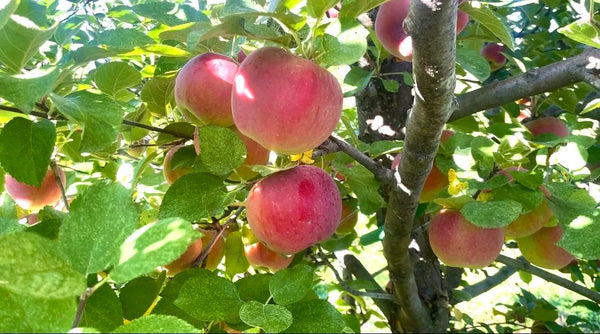 Liberty Apple(Spring 2027)
From $49.99
Liberty Apple(Spring 2027)
From $49.99
-
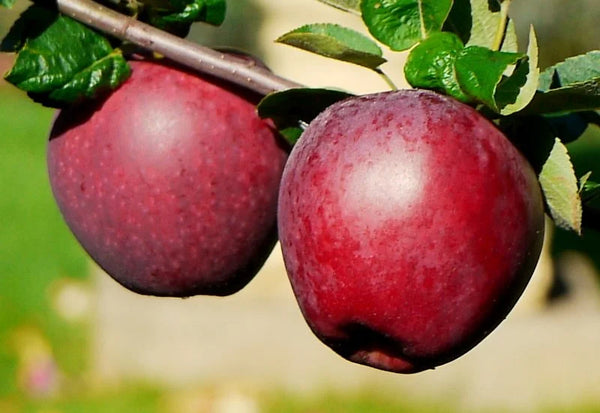 Spartan Apple(Spring 2027)
From $59.99
Spartan Apple(Spring 2027)
From $59.99
-
 Zestar!® Apple(Spring 2027)
From $59.99
Zestar!® Apple(Spring 2027)
From $59.99
-
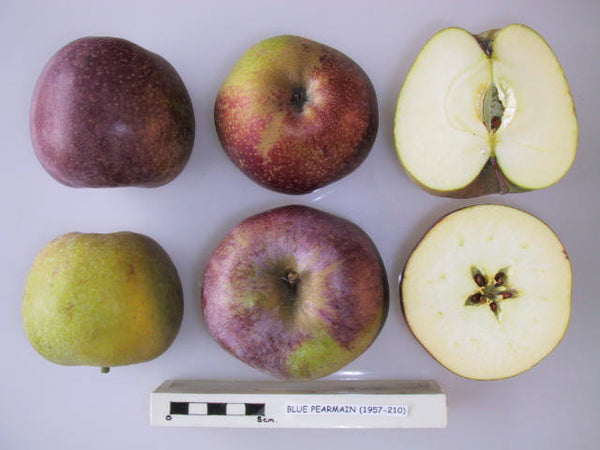 Blue Pearmain Apple(Spring 2027)
From $39.99
Blue Pearmain Apple(Spring 2027)
From $39.99
-
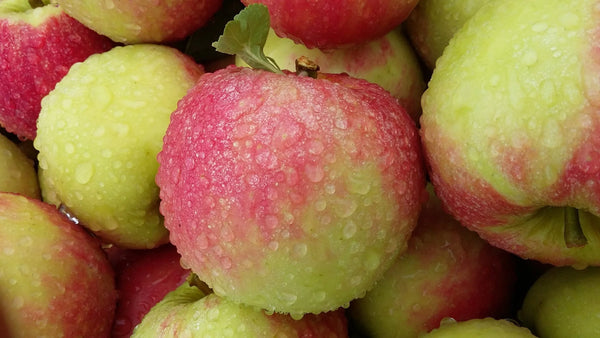 Carroll Apple(Spring 2027)
From $49.99
Carroll Apple(Spring 2027)
From $49.99
-
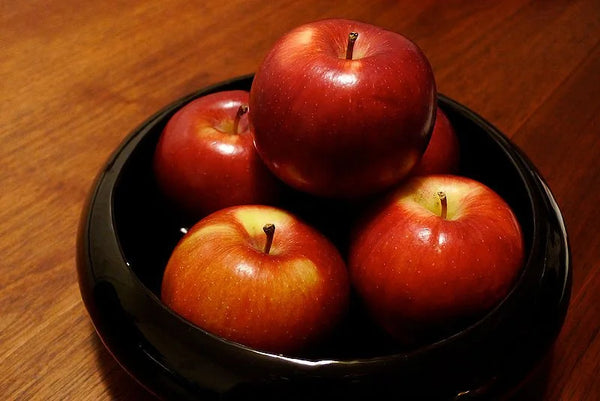 Empire Apple(Spring 2027)
From $34.99
Empire Apple(Spring 2027)
From $34.99
-
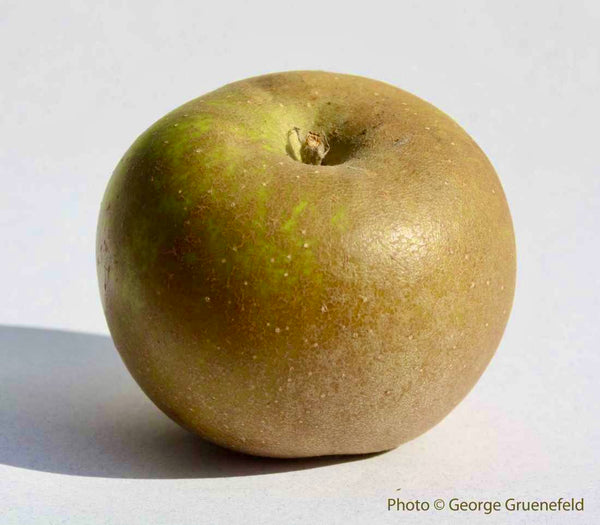 Golden Russet Apple(Spring 2027)
From $44.99
Golden Russet Apple(Spring 2027)
From $44.99
-
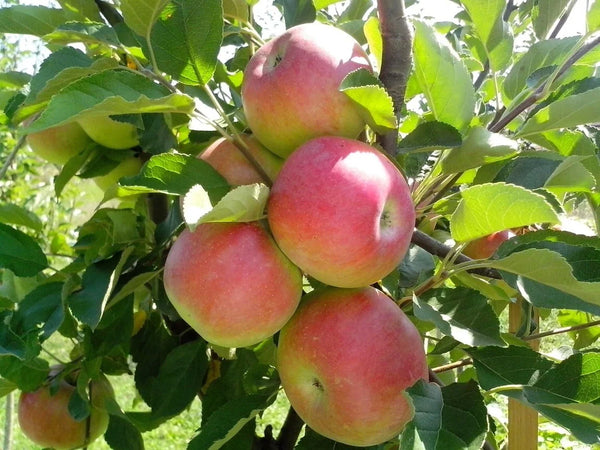 Parkland Apple(Spring 2027)
$74.99
Parkland Apple(Spring 2027)
$74.99