
Skip to product information


Zard Apricot
$49.99
Reliable shipping
Flexible returns
Pollination
Self-fertile
Bloom group
7 of 7 (Very Late)
Ripening
Will it finish before your first hard freeze?
Check it on the Ripening Map (opens in a new tab)Overview
Zard is a heritage Iranian apricot valued in cold and frost-prone climates for one defining trait: it stays dormant longer than most apricots (but also incredible flavor!). That very late bloom habit can dramatically improve cropping reliability in places where winter thaws and early spring warmth routinely trigger premature bloom in other cultivars. Many of the prairie province apricots can withstand colder mid-winter extreme temps, but bloom earlier in the Spring. Zard also stands out as a pale yellow, very sweet apricot with a sweet kernel, placing it in the long Central and West Asian tradition of apricots selected as much for eating quality and drying potential as for hardiness.
Origin & History
Zard is an old apricot cultivar from Iran with no documented modern breeding-program parentage; it is treated as a traditional cultivar rather than a named cross. The name Zard comes from Persian زرد, meaning yellow, and it is closely tied to the Persian word for apricot, زردآلو (zard-ālū). In other words, Zard is not a marketing name—its identity is embedded in the Persian language itself, reflecting both color and cultural familiarity. Zard’s late bloom behavior is repeatedly attributed to a combination of high chilling requirement and a need for substantial spring heat before budbreak, which helps explain why it avoids false-spring bloom events and later frosts better than many even cold hardy apricots.
Fruit & Uses
Zard produces medium-sized, pale yellow fruit that are notably sweet when fully ripe, but also other wonderful flavor notes. This is Luke's favorite apricot he has ever tried, along with Montana Mango. A distinctive, well-attested trait is its large pit with a sweet kernel, which is unusual enough to merit mention because it connects Zard to traditional West and Central Asian apricots where kernels are sometimes valued. Zard is excellent for fresh eating at full ripeness and is also a strong candidate for drying and preserves in climates where the fruit can be ripened thoroughly on the tree.
Growth Habit
Zard has a very upright growth habit, tending toward narrower branch angles unless trained early. That upright structure makes training important in snow, wind, and heavy-crop regions—opening the canopy and building strong scaffold angles early will pay off long-term with better light penetration, easier pruning, and reduced breakage risk.
Spacing
We offer Zard on Manchurian full-size rootstock, which is the most cold hardy apricot rootstock in our experience. in multiple size variants. On standard Manchurian apricot rootstock, a spacing of approximately 15 feet between trees is a proven, practical baseline that balances canopy development with adequate light and airflow. If you want a larger tree with less pruning over time, give it more room; if you plan to prune annually and keep the canopy tighter, 15 feet remains a dependable standard spacing for managed trees.
Pollination
Zard is self-fertile and can set fruit as a standalone tree, but fruit set can be improved and stabilized by cross-pollination, especially in marginal spring conditions when weather reduces pollinator activity. Other late flowering cultivars we offer that overlap wit Zard's bloom window include Dr. 606 and Precious. That said, the prairie province apricots should also overlap.
Cold hardiness
Zard’s main reliability advantage is late bloom, but it also has a real, concrete cold-performance datapoint: it has been documented to withstand −33°F in southwestern Minnesota and still bear a full crop. y to wood survival but to functional flowering and fruiting after a severe winter event. Like all apricots, true “limit temps” depend on dormancy state, site conditions, and winter pattern, so the most defensible approach is to anchor hardiness to documented events and observed performance rather than optimistic generalities. Purvis notes that its mid-winter extreme hardiness is in the low -40Fs. Zone 3b and 3a protected sites (out of risk of frost pooling/depressions and good air flow).
Other Notes
A fascinating detail about Zard is how directly it ties into Persian language and fruit culture: زرد means yellow, and زردآلو is the common Persian word for apricot, reinforcing that Zard is a deeply rooted, traditional cultivar identity rather than a modern reinvention. On disease resistance, there are no trustworthy, variety-specific claims that Zard has exceptional resistance to major apricot diseases. The most accurate framing is to manage it like other apricots: emphasize airflow and sun, avoid overly lush nitrogen-driven growth, protect trunks in harsh microclimates, and prioritize pruning hygiene to reduce canker and rot pressures in stressful years.
Pollination partners
Good partners for Zard Apricot
Zard Apricot is self-fertile, so one tree will fruit on its own. If you'd like a second apricot, these bloom at the same time and work well together.
Bloom group
7 of 7 (Very Late)
Pollination
Self-fertile
Pollen
Good pollenizer
-
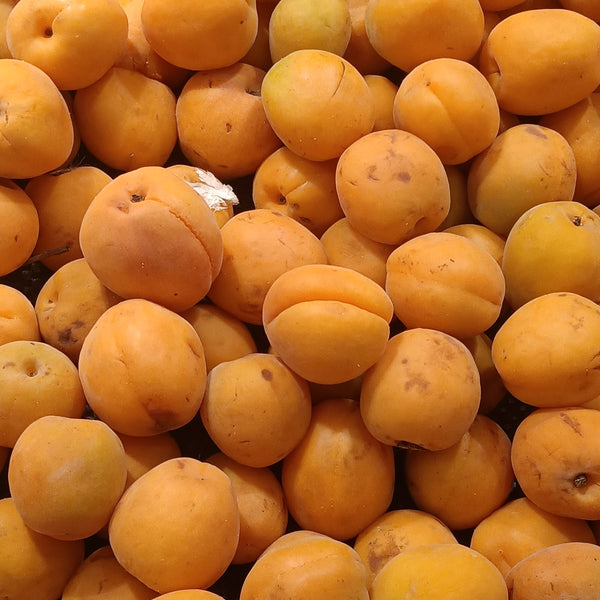 Wayne Apricot
From $49.99
Wayne Apricot
From $49.99
-
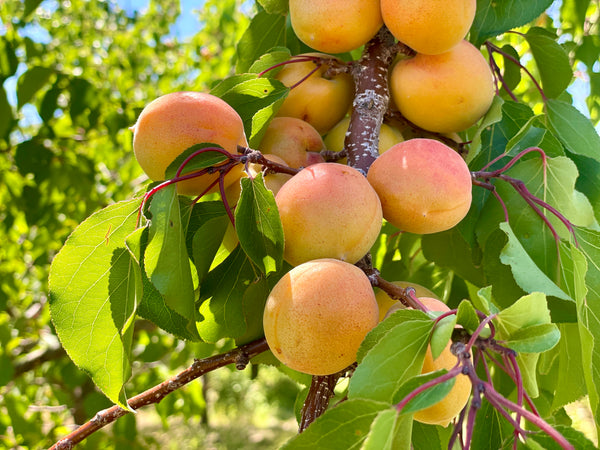 Zard Apricot Seedling(Bundle of 2)
From $99.99
Zard Apricot Seedling(Bundle of 2)
From $99.99
-
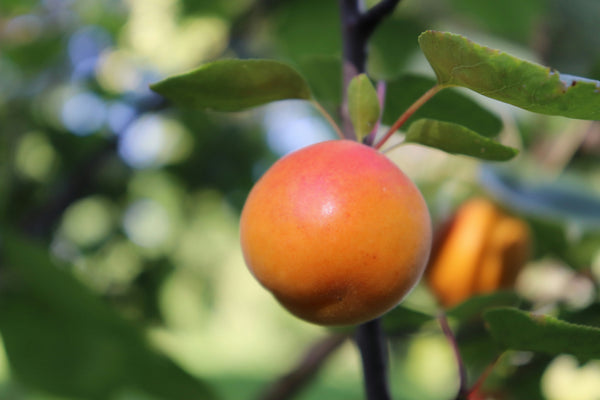 Sold out
Dr 606 Apricot
Sold out
Dr 606 Apricot
-
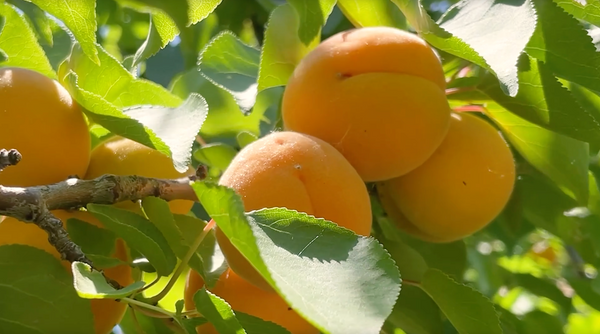 Sold out
Precious Apricot
Sold out
Precious Apricot
