Skip to product information


Brown Snout Apple (Spring 2027)
$89.99
Reliable shipping
Flexible returns
Pollination
Needs a partner
Bloom group
6 of 7 (Late)
Ripening
Will it finish before your first hard freeze?
Check it on the Ripening Map (opens in a new tab)At a glance: Brown Snout Apple is an apple tree rated hardy to zone 4 from other growers' reports (winters to -30°F), and not self-fertile, so it needs a different variety nearby as a pollenizer (bloom group 6 of 7, late for an apple or crabapple).
| Hardy to | Zone 4 to 8. A bare number means the whole of zone 4, colder half included (winters to -30°F). Find your zone with our cold hardiness calculator. |
|---|---|
| Pollination | Needs Cross-Pollination. Bloom group 6 of 7 (late), late spring here. Plant a different apple or crabapple variety that blooms in groups 5 to 7. It has good pollen, so it can also pollenize other apples blooming at the same time. Good partners we carry: Binet Rouge Apple, Black Oxford Apple, Ellis Bitter Apple, Honeycrisp Apple and 14 more. Apple Pollination Map. |
| Rootstock and size | Bud 118: semi-dwarf in our dry Montana soils, semi-standard on paper, about 12 to 18 ft tall unpruned. Stands on its own, few suckers. Our rootstock guide. |
| Good for | Hard cider (7/10). Scores are our 1 to 10 ratings, but we're still new to this one, so they lean on published descriptions and other growers rather than our own harvests. 8 and up makes our Best Of lists. |
| Deer | A deer favorite. Fence it or cage it. |
| What you get | Bare root, 5-7 ft. Shipped or picked up in Missoula in spring, roots wrapped in moist sawdust. Guaranteed to bud out. |
This is our first year growing Brown Snout, so all of the following information below is second hand.
History & Origins
Brown Snout is a traditional English cider apple that originated in Herefordshire in the early 19th century. Its exact parentage is unknown, but it has long been recognized as a classic bittersweet variety used in West Country cider making.
Fruit Appearance
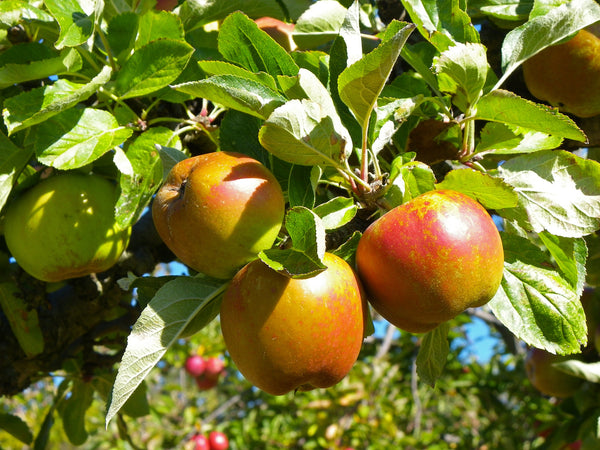
The apples are small to medium in size and often show the characteristic russeted “brown snout” near the calyx, which gives the variety its name. The skin is typically green to yellow-green with varying amounts of russet.
Flavor & Cider Qualities
The flesh is moderately firm and aromatic, producing juice with rich bittersweet tannins, low acidity, and good body. It's ideal for traditional English-style cider and for blending with sharper varieties.
Hardiness
Cold hardiness is considered moderate for an English cider apple, generally performing best in climates around Zone 4–5 depending on rootstock and growing conditions. So therefore for Montana growers, we would say it is hardy to -30F, and should likely only be planted in the warmest microclimates of the warmest valley of Montana.
Image courtesy of David Pickering
Questions we get about Brown Snout Apple
Does Brown Snout Apple need a pollenizer?
Yes. Brown Snout Apple needs pollen from a different variety that blooms at about the same time. Plant a different apple or crabapple variety that blooms in groups 5 to 7. It has good pollen, so it can also pollenize other apples blooming at the same time. Partners we carry include Binet Rouge Apple, Black Oxford Apple, Ellis Bitter Apple.
How cold hardy is Brown Snout Apple?
We list Brown Snout Apple at zone 4, which means winters down to about -30°F. We're still new to it, so that rating comes from published sources and other growers' reports rather than our own winters. We'll adjust it as our own trees go through more Montana winters.
How big does Brown Snout Apple get?
We graft Brown Snout Apple onto Bud 118 (semi-dwarf in our dry Montana soils, semi-standard on paper), which makes a tree roughly 12 to 18 ft tall if you never prune it.
What is Brown Snout Apple good for?
Our top use scores for Brown Snout Apple are hard cider (7/10). Since we're still new to it, that score leans on published descriptions and other growers rather than our own harvests.
Will deer eat Brown Snout Apple?
Yes, deer love it. Protect Brown Snout Apple with a fence or a cage, especially while it is young.
What arrives, and when does Brown Snout Apple ship?
A dormant bare-root plant, roots wrapped in moist sawdust with a vapor barrier, shipped or picked up in Missoula in spring. Sizes offered: 5-7 ft. We guarantee our plants bud out. Stone fruits can be slow, so if one still has not budded out by August 15, write to us and we credit you for the following spring.
Pollination partners
Trees that will pollenize Brown Snout Apple
Brown Snout Apple needs a different apple or crabapple nearby to set fruit. Every tree below blooms at the same time and has pollen that works for it. Plant partners within about 100 feet.
Bloom group
6 of 7 (Late)
Pollination
Needs a partner
Pollen
Good pollenizer
-
 Black Oxford Apple(Spring 2027)
From $44.99
-
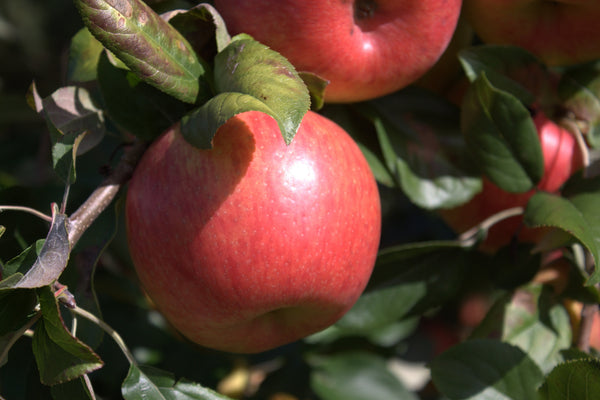 Honeycrisp Apple(Spring 2027)
From $59.99
-
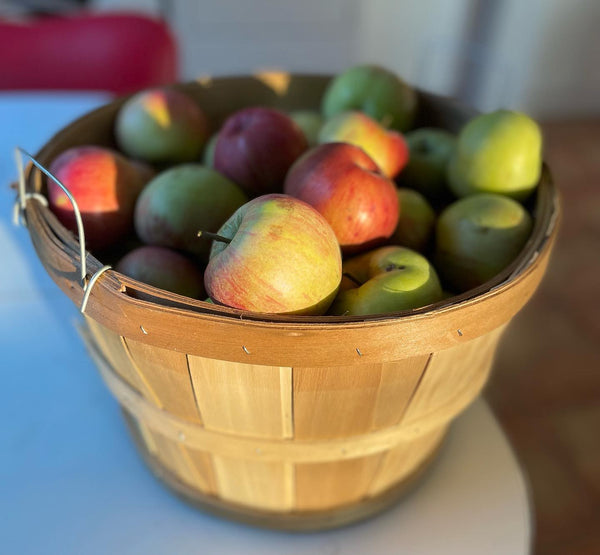 Northern Spy Apple(Spring 2027)
From $39.99
-
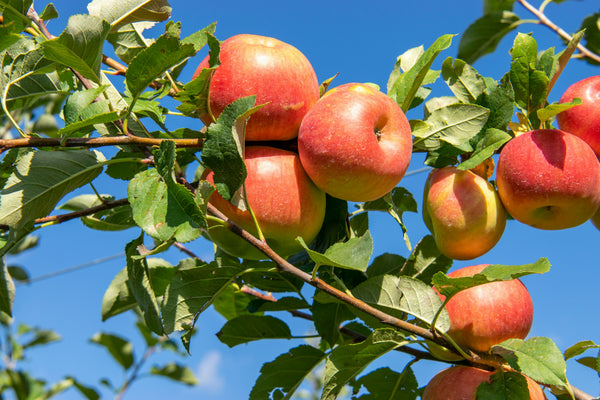 Oriole Apple(Spring 2027)
From $49.99
-
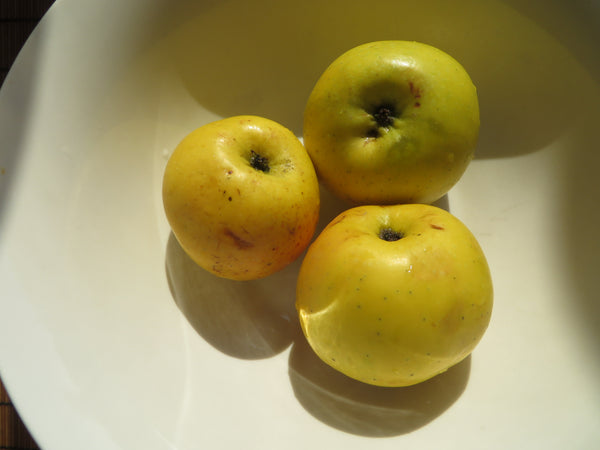 Reinette Simirenko Apple(Spring 2027)
From $44.99
-
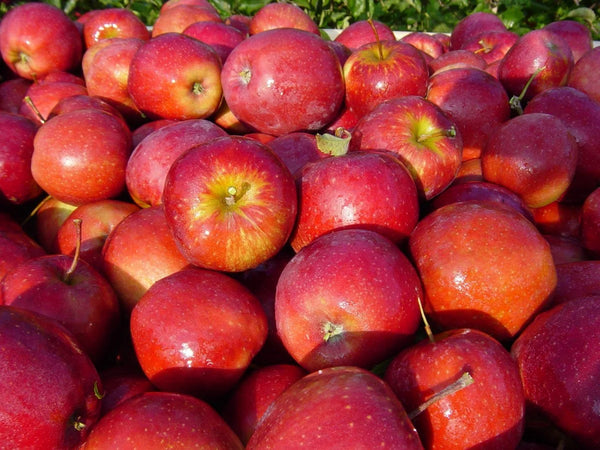 Spencer Apple(Spring 2027)
From $49.99
-
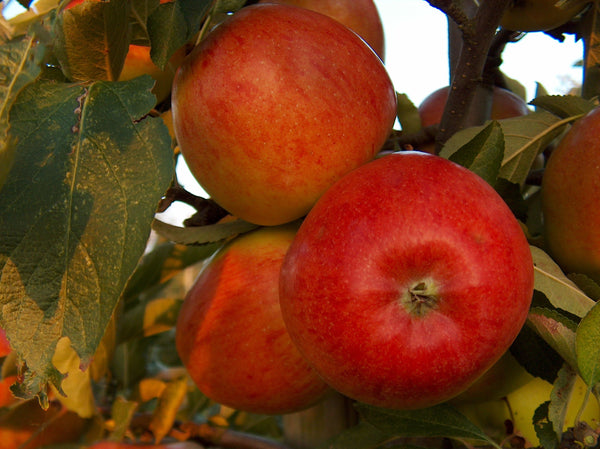 Sweet Sixteen Apple(Spring 2027)
From $44.99
-
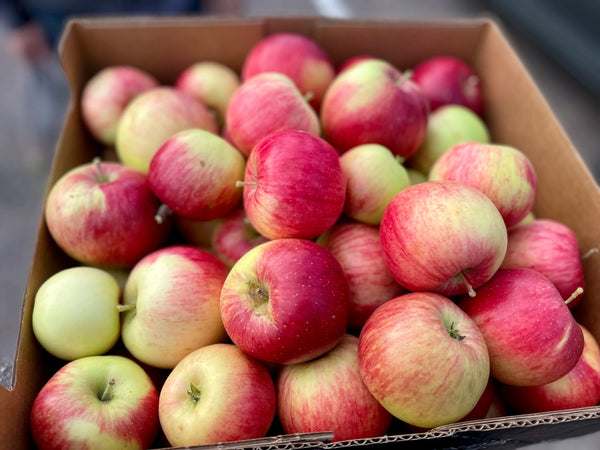 Wealthy Apple(Spring 2027)
From $59.99
-
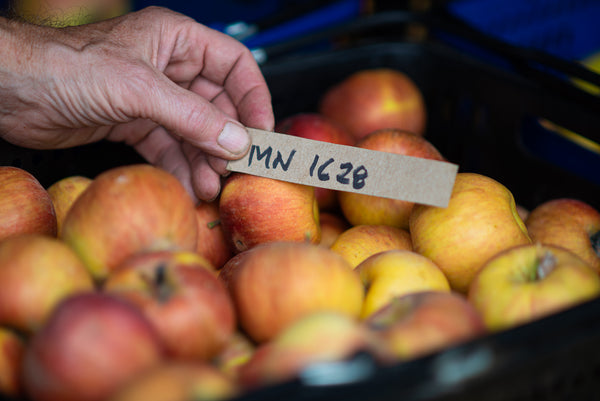 MN 1628 Apple(Spring 2027)
$89.99