
Skip to product information
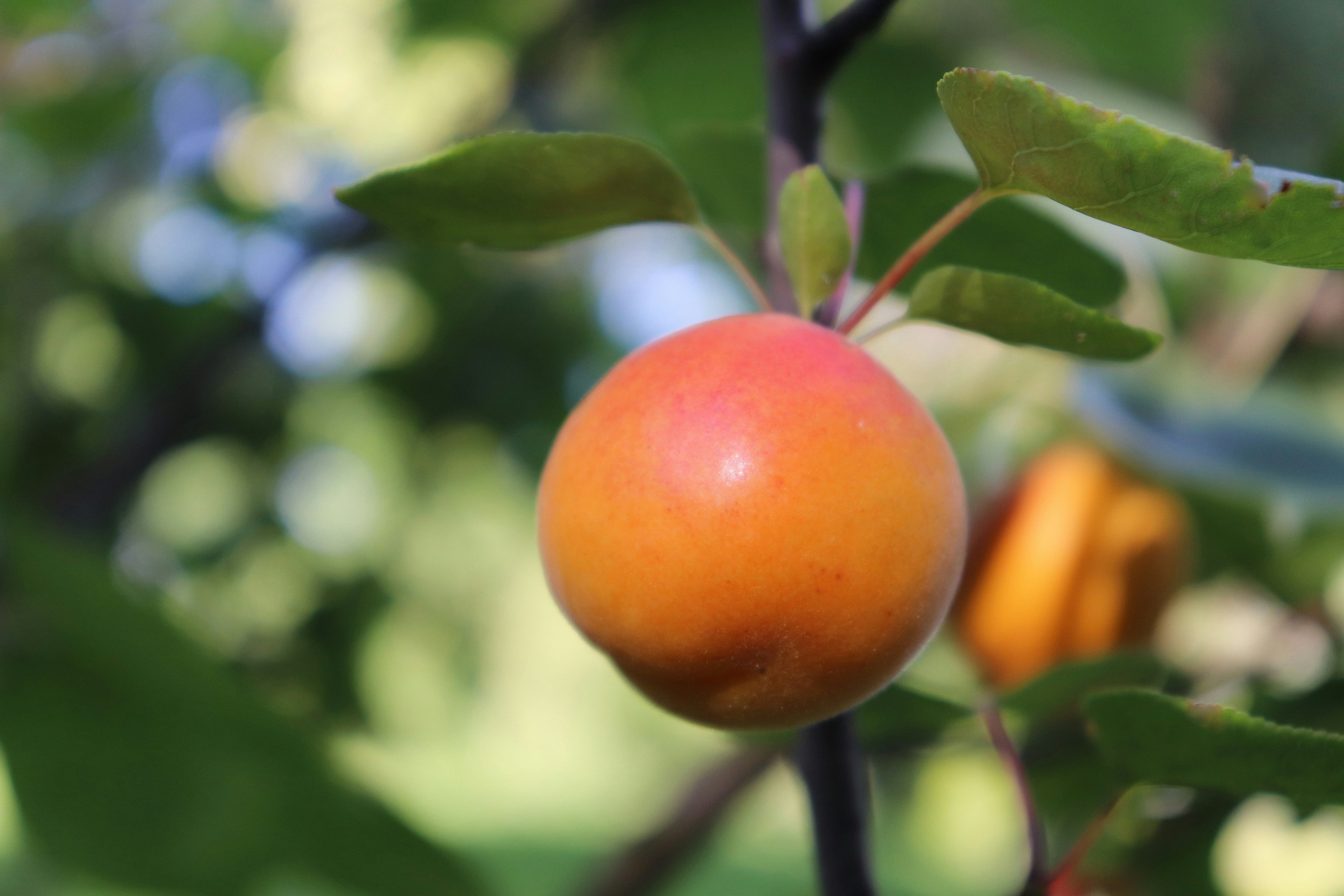
Dr 606 Apricot
$39.99
Reliable shipping
Flexible returns
Overview
Dr. 606 Apricot is a cold-climate apricot selection originating from British Columbia and associated with long-term evaluation by fruit growing legend Bob Purvis, from whom we obtained scionwood for grafting these trees. It is valued for its late bloom, very late ripening, and solid winter survival in northern growing regions. While clearly hardy, Dr. 606 is generally considered less extreme in cold tolerance than the prairie province apricots, which were selected under harsher continental conditions. Instead, Dr. 606 occupies a middle ground: tougher than most commercial apricots, but not as bulletproof as the hardiest prairie selections, but it’s best quality is that it is later blooming.
Growth Habit & Spacing
Dr. 606 forms an upright to spreading tree with low to moderate vigor. Growth is balanced rather than aggressive, allowing the tree to develop a strong framework without excessive vegetative growth. On standard rootstock, which is the case here as we have grafted these onto Manchurian apricot, trees should be spaced approximately 15 feet apart to allow for adequate light penetration and airflow. The moderate vigor makes it easier to manage with pruning and well suited to mixed orchards and diversified plantings.
Fruit Quality & Uses
The fruit of Dr. 606 is medium sized, orange, very firm, and sweet. The firmness gives it excellent eating quality when chilled and makes it especially enjoyable with cold desserts. Ripening is very late for an apricot, typically mid-August in central Washington, or about a week after Harlayne, extending the apricot season beyond most cold-hardy cultivars. The fruit is best suited for fresh eating and simple dessert use rather than early-season processing.
Cold Hardiness
Dr. 606 has demonstrated winter survival to at least −34°F in southwestern Minnesota. While this places it solidly among cold-hardy apricots, it is likely not as hardy as the prairie province apricots, (Westcot, Debbie's Gold, Brookcot, Morden 604, etc.) which were bred and selected under more severe winter conditions. Dr. 606 is best considered a USDA Hardiness Zone 3b apricot, and while it may succeed in favorable Zone 3a microclimates, it should not be relied upon as a true 3a cultivar. That said, its later-blooming habit significantly improves reliability by reducing exposure to spring frost events.
Pollination & Fruit Set
Dr. 606 is self-fruitful and capable of setting fruit on its own. However, as with many self-fertile apricots, fruit set may be improved and stabilized by planting with other late-flowering apricots. Suitable companions include cultivars such as Precious and Zard, which bloom on a similar schedule and can enhance cross-pollination during marginal spring conditions.