
Skip to product information
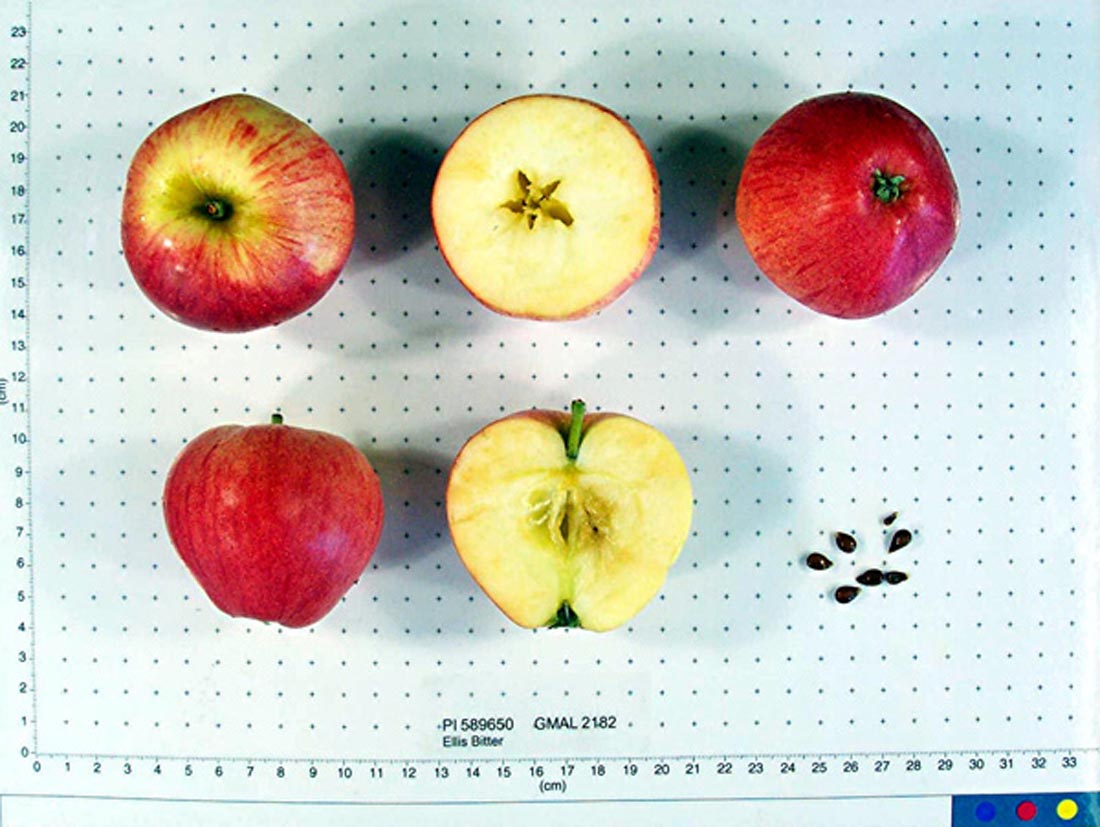
Ellis Bitter Apple
$34.99
Reliable shipping
Flexible returns
Overview
Ellis Bitter is a specialty cider apple grown primarily for fermentation rather than fresh eating. Most of what we know about its cider characteristics, growth behavior, and disease tendencies comes from university research programs and extension-based cider cultivar evaluations. This is the first year we have grown Ellis Bitter, and we have not yet tasted the fruit or observed its long-term behavior under Montana conditions, so the information below should be considered secondhand rather than experiential.
Fruit Quality & Uses
Ellis Bitter is valued for its role in cider making, where it contributes tannin, structure, and mouthfeel rather than sweetness or fresh-eating appeal. University cider research programs describe it as a bittering apple used to add depth and balance in fermented cider, particularly when blended with higher-acid or higher-sugar varieties.
Growth Habit & Spacing
Extension and research sources generally describe Ellis Bitter as a vigorous-growing apple. For Montana plantings, it should be treated as a vigorous tree and spaced accordingly. We have it on Bud-118 semi-dwarf rootstock, and should be spaced 15-18 ft. apart. Wider spacing helps maintain light penetration and airflow, which is especially important for cider apples grown for consistent ripening and disease management.
Pollination
Ellis Bitter is not considered self-fertile and benefits from cross-pollination with other apple varieties that bloom at a similar time. In Montana, reliable fruit set will depend on having compatible pollinizers nearby as well as adequate pollinator activity during bloom, particularly in cool or windy spring conditions.
Cold Hardiness
Cold hardiness information for Ellis Bitter is limited and best inferred from its classification as a European cider apple rather than an ultra-hardy northern dessert apple. For Montana, it should be approached conservatively and sited carefully, with attention to cold-air drainage, fall acclimation, and the use of cold-hardy rootstocks (we've got you covered here with Bud 118). It's likely hardy to -30F at least, although tread with caution if you are planting it in an area that can see colder temps than this. Its performance through extreme winter temperatures remains something that will need to be confirmed through local observation. Listed widely online as zone 4.
Disease Notes
University and extension references consistently note that Ellis Bitter shows susceptibility to fire blight. In Montana, this makes canopy management and vigor control especially important, as fire blight risk increases during warm bloom periods and rapid shoot growth.
Montana Context & Our Experience
Ellis Bitter is best considered a trial cider apple for Montana growers. While its cider qualities are well documented in research and extension literature, regional performance data in the Northern Rockies and Intermountain West are limited. This is our first year growing Ellis Bitter, and we have not yet tasted the fruit or observed how it handles Montana winters, disease pressure, or cropping patterns.
Image: Resolution enhanced from a public domain image. The apple is unchanged, but some of the surrounding text and numbers may vary.