
Skip to product information


Florence Plum Seedling (Bundle of 2)
$24.99
Reliable shipping
Flexible returns
Pollination
Needs a partner
Bloom group
4 of 7 (Mid)
Ripening
Will it finish before your first hard freeze?
Check it on the Ripening Map (opens in a new tab)Overview
Florence Plum Seedling refers to seedlings grown from a purple, freestone European plum discovered by Luke Ruffner in Florence, Montana. The original mother tree was almost certainly grown from seed and was therefore not a named cultivar. These seedlings represent open-pollinated genetic material derived from that original tree and are valued for their hardiness, precocity, and regional adaptation.
Fruit Quality & Uses
In terms of fresh flavor, Florence Plum Seedling fruit is astringent and not especially pleasant when eaten directly off the tree, even at full ripeness. However, when fruit is harvested ripe and allowed to rest in a cool location for one to two weeks, the flavor improves significantly. After this conditioning period, the plums become reasonably good for fresh eating and perform especially well when cooked, making excellent plum compote or plum jam.
Growth Habit & Spacing
The trees exhibit a very upright growth habit. Because of this narrow form, seedlings can be planted as close as 10 feet apart, though 15 feet of spacing may allow for easier management, better light penetration, and long-term structure. These seedlings respond well to training and can be shaped effectively through pruning.
Precocity
Florence Plum Seedlings are notably precocious. The photo shown is of the original mother tree, and the seedlings offered were grown from seed collected from that fruit. Early bearing has been observed, making these trees productive at a young age relative to many European plums.
Cold Hardiness & Genetic Value
Based on long-term observation, the original mother tree has been established since the 1980s, during which time the Florence area experienced winter temperatures into the mid −30°F range. This suggests that the mother tree is hardy to at least −35°F and possibly capable of surviving temperatures approaching −40°F under favorable conditions. These seedlings are best considered a Zone 3b plum. While not a refined dessert variety, they possess meaningful genetic value for cold hardiness, resilience, and adaptation to northern continental climates, making them worthwhile material for propagation and further selection.
Pollination partners
Trees that will pollenize Florence Plum Seedling
Florence Plum Seedling needs a different European plum nearby to set fruit. Every tree below blooms at the same time and has pollen that works for it. Plant partners within about 100 feet.
Bloom group
4 of 7 (Mid)
Pollination
Needs a partner
Pollen
Good pollenizer
-
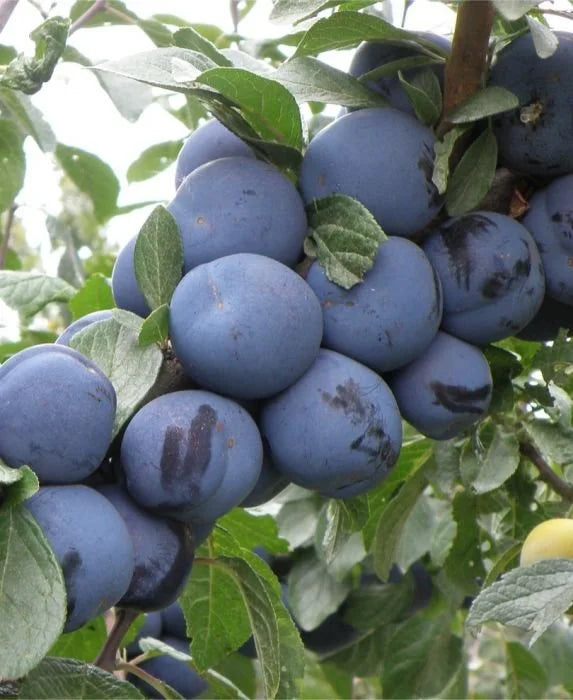 Mount Royal Plum
From $49.99
Mount Royal Plum
From $49.99
-
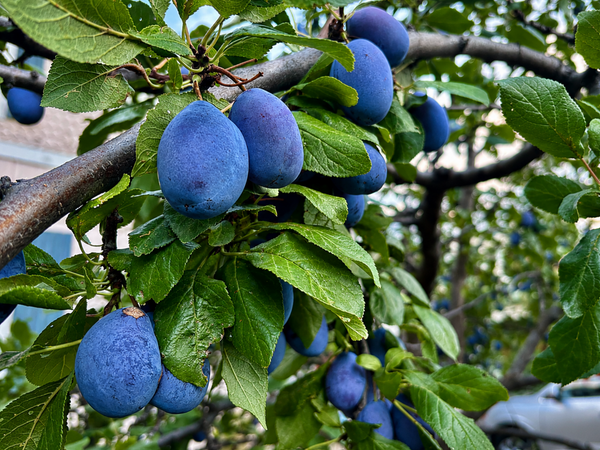 Italian Plum
From $74.99
Italian Plum
From $74.99
-
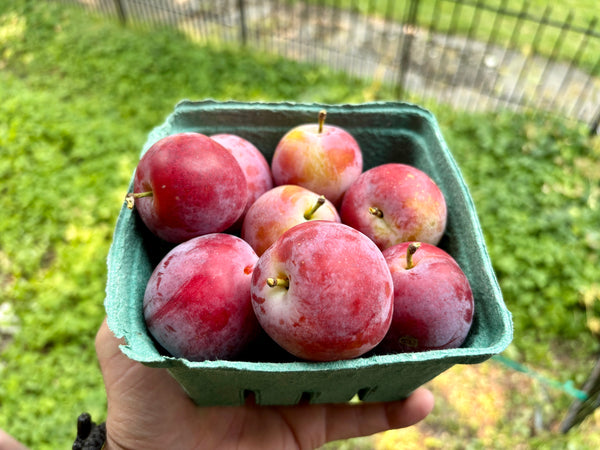 Deluge Plum
From $59.99
Deluge Plum
From $59.99
-
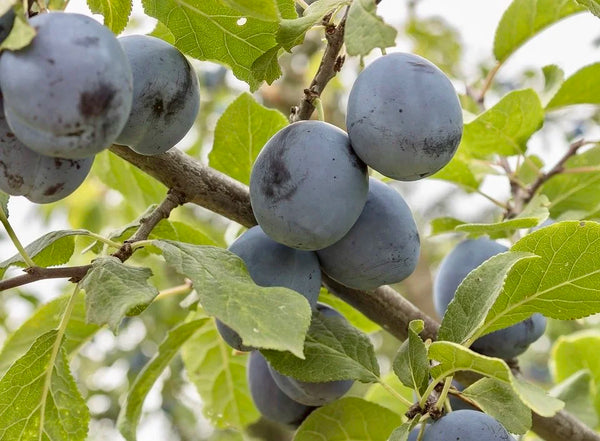 Sold out
Stanley Plum
Sold out
Stanley Plum
See every pairing on the Plum Pollination Map
Florence Plum Seedling's bloom group is our best estimate. Watch it bloom and tell us what you see.