
Skip to product information


Glockenapfel Apple
$74.99
Reliable shipping
Flexible returns
Pollination
Needs a partner
Bloom group
3 of 7 (Early-Mid)
This is the first year we have grown Glockenapfel, and we have not yet tasted the fruit or observed its long-term behavior under Montana conditions, so the information below should be considered secondhand rather than experiential.
Overview
From the research we have done in creating this description, as well as from what we have read about the variety, Glockenapfel (also known as Weißer Winterglockenapfel and related regional names) is an old European winter apple of uncertain origin that was widely grown in parts of Central Europe. It was historically valued as a true storage apple, prized for keeping quality and for developing flavor after harvest rather than being eaten straight off the tree.
Fruit Quality & Uses
From what we have read, Glockenapfel is a versatile apple used for fresh eating after storage, baking, cooking, and juice or cider in traditional settings. Apparently, the fruit improves significantly with storage, with flavor becoming fuller and more balanced over time, which is characteristic of classic winter apples. It has been described as more useful than flashy, with strengths in reliability and post-harvest performance rather than immediate dessert appeal.
Cold Hardiness
Based on available cultivar descriptions and regional trial notes, Glockenapfel is generally described as winter-hardy and frost-tolerant. Multiple sources suggest survival down to approximately −33°C (around −27°F). This places it as a mildly cold-hardy apple, but not an extreme cold survivor in the −40°F or colder class. Applied to Montana, it appears best suited to milder sites, such as many Zone 5 areas and protected Zone 4b microclimates, rather than the coldest Zone 3 locations. Therefore, it could be grown in the best microclimates (up on a bench/out of frost pooling zones) within the warmest Montana Valleys west of the divide: Bitterroot, Blackfoot, Clark Fork, Flathead Valley, Jocko, Lower Kootenai, Mission, Missoula, and Upper Flathead / North Fork
Other Characteristics
Apparently excellent storage ability, often keeping well into late winter or early spring under proper conditions. It also has historical significance in apple breeding, having been used as a parent in later cultivars such as Gloster. Reports generally describe moderate disease pressure, with some susceptibility to scab and canker, and better performance on fertile, well-managed soils with adequate moisture rather than thin or drought-prone sites (although since this is grafted onto Bud 118, which seems fairly drought tolerant, not sure why sources site this given rootstock choice would matter more).
Pollination partners
Trees that will pollenize Glockenapfel Apple
Glockenapfel Apple needs a different apple or crabapple nearby to set fruit. Every tree below blooms at the same time and has pollen that works for it. Plant partners within about 100 feet.
Bloom group
3 of 7 (Early-Mid)
Pollination
Needs a partner
Pollen
Good pollenizer
-
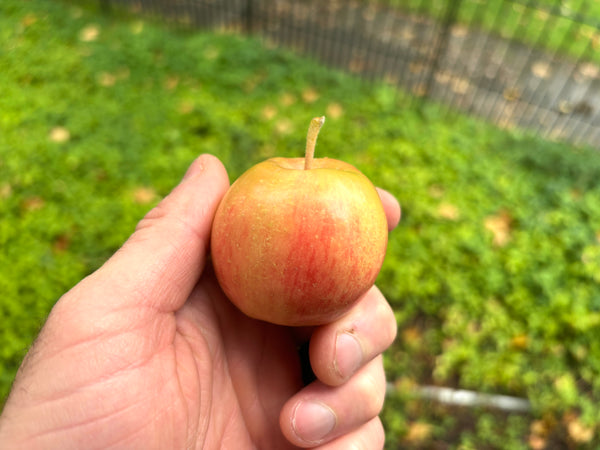 Hewe's Virginia Crabapple
From $74.99
Hewe's Virginia Crabapple
From $74.99
-
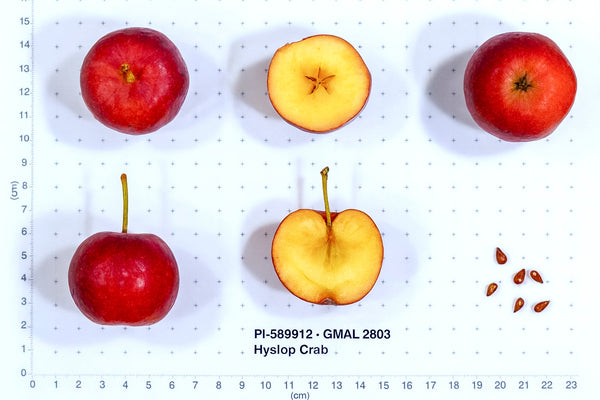 Hyslop Crabapple
$74.99
Hyslop Crabapple
$74.99
-
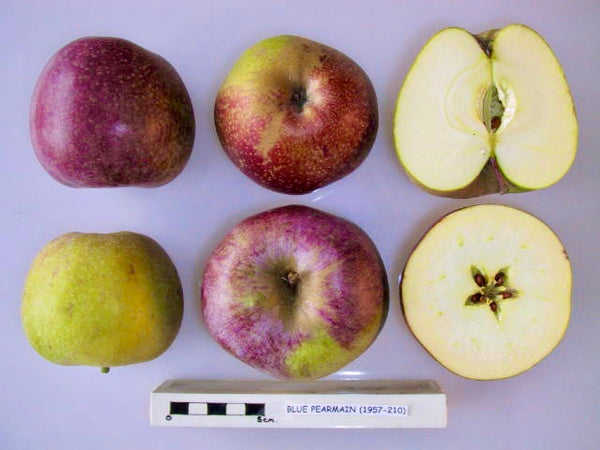 Blue Pearmain Apple
From $39.99
Blue Pearmain Apple
From $39.99
-
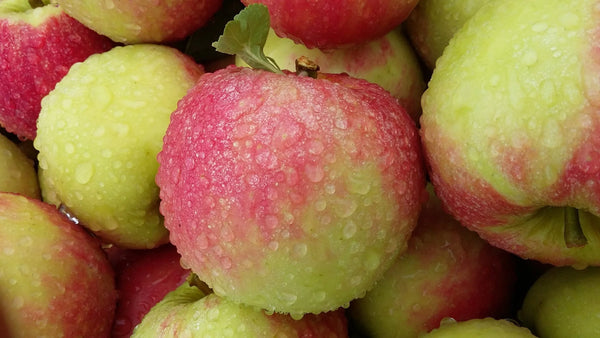 Carroll Apple
From $49.99
Carroll Apple
From $49.99
-
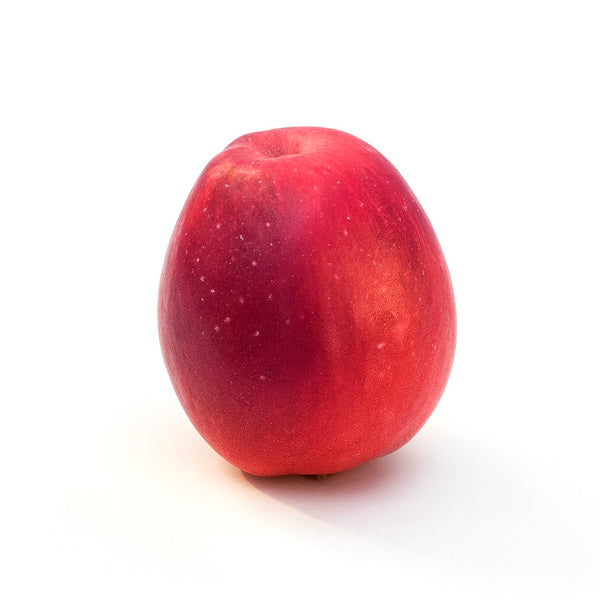 Centennial Applecrab
From $59.99
Centennial Applecrab
From $59.99
-
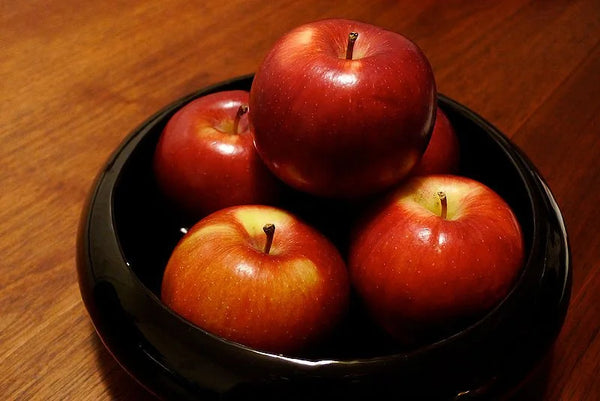 Empire Apple
From $34.99
Empire Apple
From $34.99
-
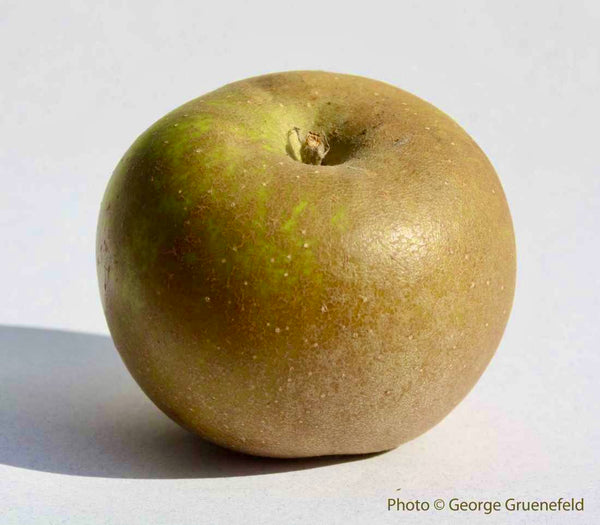 Golden Russet Apple
From $44.99
Golden Russet Apple
From $44.99
-
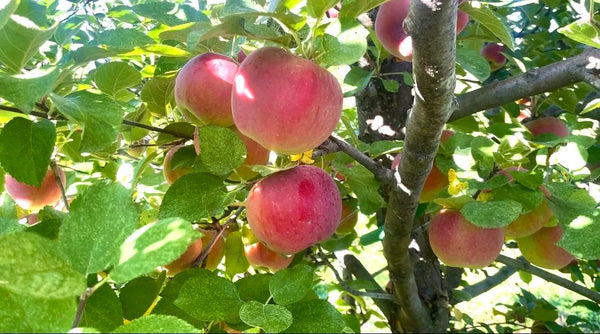 Liberty Apple
From $49.99
Liberty Apple
From $49.99
-
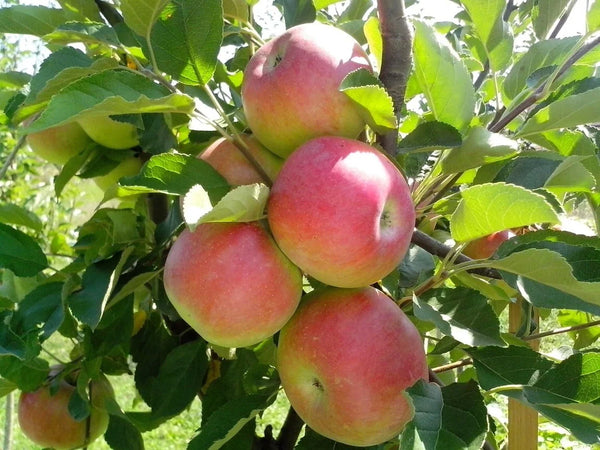 Parkland Apple
$74.99
Parkland Apple
$74.99
-
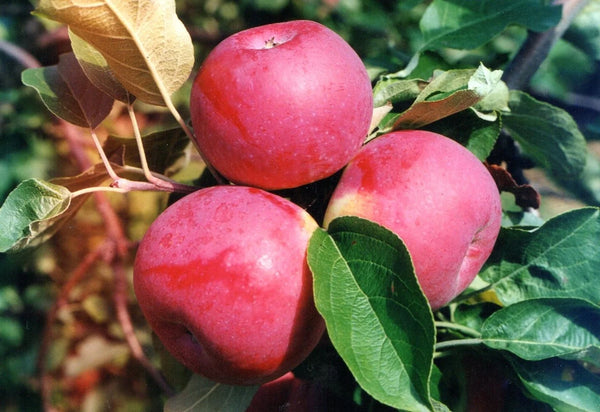 Paula Red Apple
From $59.99
Paula Red Apple
From $59.99
-
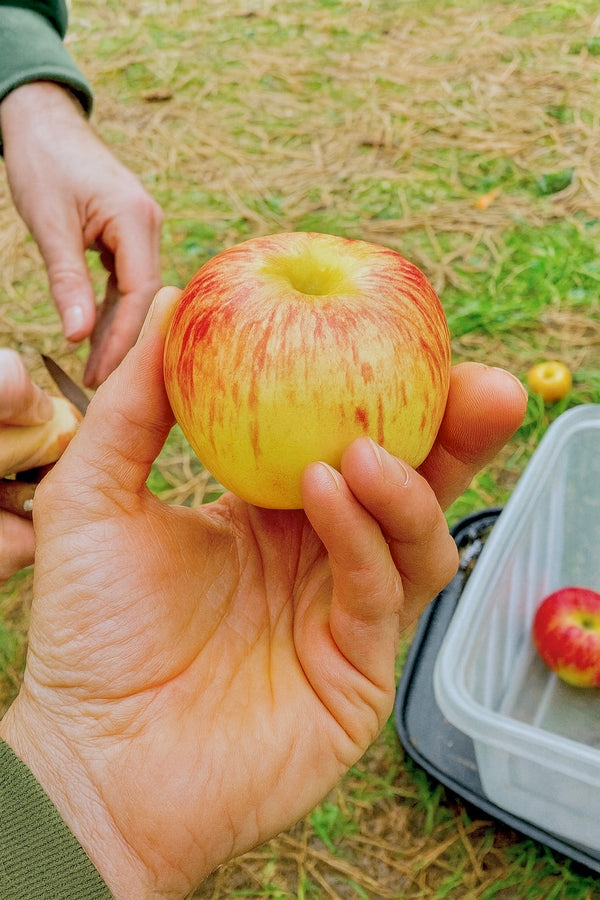 Spokane Beauty Apple
$89.99
Spokane Beauty Apple
$89.99
-
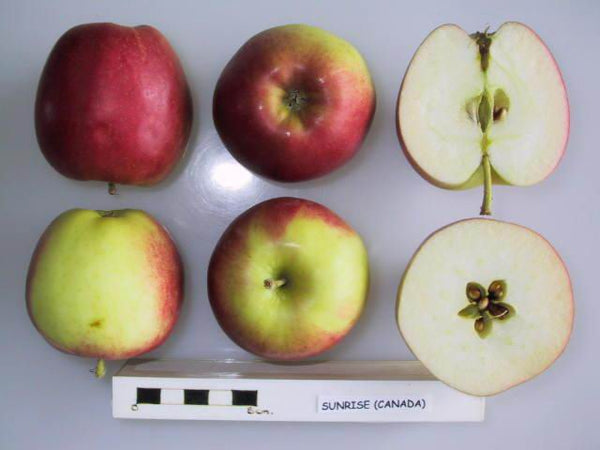 Sunrise(Canada) Apple
From $44.99
Sunrise(Canada) Apple
From $44.99
