
Skip to product information
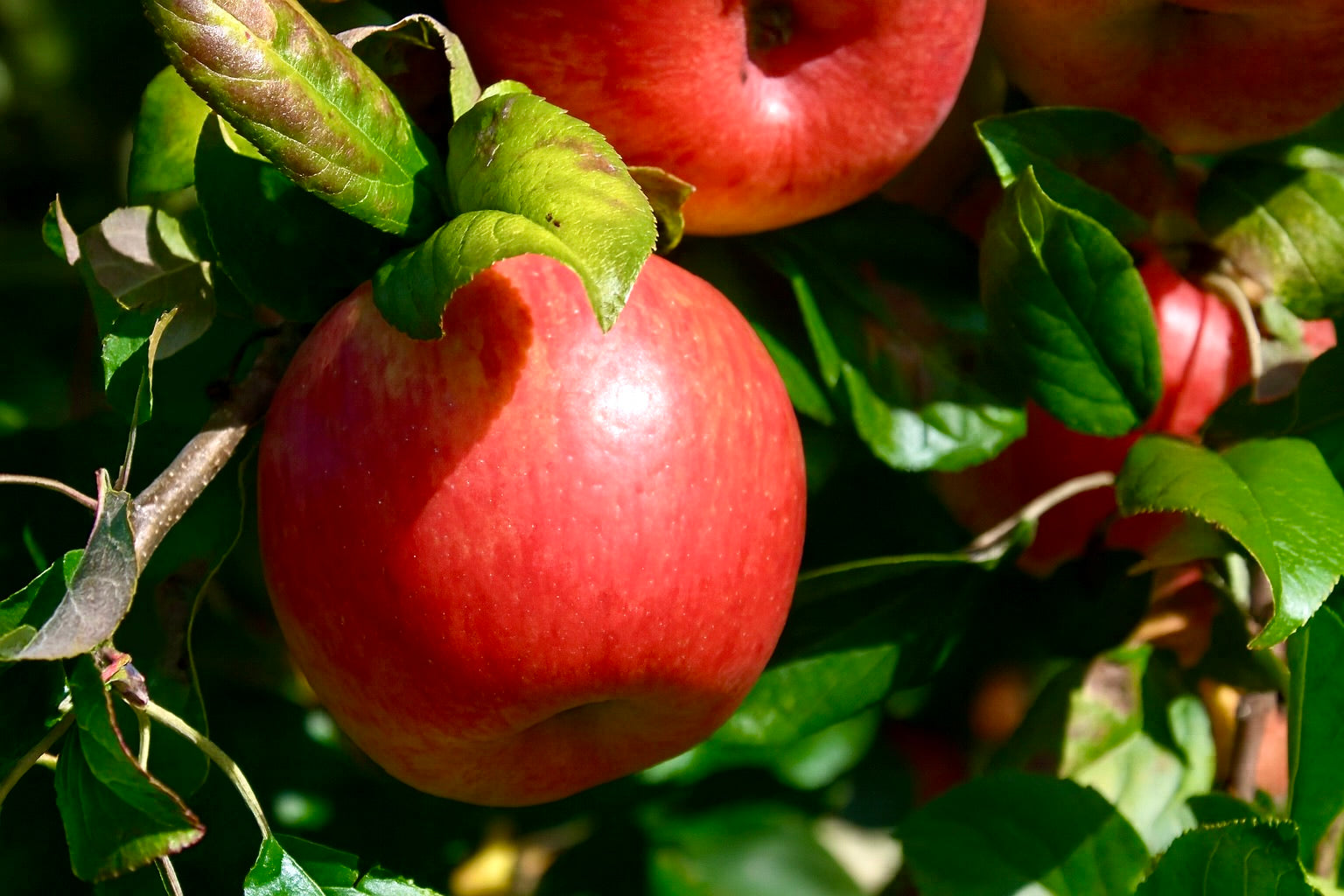
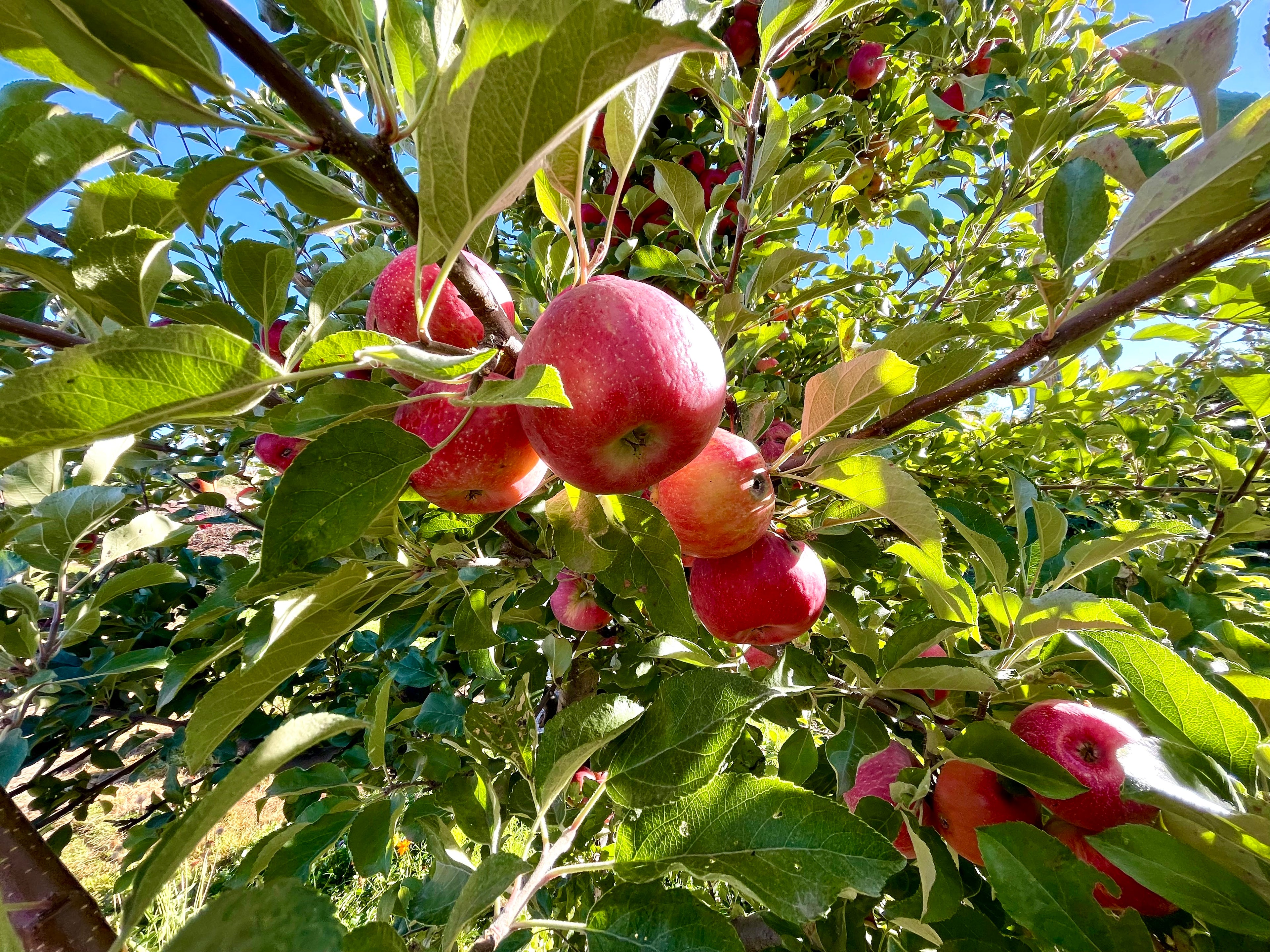
Honeycrisp Apple
$34.99
Reliable shipping
Flexible returns
Overview
Honeycrisp has become one of the best-selling apples in the U.S. Since its creation by University of Minnesota breeders, Honeycrisp has been lauded for its winter hardiness and its ability to produce large, high-quality fruit. It quickly gained popularity, particularly in temperate regions like Washington and Oregon, but colder climate growers have had success with it, particularly here in western Montana.
Flavor
The Honeycrisp apple is known for its aromatic sweetness, with a honey-like flavor and a juicy, crisp texture that has made it a consumer favorite.
Cold Hardiness – A Relative Concept
Updated 2024: While Honeycrisp is often considered cold-hardy, its hardiness is relative. It may be well-suited to regions like New York or parts of the Midwest, but in parts of Montana where temperatures can drop below -45°F, which is much of the state east of the divide, Honeycrisp does not perform well. This has been our observation in the field.
For example, on Robert Narotsky’s farm in Bozeman, Honeycrisp suffered serious frost damage to the trunk after exposure to -50°F. Similarly, on Ed Schultz’s farm in Gallatin Gateway, MT, the apple saw -47°F, resulting in serious limb damage that made its way into the trunk. If your region experiences temperatures below -45°F, we do not recommend planting Honeycrisp. Final note, it's Ed Schultz' experience that Honeycrisp along with many of the University of Minnesota apples (Haralson, Zestar!, Sweet Sixteen, Snowsweet, & others) take awhile to shut down and can get wiped out by Montana's brutal early Fall frosts. Ed has a massive pile of dead University of Minnesota apple trees in the back of his farm from these Fall frosts he experienced in 2019 and 2020. Meanwhile, these University of MN apples all did fine in most of Western Montana's early Fall frosts during this time period.
Rootstock and Availability for 2026
For 2026, we offer Honeycrisp trees on different rootstocks based on your location and climate:
B9 Rootstock: A very dwarfing option, also suited for regions with extreme cold and temperatures below -40°F.
M7 Semi-Dwarf Rootstock: Suitable for areas west of the Divide or regions that do not experience temperatures below -40°F.
M26 Semi-Dwarf: Hardy to -40°F, there are 40+ year old trees in the Bitterroot. The mature trees we have seen on M26 produce a tree about 60% the size of a standard seedling apple tree and some can even get up to 20 ft. tall.
Dolgo Rootstock: Ideal for areas where winters dip below -40°F, offering better cold hardiness.
Spy 227: Full size, hardy to at least -50°F or more.
Bud 118: Semi-dwarf (even though the books say semi-standard). Apparently Bud 118 hasn't read the books, though. Hardy to -50°F or more.