
Skip to product information


Red McIntosh Apple
$59.99
Reliable shipping
Flexible returns
Pollination
Needs a partner
Bloom group
3 of 7 (Early-Mid)
Ripening
Will it finish before your first hard freeze?
Check it on the Ripening Map (opens in a new tab)At a glance: Red McIntosh Apple is an apple tree rated hardy to zone 3 in our ratings (winters to -40°F), and not self-fertile, so it needs a different variety nearby as a pollenizer (bloom group 3 of 7, early-mid for an apple or crabapple).
| Hardy to | Zone 3 to 7. A bare number means the whole of zone 3, colder half included (winters to -40°F). Find your zone with our cold hardiness calculator. |
|---|---|
| Pollination | Needs Cross-Pollination. Bloom group 3 of 7 (early-mid), late spring here. Plant a different apple or crabapple variety that blooms in groups 2 to 4, such as 9-22 End, Alexander or Blue Pearmain. It has good pollen, so it can also pollenize other apples blooming at the same time. Good partners we carry: Blue Pearmain Apple, Centennial Applecrab, Empire Apple, Paula Red Apple and 98 more. Apple Pollination Map. |
| Rootstock and size | M7: semi-dwarf, about 11 to 16 ft tall unpruned. Leans and suckers, so stake it. Plant about 15 ft apart. Our rootstock guide. |
| Good for | Fresh eating (8/10), sauce and butter (8/10), juice and sweet cider (7/10), canning and freezing (7/10), jams and jellies (7/10), drying (6/10). Scores are our own 1 to 10 ratings; 8 and up makes our Best Of lists. |
| Deer | A deer favorite. Fence it or cage it. |
| What you get | Bare root, 5-7 ft. Regular Grade or 5-7 ft. Larger & more branching or 5-7 ft. Shipped or picked up in Missoula in spring, roots wrapped in moist sawdust. Guaranteed to bud out. |
Overview
Red McIntosh is a sport of McIntosh, known for its deep red color, tender flesh, and balanced sweet–tart flavor.
Origin and History
McIntosh originated in eastern Canada in the early 1800s and quickly earned a reputation as one of the most reliable cold-climate apples in North America. Red McIntosh refers to a red-colored "bud sport" (bud/limb mutation on an original McIntosh that possessed redder apples) more uniform coloration while preserving the essential characteristics that made McIntosh famous.
Fruit & Uses
Fruit is medium-sized with a rich red skin and bright white flesh. The texture is tender and juicy, with a refreshing balance of sweetness and acidity. Al and Mary Pernichele of Frost Top Orchard in Corvallis, MT have hundreds of these trees and the flavor is really good. Of all the McIntosh's we've tried, Luke's favorite is the 'Fred's Mac' in Missoula and Elizabeth's are the Red McIntosh's grown by Al and Mary. Excellent for fresh eating, applesauce, cider blending, and cooking, though it tends to soften quickly in storage compared to firmer modern varieties. Very good dried, too! The aroma on the Red McIntosh is identical to the original mac. Classic aroma, very perfumy. Takes me back to a kid when I would go to Patterson Fruit Farm.
Growth Habit & Spacing
Trees are moderately vigorous with an upright to spreading habit and are generally easy to manage. These trees are all on M7 rootstock, and should be placed 15 ft. apart (12 ft for tighter spacing/more pruning). McIntosh responds well to regular pruning, which helps maintain airflow, reduce disease pressure, and encourage consistent fruiting.
Pollination
Red McIntosh is a diploid apple and produces viable pollen. It is a good pollenizer for many other apple varieties and, in turn, benefits from having at least one compatible apple with overlapping bloom nearby. Pollenizers to plant with Red McIntosh that we offer include: 9-22 End, Alexander, Arkansas Black, Ashmead’s Kernel, Blue Pearmain, Brown Snout, Cortland, Crimson Beauty, Empire, Freedom, Frostbite, KinderKrisp, MN 1628, Northern Spy, Paula Red, Pristine, Spartan, Chestnut, Centennial, Martha, Rescue, Trailman
Cold Hardiness
Red McIntosh is a solid zone 3 apple with well-documented cold tolerance. Notably, McIntosh has withstood approximately -38°F in Corvallis, Montana without any damage, demonstrating excellent midwinter hardiness when properly sited. While it performs very well in much of western Montana, it should not be planted widely in eastern Montana unless careful attention is paid to site selection. Good air drainage is important, and low-lying frost pockets should be avoided to reduce the risk of spring and fall freeze damage.
Questions we get about Red McIntosh Apple
Does Red McIntosh Apple need a pollenizer?
Yes. Red McIntosh Apple needs pollen from a different variety that blooms at about the same time. Plant a different apple or crabapple variety that blooms in groups 2 to 4, such as 9-22 End, Alexander or Blue Pearmain. It has good pollen, so it can also pollenize other apples blooming at the same time. Partners we carry include Blue Pearmain Apple, Centennial Applecrab, Empire Apple.
How cold hardy is Red McIntosh Apple?
We rate Red McIntosh Apple hardy to zone 3, which means winters down to about -40°F. Our ratings come from real winters at our two Montana sites and from trusted growers across the North, not from a catalog average.
How big does Red McIntosh Apple get?
We graft Red McIntosh Apple onto M7 (semi-dwarf), which makes a tree roughly 11 to 16 ft tall if you never prune it. Plant about 15 ft apart.
What is Red McIntosh Apple good for?
Our top use scores for Red McIntosh Apple are fresh eating (8/10), sauce and butter (8/10), juice and sweet cider (7/10), canning and freezing (7/10). Anything scored 8 or higher makes our Best Of lists.
Will deer eat Red McIntosh Apple?
Yes, deer love it. Protect Red McIntosh Apple with a fence or a cage, especially while it is young.
What arrives, and when does Red McIntosh Apple ship?
A dormant bare-root plant, roots wrapped in moist sawdust with a vapor barrier, shipped or picked up in Missoula in spring. Sizes offered: 5-7 ft. Regular Grade or 5-7 ft. Larger & more branching or 5-7 ft. We guarantee our plants bud out. Stone fruits can be slow, so if one still has not budded out by August 15, write to us and we credit you for the following spring.
Pollination partners
Trees that will pollenize Red McIntosh Apple
Red McIntosh Apple needs a different apple or crabapple nearby to set fruit. Every tree below blooms at the same time and has pollen that works for it. Plant partners within about 100 feet.
Bloom group
3 of 7 (Early-Mid)
Pollination
Needs a partner
Pollen
Good pollenizer
-
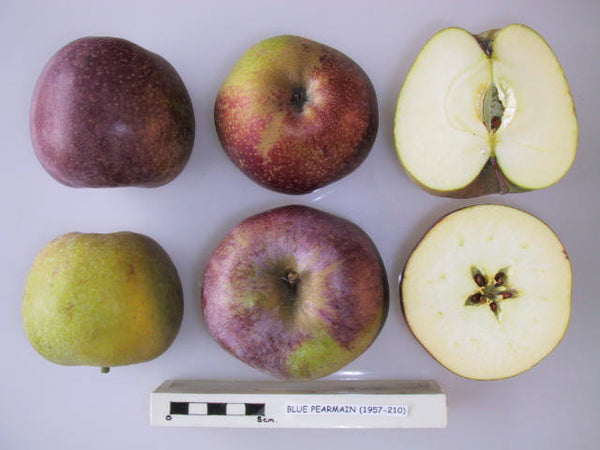 Blue Pearmain Apple
From $39.99
Blue Pearmain Apple
From $39.99
-
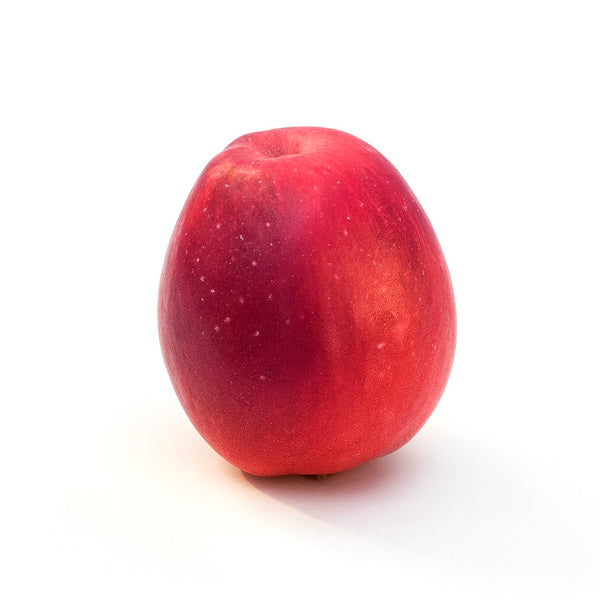 Centennial Applecrab
From $59.99
Centennial Applecrab
From $59.99
-
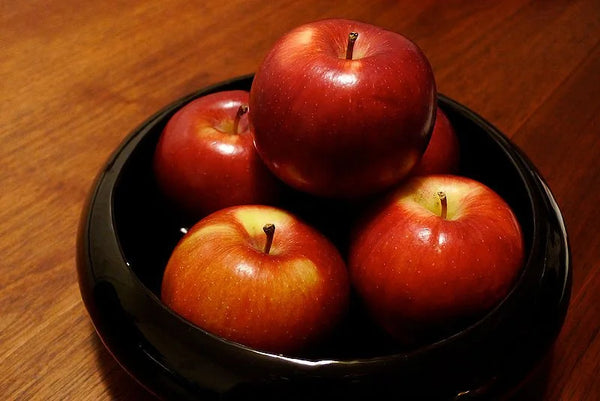 Empire Apple
From $34.99
Empire Apple
From $34.99
-
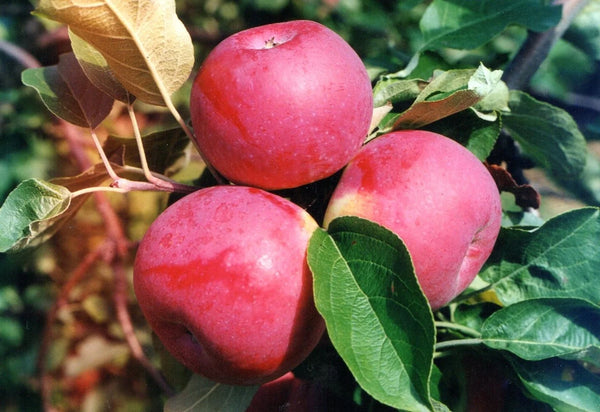 Paula Red Apple
From $59.99
Paula Red Apple
From $59.99
-
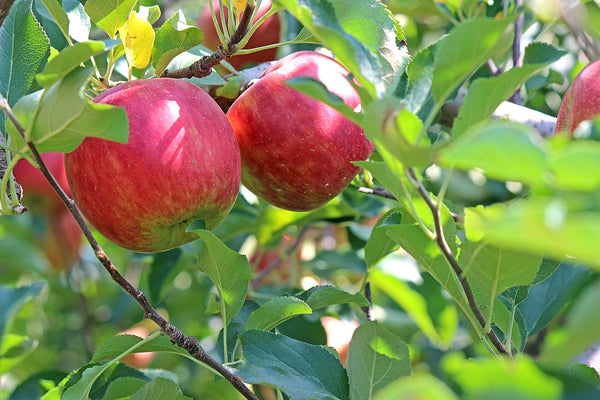 Kindercrisp Apple
From $44.99
Kindercrisp Apple
From $44.99
-
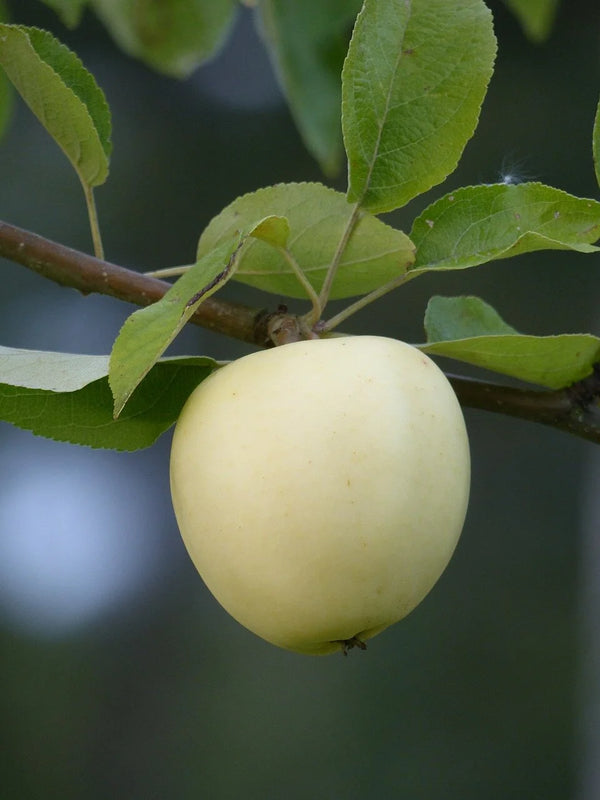 Pristine Apple
From $49.99
Pristine Apple
From $49.99
-
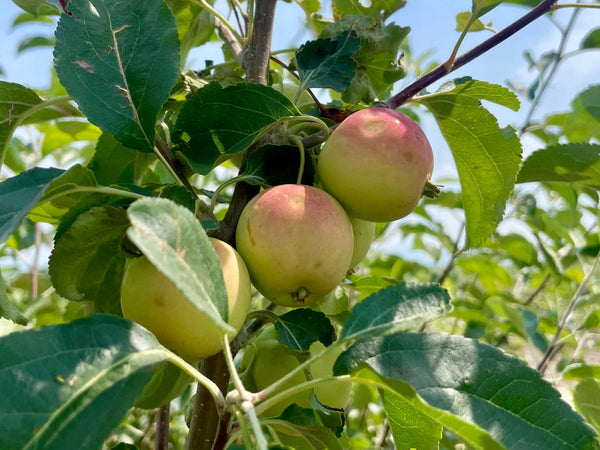 Rescue Applecrab
From $49.99
Rescue Applecrab
From $49.99
-
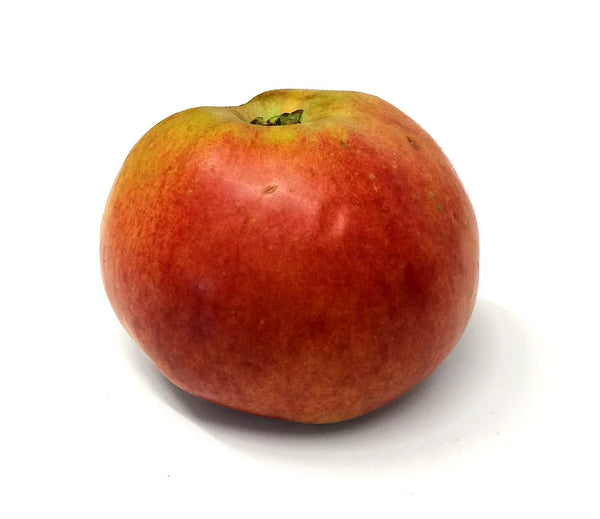 Alexander Apple
From $49.99
Alexander Apple
From $49.99
-
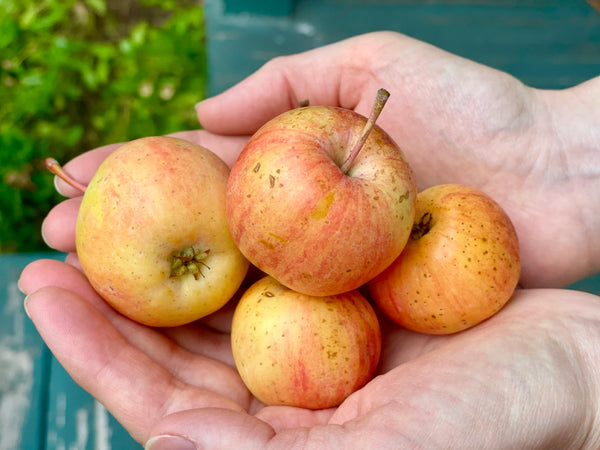 Chestnut Applecrab
From $59.99
Chestnut Applecrab
From $59.99
-
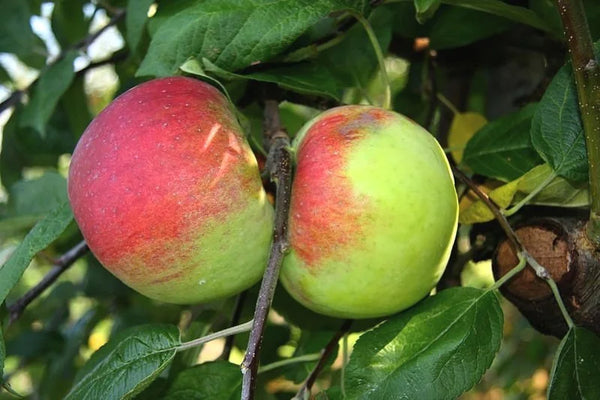 Cortland Apple
From $44.99
Cortland Apple
From $44.99
-
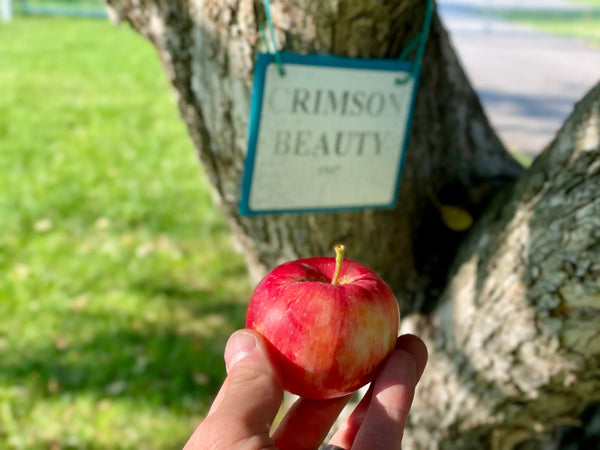 Crimson Beauty Apple
From $59.99
Crimson Beauty Apple
From $59.99
-
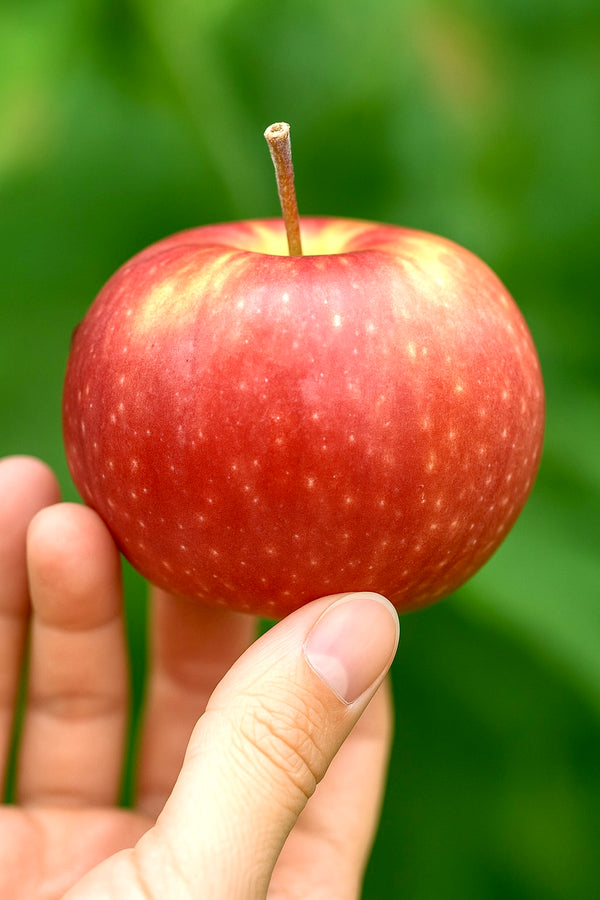 Frostbite Apple
From $59.99
Frostbite Apple
From $59.99
