
Skip to product information


Stuttgarter Gaishirtle Pear (Spring 2027)
$49.99
Reliable shipping
Flexible returns
Pollination
Needs a partner
Bloom group
3 of 7 (Early-Mid)
Ripening
Will it finish before your first hard freeze?
Check it on the Ripening Map (opens in a new tab)
Disease resistanceNot tested yet
- ? Fire blight : Unknown, no published data yet
- ? Pear scab : Unknown, no published data yet
Scored 1 to 5. Higher resists better, and ? means no published data yet.
See it on our pear disease chart (opens in a new tab)At a glance: Stuttgarter Gaishirtle Pear is a pear tree rated hardy to zone 3b in our ratings (winters to -35°F), not self-fertile, so it needs a different variety nearby as a pollenizer (bloom group 3 of 7, early-mid for a European pear), and it ripens about Aug 12 to Aug 22 in Missoula (picked and dated at our place in Missoula).
| Hardy to | Zone 3b to 8. The b means the warmer half of zone 3 only (winters to -35°F). Find your zone with our cold hardiness calculator. |
|---|---|
| Chill hours | About 800 hours (600 to 1,100). Our estimate. No published figure exists for this variety yet. Montana winters give it plenty. In milder climates, make sure your winters average at least this much. Check your chill hours or see our sources. |
| Pollination | Needs Cross-Pollination. Bloom group 3 of 7 (early-mid), mid spring here. Stuttgarter Gaishirtle needs a pollenizer. Its bloom is early and long, and German sources name Bartlett (Williams) and Clapp's Favorite as good partners. Good partners we carry: Bartlett Pear, D'Anjou Pear, Summercrisp Pear, Ure Pear and 25 more. Pear Pollination Map. |
| Ripens | About Aug 12 to Aug 22 in Missoula (picked and dated off our own trees). Real years swing about a week either way. See the date for your town. |
| Rootstock and size | OHxF 87: semi-dwarf, about 14 to 19 ft tall unpruned. The most precocious OHxF stock. Pyrus communis: full size, about 18 to 25 ft tall unpruned. European pear seedling. OHxF 333: semi-dwarf, about 12 to 18 ft tall unpruned. Resists fire blight and pear decline. Our rootstock guide. |
| Good for | Fresh eating (9/10), drying (8/10), cooking and roasting (6/10), jams and jellies (6/10). Scores are our own 1 to 10 ratings; 8 and up makes our Best Of lists. |
| Deer | Sometimes damaged by deer. |
| What you get | Bare root, Semi-Dwarf: 3-5 ft or 3-5 ft or Semi-Dwarf: 5-7 ft. Shipped or picked up in Missoula in spring, roots wrapped in moist sawdust. Guaranteed to bud out. |
Overview
Stuttgarter Gaishirtle (also known as Geishirtl or Geishirtli) is Rod McIver and Luke Robinson’s all-time favorite pear. It is a versatile heirloom discovered around 1750 near Stuttgart, Germany, by a goatherd. Its name translates loosely to “little goatherd from Stuttgart.”
History & Uses
Gaishirtle has long been prized for its versatility, valued both fresh at the table and for preservation. Some sources list it as a really good pear for drying, which I can't believe because they would all be eaten fresh by the time there is any left for drying. One drawback is that it does not have a long shelf life at all. Maybe week or two tops.
Dried Gaishirtle pears are a traditional ingredient in Hutzelbrot, a classic German fruit bread, often made alongside dried plums. Because the fruit contains less tannic acid and juice than many traditional perry pears, it is generally considered less suitable for cider production.
Fruit Quality & Ripening
The fruit ripens in Western Montana typically between the third and fourth week of August (the photo for this description was taken August 25th in Kalispell, MT). Flavor is excellent when fully ripe, with qualities that apparently carry particularly well through drying and preservation.
Cold Hardiness
Gaishirtle is hardy to approximately −35°F. It is unknown whether it can reliably survive colder temperatures, and we err on the side of caution when rating its hardiness. Notably, a long-lived tree survived for decades in a cold Zone 4 area of Kalispell, Montana, before being lost to a windstorm in 2024. If you are in much of eastern MT where temps can drop below -35F, steer clear of Gaishirtle and instead opt for one of our Russian pears.
Other Notable Characteristics
This is a pear with deep cultural and historical roots, valued as much for tradition and preservation as for fresh eating. Its combination of flavor, history, and adaptability make it a standout choice for growers interested in classic European pears with proven performance in fairly cold climates. Take it for what it’s worth, this pear has an incredible flavor. “The best pear I’ve had when picked ripe (when it is ready) off the tree.” - Luke
Questions we get about Stuttgarter Gaishirtle Pear
Does Stuttgarter Gaishirtle Pear need a pollenizer?
Yes. Stuttgarter Gaishirtle Pear needs pollen from a different variety that blooms at about the same time. Stuttgarter Gaishirtle needs a pollenizer. Its bloom is early and long, and German sources name Bartlett (Williams) and Clapp's Favorite as good partners. Partners we carry include Bartlett Pear, D'Anjou Pear, Summercrisp Pear.
How cold hardy is Stuttgarter Gaishirtle Pear?
We rate Stuttgarter Gaishirtle Pear hardy to zone 3b, which means winters down to about -35°F. Our ratings come from real winters at our two Montana sites and from trusted growers across the North, not from a catalog average.
How many chill hours does Stuttgarter Gaishirtle Pear need?
About 800 hours of winter chill (we count hours at or below 45°F), likely somewhere between 600 and 1,100. Nobody has published a chill figure for it, so that's our estimate from its relatives and origin. Our chill hours guide has a calculator for your winters, and our research page lists the sources.
When does Stuttgarter Gaishirtle Pear ripen?
About Aug 12 to Aug 22 in Missoula, Montana (picked and dated off our own trees). Warmer places run earlier and cooler places later; our ripening map converts the date to your town.
How big does Stuttgarter Gaishirtle Pear get?
We graft Stuttgarter Gaishirtle Pear onto OHxF 87 (semi-dwarf), which makes a tree roughly 14 to 19 ft tall if you never prune it. Some sizes are on Pyrus communis, OHxF 333.
What is Stuttgarter Gaishirtle Pear good for?
Our top use scores for Stuttgarter Gaishirtle Pear are fresh eating (9/10), drying (8/10), cooking and roasting (6/10), jams and jellies (6/10). Anything scored 8 or higher makes our Best Of lists.
Is Stuttgarter Gaishirtle Pear disease resistant?
We don't know yet. Nobody has published solid disease data on Stuttgarter Gaishirtle Pear for fire blight and pear scab, so we list it as unknown instead of guessing. That doesn't mean it's weak. Plenty of the plants we grow have never been through formal disease trials. Our pear disease resistance chart has every rating, the notes and the sources.
Will deer eat Stuttgarter Gaishirtle Pear?
Sometimes. Deer browse Stuttgarter Gaishirtle Pear now and then, so protect young plants where deer pressure is high.
Juice data
| SG (Brix) | Acid g/L | Tannin g/L | pH |
|---|---|---|---|
| 1.053 (13.0) E | 2.5 E | 0.3 E | not published |
Letters show how solid each number is: M measured, P published but weaker, E our estimate.
Less tannin and juice than true perry pears. No juice test found.
Run Stuttgarter Gaishirtle Pear through the hard cider calculator to see what it does in a blend.
More Plants Like This
By Zone
Pollination, Bloom & Ripening
Pollination partners
Trees that will pollenize Stuttgarter Gaishirtle Pear
Stuttgarter Gaishirtle Pear needs a different European pear nearby to set fruit. Every tree below blooms at the same time and has pollen that works for it. Plant partners within about 100 feet.
Bloom group
3 of 7 (Early-Mid)
Pollination
Needs a partner
Pollen
Good pollenizer
-
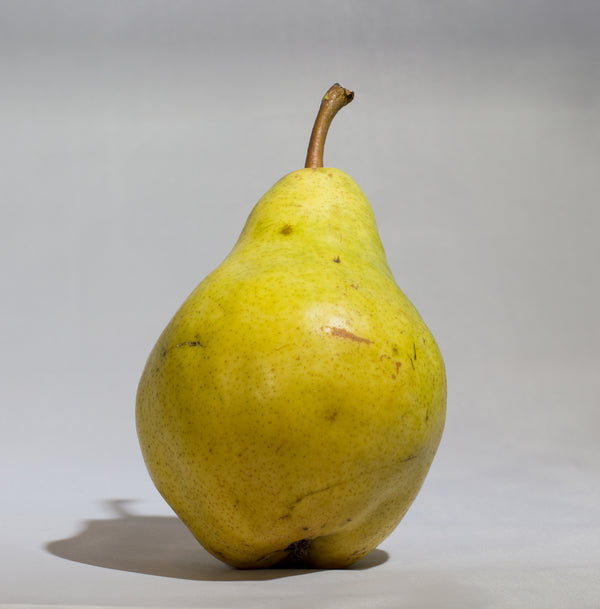 Bartlett Pear(Spring 2027)
From $64.99
-
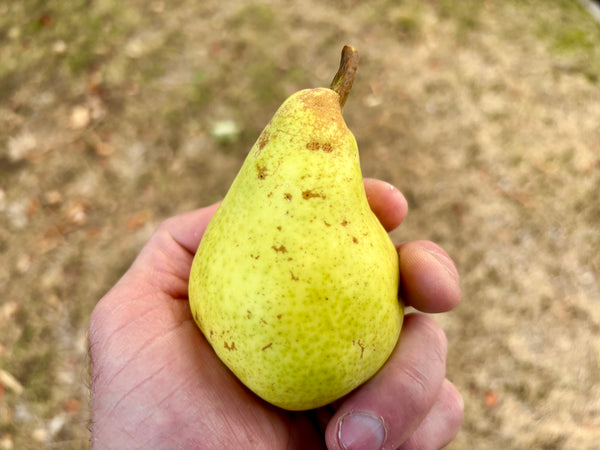 D'Anjou Pear(Spring 2027)
From $64.99
-
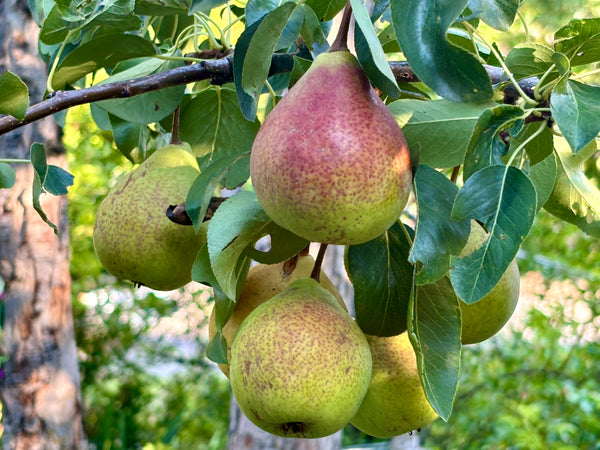 Summercrisp Pear(Spring 2027)
From $34.99
-
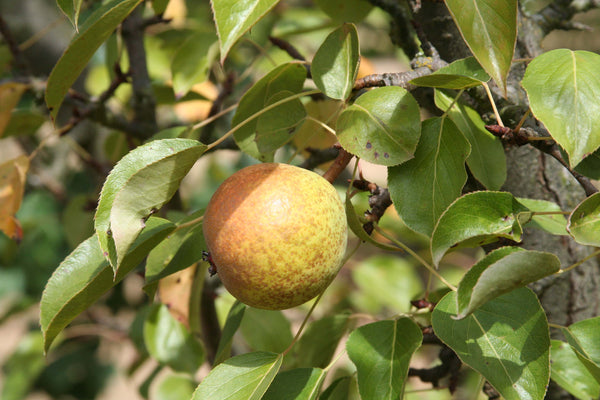 Ure Pear(Spring 2027)
From $49.99
-
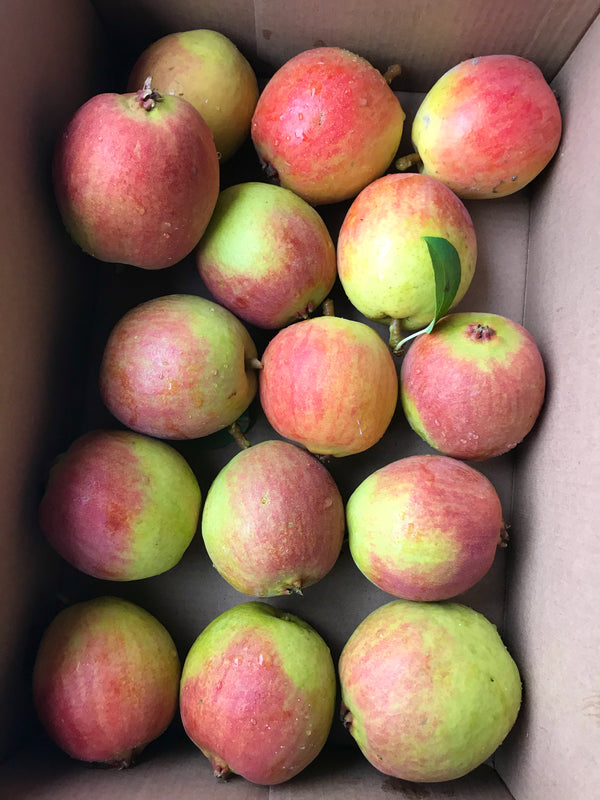 Krazulya Pear(Spring 2027)
From $44.99
-
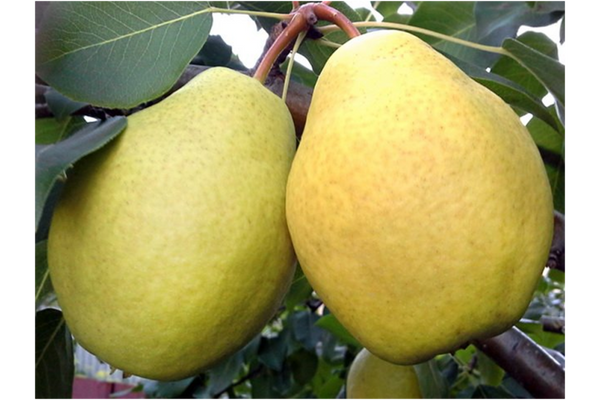 Larinskaya Pear(Spring 2027)
From $44.99
-
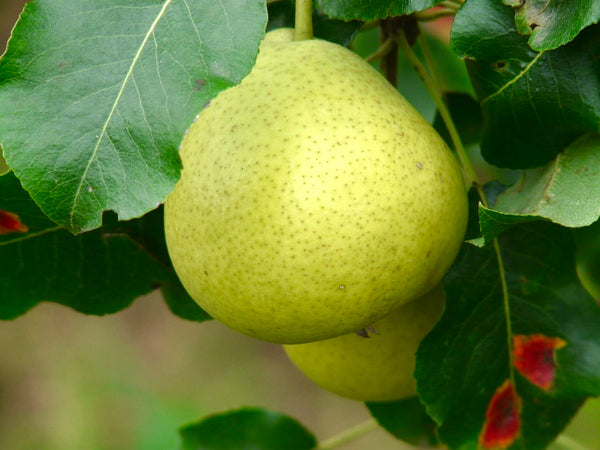 Savignac Pear(Spring 2027)
From $44.99
-
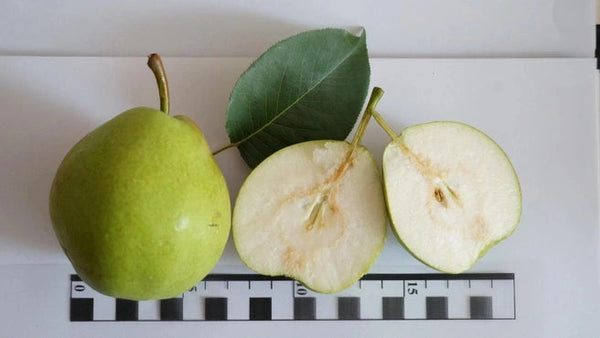 Bolshaya Pear(Spring 2027)
From $34.99
-
 Vekovaya Pear(Spring 2027)
From $49.99
-
 Honeysweet Pear(Spring 2027)
$49.99
-
 Seckel Pear(Spring 2027)
From $109.99
-
 Ubileen Pear(Spring 2027)
From $34.99
