
Skip to product information


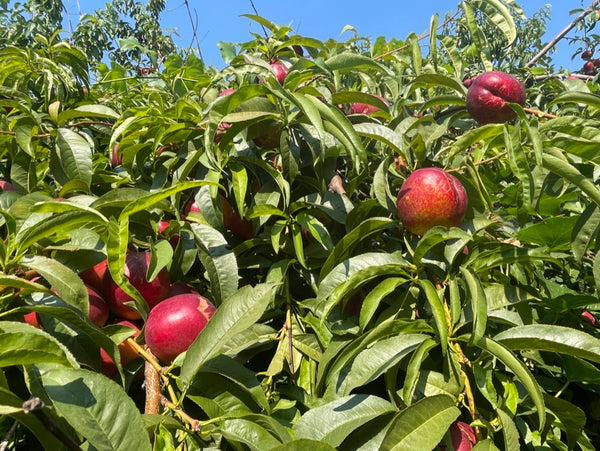
Arctic Glo Nectarine
$89.99
Reliable shipping
Flexible returns
Pollination
Self-fertile
Bloom group
3 of 7 (Early-Mid)
Ripening
Will it finish before your first hard freeze?
Check it on the Ripening MapOverview
Arctic Glo Nectarine—along with Hardired and Doug’s Big Red Juicy (and seedlings thereof)—are the only nectarines that have done well in the warmer microclimates of Missoula.
Cold Climate Nectarines in Missoula
We’ve noticed that when it comes to cold-climate nectarine growing in Missoula, elevation matters a lot. If one site has seen -27°F and another site has seen the same temperature but is lower in elevation, nectarines—and other fringey things like some almonds, some peaches, and some sweet cherries—should absolutely be planted higher up.
A good example: our friend Doug Hawes-Davis had nectarines growing for nearly 15 years near one of the highest points on the valley floor. The tree rarely even saw tip dieback, even when temperatures hit -27°F. The tree only disappeared because it got cut down when an alleyway was paved.
Why Elevation Matters
The longer those floating death traps—ice crystals—are present in the air swirling around the tree, the more time they have to penetrate the tree’s cellular membranes and cause damage. Higher elevation (even higher on the valley floor), and especially planting up on a bench or hillside, gives the tree a better chance.
But then it’s not just how long the crystals are present; it’s also their intensity (the amount of crystals plus even colder ambient air temps). There’s always a limit.
For example, if Doug’s tree had seen -32°F around 7 a.m. (right before sunrise), and if temperatures hovered around -24°F to -31°F all night long, the cold would have been much more intense, and the nectarines probably wouldn’t have survived those prolonged lows.
Growing Tips
This is a great nectarine to grow if:
-
you have a good site, and
-
your climate doesn’t dip below about -30°F.
Otherwise you’ll need to take extra precautions, such as:
-
building a teepee around the tree with incandescent bulbs or a 10 ft geothermal hole
-
using incandescent Christmas lights and keeping that heat in
-
planting it near a hot tub (I've seen it! lol)
-
or similar creative hacks where the microclimate around the tree is altered
These are just a few examples but they may not be worth experimenting with for most people—or for any nectarine, really.
Hardiness Notes
Nectarines are one of the most fragile stone fruits to grow here. They’re not as hardy as some of the commercial peaches we grow, like Contender—certainly not Siberian—and others, even though they’re genetically almost identical except for a single allele that controls skin fuzziness.
Pollination partners
Good partners for Arctic Glo Nectarine
Arctic Glo Nectarine is self-fertile, so one tree will fruit on its own. If you'd like a second peach or nectarine, these bloom at the same time and work well together.
Bloom group
3 of 7 (Early-Mid)
Pollination
Self-fertile
Pollen
Good pollenizer
-
 Fantasia Nectarine
From $64.99
Fantasia Nectarine
From $64.99
-
 Flavortop Nectarine
From $64.99
Flavortop Nectarine
From $64.99
-
 Blushingstar Peach
$54.99
Blushingstar Peach
$54.99
-
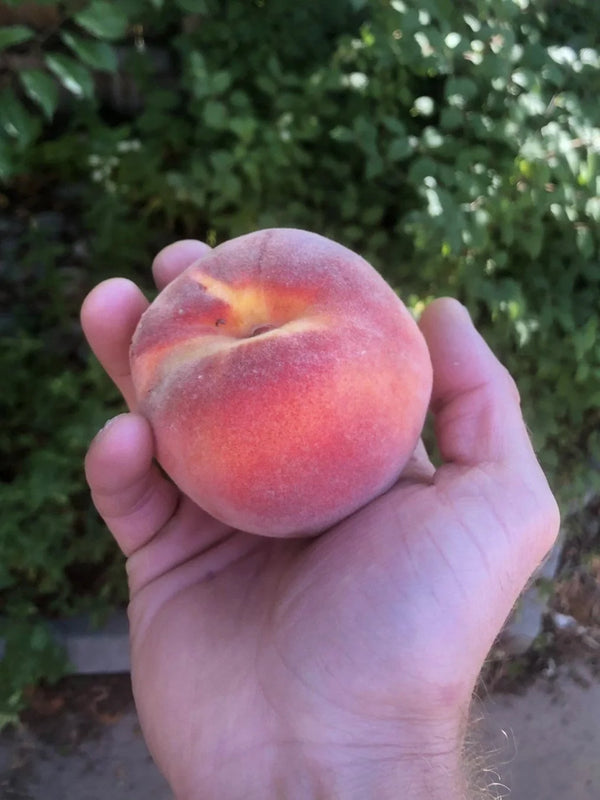 Contender Peach
From $54.99
Contender Peach
From $54.99
-
 Glohaven Peach
From $64.99
Glohaven Peach
From $64.99
-
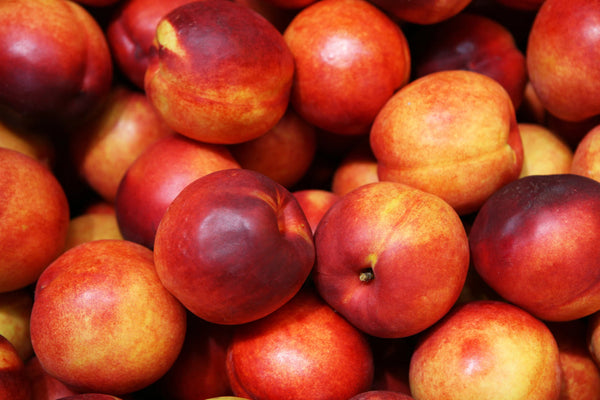 Hardired Nectarine
From $44.99
Hardired Nectarine
From $44.99
-
 Mericrest Nectarine
From $44.99
Mericrest Nectarine
From $44.99
-
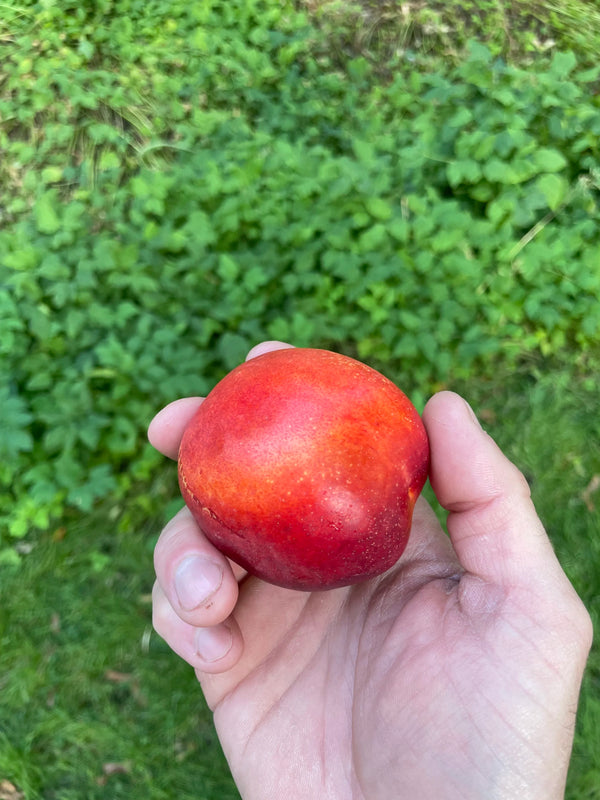 Doug's Big Red Juicy Nectarine
From $54.99
Doug's Big Red Juicy Nectarine
From $54.99

See every pairing on the Nectarine Pollination Map
Arctic Glo Nectarine's bloom group is our best estimate. Watch it bloom and tell us what you see.