
Skip to product information
Fred's Mac Apple
$39.99
Reliable shipping
Flexible returns
Overview
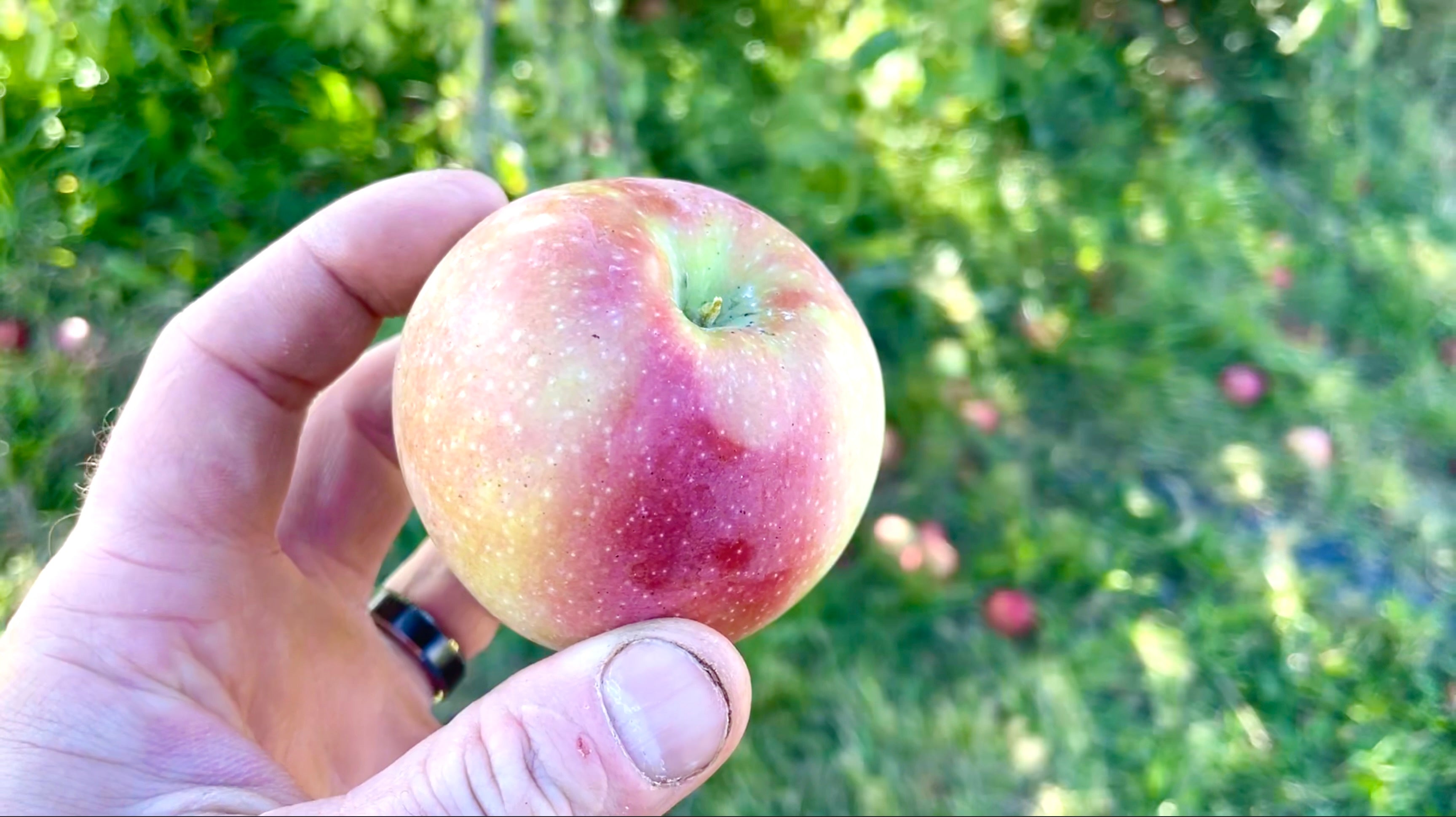
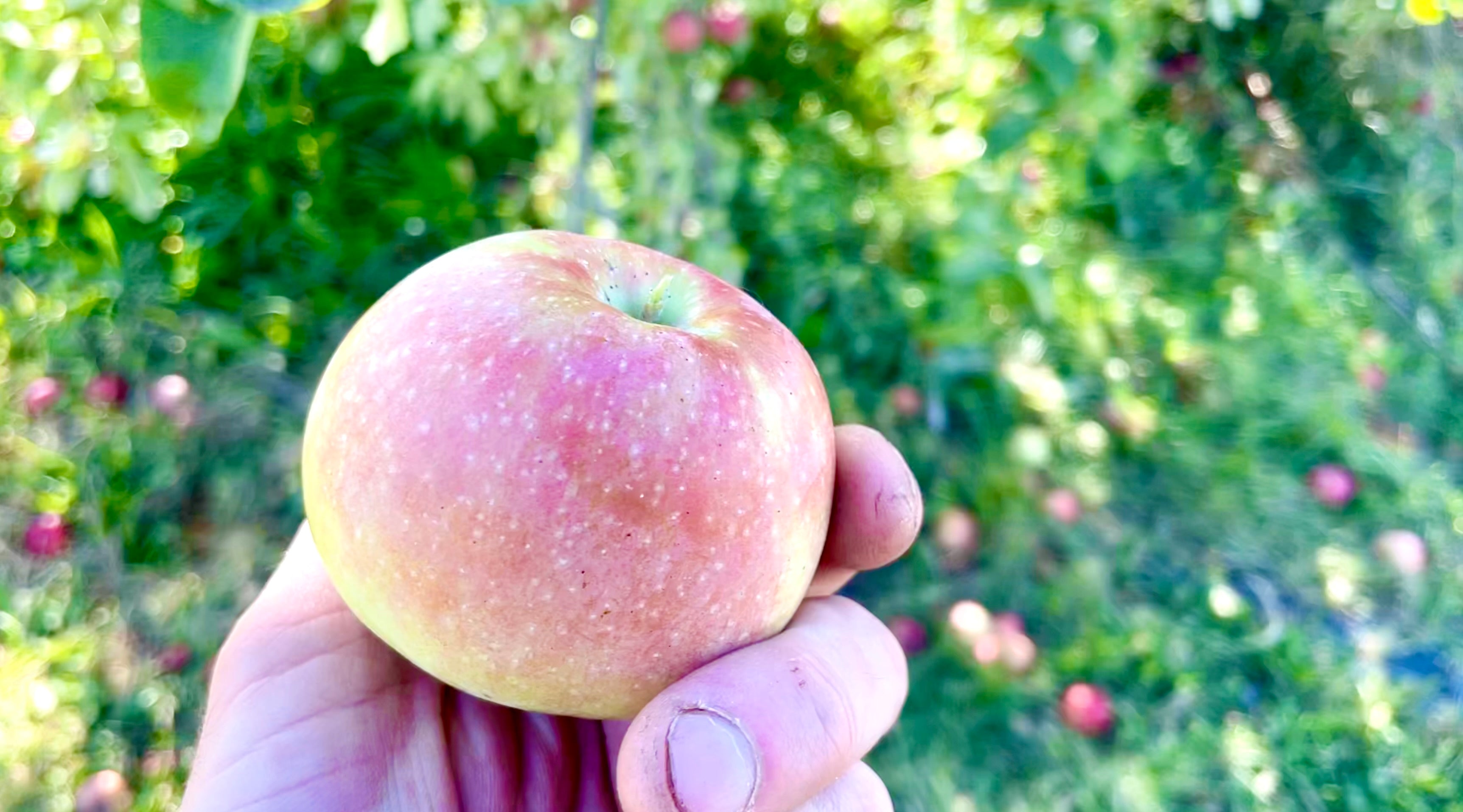
Fred’s Mac is very likely an original McIntosh, though as with many old apples labeled “McIntosh,” certainty is complicated by history. Over time, McIntosh has been propagated through numerous bud sports and selections, many of which were sold simply as McIntosh despite meaningful differences in fruit quality. As a result, apples labeled McIntosh can vary widely in flavor, texture, and overall eating quality. Of course, growing conditions such as soil, climate, and cultural practices also play a role.
That said, year after year, the fruit we harvest from the tree known as 'Fred's Mac' at Green Bench Farm in Missoula stands out unequivocally. The flavor is exceptional—bright, lively, and intensely aromatic. It is the best McIntosh we have eaten. The mother tree is at least 100 years old, possibly older, and bears prolifically every season, a testament to both its genetics and long-term adaptation.
Fruit Quality & Uses
Fred’s Mac produces classic McIntosh-type fruit with outstanding eating quality. The flavor is vivid and aromatic, with a brightness that distinguishes it from many modern McIntosh-labeled trees. Like most McIntosh apples, it does exhibit pre-harvest drop. This is not a drawback for us, as the flavor more than compensates, and we typically make multiple harvest passes to manage drop and capture fruit at peak quality. It is an excellent apple for fresh eating and aromatic cider blends.
Growth Habit & Spacing (Dolgo / Spy 227 Rootstock)
These trees are grafted onto full-size Dolgo / Spy 227 rootstock and should be treated as standard apple trees. At maturity, they require spacing of approximately 18–20 feet between trees. With intensive pruning and canopy management, closer spacing may be possible, while wider spacing can improve airflow and light penetration in humid or disease-prone sites.
Cold Hardiness
Fred’s Mac is expected to be as cold hardy as McIntosh generally. We list McIntosh as hardy to −40°F. While McIntosh may tolerate temperatures slightly colder than this under ideal conditions, it does not appear to reliably survive beyond −45°F. This aligns with observations from growers such as Ed Schultz in Gallatin Gateway, where temperatures of −47°F have resulted in failure. Fred’s Mac should be considered a solid Zone 3 apple, but not more cold hardy than that.
Genetic & Historical Significance
With a mother tree over a century old, consistent heavy bearing, and exceptional fruit quality, Fred’s Mac represents a locally adapted McIntosh lineage worth preserving. In a landscape where many McIntosh trees no longer live up to the name, this selection demonstrates just how good McIntosh can be when the genetics are right.