
Skip to product information


Karl's Favorite Pear
$34.99
Reliable shipping
Flexible returns
Pollination
Needs a partner
Bloom group
4 of 7 (Mid)
Ripening
Will it finish before your first hard freeze?
Check it on the Ripening Map (opens in a new tab)
Disease resistanceNot tested yet
- ? Fire blight : Unknown, no published data yet
- ? Pear scab : Unknown, no published data yet
Scored 1 to 5. Higher resists better, and ? means no published data yet.
See it on our pear disease chart (opens in a new tab)At a glance: Karl's Favorite Pear is a pear tree rated hardy to zone 3b in our ratings (winters to -35°F), and not self-fertile, so it needs a different variety nearby as a pollenizer (bloom group 4 of 7, mid for a European pear).
| Hardy to | Zone 3b to 8. The b means the warmer half of zone 3 only (winters to -35°F). Our notes have it taking -34°F. Find your zone with our cold hardiness calculator. |
|---|---|
| Chill hours | About 800 hours (600 to 1,000). Our estimate. No published figure exists for this variety yet. Montana winters give it plenty. In milder climates, make sure your winters average at least this much. Check your chill hours or see our sources. |
| Pollination | Needs Cross-Pollination. Bloom group 4 of 7 (mid), mid spring here. Karl's Favorite needs a pollenizer. Seckel or Bartlett bloom with it; skip Luscious as a partner because its pollen is sterile. Good partners we carry: Bartlett Pear, Flemish Beauty Pear, Seckel Pear, Dana Hovey Pear and 29 more. Pear Pollination Map. |
| Rootstock and size | OHxF 97: full size, about 18 to 25 ft tall unpruned. Vigorous, hardy and well anchored. Plant 16 to 18 ft apart. Our rootstock guide. |
| Good for | Canning and freezing (8/10), fresh eating (7/10), cooking and roasting (6/10). Scores are our own 1 to 10 ratings; 8 and up makes our Best Of lists. |
| Deer | Sometimes damaged by deer. |
| What you get | Bare root, 2-3 ft or 3-4 ft or 4-5 ft. Shipped or picked up in Missoula in spring, roots wrapped in moist sawdust. Guaranteed to bud out. |
Overview
Karl’s Favorite (also known as Ewart) is a high-quality European pear that was discovered along a farm fence row by Mortimer Ewart of East Akron, Ohio in 1928 and later became widely circulated in northern plantings.
Fruit Quality & Uses
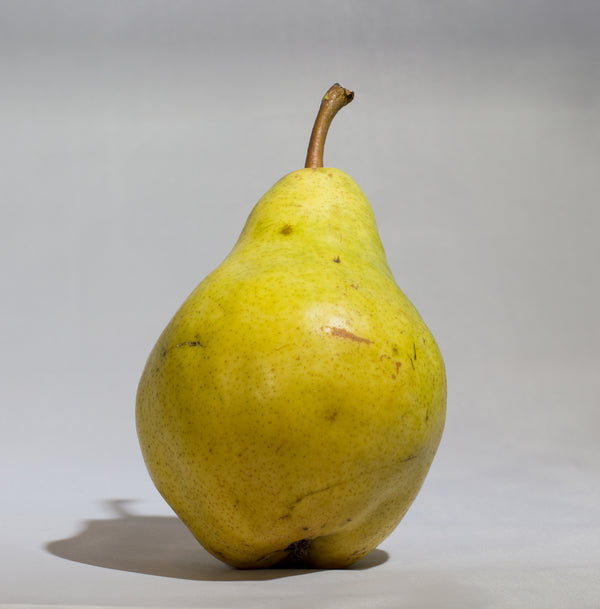
Karl’s Favorite produces medium to very large pears, sometimes even being exceptionally large, with yellow skin and light russeting. It has a fine-textured, melting, juicy flesh and excellent flavor. It’s a strong fresh-eating pear and is also well suited to canning.
Growth Habit & Spacing
The tree is precocious and very productive. It even has a somewhat corky, willowy growth habit, which is always fun to see. Spacing should follow your rootstock and training system, but as a practical baseline for the Karl's Favorite we are offering for Spring 2027 on semi-standard OHxF 97 rootstock, plan roughly 16-18 feet between trees, (unless you’re intentionally managing a tighter, high-prune system.
Cold Hardiness
Hardiness claims for Karl’s Favorite vary substantially—some catalogs list it conservatively (for example, Zone 4). Purvis specifically notes flower buds hardy to at least −34°F for Ewart (Karl’s Favorite).
That lines up well with Jim Walla’s North Dakota observations: when Fargo hit −37°F in the winter of 2018–2019, Karl’s Favorite reportedly showed bud damage. (Although he didn't state if this was leaf bud or flower bud damage). Given that, and staying conservative, listing Karl’s Favorite as a Zone 3b pear and hardy to about −35°F is a cautious, defensible position (Purvis notes zone 3b, so this tracks)—even if some sources claim greater hardiness.
Applied to Montana: from what we have read and from these cold-event observations, Karl’s Favorite should do well in most of Western Montana, but it would generally not be advised for Eastern Montana except for some of the warmer valleys and microclimates (such as Billings and similar favorable pockets), where winter extremes and wind exposure are less punishing.
Pollination
Like almost all pears, Karl's Favorite is not self-fertile, and needs a pollenizer, or cross-pollination with another compatible pear that overlaps bloom, improving fruit set and consistency. Pollenizers for Karl's Favorite that we offer include Bartlett, Red d’Anjou, Seckel, Flemish Beauty, Savignac, Beurré Giffard, Red Sensation Bartlett, Nova, Luscious.
Final Note
Karl's Favorite pears have excellent dessert quality, strong productivity, and at least some fire blight resistance relative to Bartlett (though not “immune” in every setting), and would be considered fairly cold hardy.
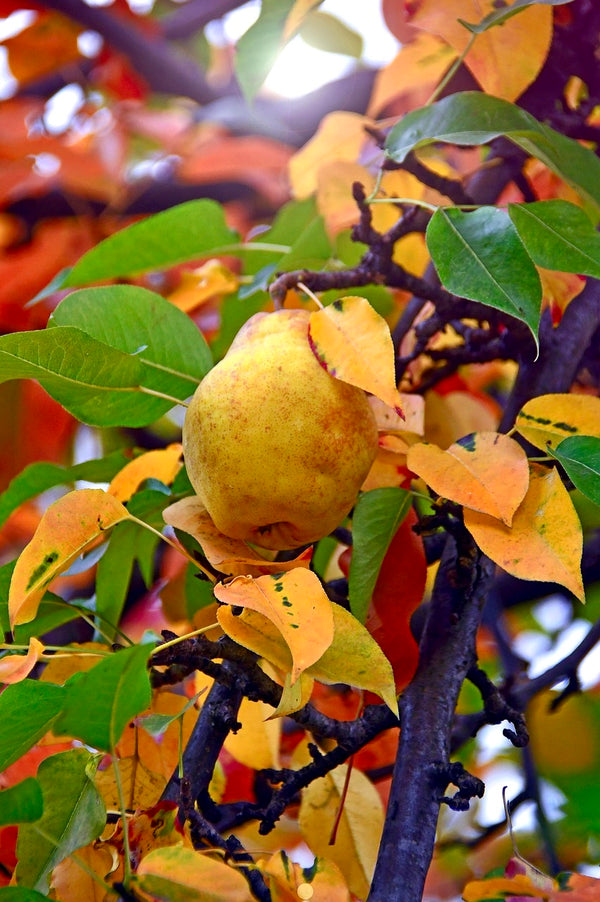
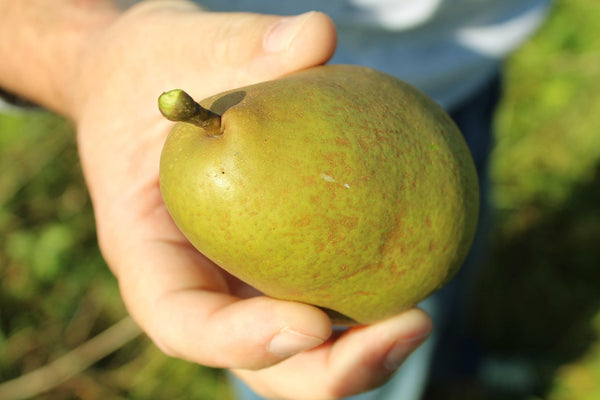
About the photo: this isn’t Karl's Favorite itself. Photos of Karl's Favorite are either under copyright or simply unavailable, so we picked the open-source image that looks closest to the fruit. Photo: “Kruška kleržo” by Silverije, via Wikimedia Commons, licensed CC BY-SA 3.0.
Questions we get about Karl's Favorite Pear
Does Karl's Favorite Pear need a pollenizer?
Yes. Karl's Favorite Pear needs pollen from a different variety that blooms at about the same time. Karl's Favorite needs a pollenizer. Seckel or Bartlett bloom with it; skip Luscious as a partner because its pollen is sterile. Partners we carry include Bartlett Pear, Flemish Beauty Pear, Seckel Pear.
How cold hardy is Karl's Favorite Pear?
We rate Karl's Favorite Pear hardy to zone 3b, which means winters down to about -35°F. Our notes have it taking -34°F. Our ratings come from real winters at our two Montana sites and from trusted growers across the North, not from a catalog average.
How many chill hours does Karl's Favorite Pear need?
About 800 hours of winter chill (we count hours at or below 45°F), likely somewhere between 600 and 1,000. Nobody has published a chill figure for it, so that's our estimate from its relatives and origin. Our chill hours guide has a calculator for your winters, and our research page lists the sources.
How big does Karl's Favorite Pear get?
We graft Karl's Favorite Pear onto OHxF 97 (full size), which makes a tree roughly 18 to 25 ft tall if you never prune it. Plant 16 to 18 ft apart.
What is Karl's Favorite Pear good for?
Our top use scores for Karl's Favorite Pear are canning and freezing (8/10), fresh eating (7/10), cooking and roasting (6/10). Anything scored 8 or higher makes our Best Of lists.
Is Karl's Favorite Pear disease resistant?
We don't know yet. Nobody has published solid disease data on Karl's Favorite Pear for fire blight and pear scab, so we list it as unknown instead of guessing. That doesn't mean it's weak. Plenty of the plants we grow have never been through formal disease trials. Our pear disease resistance chart has every rating, the notes and the sources.
Will deer eat Karl's Favorite Pear?
Sometimes. Deer browse Karl's Favorite Pear now and then, so protect young plants where deer pressure is high.
What arrives, and when does Karl's Favorite Pear ship?
A dormant bare-root plant, roots wrapped in moist sawdust with a vapor barrier, shipped or picked up in Missoula in spring. Sizes offered: 2-3 ft or 3-4 ft or 4-5 ft. We guarantee our plants bud out. Stone fruits can be slow, so if one still has not budded out by August 15, write to us and we credit you for the following spring.
More Plants Like This
Sold Out This Season? Try These
Pollination partners
Trees that will pollenize Karl's Favorite Pear
Karl's Favorite Pear needs a different European pear nearby to set fruit. Every tree below blooms at the same time and has pollen that works for it. Plant partners within about 100 feet.
Bloom group
4 of 7 (Mid)
Pollination
Needs a partner
Pollen
Good pollenizer
-
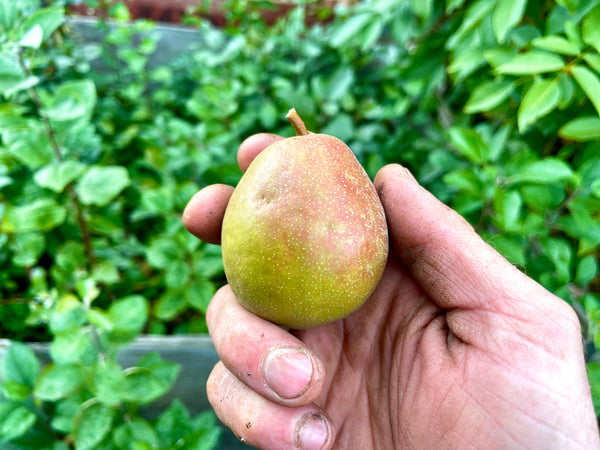
 Bartlett Pear(Spring 2027)
From $64.99
-
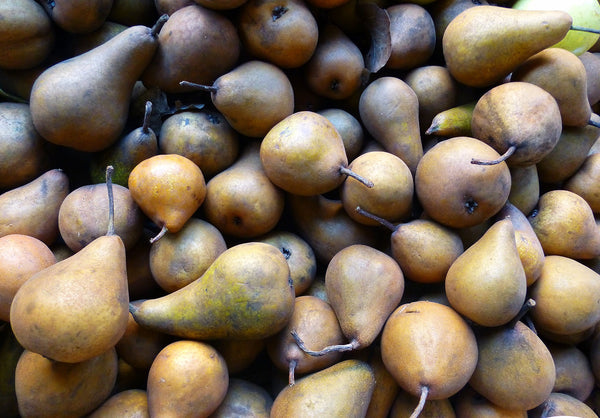
 Seckel Pear(Spring 2027)
From $109.99
-
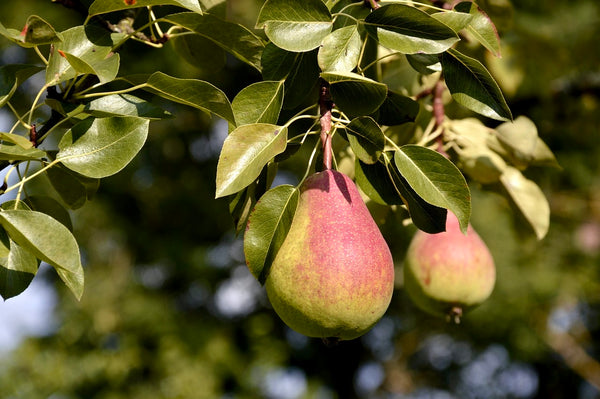
 Honeysweet Pear(Spring 2027)
$49.99
-
 Ubileen Pear(Spring 2027)
From $34.99
-
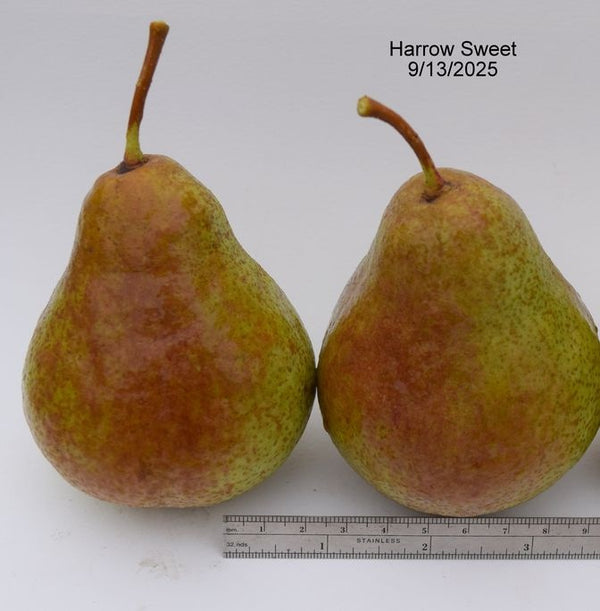 Harrow Sweet Pear(Spring 2027)
From $34.99
-
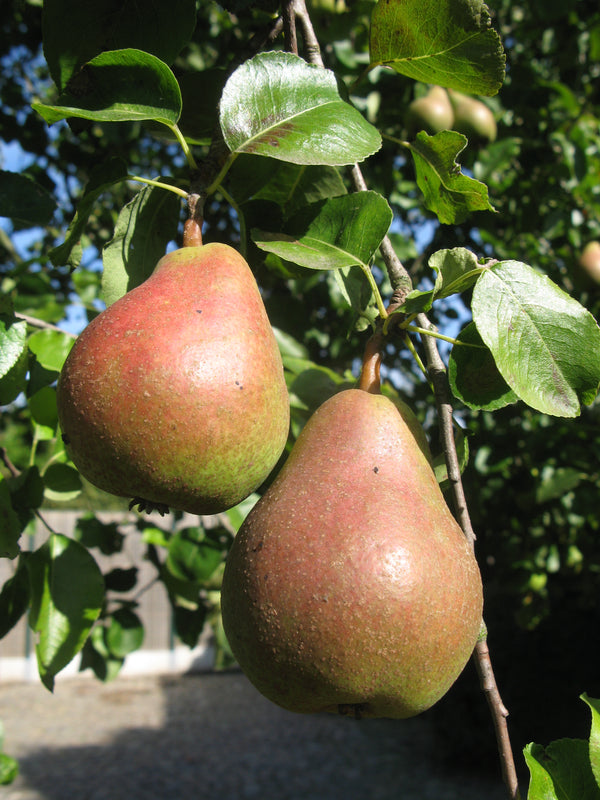 Bulgaria Pear(Spring 2027)
$49.99
-
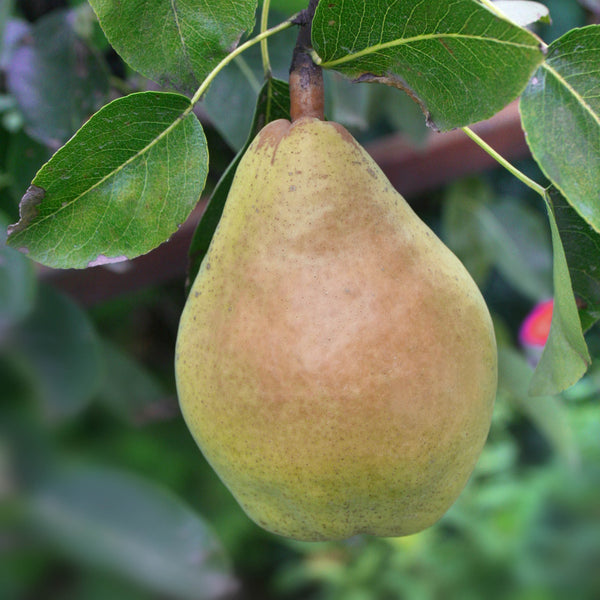 Frost Pear(Spring 2027)
From $34.99
-
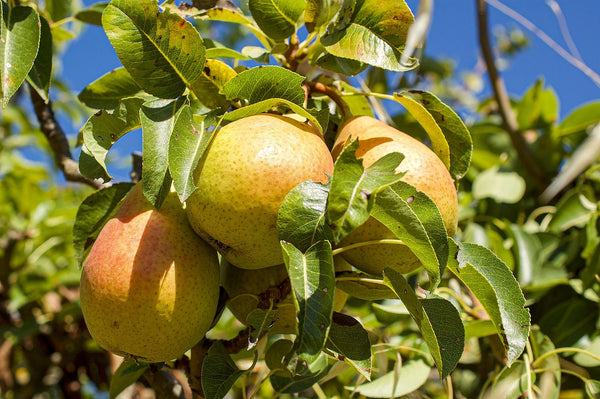 Hudar Pear(Spring 2027)
From $44.99
-
 Nova Pear(Spring 2027)
From $49.99
-
 Waterville Pear(Spring 2027)
From $39.99
-
 Clapp's Favorite Pear(Spring 2027)
From $49.99

You may also like
Not available for spring 2027. Here's what we'd plant instead.
Karl's Favorite Pear is off the list this season. These are in stock now, and the full pear trees collection has the rest. Everything on our zone 3 page is rated for the same winters.
Browse the pear trees collection for what's in stock.