
Skip to product information
Korean Stone Pine Seedling (Bundle of 2)
$49.99
Reliable shipping
Flexible returns
Overview
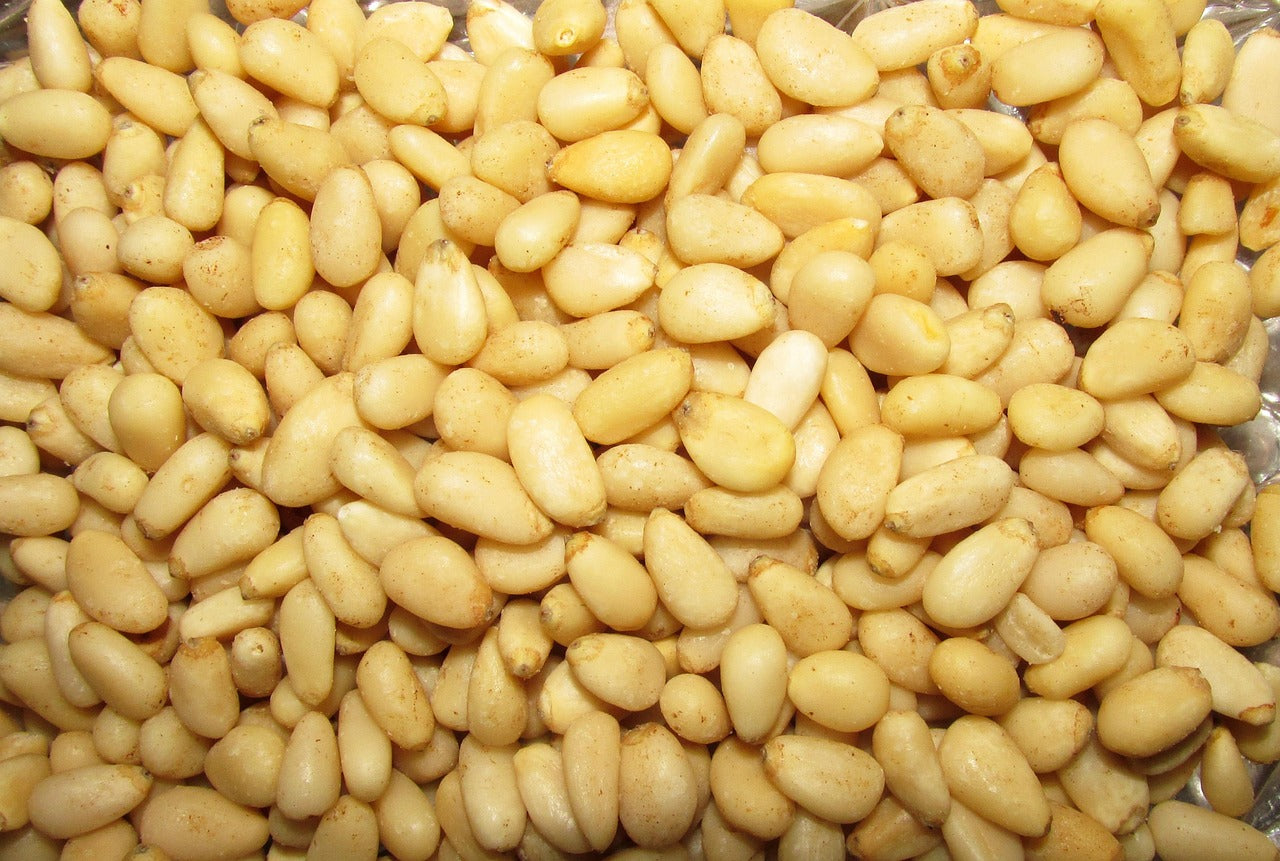
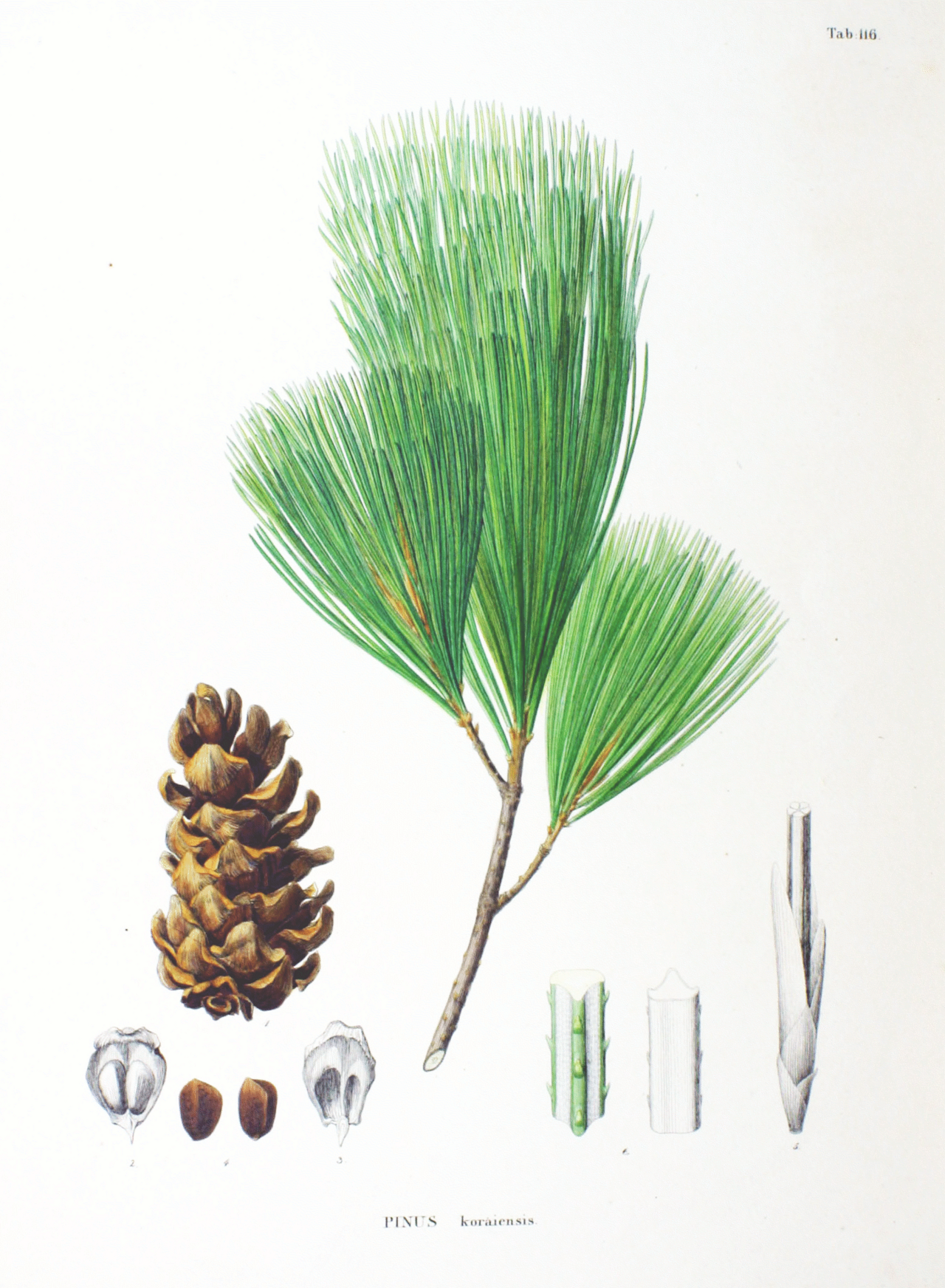
Korean Stone Pine (Pinus koraiensis) is a long-lived, cold-hardy pine native to northeastern Asia, including Korea, northeastern China, and the Russian Far East. It is best known as one of the primary sources of true pine nuts, which have been harvested and cultivated for centuries. The plants offered here are seedlings, meaning they are genetically variable and represent seed-grown material rather than a named clonal selection. That said, the trees from which these seeds were gathered were themselves seedlings. All of these seedlings are grown from seed that was the same size as what you'd find at the store.
Growth Habit & Spacing
Korean Stone Pine grows into a large, slow to moderate growing conifer with a broad, pyramidal form when young, becoming more open and massive with age. At maturity, trees commonly reach 30–50 feet tall and wide, and sometimes larger under favorable conditions. Because of their eventual size and long lifespan, trees should be spaced 25–40 feet apart. They are best suited to permanent plantings where long-term canopy development is desired.
Nut Production & Uses
Korean Stone Pine produces large, high-quality pine nuts that are widely regarded as among the best-tasting of all pine nuts. These are exactly what you'd find in the grocery store when you purcahse "pine nuts". Nuts are used fresh, roasted, or in cooking and baking. Trees typically take many years to begin producing cones, and cross-pollination between multiple individuals improves cone and nut set over time. Therefore, this bundle of two should provide adequate pollination.
Cold Hardiness
Korean Stone Pine is extremely cold hardy and is generally considered suitable for USDA Hardiness Zones 2–7, with documented survival into the −40°F range under continental winter conditions. Its native range includes regions with long, severe winters, making it one of the most cold-tolerant nut-producing trees available.
Other Notable Characteristics
In addition to nut production, Korean Stone Pine is valued as a windbreak tree, wildlife tree, and long-term food-security species. It tolerates cold, snow load, and relatively poor soils once established, though it performs best in well-drained sites. As a seed-grown species with a long juvenile period, it is best planted by those thinking in decades rather than years, offering a legacy tree for future generations.