
Skip to product information
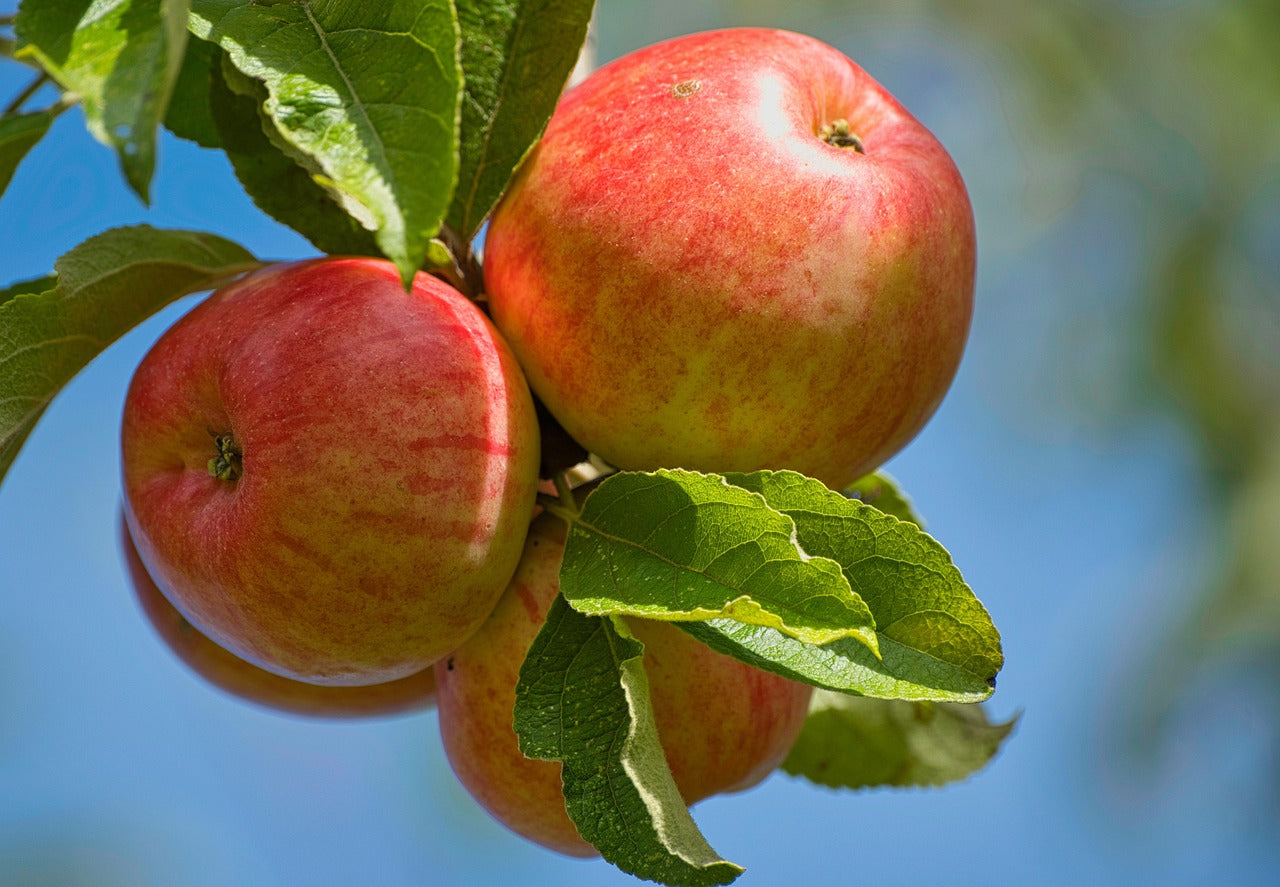
Norland Apple
$39.99
Reliable shipping
Flexible returns
Overview
Norland is a prairie-bred, early-season apple developed for very cold climates. It is known for being naturally smaller growing, often described as a genetic semi-dwarf, as well as precocious and reliably productive. Norland was bred specifically to perform in regions with short growing seasons (it's a summer apple) and extreme winter cold.
History & Parentage
Norland was developed by Dr. C. R. Ure for the Prairie Fruit Breeding Cooperative at Agriculture Canada’s Morden Research Station in Morden, Manitoba. Its parentage is commonly given as Rescue × Red Melba. It was introduced in the late 1970s and is often listed as having been released in 1979.
Fruit Quality & Uses
Norland produces small to medium-sized fruit that ripens early, often in early August. It is typically used as an early dessert and cooking apple. Prairie-region notes frequently emphasize that Norland has surprisingly good fruit quality given its level of cold hardiness and early ripening window.
Growth Habit & Spacing
Trees have an upright-spreading growth habit and are moderately vigorous, but are often described as rarely exceeding about 15 feet in height due to their naturally dwarfing tendency, even on full size rootstock. A practical spacing is about 15 ft. for Bud 118, and perhaps a little more for Dolgo just to be safe, even with Norland's naturally dwarfing vigor regardless of rootstock.
Pollination
Norland is not self-fertile and needs another apple variety that blooms at the same time. Any compatible apple cultivar that overlaps bloom can serve as a pollenizer, including several other apple varieties we offer, as well as applecrabs and crabapples. Examples include Norkent, Norson, Norda, Dearborn’s Unknown, Zestar!, Lodi, Prairie Sensation, September Ruby, and applecrabs such as Chestnut, Kerr, Trailman, and others.
Cold Hardiness
Norland has survived −47°F in multiple winters in Gallatin Gateway, Montana for Ed Schultz with no winter injury. That said, these temperatures occurred briefly in the early hours of the morning. Whether Norland can withstand such extreme cold for extended durations is less certain. Because of this, site selection is important. Avoid low-lying areas prone to frost pooling and favor uphill locations or sites with good cold-air drainage. We would list Norland as a solid Zone 2 apple, suitable for nearly all of Montana, including some of the coldest areas east of the Continental Divide.