
Skip to product information


Stanley Plum
$59.99
Reliable shipping
Flexible returns
Pollination
Partly self-fertile
Bloom group
4 of 7 (Mid)
Ripening
Will it finish before your first hard freeze?
Check it on the Ripening Map (opens in a new tab)
Disease resistanceResists 2 of 6
- 3 Bacterial canker : Moderate, 3 of 5
- 4 Bacterial spot : Resistant, 4 of 5
- 1 Black knot : Highly susceptible, 1 of 5
- 2 Brown rot : Susceptible, 2 of 5
- ? Cytospora canker : Unknown, no published data yet
- 4 Plum pocket : Resistant, 4 of 5
Scored 1 to 5. Higher resists better, and ? means no published data yet.
See it on our plum disease chart (opens in a new tab)At a glance: Stanley Plum is a plum tree rated hardy to zone 4 in our ratings (winters to -30°F), and partially self-fertile, so a second variety nearby makes crops more dependable (bloom group 4 of 7, mid for a European plum).
| Hardy to | Zone 4 to 7. A bare number means the whole of zone 4, colder half included (winters to -30°F). Find your zone with our cold hardiness calculator. |
|---|---|
| Chill hours | About 800 hours (700 to 900). Well documented. Independent sources agree. Montana winters give it plenty. In milder climates, make sure your winters average at least this much. Check your chill hours or see our sources. |
| Pollination | Partially Self-Fertile. Bloom group 4 of 7 (mid), mid spring here. Stanley sets fruit on its own but crops better with another European plum such as Italian or Mount Royal. Japanese and hybrid plums like La Crescent and Ptitsin #5 cannot pollenize it. Nearby varieties that can boost the crop: Italian Plum, Mount Royal Plum, Early Italian Plum, Longjohn Plum and 6 more. Plum Pollination Map. |
| Rootstock and size | Lovell: full size, about 12 to 20 ft tall unpruned. Doesn't like wet feet or high-lime soil. Our rootstock guide. |
| Good for | Pies and baking (8/10), cooking and roasting (8/10), jams and jellies (8/10), canning and freezing (8/10), drying (8/10), sauce and butter (8/10). Scores are our own 1 to 10 ratings; 8 and up makes our Best Of lists. |
| Deer | A deer favorite. Fence it or cage it. |
| What you get | Bare root, 5-7 ft. Regular Grade or 5-7 ft. Larger & more branching or 5-7 ft. Larger Grade: Not for shipping. Shipped or picked up in Missoula in spring, roots wrapped in moist sawdust. Guaranteed to bud out. |
Overview
Stanley is a classic European plum valued for its dependable productivity, versatile fruit, and adaptability across a wide range of climates. It is best known as a high-quality fresh eating plum, but also well known as a prune plum (perhaps after Italian).
Flavor & Uses
We tried Stanley for the first time from one of Doug Hawes-Davis' trees in Missoula. They are reminiscent of an Italian, although a little bit sweeter. Some growers note that they also make excellent wine.
Cold Hardiness
While some sources list Stanley as a Zone 5 plum, our experience suggests it is better suited to Zone 4. It has survived significant early fall frosts at our nursery, including temperatures down to −10°F on October 25, 2020, indicating an ability to handle colder conditions than often reported.
In our experience in western Montana, Stanley is a solid Zone 4 plum. However, if you are in an area that regularly sees temperatures below −30°F (and certainly anything colder than -35F), we recommend planting some of the hardier plums we offer instead. These include Asian × American hybrids such as Toka, Pipestone, and Underwood, as well as very hardy European plums like Northern Blue, La Crescent, Ptitsin #5, and Mount Royal, all of which can tolerate −40°F and possibly colder when well sited (we rate Mount Royal to −45°F).
Ideal Growing Conditions
Stanley performs best in protected locations, away from frost pockets and strong winds. Sites with nearby structures or pavement that provide additional warmth and shelter tend to be especially favorable if you are in an area that can see -30F or colder (probably wouldn't make it past -35F).
Pollination
For best fruit set, plant Stanley with Italian, Northern Blue, La Crescent, Ptitsin #5, or Mount Royal.
Tree Size & Rootstock
These trees are approximately 5–7 ft tall and are grafted onto Lovell full-size rootstock.
Photos: “Слива сорт Стенлей” by Zenon Sych, via Wikimedia Commons, licensed CC BY-SA 4.0; “Šljive Stanley u cvatu” by Silverije, via Wikimedia Commons, licensed CC BY-SA 4.0; “Cvijet šljive Stanley” by Silverije, via Wikimedia Commons, licensed CC BY-SA 3.0.
Questions we get about Stanley Plum
Does Stanley Plum need a pollenizer?
It helps. Stanley Plum is partially self-fertile, so it can set some fruit alone, but a second variety nearby makes crops more dependable. Stanley sets fruit on its own but crops better with another European plum such as Italian or Mount Royal. Japanese and hybrid plums like La Crescent and Ptitsin #5 cannot pollenize it. Partners we carry include Italian Plum, Mount Royal Plum, Early Italian Plum.
How cold hardy is Stanley Plum?
We rate Stanley Plum hardy to zone 4, which means winters down to about -30°F. Our ratings come from real winters at our two Montana sites and from trusted growers across the North, not from a catalog average.
How many chill hours does Stanley Plum need?
About 800 hours of winter chill (we count hours at or below 45°F), likely somewhere between 700 and 900. That figure is well documented: independent sources agree. That's typical of European prune plums. Northern winters supply that easily, so hardiness matters more than chill here. Our chill hours guide has a calculator for your winters, and our research page lists the sources.
How big does Stanley Plum get?
We graft Stanley Plum onto Lovell (full size), which makes a tree roughly 12 to 20 ft tall if you never prune it.
What is Stanley Plum good for?
Our top use scores for Stanley Plum are pies and baking (8/10), cooking and roasting (8/10), jams and jellies (8/10), canning and freezing (8/10). Anything scored 8 or higher makes our Best Of lists.
Is Stanley Plum disease resistant?
For some diseases, yes. It's resistant to bacterial spot and plum pocket. It holds up moderately well against bacterial canker. It's very prone to black knot, and prone to brown rot. Nobody has published solid data on it for cytospora canker yet, so we list that as unknown. Our plum disease resistance chart has every rating, the notes and the sources.
Will deer eat Stanley Plum?
Yes, deer love it. Protect Stanley Plum with a fence or a cage, especially while it is young.
What arrives, and when does Stanley Plum ship?
A dormant bare-root plant, roots wrapped in moist sawdust with a vapor barrier, shipped or picked up in Missoula in spring. Sizes offered: 5-7 ft. Regular Grade or 5-7 ft. Larger & more branching or 5-7 ft. Larger Grade: Not for shipping. We guarantee our plants bud out. Stone fruits can be slow, so if one still has not budded out by August 15, write to us and we credit you for the following spring.
More Plants Like This
Sold Out This Season? Try These
Pollination partners
Partners for a bigger Stanley Plum crop
Stanley Plum sets some fruit on its own, but a lot more with a partner. Every tree below blooms at the same time and has pollen that works for it.
Bloom group
4 of 7 (Mid)
Pollination
Partly self-fertile
Pollen
Good pollenizer
-
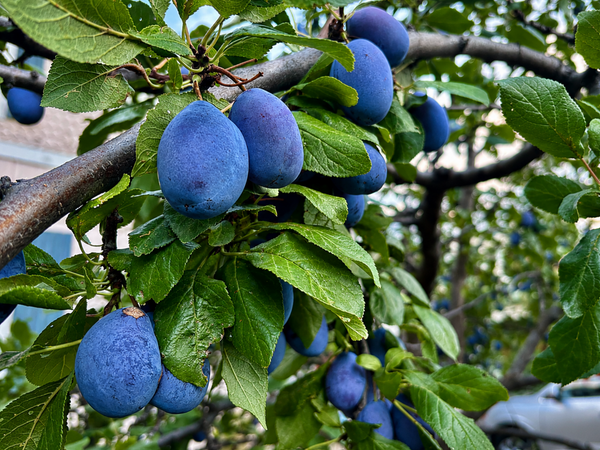 Italian Plum(Spring 2027)
From $74.99
Italian Plum(Spring 2027)
From $74.99
-
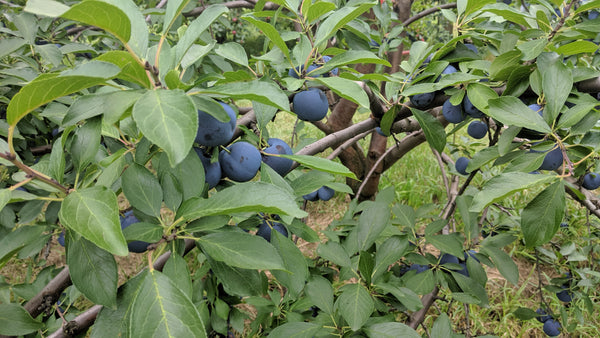 Mount Royal Plum(Spring 2027)
From $49.99
Mount Royal Plum(Spring 2027)
From $49.99
-
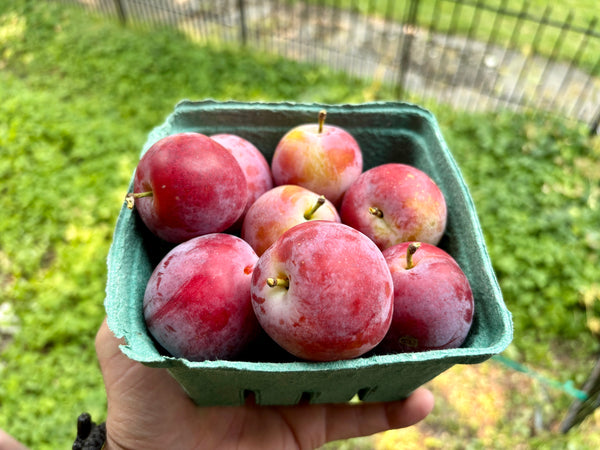 Deluge Plum(Spring 2027)
From $59.99
Deluge Plum(Spring 2027)
From $59.99
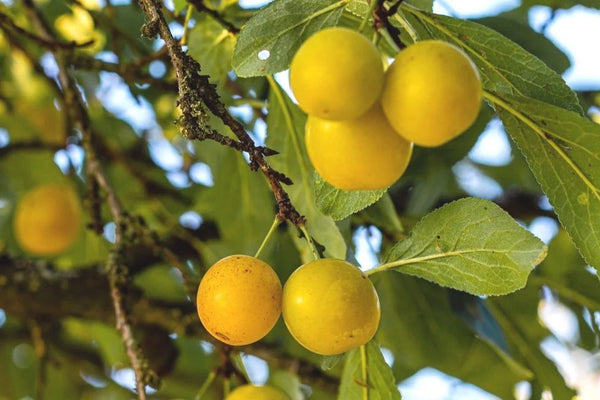
You may also like
Not available for spring 2027. Here's what we'd plant instead.
Stanley Plum is off the list this season. These are in stock now, and the full european plum trees collection has the rest. Everything on our zone 4 page is rated for the same winters.
Browse the european plum trees collection for what's in stock.