
Skip to product information


Yellow Transparent Apple Seedling (Bundle of 10)
$19.99
Reliable shipping
Flexible returns
Pollination
Needs a partner
Bloom group
2 of 7 (Early)
Ripening
Will it finish before your first hard freeze?
Check it on the Ripening Map (opens in a new tab)
Disease resistanceNot tested yet
- ? Apple scab : Unknown, no published data yet
- ? Cedar-apple rust : Unknown, no published data yet
- ? Fire blight : Unknown, no published data yet
- ? Powdery mildew : Unknown, no published data yet
Scored 1 to 5. Higher resists better, and ? means no published data yet.
See it on our apple disease chart (opens in a new tab)
On video


At a glance: Yellow Transparent Apple Seedling is an apple tree rated hardy to zone 2 in our ratings (winters to -50°F), and not self-fertile, so it needs a different variety nearby as a pollenizer (bloom group 2 of 7, early for an apple or crabapple).
| Hardy to | Zone 2 to 8. A bare number means the whole of zone 2, colder half included (winters to -50°F). Our notes have it taking -50°F. Find your zone with our cold hardiness calculator. |
|---|---|
| Chill hours | About 900 hours (700 to 1,200). Seedlings vary, so this is based on the parent tree. Montana winters give it plenty. In milder climates, make sure your winters average at least this much. Check your chill hours or see our sources. |
| Pollination | Needs Cross-Pollination. Bloom group 2 of 7 (early), late spring here. Not self-fertile. Every seedling is a different tree, so plant a different named apple or crabapple nearby that blooms in groups 1 to 3 on our chart to be sure of a good pollenizer. Good partners we carry: Dolgo Crabapple (Bundle of 2), Chestnut Applecrab, Crimson Beauty Apple, Lodi Apple and 42 more. Bloom group is our estimate from the variety's origin and relatives. Apple Pollination Map. |
| Good for | Sauce and butter (7/10), juice and sweet cider (6/10), jams and jellies (6/10), canning and freezing (6/10). Scores are our own 1 to 10 ratings; 8 and up makes our Best Of lists. |
| Deer | A deer favorite. Fence it or cage it. |
| What you get | Bare root, Less than 6". Shipped or picked up in Missoula in spring, roots wrapped in moist sawdust. Guaranteed to bud out. |
Overview
Yellow Transparent was imported from Russia in 1870 to provide the American frontier with a cold-hardy, reliable apple—especially in regions where Midwestern apples fell short. These trees are tough as nails, known for thriving in droughty, poor soils and brutally cold winters. They've been feeding homesteaders in Montana and the West for over 150 years with dependable crops of disease-resistant summer apples.
Flavor & Culinary Use
While not prized for long storage (it goes mealy quickly, like many summer apples), Yellow Transparent excels as a culinary variety:
Apple sauce superstar: In 2024, Elizabeth made dozens of jars from a single tree—everyone raved.
Flavor off the tree (Luke’s 2024 tasting notes):
“Very perfumy. Perhaps second only to McIntosh for its floral aroma. Tart but actually quite pleasant. Very floral tasting, matching the aroma. Lovely flavor overall.”
Harvest & Heritage
Ripens mid-August in Missoula (2024 harvest was on August 14).
Not the earliest summer apple, but still very early.
According to the Western Ag Research Center in Corvallis, MT:
“Commonly grown by homesteaders and listed in 1901 First District reports (Dawson, Carbon, Rosebud, Yellowstone, Sweet Grass). Old-timers just call it ‘Transparent.’ Heritage trees still exist across Montana.”
Cold Hardiness
Hardy to -50F or colder—possibly even -60F.
A true Zone 2 apple, and even protected zone 1 sites. A proven performer in even Montana’s harshest climates.
Seedlings
With all of that said, these are all seedlings from a well established and consistently bearing mother tree. Since these seedlings are open pollinated, it is obviously known that Yellow Transparent is one of the pollen parents, but in terms of the other parent, it could be anyone's guess. There are quite a few old McIntosh's in the area, but there are also some Jonamac, Cortland, Zestar!, and others. What is likely is that the other unknown pollen parent came from one of these since the mother Yellow Transparent is situated within an orchard of exclusively named, cultivated varieties. Whether the seedlings become apple trees that produce exceptional fruit is a roll of the dice. But since Yellow Transparent is extremely hardy and the fruit comes on in the summer, and the trees are surrounded by all fairly hardy trees (there's also a Northwest Greening right next to the mother tree which is hardy to -40F) these seedlings would likely become hardy trees that will produce apples that can ripen in a short growing season. As such, these are for extreme cold climates with short growing seasons. Good luck!
Questions we get about Yellow Transparent Apple Seedling
Does Yellow Transparent Apple Seedling need a pollenizer?
Yes. Yellow Transparent Apple Seedling needs pollen from a different variety that blooms at about the same time. Not self-fertile. Every seedling is a different tree, so plant a different named apple or crabapple nearby that blooms in groups 1 to 3 on our chart to be sure of a good pollenizer. Partners we carry include Dolgo Crabapple (Bundle of 2), Chestnut Applecrab, Crimson Beauty Apple.
How cold hardy is Yellow Transparent Apple Seedling?
We rate Yellow Transparent Apple Seedling hardy to zone 2, which means winters down to about -50°F. Our notes have it taking -50°F. Our ratings come from real winters at our two Montana sites and from trusted growers across the North, not from a catalog average.
How many chill hours does Yellow Transparent Apple Seedling need?
About 900 hours of winter chill (we count hours at or below 45°F), likely somewhere between 700 and 1,200. That's based on the parent, Yellow Transparent. Seedlings vary genetically, so chill need will vary a little tree to tree. Expect roughly 800 to 1,000 hours. Our chill hours guide has a calculator for your winters, and our research page lists the sources.
What is Yellow Transparent Apple Seedling good for?
Our top use scores for Yellow Transparent Apple Seedling are sauce and butter (7/10), juice and sweet cider (6/10), jams and jellies (6/10), canning and freezing (6/10).
Is Yellow Transparent Apple Seedling disease resistant?
We don't know yet. Nobody has published solid disease data on Yellow Transparent Apple Seedling for apple scab, cedar-apple rust, fire blight and powdery mildew, so we list it as unknown instead of guessing. That doesn't mean it's weak. Plenty of the plants we grow have never been through formal disease trials. Our apple disease resistance chart has every rating, the notes and the sources.
Will deer eat Yellow Transparent Apple Seedling?
Yes, deer love it. Protect Yellow Transparent Apple Seedling with a fence or a cage, especially while it is young.
What arrives, and when does Yellow Transparent Apple Seedling ship?
A dormant bare-root plant, roots wrapped in moist sawdust with a vapor barrier, shipped or picked up in Missoula in spring. Sizes offered: Less than 6". We guarantee our plants bud out. Stone fruits can be slow, so if one still has not budded out by August 15, write to us and we credit you for the following spring.
More Plants Like This
Sold Out This Season? Try These
Pollination partners
Trees that will pollenize Yellow Transparent Apple Seedling
Yellow Transparent Apple Seedling needs a different apple or crabapple nearby to set fruit. Every tree below blooms at the same time and has pollen that works for it. Plant partners within about 100 feet.
Bloom group
2 of 7 (Early)
Pollination
Needs a partner
Pollen
Not tested yet
-
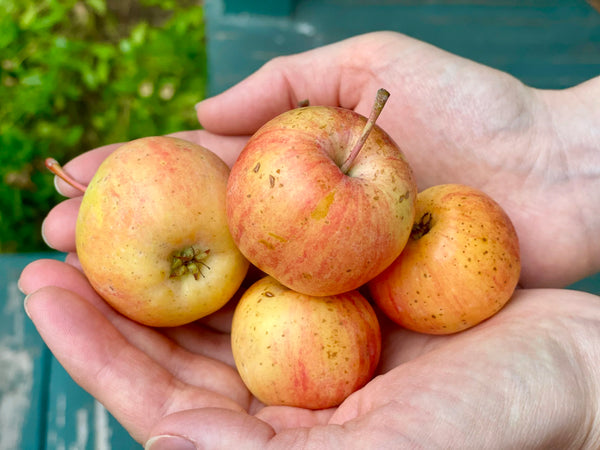 Chestnut Applecrab(Spring 2027)
From $59.99
-
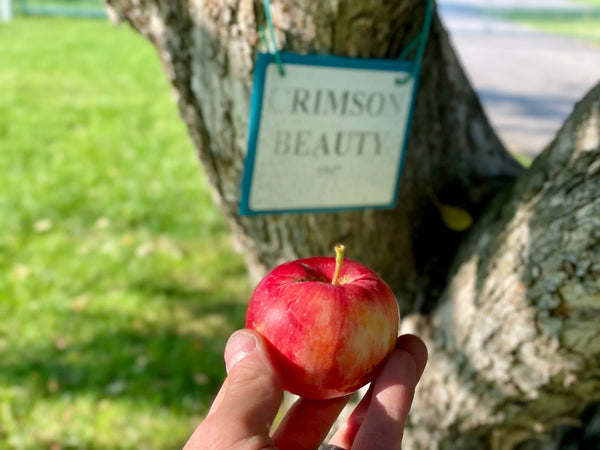 Crimson Beauty Apple(Spring 2027)
From $59.99
-
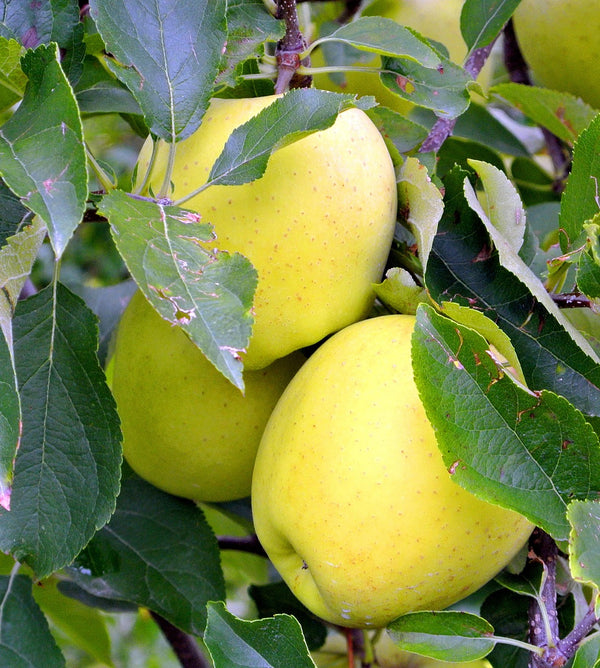 Lodi Apple(Spring 2027)
From $54.99
-
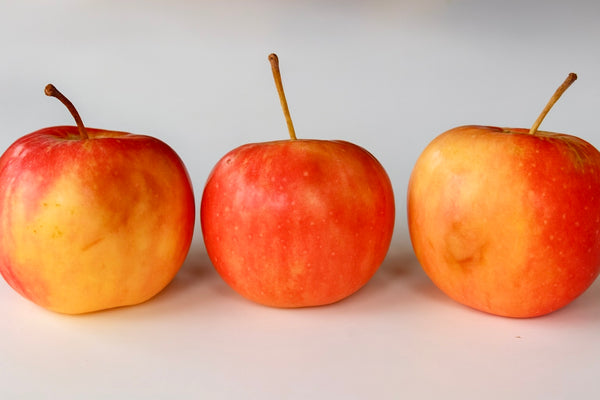 Martha Applecrab(Spring 2027)
From $44.99
-
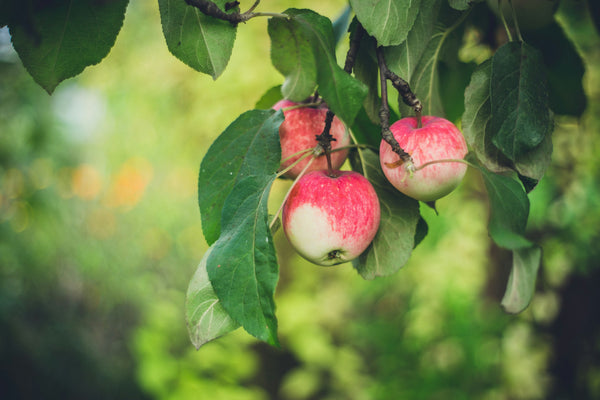 Norda Apple(Spring 2027)
From $54.99
-
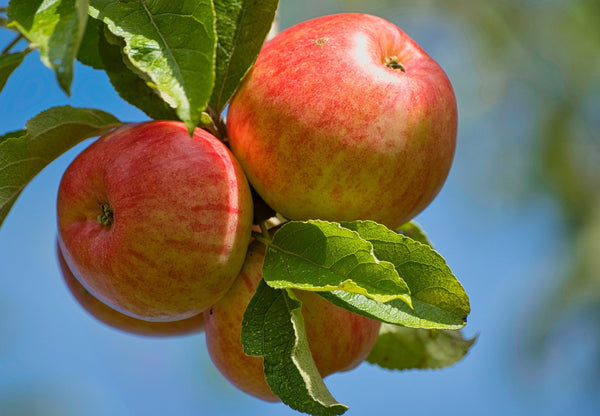 Norland Apple(Spring 2027)
From $49.99
-
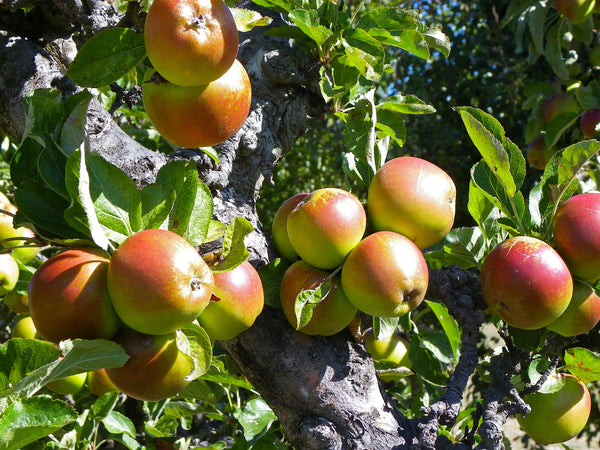 Red Baron Apple(Spring 2027)
$74.99
-
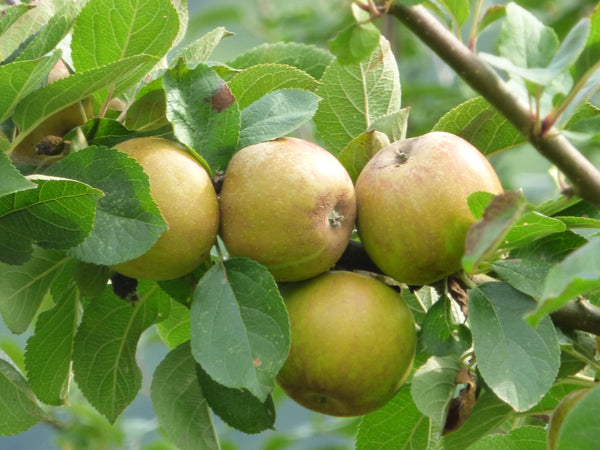 St. Edmund's Pippin Apple(Spring 2027)
From $44.99
-
 Hewe's Virginia Crabapple(Spring 2027)
From $74.99
See every pairing on the Apple Pollination Map
Yellow Transparent Apple Seedling's bloom group is our best estimate. Watch it bloom and tell us what you see.
You may also like
Not available for spring 2027. Here's what we'd plant instead.
Yellow Transparent Apple Seedling (Bundle of 10) is off the list this season. These are in stock now, and the full apple trees collection has the rest. Everything on our zone 2 page is rated for the same winters.
Browse the apple trees collection for what's in stock.