Zone 1 Fruit Trees
Zone 1 means winters that hit -50°F or colder. Very little fruit comes through that, so this is a short list: the applecrabs and crabapples that have proven themselves at the very bottom of the scale, plus aspen for shelter.
More about growing fruit in zone 1
We rate every variety by the coldest night it has actually come through, at our two Montana sites in Missoula and Florence or with trusted growers farther north, not by a catalog average. A bare zone number means the whole zone, colder half included. A b, like 1b, means the warmer half only.
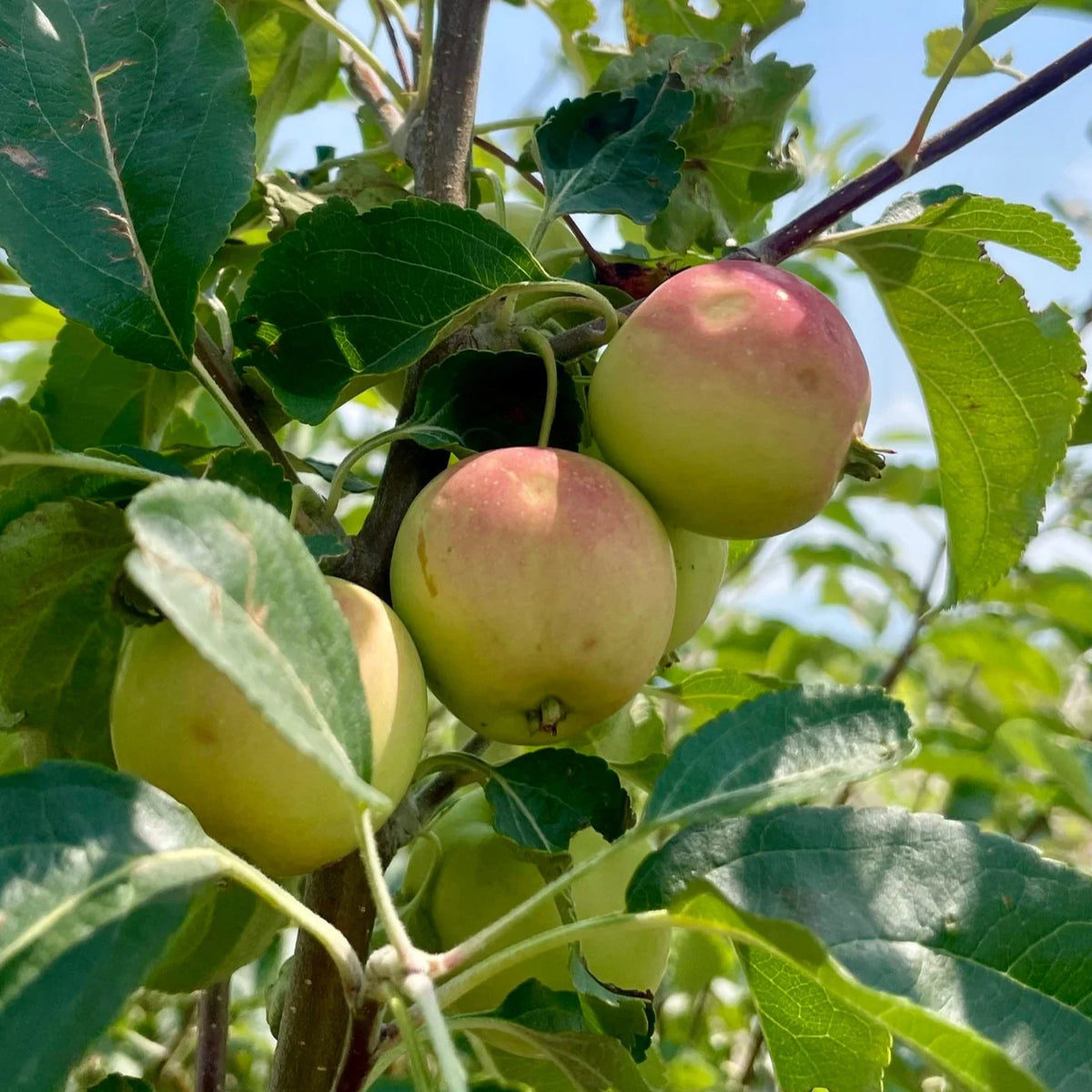
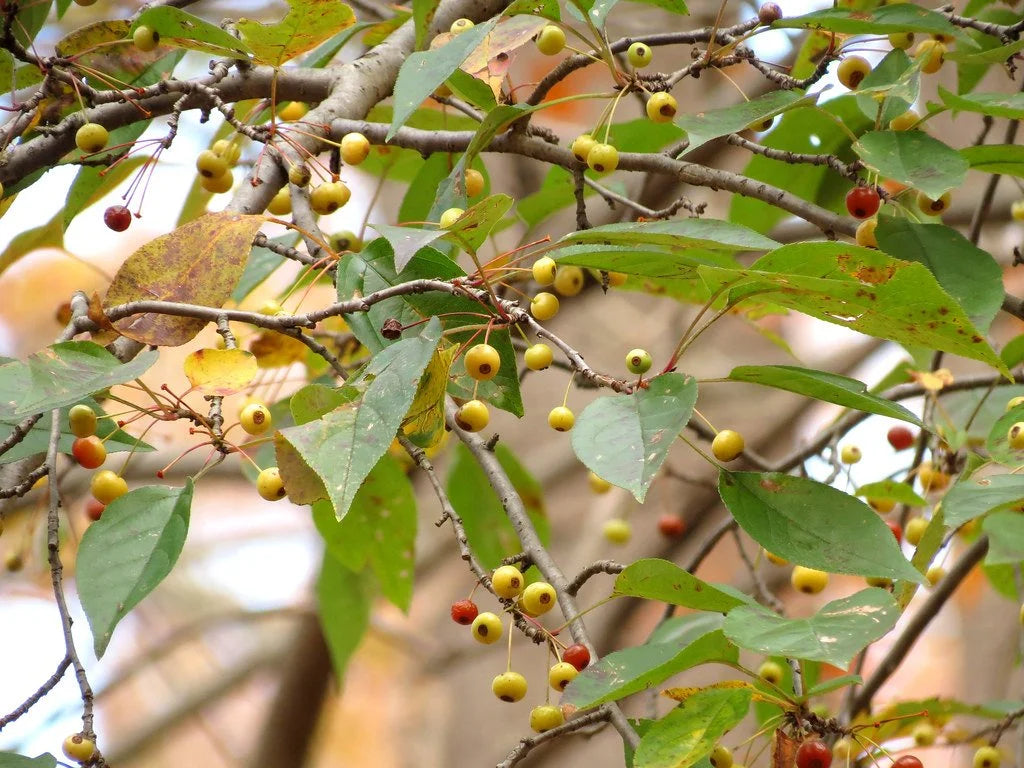
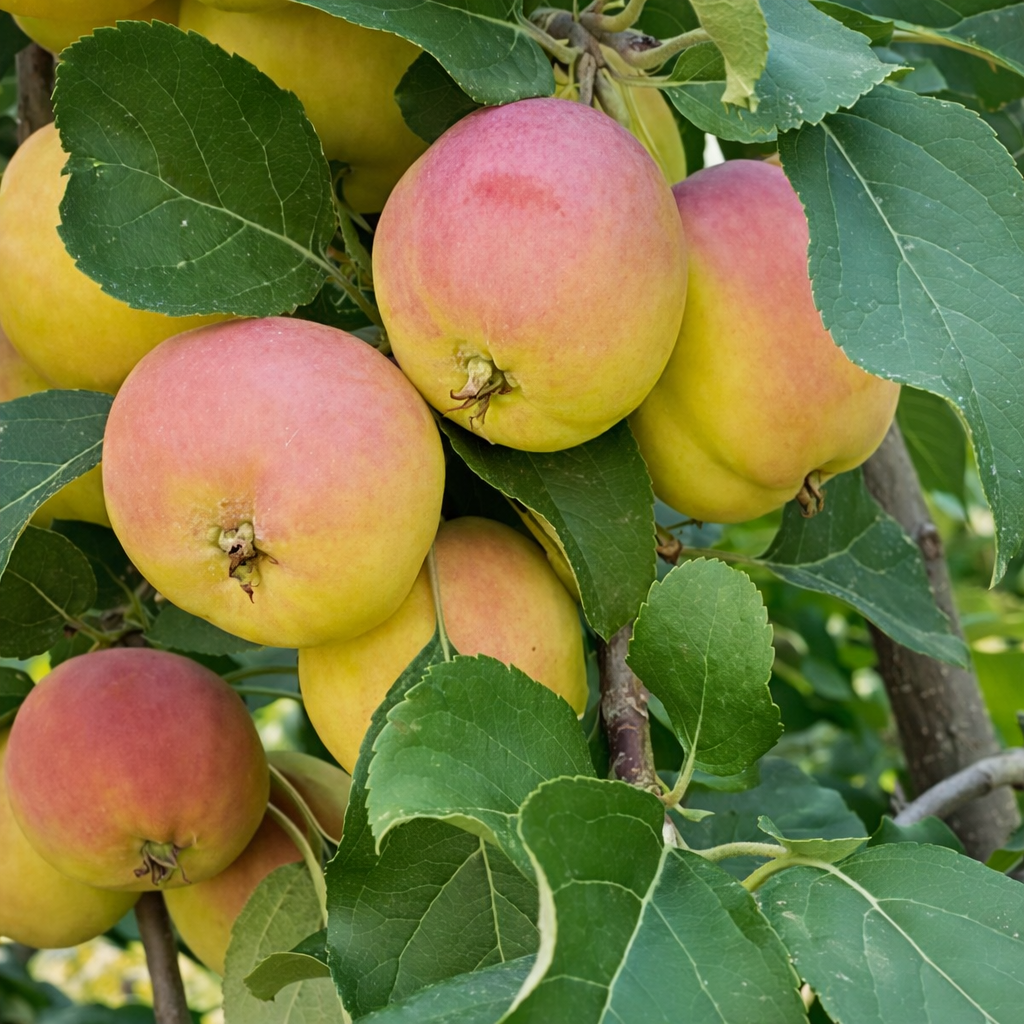
Trailman and Rescue applecrabs and Siberian crabapple are the backbone up here. The fruit is small, but it's real fruit: good for jelly, juice, cider and eating out of hand. If your coldest nights bottom out closer to -55°F than -60°F, you can also try Dolgo, Trail and September Ruby, which we rate to 1b.
Site matters more in zone 1 than anywhere else. Plant on a slope where cold air can drain away, keep trees out of low frost pockets, and give young trees shelter from the wind. See the zone 2 page for everything that opens up once winters stay above -50°F.
Other zones: Zone 2. Find your zone with our cold hardiness calculator.
Questions about zone 1
What does zone 1 mean?
Zone 1 is an average coldest winter night of -60°F to -50°F. Zone 1a runs -60°F to -55°F and zone 1b runs -55°F to -50°F.
Can I grow apples in zone 1?
Full-size dessert apples, no. Applecrabs like Trailman and Rescue are the closest thing: small, sweet-tart apples on very tough trees. In the warmer half of the zone (1b), September Ruby is worth a try.
How do you decide a plant is hardy to zone 1?
Only by watching it come through that kind of cold. Our ratings come from real winters at our sites in Missoula and Florence and from trusted growers across the North.
Loading the plant finder…