Skip to product information


Toka Plum (Spring 2027)
$49.99
Reliable shipping
Flexible returns
Pollination
Needs a partner
Bloom group
4 of 7 (Mid)
Ripening
Will it finish before your first hard freeze?
Check it on the Ripening Map (opens in a new tab)At a glance: Toka Plum is a plum tree rated hardy to zone 2b in our ratings (winters to -45°F), not self-fertile, so it needs a different variety nearby as a pollenizer (bloom group 4 of 7, mid for a hybrid or Japanese plum), and it ripens about Aug 31 to Sep 12 in Missoula (our Missoula estimate).
| Hardy to | Zone 2b to 8. The b means the warmer half of zone 2 only (winters to -45°F). Find your zone with our cold hardiness calculator. |
|---|---|
| Pollination | Needs Cross-Pollination. Bloom group 4 of 7 (mid), early spring here. Toka is the best all-round pollenizer for hybrid plums, but it still needs a different hybrid such as Superior or South Dakota to fruit well itself. A Native American plum nearby covers the Canadian advice that hybrids need wild plum pollen. Good partners we carry: Kaga Plum, Kahinta Plum, South Dakota Plum, Superior Plum and 15 more. Plum Pollination Map. |
| Ripens | About Aug 31 to Sep 12 in Missoula (a Missoula estimate from published sources). Real years swing about a week either way. See the date for your town. |
| Rootstock and size | Prairie Red Plum: semi-dwarf, about 10 to 15 ft tall unpruned. A seed-grown American plum hybrid from the USDA plant materials center in Bismarck; it suckers. Native Plum: semi-dwarf, about 10 to 15 ft tall unpruned. Suckers, so mow or pull suckers. Plant 12 to 16 ft apart. Our rootstock guide. |
| Good for | Pollenizing other trees (10/10), fresh eating (8/10), jams and jellies (7/10). Scores are our own 1 to 10 ratings; 8 and up makes our Best Of lists. |
| Deer | A deer favorite. Fence it or cage it. |
| What you get | Bare root, 3-5 ft or 4-5 ft or 5-7 ft. Shipped or picked up in Missoula in spring, roots wrapped in moist sawdust. Guaranteed to bud out. |
Overview
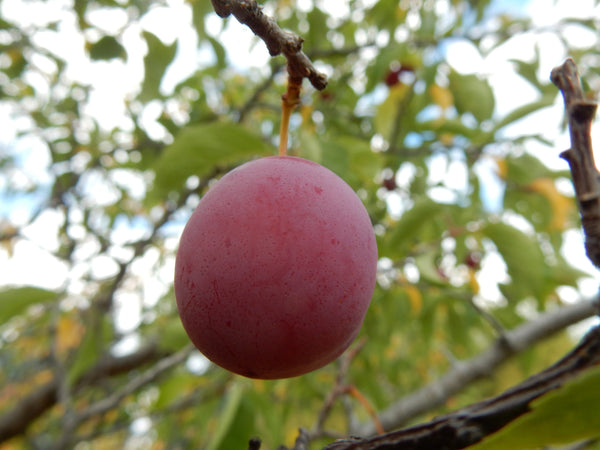
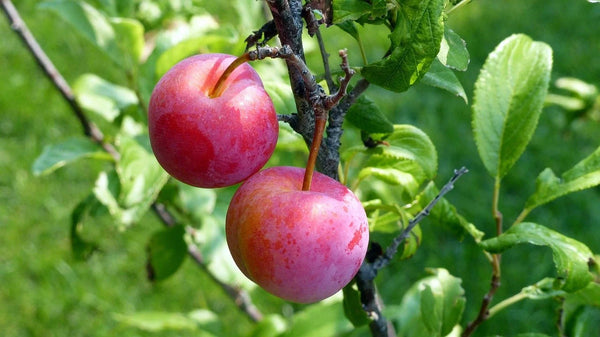
Toka is the classic “bubblegum plum,” a cold-climate hybrid plum known for its unusually aromatic, candy-sweet flavor and its value as a strong pollenizer in hardy plum plantings. It’s one of the most talked-about dessert-quality plums for colder regions because it brings standout flavor while still fitting into northern orchard systems.
Origin & History
Toka was released in 1911 through the cold-climate breeding work associated with N.E. Hansen and the South Dakota program. It is a hybrid between the rugged native American plum and the highly aromatic Chinese “apricot plum” species Prunus simonii, bred specifically to combine hardiness with distinctive flavor.
Fruit & Uses
Toka fruits are typically small to medium and ripen in late summer, with a reputation for an intensely sweet, perfumed flavor that many growers describe as bubblegum-like. At peak ripeness it’s excellent for fresh eating, and it also performs well in jam, sauce, and preserves where that concentrated aroma carries through.
Growth Habit
Toka is described as forming a vase-shaped tree with a medium growth rate. Like many hardy hybrid plums, it can be quite productive when well pollinated, and good structure and occasional thinning help keep crops consistent and limbs healthy over time.
Spacing
We currently offer Toka on Native Plum and Prairie Red Plum Semi-Dwarf rootstock. On both of these semi-dwarf plum-type root system, a practical spacing is generally about 12–16 ft between trees depending on soil vigor, irrigation, and how much you plan to manage canopy size through pruning. The overall size of the trees will be less uniform for the native plum rootstocks, which is why we are also offering Prairie Red, which tend to be more uniform and max out closer to 15 ft. at maturity. Use wider spacing when you want simpler long-term maintenance and better airflow, and tighter spacing only when you are committed to regular size control.
Pollination
Toka is widely used as a pollenizer in hardy plum plantings and is commonly recommended as a partner that improves fruit set in other plums. Toka is effectively a universal pollenizer for all of the Asian x american hardy hybrid plums that we offer including Black Ice, Pipestone, Underwood, Superior, and others.
Cold hardiness
Toka is a solid Zone 3 plum. It has survived and done well with minimal winter injury at Montana State's Lodgepole location, which has seen -40F temps.
Other Notes
A key reason Toka has stayed famous for more than a century is that it combines real dessert appeal with utility: it’s repeatedly highlighted as a standout-flavor plum and also as a pollenizer workhorse in hardy plum orchards. On disease, Cummins Nursery reports strong resistance to black knot for Toka.
Questions we get about Toka Plum
Does Toka Plum need a pollenizer?
Yes. Toka Plum needs pollen from a different variety that blooms at about the same time. Toka is the best all-round pollenizer for hybrid plums, but it still needs a different hybrid such as Superior or South Dakota to fruit well itself. A Native American plum nearby covers the Canadian advice that hybrids need wild plum pollen. Partners we carry include Kaga Plum, Kahinta Plum, South Dakota Plum.
How cold hardy is Toka Plum?
We rate Toka Plum hardy to zone 2b, which means winters down to about -45°F. Our ratings come from real winters at our two Montana sites and from trusted growers across the North, not from a catalog average.
When does Toka Plum ripen?
About Aug 31 to Sep 12 in Missoula, Montana (an estimate built from published sources and our climate). Warmer places run earlier and cooler places later; our ripening map converts the date to your town.
How big does Toka Plum get?
We graft Toka Plum onto Prairie Red Plum (semi-dwarf), which makes a tree roughly 10 to 15 ft tall if you never prune it. Some sizes are on Native Plum. Plant 12 to 16 ft apart.
What is Toka Plum good for?
Our top use scores for Toka Plum are pollenizing other trees (10/10), fresh eating (8/10), jams and jellies (7/10). Anything scored 8 or higher makes our Best Of lists.
Will deer eat Toka Plum?
Yes, deer love it. Protect Toka Plum with a fence or a cage, especially while it is young.
Pollination partners
Trees that will pollenize Toka Plum
Toka Plum needs a different hybrid or Japanese plum nearby to set fruit. Every tree below blooms at the same time and has pollen that works for it. Plant partners within about 100 feet.
Bloom group
4 of 7 (Mid)
Pollination
Needs a partner
Pollen
Good pollenizer
-
 Kaga Plum(Spring 2027)
From $54.99
Kaga Plum(Spring 2027)
From $54.99
-
 Kahinta Plum(Spring 2027)
$79.99
Kahinta Plum(Spring 2027)
$79.99
-
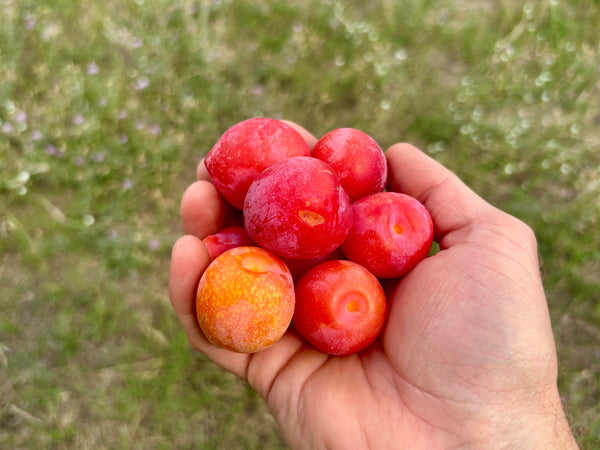 Superior Plum(Spring 2027)
From $49.99
Superior Plum(Spring 2027)
From $49.99
-
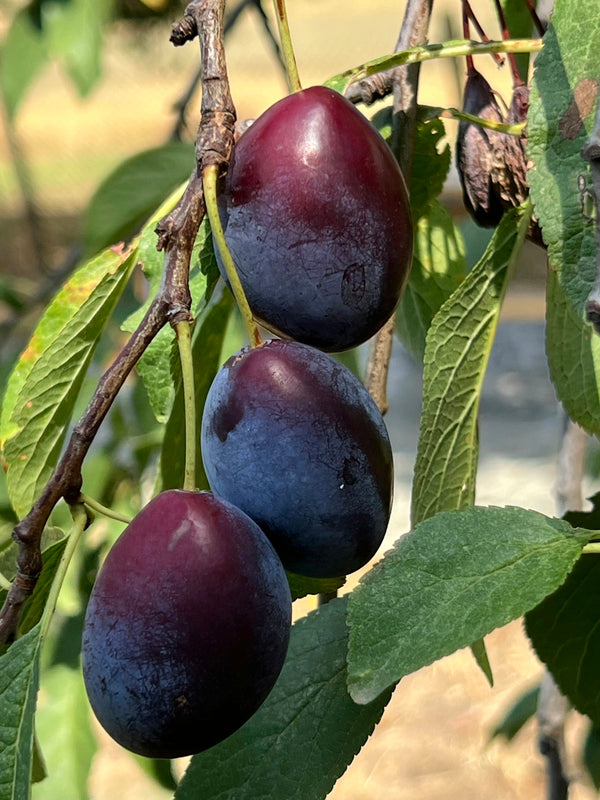 Black Ice Plum(Spring 2027)
From $44.99
Black Ice Plum(Spring 2027)
From $44.99
-
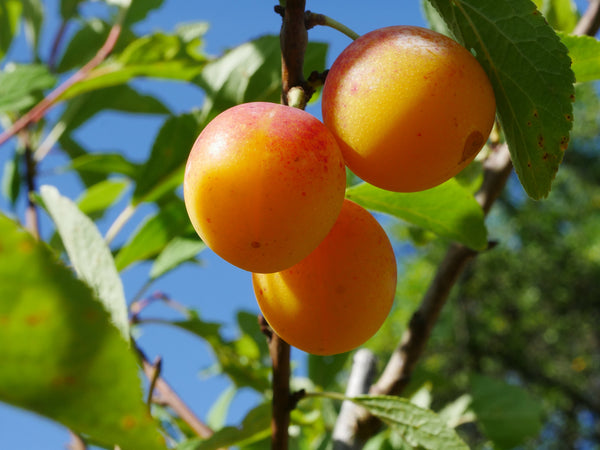 Brookgold Plum(Spring 2027)
From $59.99
Brookgold Plum(Spring 2027)
From $59.99
-
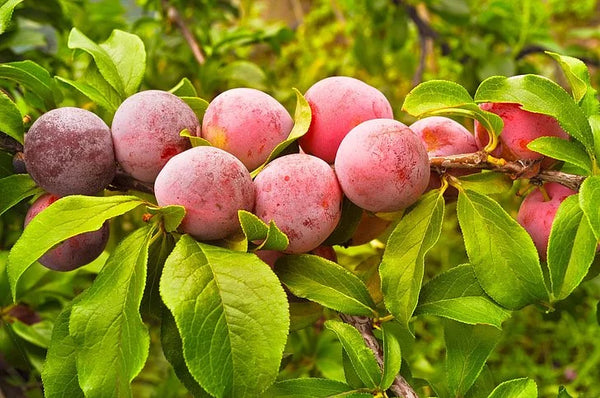 Pipestone Plum(Spring 2027)
From $59.99
Pipestone Plum(Spring 2027)
From $59.99
-
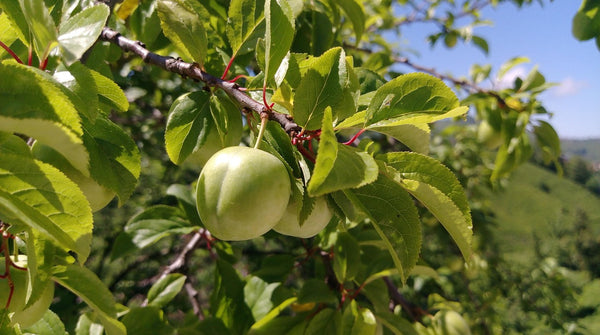 Ptitsin #5 Plum(Spring 2027)
From $54.99
Ptitsin #5 Plum(Spring 2027)
From $54.99
-
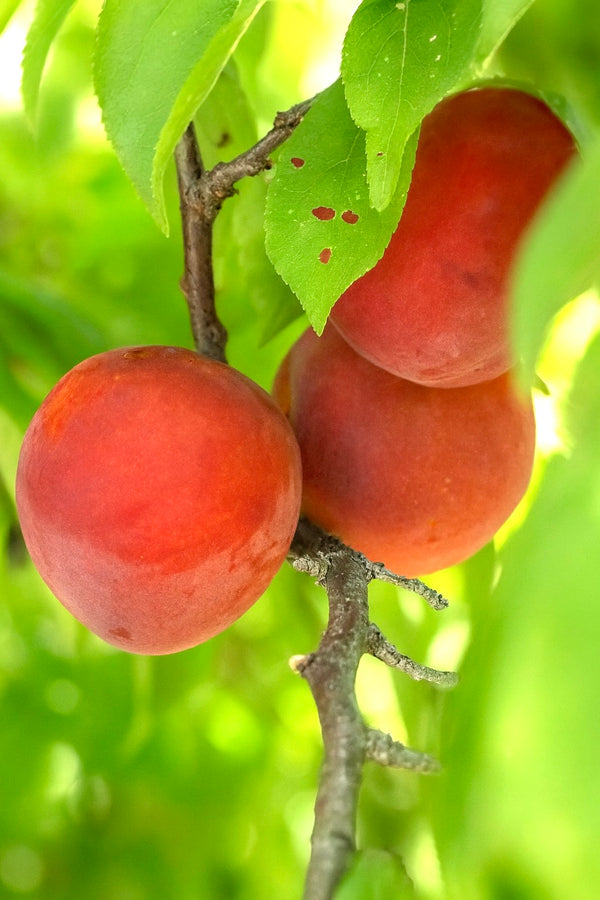 Underwood Plum(Spring 2027)
From $64.99
Underwood Plum(Spring 2027)
From $64.99
-
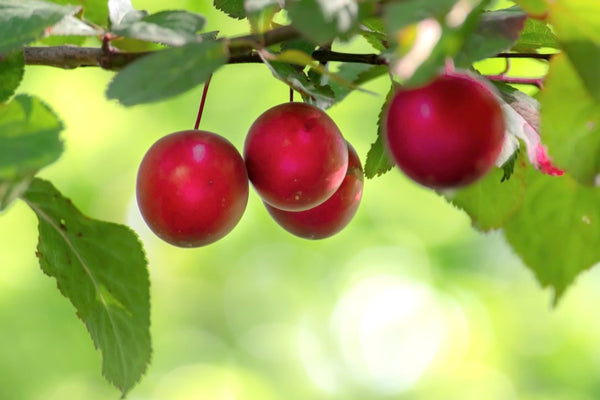 Gracious Plum(Spring 2027)
From $59.99
Gracious Plum(Spring 2027)
From $59.99
-
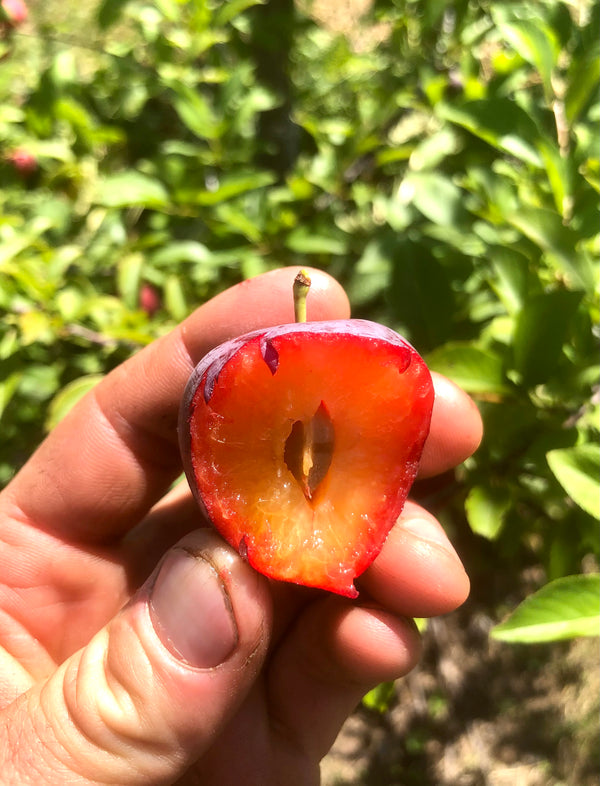 Kuban Delight Plum(Spring 2027)
$109.99
Kuban Delight Plum(Spring 2027)
$109.99