
Skip to product information


Kuban Delight Plum (Spring 2027)
$109.99
Reliable shipping
Flexible returns
Pollination
Needs a partner
Bloom group
3 of 7 (Early-Mid)
Ripening
Will it finish before your first hard freeze?
Check it on the Ripening Map (opens in a new tab)
Disease resistanceNot tested yet
- ? Bacterial canker : Unknown, no published data yet
- ? Bacterial spot : Unknown, no published data yet
- ? Black knot : Unknown, no published data yet
- ? Brown rot : Unknown, no published data yet
- ? Cytospora canker : Unknown, no published data yet
- ? Plum pocket : Unknown, no published data yet
Scored 1 to 5. Higher resists better, and ? means no published data yet.
See it on our plum disease chart (opens in a new tab)At a glance: Kuban Delight Plum is a plum tree rated hardy to zone 3b in our ratings (winters to -35°F), not self-fertile, so it needs a different variety nearby as a pollenizer (bloom group 3 of 7, early-mid for a hybrid or Japanese plum), and it ripens about Aug 7 to Aug 13 in Missoula (picked and dated at our place in Missoula).
| Hardy to | Zone 3b to 9. The b means the warmer half of zone 3 only (winters to -35°F). Find your zone with our cold hardiness calculator. |
|---|---|
| Chill hours | About 600 hours (400 to 900). Our estimate. No published figure exists for this variety yet. Montana winters give it plenty. In milder climates, make sure your winters average at least this much. Check your chill hours or see our sources. |
| Pollination | Needs Cross-Pollination. Bloom group 3 of 7 (early-mid), early spring here. Kuban Delight needs a different Asian or hybrid plum blooming at the same time, such as Ptitsin #5 or Toka. Good partners we carry: Toka Plum, Kaga Plum, Kahinta Plum, South Dakota Plum and 13 more. Bloom group is our estimate from the variety's origin and relatives. Plum Pollination Map. |
| Ripens | About Aug 7 to Aug 13 in Missoula (picked and dated off our own trees). Real years swing about a week either way. See the date for your town. |
| Rootstock and size | Native Plum: semi-dwarf, about 10 to 15 ft tall unpruned. Suckers, so mow or pull suckers. Our rootstock guide. |
| Good for | Fresh eating (8/10), jams and jellies (6/10). Scores are our own 1 to 10 ratings; 8 and up makes our Best Of lists. |
| Deer | A deer favorite. Fence it or cage it. |
| What you get | Bare root, 6-8 ft. Shipped or picked up in Missoula in spring, roots wrapped in moist sawdust. Guaranteed to bud out. |
Background and Origin (from pomological literature)
Kuban Delight (often rendered from Russian as Kuban’skaya Rannyaya Delight or similar trade translations) is a Russian plum selection associated with breeding work from the Kuban region of southern Russia, an area known for intensive Prunus breeding focused on flavor, early ripening, and productivity. In Russian pomological sources and nursery descriptions, Kuban-region plums are commonly described as dessert-quality selections, frequently involving complex hybrid backgrounds that may include Japanese plum (Prunus salicina) genetics and interspecific material, selected for improved flavor and appearance rather than extreme cold hardiness alone.
Published Russian descriptions of Kuban Delight consistently emphasize early to mid-season ripening, attractive fruit coloration, and dessert use, placing it in a class of plums bred primarily for fresh eating quality rather than processing.
(Note: Russian sources typically provide qualitative descriptors—flavor class, fruit appearance, and use—rather than standardized quantitative datasets for this cultivar.)
Ripening Window
In Russian and Eastern European nursery literature, Kuban Delight is described as an early-ripening plum, generally maturing in mid to late summer depending on climate. This aligns with observed ripening in the northern Rocky Mountain region, where fruit reached peak eating quality by August 16th in 2020 under Kalispell, Montana conditions.
Fruit Characteristics (from literature)
Kuban Delight is described as producing medium to large plums with:
-
Bright, attractive skin coloration, often with red to dark red tones
-
Yellow flesh, sometimes showing red pigmentation bleeding inward from the skin, a trait commonly noted in high-flavor dessert plums
-
Flesh described in Russian sources as juicy, tender, and aromatic, intended primarily for fresh consumption
Russian nursery descriptions frequently classify Kuban Delight as a “dessert plum”, a term reserved for cultivars considered superior in flavor balance and texture.
Flavor and Eating Quality
Firsthand tasting notes (Luke Ruffner Robinson):
When Luke first tasted Kuban Delight at peak ripeness on August 16, 2020, at Rod McIver’s farm in Kalispell, the fruit made a lasting impression:
“The flavor has a good sweetness with an excellent bit of tartness from the skin that is reminiscent of strawberry, blueberry, and raspberry. A very berry-flavored plum that is at once one of the best plums I’ve ever tried. And the flesh is yellow with red that has bled into the flesh from the skin.”
These observations align closely with how Russian pomology typically characterizes elite dessert plums: high aromatic complexity, balanced acidity, and skin-derived flavor intensity that contributes significantly to the eating experience.
Tree Growth and Productivity
Russian nursery descriptions generally characterize Kuban Delight trees as:
-
Moderately vigorous
-
Productive when mature
-
Suited to intensive orchard systems in regions with adequate heat accumulation
Grower experience in Montana suggests the tree establishes well and fruits reliably once mature, though long-term yield data under extreme cold climates remains observational rather than formally published.
Winter Hardiness and Cold Tolerance
While Kuban Delight was not originally bred for ultra-cold continental climates, real-world grower experience in northwestern Montana provides valuable insight:
-
At Rod McIver’s orchard in Kalispell, Kuban Delight has consistently survived harsh winters without chronic damage.
-
Although Kalispell is somewhat milder than other parts of Montana, the tree showed zero observable winter injury during the January 13, 2024 cold event, when temperatures reached approximately −35°F.
-
No cambial damage, bud loss, or structural injury was observed following that event.
- Solid zone 3b plum. We won't rate it any colder than that until we have more data.
This suggests that Kuban Delight may possess greater cold tolerance than expected for a dessert-focused plum, particularly when well established and properly sited.
Summary
Kuban Delight is best understood as a high-flavor Russian dessert plum with:
-
Documented fresh-eating quality emphasized in Russian literature
-
Early to mid-August ripening in northern U.S. climates
-
Exceptional flavor complexity, confirmed by firsthand tasting
-
Better-than-expected winter performance under Montana conditions, including survival of near −35°F without injury. A solid zone 3b plum.
While formal cold-hardiness trials comparable to Siberian or Ussurian plums are lacking, real-world orchard performance suggests Kuban Delight deserves serious consideration by cold-climate growers seeking elite flavor first, without sacrificing basic winter survivability.
Questions we get about Kuban Delight Plum
Does Kuban Delight Plum need a pollenizer?
Yes. Kuban Delight Plum needs pollen from a different variety that blooms at about the same time. Kuban Delight needs a different Asian or hybrid plum blooming at the same time, such as Ptitsin #5 or Toka. Partners we carry include Toka Plum, Kaga Plum, Kahinta Plum.
How cold hardy is Kuban Delight Plum?
We rate Kuban Delight Plum hardy to zone 3b, which means winters down to about -35°F. It survived -35°F at Rod McIver's farm in Kalispell, MT. Our ratings come from real winters at our two Montana sites and from trusted growers across the North, not from a catalog average.
How many chill hours does Kuban Delight Plum need?
About 600 hours of winter chill (we count hours at or below 45°F), likely somewhere between 400 and 900. Nobody has published a chill figure for it, so that's our estimate from its relatives and origin. Our chill hours guide has a calculator for your winters, and our research page lists the sources.
When does Kuban Delight Plum ripen?
About Aug 7 to Aug 13 in Missoula, Montana (picked and dated off our own trees). Warmer places run earlier and cooler places later; our ripening map converts the date to your town.
How big does Kuban Delight Plum get?
We graft Kuban Delight Plum onto Native Plum (semi-dwarf), which makes a tree roughly 10 to 15 ft tall if you never prune it.
What is Kuban Delight Plum good for?
Our top use scores for Kuban Delight Plum are fresh eating (8/10), jams and jellies (6/10). Anything scored 8 or higher makes our Best Of lists.
Is Kuban Delight Plum disease resistant?
We don't know yet. Nobody has published solid disease data on Kuban Delight Plum for bacterial canker, bacterial spot, black knot, brown rot, cytospora canker and plum pocket, so we list it as unknown instead of guessing. That doesn't mean it's weak. Plenty of the plants we grow have never been through formal disease trials. Our plum disease resistance chart has every rating, the notes and the sources.
Will deer eat Kuban Delight Plum?
Yes, deer love it. Protect Kuban Delight Plum with a fence or a cage, especially while it is young.
More Plants Like This
By Zone
Best For
Pollination, Bloom & Ripening
Pollination partners
Trees that will pollenize Kuban Delight Plum
Kuban Delight Plum needs a different hybrid or Japanese plum nearby to set fruit. Every tree below blooms at the same time and has pollen that works for it. Plant partners within about 100 feet.
Bloom group
3 of 7 (Early-Mid)
Pollination
Needs a partner
Pollen
Good pollenizer
-
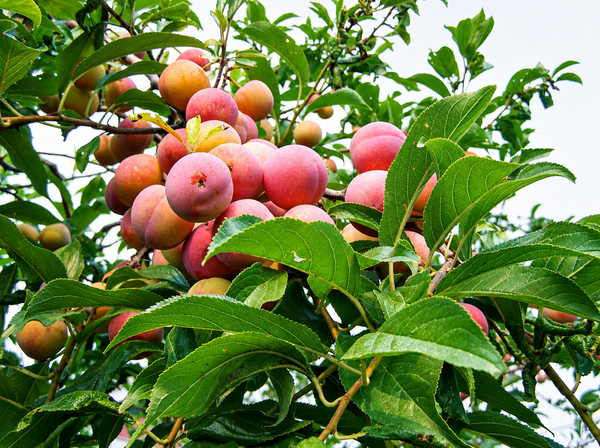 Toka Plum(Spring 2027)
From $49.99
-
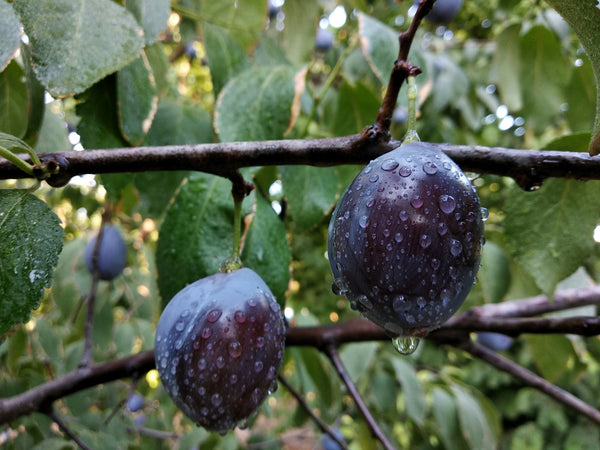 Kaga Plum(Spring 2027)
From $54.99
-
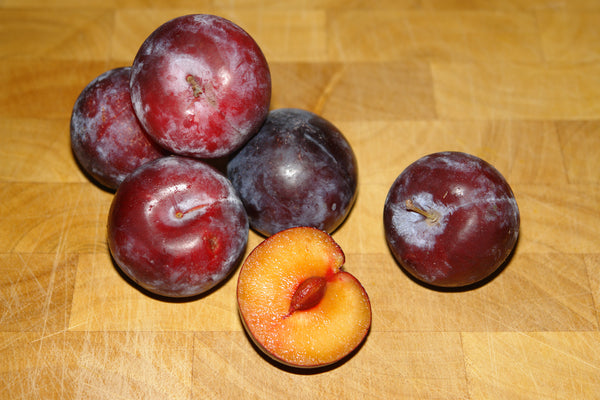 Kahinta Plum(Spring 2027)
$79.99
-
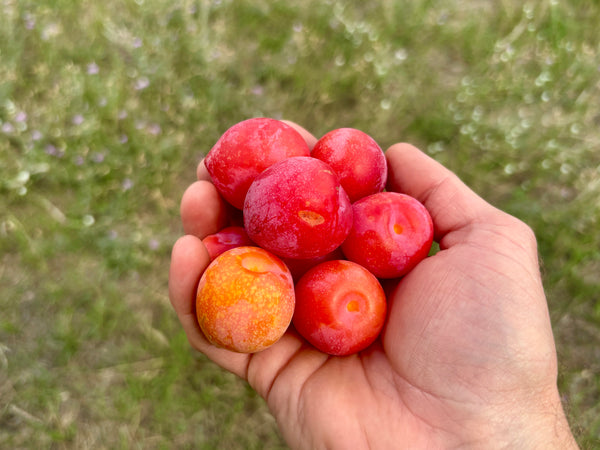 Superior Plum(Spring 2027)
From $49.99
-
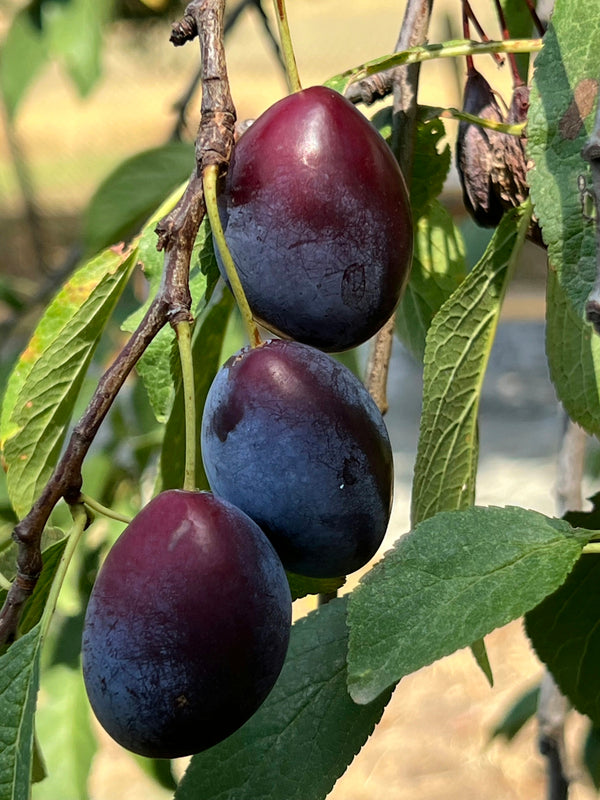 Black Ice Plum(Spring 2027)
From $44.99
-
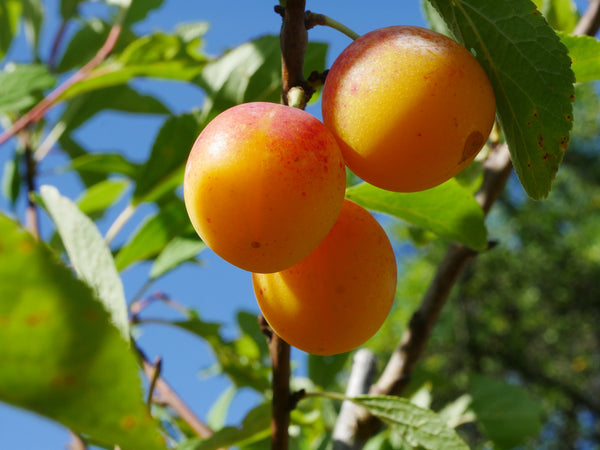 Brookgold Plum(Spring 2027)
From $59.99
-
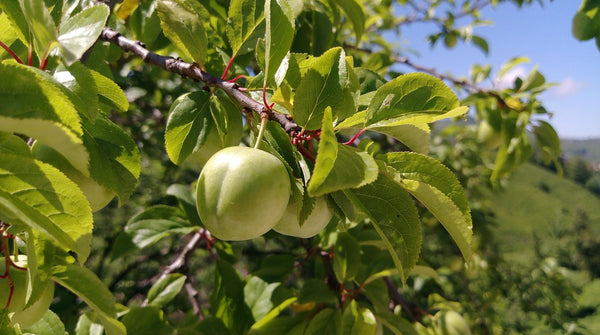 Ptitsin #5 Plum(Spring 2027)
From $54.99
-
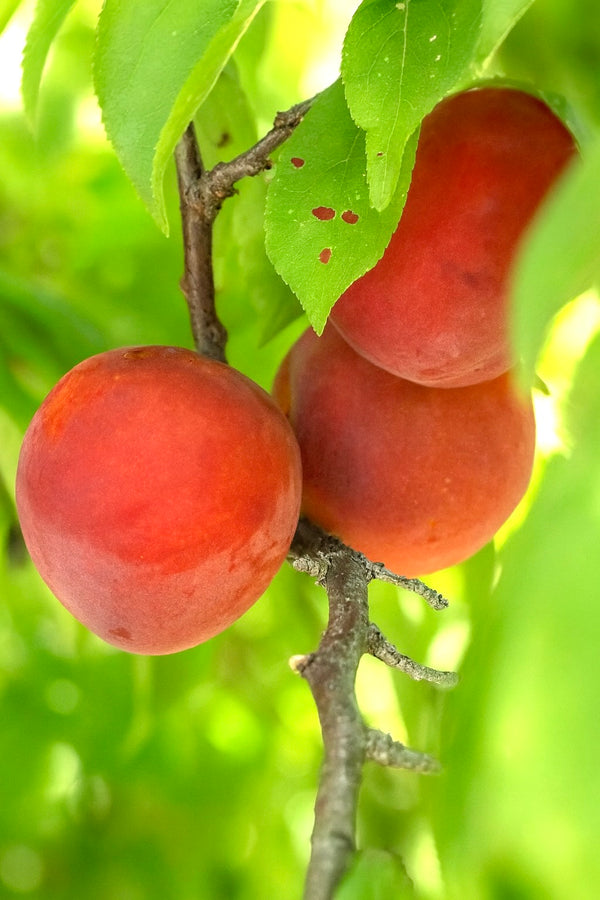 Underwood Plum(Spring 2027)
From $64.99
-
 Gracious Plum(Spring 2027)
From $59.99
-
 Benson's Gem Plum(Spring 2027)
From $44.99
See every pairing on the Plum Pollination Map
Kuban Delight Plum's bloom group is our best estimate. Watch it bloom and tell us what you see.