
Skip to product information


Red d'Anjou Pear
$99.99
Reliable shipping
Flexible returns
Pollination
Partly self-fertile
Bloom group
3 of 7 (Early-Mid)
Ripening
Will it finish before your first hard freeze?
Check it on the Ripening Map (opens in a new tab)At a glance: Red d'Anjou Pear is a pear tree rated hardy to zone 3b in our ratings (winters to -35°F), and partially self-fertile, so a second variety nearby makes crops more dependable (bloom group 3 of 7, early-mid for a European pear).
| Hardy to | Zone 3b to 8. The b means the warmer half of zone 3 only (winters to -35°F). Find your zone with our cold hardiness calculator. |
|---|---|
| Pollination | Partially Self-Fertile. Bloom group 3 of 7 (early-mid), mid spring here. Red d'Anjou sets some fruit alone but needs a different pear, such as Bartlett or Seckel, for good crops. Green D'Anjou is the same tree genetically and will not work as its partner. Nearby varieties that can boost the crop: Bartlett Pear, Seckel Pear, Stuttgarter Gaishirtle Pear, Summercrisp Pear and 24 more. Pear Pollination Map. |
| Rootstock and size | OHxF97: full size, about 18 to 25 ft tall unpruned. Vigorous, hardy and well anchored. Our rootstock guide. |
| Good for | Fresh eating (8/10), winter storage (8/10), salads and slicing (7/10), pies and baking (7/10), cooking and roasting (6/10). Scores are our own 1 to 10 ratings; 8 and up makes our Best Of lists. |
| Deer | Sometimes damaged by deer. |
| What you get | Bare root, 4-5 ft. Shipped or picked up in Missoula in spring, roots wrapped in moist sawdust. Guaranteed to bud out. |
Overview
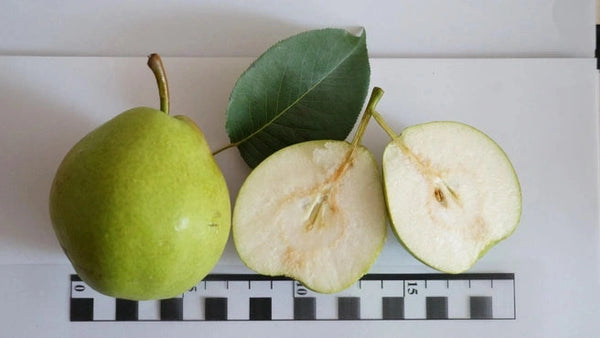
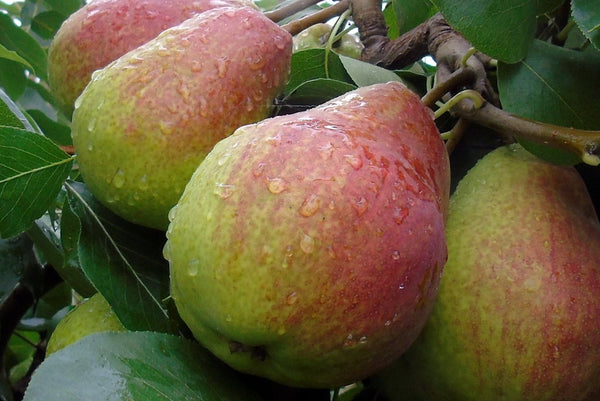
A sport of the green D’Anjou pear—meaning one of the limbs naturally mutated to produce red fruit and that limb was then propagated—Red D’Anjou carries many of the same taste characteristics as its green counterpart.
It’s one of the few sports we grow because the flavor holds up to the original. (A lot of sports out there, we find, don’t come anywhere close.) The main difference here is the color—everything else is right on par.
Flavor and Ripening
Red D’Anjou has excellent flavor and keep-ability. It’s subtly sweet, firm, and fine-textured. The bright green flesh ripens in early October and is great for fresh eating and storage.
Cold Hardiness and Growing Zones
This variety has been just as cold hardy for us in Montana (Zone 4) as the green Beurré D’Anjou. These trees are hardy down to –35°F, so they’re best suited for the warmer valleys like Missoula, Flathead, Mission, and Bitterroot. We don’t recommend them much outside those areas.
Tree Size and Production
These trees are one year older and are roughly 4-5 ft tall.
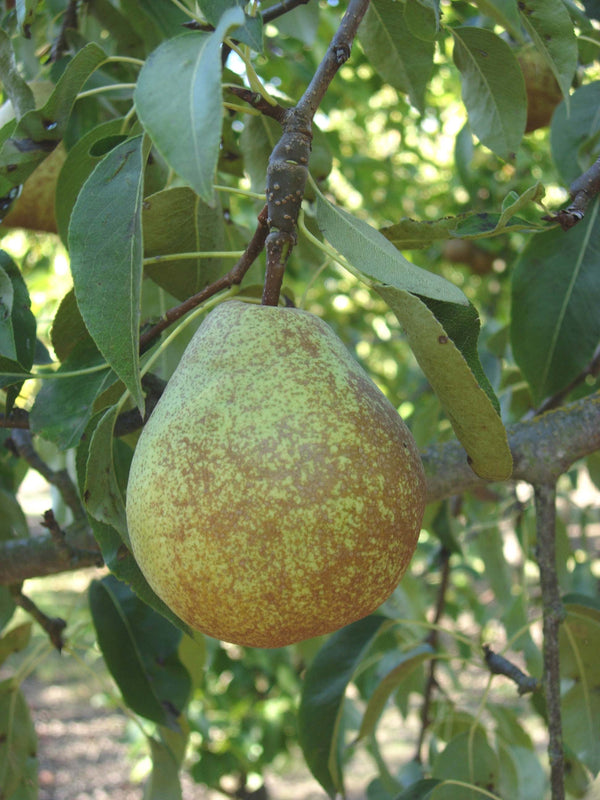
Photos: “Red D'Anjou” by Apple and Pear Australia Ltd, via Flickr, licensed CC BY 2.0; “Russet of Red D'Anjou Richness by Raju C Reddy” by rajucreddy, via Wikimedia Commons, licensed CC0; “Sliced Pear Portrait by Raju C Reddy” by rajucreddy, via Wikimedia Commons, licensed CC0.
Questions we get about Red d'Anjou Pear
Does Red d'Anjou Pear need a pollenizer?
It helps. Red d'Anjou Pear is partially self-fertile, so it can set some fruit alone, but a second variety nearby makes crops more dependable. Red d'Anjou sets some fruit alone but needs a different pear, such as Bartlett or Seckel, for good crops. Green D'Anjou is the same tree genetically and will not work as its partner. Partners we carry include Bartlett Pear, Seckel Pear, Stuttgarter Gaishirtle Pear.
How cold hardy is Red d'Anjou Pear?
We rate Red d'Anjou Pear hardy to zone 3b, which means winters down to about -35°F. Our ratings come from real winters at our two Montana sites and from trusted growers across the North, not from a catalog average.
How big does Red d'Anjou Pear get?
We graft Red d'Anjou Pear onto OHxF97 (full size), which makes a tree roughly 18 to 25 ft tall if you never prune it.
What is Red d'Anjou Pear good for?
Our top use scores for Red d'Anjou Pear are fresh eating (8/10), winter storage (8/10), salads and slicing (7/10), pies and baking (7/10). Anything scored 8 or higher makes our Best Of lists.
Will deer eat Red d'Anjou Pear?
Sometimes. Deer browse Red d'Anjou Pear now and then, so protect young plants where deer pressure is high.
What arrives, and when does Red d'Anjou Pear ship?
A dormant bare-root plant, roots wrapped in moist sawdust with a vapor barrier, shipped or picked up in Missoula in spring. Sizes offered: 4-5 ft. We guarantee our plants bud out. Stone fruits can be slow, so if one still has not budded out by August 15, write to us and we credit you for the following spring.
Pollination partners
Partners for a bigger Red d'Anjou Pear crop
Red d'Anjou Pear sets some fruit on its own, but a lot more with a partner. Every tree below blooms at the same time and has pollen that works for it.
Bloom group
3 of 7 (Early-Mid)
Pollination
Partly self-fertile
Pollen
Good pollenizer
-
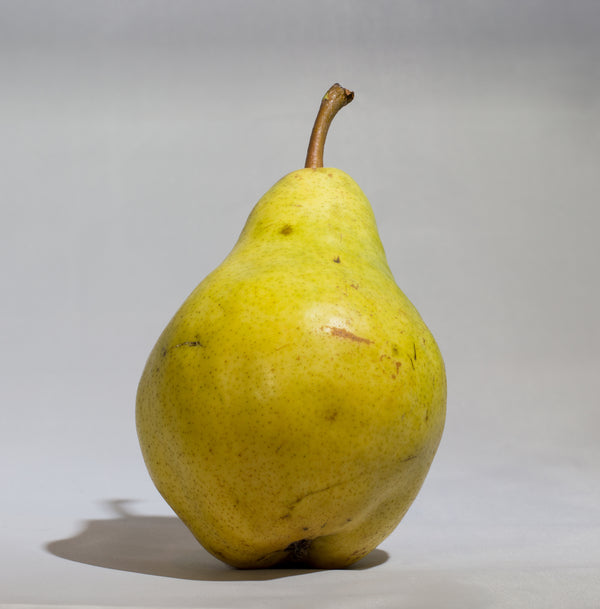 Bartlett Pear(Spring 2027)
From $64.99
Bartlett Pear(Spring 2027)
From $64.99
-
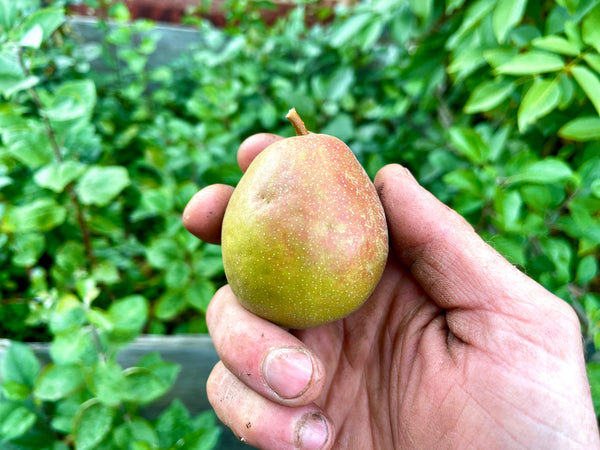 Seckel Pear(Spring 2027)
From $109.99
Seckel Pear(Spring 2027)
From $109.99
-
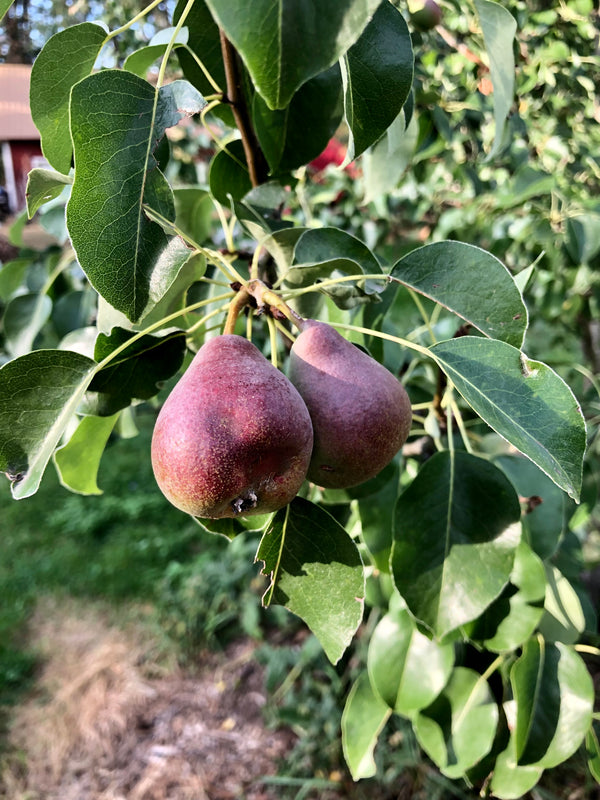 Stuttgarter Gaishirtle Pear(Spring 2027)
From $49.99
Stuttgarter Gaishirtle Pear(Spring 2027)
From $49.99
-
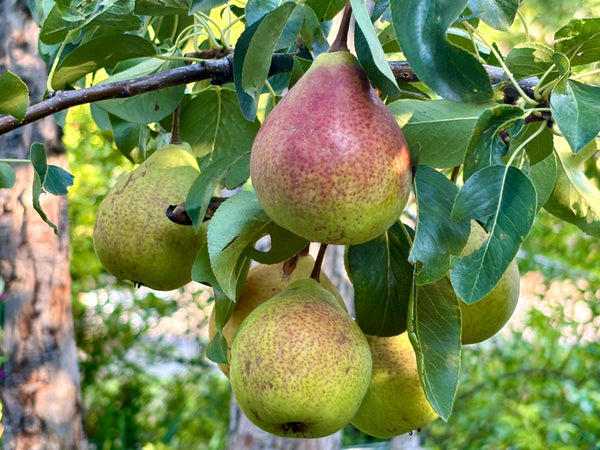 Summercrisp Pear(Spring 2027)
From $34.99
Summercrisp Pear(Spring 2027)
From $34.99
-
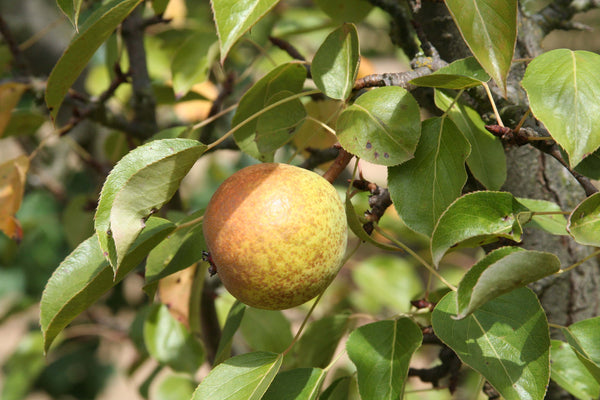 Ure Pear(Spring 2027)
From $49.99
Ure Pear(Spring 2027)
From $49.99
-
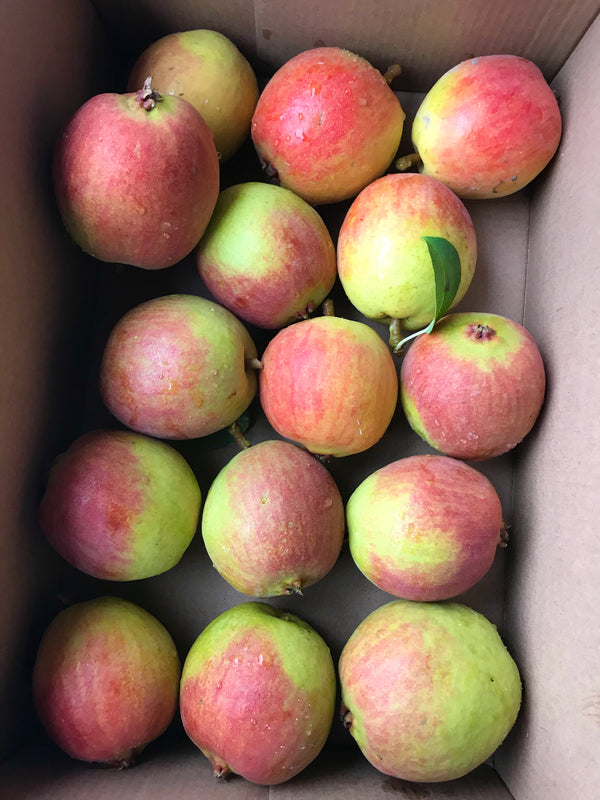 Krazulya Pear(Spring 2027)
From $44.99
Krazulya Pear(Spring 2027)
From $44.99
-
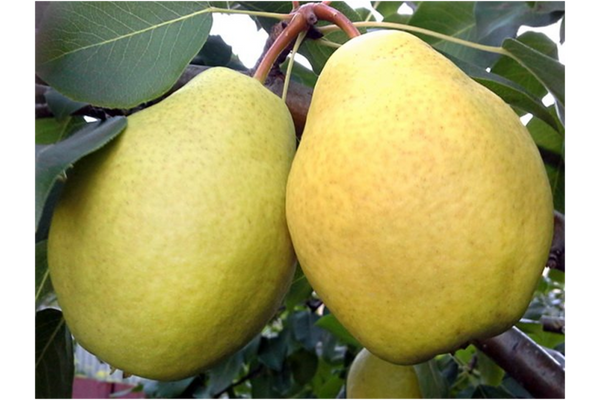 Larinskaya Pear(Spring 2027)
From $44.99
Larinskaya Pear(Spring 2027)
From $44.99
-
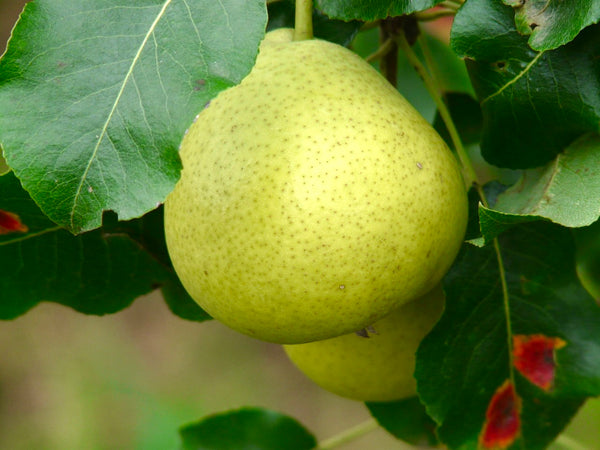 Savignac Pear(Spring 2027)
From $44.99
Savignac Pear(Spring 2027)
From $44.99
-
 Bolshaya Pear(Spring 2027)
From $34.99
Bolshaya Pear(Spring 2027)
From $34.99
-
 Vekovaya Pear(Spring 2027)
From $49.99
Vekovaya Pear(Spring 2027)
From $49.99
-
 Dana Hovey Pear(Spring 2027)
From $34.99
Dana Hovey Pear(Spring 2027)
From $34.99

