
Skip to product information


Zard Apricot Seedling (Bundle of 2) | Spring 2027
$99.99
Reliable shipping
Flexible returns
Pollination
Partly self-fertile
Bloom group
7 of 7 (Very Late)
Ripening
Will it finish before your first hard freeze?
Check it on the Ripening Map (opens in a new tab)
Disease resistanceNot tested yet
- ? Bacterial canker : Unknown, no published data yet
- ? Bacterial spot : Unknown, no published data yet
- ? Brown rot : Unknown, no published data yet
- ? Cytospora canker : Unknown, no published data yet
- ? Shot hole : Unknown, no published data yet
Scored 1 to 5. Higher resists better, and ? means no published data yet.
See it on our apricot disease chart (opens in a new tab)
On video


At a glance: Zard Apricot Seedling is an apricot tree rated hardy to zone 3b in our ratings (winters to -35°F), and partially self-fertile, so a second variety nearby makes crops more dependable (bloom group 7 of 7, very late for an apricot).
| Hardy to | Zone 3b to 7. The b means the warmer half of zone 3 only (winters to -35°F). Find your zone with our cold hardiness calculator. |
|---|---|
| Chill hours | About 900 hours (600 to 1,300). Seedlings vary, so this is based on the parent tree. Montana winters give it plenty. In milder climates, make sure your winters average at least this much. Check your chill hours or see our sources. |
| Pollination | Partially Self-Fertile. Bloom group 7 of 7 (very late), very early spring here. Each seedling is different and may not crop alone. Plant both trees, or another late bloomer such as Zard, Dr 606 or Precious, as pollenizers. Nearby varieties that can boost the crop: Wayne Apricot, Zard Apricot, Dr 606 Apricot, Precious Apricot. Bloom group is our estimate from the variety's origin and relatives. Apricot Pollination Map. |
| Good for | Jams and jellies (6/10). Scores are our own 1 to 10 ratings; 8 and up makes our Best Of lists. |
| Deer | Sometimes damaged by deer. |
| What you get | Bare root, 4-6 ft or 6-8 ft. Shipped or picked up in Missoula in spring, roots wrapped in moist sawdust. Guaranteed to bud out. |
Overview
These are trees grown out from seed collected from Zard, a late blooming yellow fleshed apricot from Iran and perhaps Luke's all time favorite.
Visit the Zard product page for more info on the parent tree from which these seedlings were grown.
Why grow Zard Seedlings?
Planting a seed does not reproduce a cultivar identically—each seedling is a new genotype. But in apricot, seedling populations are widely used as a practical way to discover late-blooming, high-quality trees and to broaden genetic diversity, including in regions where spring frost is the primary limiting factor. A large Iranian study explicitly selected late-blooming, high fruit-quality genotypes among 278 seedling-originated trees, demonstrating that seedling populations are a valid improvement pathway in apricot.
Why apricot seedlings can be “closer to the mother tree” than apple seedlings
The key difference isn’t that apricot is “less heterozygous” (meaning genetically mixed from two parents), but that their mating systems differ in ways that change what you should expect from seeds.
Apple varieties generally need pollen from a different tree to produce fruit because apples have a genetic system that blocks most self-fertilization (called S-RNase–based self-incompatibility). As a result, apple seeds almost always come from cross-pollination, which leads to highly mixed genetics across cultivars.
Apricot also has a genetic system that can prevent self-fertilization, but many modern apricot varieties are self-fertile (often linked to the Sᶜ allele), meaning a single tree can still set fruit on its own. This varies by variety, but large surveys show self-fertility is common in cultivated apricot.
So in an open-pollinated seed lot from a self-fertile apricot, you can get a mix of:
-
selfed seedlings (seed parent = pollen parent)
-
outcrossed seedlings (pollen from another tree)
Selfing increases the chance that seedlings share more genes with the mother tree than in crops that must always cross-pollinate. This is basic genetics, and it’s why apricot seedlings can sometimes show more “family resemblance” than apple seedlings — without anything being guaranteed.
I think this is one reason apricot seedlings are often more horticulturally usable than apple seedlings, even though every seed is still its own genetic individual.
Why Zard is especially interesting as seed parent material
Breeding literature repeatedly highlights Central Asian / Iran-Caucasian apricot genetics for fruit quality and kernel traits, and documents how seedling populations helped form regional landraces. There's also been some research that introducing Central Asian genetics into breeding programs increases diversity and can produce meaningful gains in fruit quality, including higher Brix, within just a few generations.
Zard checks many of the key boxes for breeding apricots suited to cold climates: a high chilling requirement, late bloom, strong mid-winter hardiness (roughly down to –40°F), excellent flavor, and edible kernels.
Open-pollinated seedlings: what’s known and what isn’t
Certain: open-pollinated seedlings always have an unknown pollen parent. Even when the mother tree is self-fertile, cross-pollination can still happen, so a seed lot may contain both selfed and crossed seedlings.
Unknown without DNA testing: exactly which trees provided pollen, and how many seedlings came from selfing versus crossing.
The mother Zard tree was surrounded mainly by Prairie Province apricots (Westcot, Morden 604, Brookcot, Debbie’s Gold, Sunrise). Therefore, if crossing occurred, there is a good chance that those nearby trees were among the pollen donors. Still, this remains an inference unless confirmed by genetic testing.
Why these traits matter for cold-climate breeding
Across the literature, breeding priorities are consistent:
-
Later bloom to reduce spring frost risk
-
High fruit quality (including sugars / Brix)
-
Kernel traits, including edible kernels
These traits are repeatedly identified as valuable within Central and Inner Asian apricot genetics.
In other words, a seed parent reported to combine late bloom tendencies, excellent flavor, and edible kernels makes scientific sense as breeding material, even though no single seedling is guaranteed to inherit everything.
And I’ll add this from direct experience: this is the first population of Zard seedlings we’ve grown in Montana, so much more time will be needed to understand how these genetics express themselves here. What we’re offering isn’t a finished product — it’s living genetic material. Part of the value is in observing, selecting, and learning over years.
Questions we get about Zard Apricot Seedling
Does Zard Apricot Seedling need a pollenizer?
It helps. Zard Apricot Seedling is partially self-fertile, so it can set some fruit alone, but a second variety nearby makes crops more dependable. Each seedling is different and may not crop alone. Plant both trees, or another late bloomer such as Zard, Dr 606 or Precious, as pollenizers. Partners we carry include Wayne Apricot, Zard Apricot, Dr 606 Apricot.
How cold hardy is Zard Apricot Seedling?
We rate Zard Apricot Seedling hardy to zone 3b, which means winters down to about -35°F. Our ratings come from real winters at our two Montana sites and from trusted growers across the North, not from a catalog average.
How many chill hours does Zard Apricot Seedling need?
About 900 hours of winter chill (we count hours at or below 45°F), likely somewhere between 600 and 1,300. That's based on the parent, Zard. Seedlings vary. Expect roughly Zard's late bloom and chill need, but individual trees will differ. Our chill hours guide has a calculator for your winters, and our research page lists the sources.
What is Zard Apricot Seedling good for?
Our top use scores for Zard Apricot Seedling are jams and jellies (6/10).
Is Zard Apricot Seedling disease resistant?
We don't know yet. Nobody has published solid disease data on Zard Apricot Seedling for bacterial canker, bacterial spot, brown rot, cytospora canker and shot hole, so we list it as unknown instead of guessing. That doesn't mean it's weak. Plenty of the plants we grow have never been through formal disease trials. Our apricot disease resistance chart has every rating, the notes and the sources.
Will deer eat Zard Apricot Seedling?
Sometimes. Deer browse Zard Apricot Seedling now and then, so protect young plants where deer pressure is high.
What arrives, and when does Zard Apricot Seedling ship?
A dormant bare-root plant, roots wrapped in moist sawdust with a vapor barrier, shipped or picked up in Missoula in spring. Sizes offered: 4-6 ft or 6-8 ft. We guarantee our plants bud out. Stone fruits can be slow, so if one still has not budded out by August 15, write to us and we credit you for the following spring.
Pollination partners
Partners for a bigger Zard Apricot Seedling crop
Zard Apricot Seedling sets some fruit on its own, but a lot more with a partner. Every tree below blooms at the same time and has pollen that works for it.
Bloom group
7 of 7 (Very Late)
Pollination
Partly self-fertile
Pollen
Good pollenizer
-
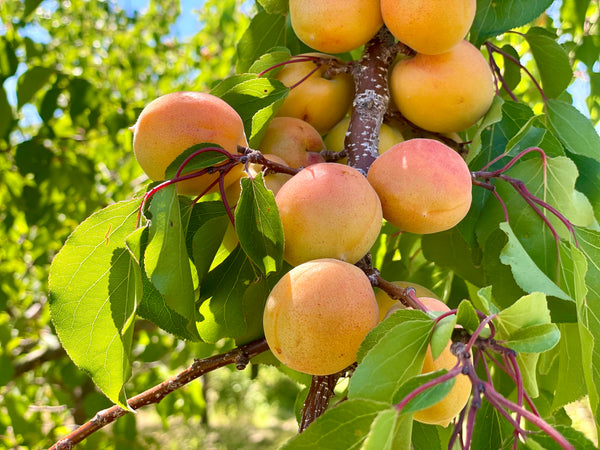
 Wayne Apricot(Spring 2027)
From $49.99
-
 Sold out
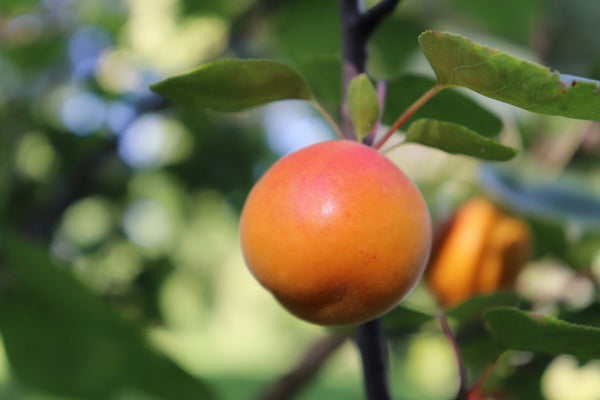
Zard Apricot(Spring 2027)
-
 Sold out
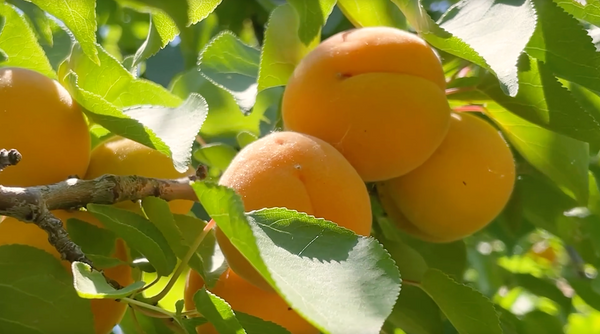
Dr 606 Apricot(Spring 2027)
-
 Sold out
Precious Apricot(Spring 2027)

See every pairing on the Apricot Pollination Map
Zard Apricot Seedling's bloom group is our best estimate. Watch it bloom and tell us what you see.