
Skip to product information


Wise Monkey Apple (Spring 2027)
$59.99
Reliable shipping
Flexible returns
Pollination
Needs a partner
Bloom group
5 of 7 (Mid-Late)
Ripening
Will it finish before your first hard freeze?
Check it on the Ripening Map (opens in a new tab)
Disease resistanceNot tested yet
- ? Apple scab : Unknown, no published data yet
- ? Cedar-apple rust : Unknown, no published data yet
- ? Fire blight : Unknown, no published data yet
- ? Powdery mildew : Unknown, no published data yet
Scored 1 to 5. Higher resists better, and ? means no published data yet.
See it on our apple disease chart (opens in a new tab)At a glance: Wise Monkey Apple is an apple tree we've estimated at zone 4 (winters to -30°F), and not self-fertile, so it needs a different variety nearby as a pollenizer (bloom group 5 of 7, mid-late for an apple or crabapple).
| Hardy to | Zone 4 to 8. A bare number means the whole of zone 4, colder half included (winters to -30°F). Find your zone with our cold hardiness calculator. |
|---|---|
| Chill hours | About 1,000 hours (800 to 1,200). Our estimate. No published figure exists for this variety yet. Montana winters give it plenty. In milder climates, make sure your winters average at least this much. Check your chill hours or see our sources. |
| Pollination | Needs Cross-Pollination. Bloom group 5 of 7 (mid-late), late spring here. Not self-fertile. Plant a different apple or crabapple variety nearby that blooms at about the same time (bloom groups 4 to 6 on our chart). Good partners we carry: Black Oxford Apple, Honeycrisp Apple, Northern Spy Apple, Oriole Apple and 70 more. Bloom group is our estimate from the variety's origin and relatives. Apple Pollination Map. |
| Rootstock and size | Bud 118: semi-dwarf in our dry Montana soils, semi-standard on paper, about 12 to 18 ft tall unpruned. Stands on its own, few suckers. Plant about 15 ft apart. Our rootstock guide. |
| Good for | Fresh eating (8/10), cooking and roasting (6/10), winter storage (6/10), pies and baking (6/10), hard cider (6/10). Scores are our 1 to 10 ratings, but we're still new to this one, so they lean on published descriptions and other growers rather than our own harvests. 8 and up makes our Best Of lists. |
| Deer | A deer favorite. Fence it or cage it. |
| What you get | Bare root, 3-4 ft or 4-6 ft. Shipped or picked up in Missoula in spring, roots wrapped in moist sawdust. Guaranteed to bud out. |
New to us this year, so the notes below come from other growers and from MORP rather than from our own trees. We will update this once we have fruited it here.
Overview
Wise Monkey is a seedling apple out of southwest Colorado that took a bronze medal for best tasting at the Gnarly Pippins pomological exhibition. That is a competition specifically for seedling apples from around the country, so it is a room full of people whose whole hobby is tasting apples. Placing there means something.
Origin and History
It was preserved and introduced through the Montezuma Orchard Restoration Project in Cortez, Colorado. DNA work puts its parents as Rome crossed with Delicious. The medal came at the fourth annual Gnarly Pippins exhibition, held in Williamsburg, Massachusetts.
Fruit and Uses
The tasting notes from that competition are worth repeating because they are unusually specific. People called it juicy with a rich tartness, and picked out flavors of honey, banana, berry, cookie and grape. It ripens in the fall. With that combination of sugar, acid and aromatics it should do well fresh, hold up in pies, and bring something interesting to a cider blend.
Growth Habit and Spacing
On Bud 118 semi-dwarf rootstock. Figure roughly 15 feet between trees, or 18 feet if you want more room and less annual pruning.
Pollination
Wise Monkey needs a pollenizer, and it blooms mid to late. Northern Spy, Arkansas Black, Macoun and Honeycrisp all overlap with it.
Cold Hardiness
Zone 4 for now. Neither Rome nor Delicious is a hardiness parent, so we are not expecting miracles out of it in a cold site. Give it a warm valley position until we have our own data.
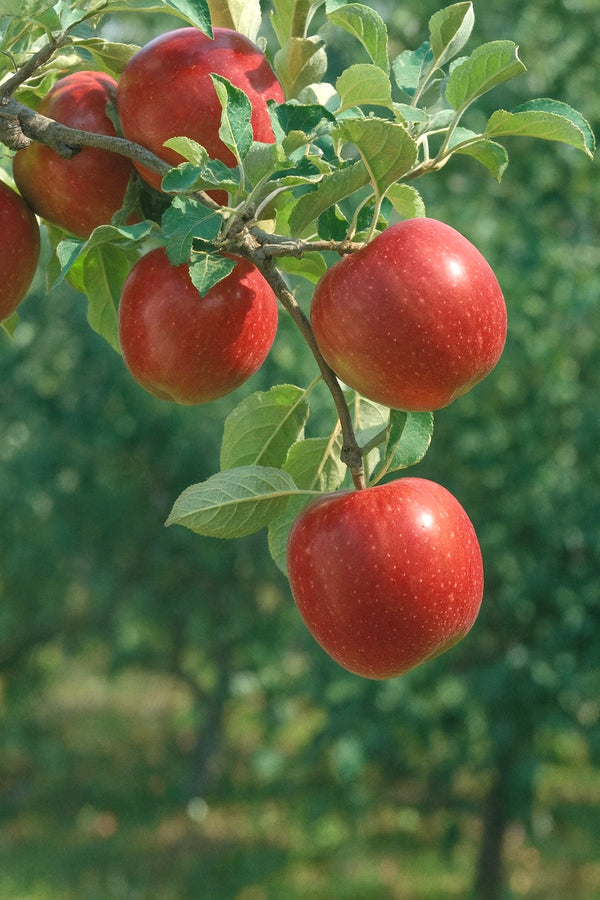
About the photo: this isn’t Wise Monkey itself. Photos of Wise Monkey are either under copyright or simply unavailable, so we picked the open-source image that looks closest to the fruit. Photo: “Apples on tree 2011 G1” by George Chernilevsky, via Wikimedia Commons, public domain.
Questions we get about Wise Monkey Apple
Does Wise Monkey Apple need a pollenizer?
Yes. Wise Monkey Apple needs pollen from a different variety that blooms at about the same time. Plant a different apple or crabapple variety nearby that blooms at about the same time (bloom groups 4 to 6 on our chart). Partners we carry include Black Oxford Apple, Honeycrisp Apple, Northern Spy Apple.
How cold hardy is Wise Monkey Apple?
We list Wise Monkey Apple at zone 4 for now, which means winters down to about -30°F. That's an estimate. Neither Rome nor Delicious is a hardiness parent, and we don't have our own winter data yet, so give it a warm valley position until we do.
How many chill hours does Wise Monkey Apple need?
About 1,000 hours of winter chill (we count hours at or below 45°F), likely somewhere between 800 and 1,200. Nobody has published a chill figure for it, so that's our estimate from its relatives and origin. Our chill hours guide has a calculator for your winters, and our research page lists the sources.
How big does Wise Monkey Apple get?
We graft Wise Monkey Apple onto Bud 118 (semi-dwarf in our dry Montana soils, semi-standard on paper), which makes a tree roughly 12 to 18 ft tall if you never prune it. Plant about 15 ft apart.
What is Wise Monkey Apple good for?
Our top use scores for Wise Monkey Apple are fresh eating (8/10), cooking and roasting (6/10), winter storage (6/10), pies and baking (6/10). Since we haven't fruited it yet, those scores lean on the Gnarly Pippins tasting notes and other growers rather than our own harvests. Anything scored 8 or higher makes our Best Of lists.
Is Wise Monkey Apple disease resistant?
We don't know yet. Nobody has published solid disease data on Wise Monkey Apple for apple scab, cedar-apple rust, fire blight and powdery mildew, so we list it as unknown instead of guessing. That doesn't mean it's weak. Plenty of the plants we grow have never been through formal disease trials. Our apple disease resistance chart has every rating, the notes and the sources.
Will deer eat Wise Monkey Apple?
Yes, deer love it. Protect Wise Monkey Apple with a fence or a cage, especially while it is young.
What arrives, and when does Wise Monkey Apple ship?
A dormant bare-root plant, roots wrapped in moist sawdust with a vapor barrier, shipped or picked up in Missoula in spring. Sizes offered: 3-4 ft or 4-6 ft. We guarantee our plants bud out. Stone fruits can be slow, so if one still has not budded out by August 15, write to us and we credit you for the following spring.
Pollination partners
Trees that will pollenize Wise Monkey Apple
Wise Monkey Apple needs a different apple or crabapple nearby to set fruit. Every tree below blooms at the same time and has pollen that works for it. Plant partners within about 100 feet.
Bloom group
5 of 7 (Mid-Late)
Pollination
Needs a partner
Pollen
Not tested yet
-
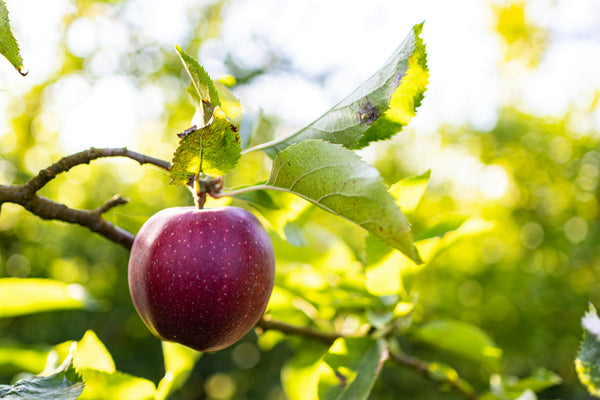 Black Oxford Apple(Spring 2027)
From $44.99
-
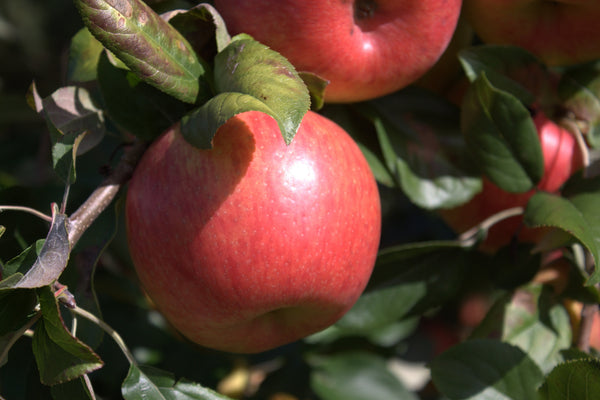 Honeycrisp Apple(Spring 2027)
From $59.99
-
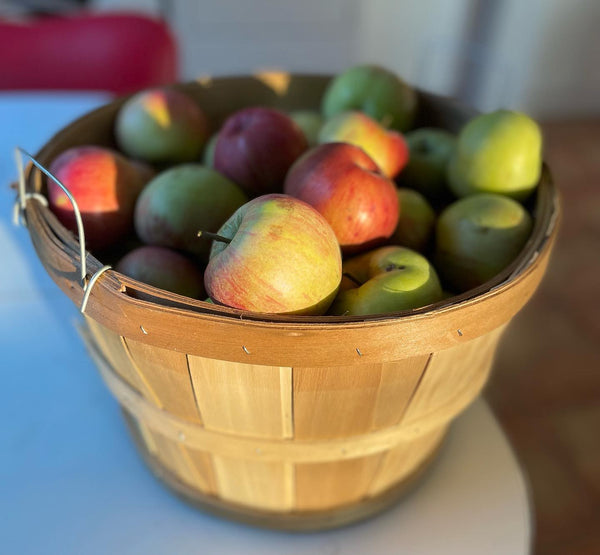 Northern Spy Apple(Spring 2027)
From $39.99
-
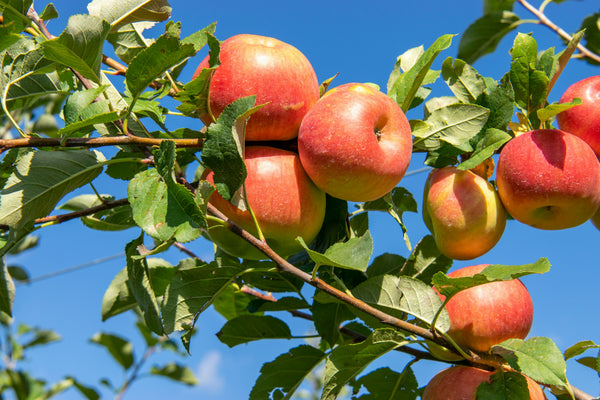 Oriole Apple(Spring 2027)
From $49.99
-
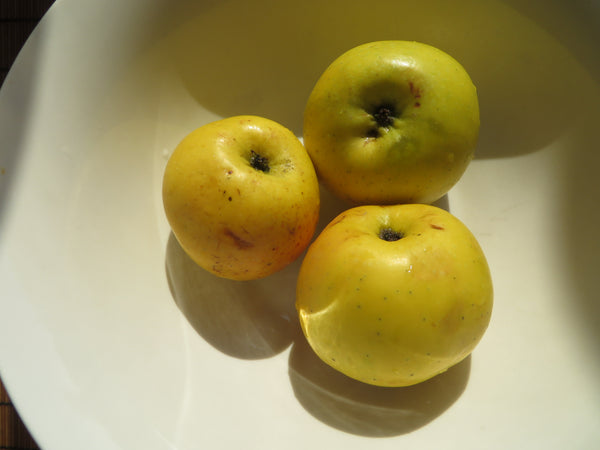 Reinette Simirenko Apple(Spring 2027)
From $44.99
-
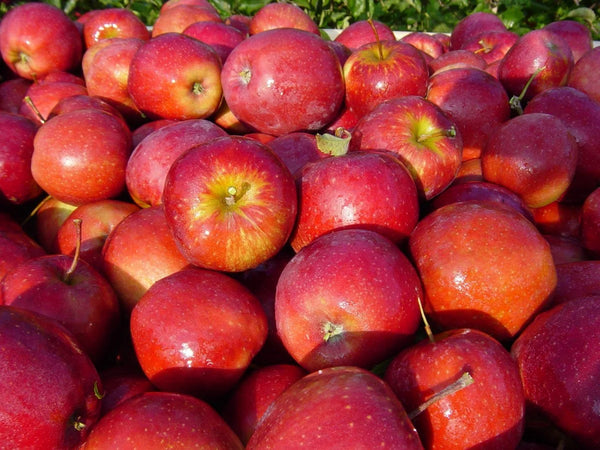 Spencer Apple(Spring 2027)
From $49.99
-
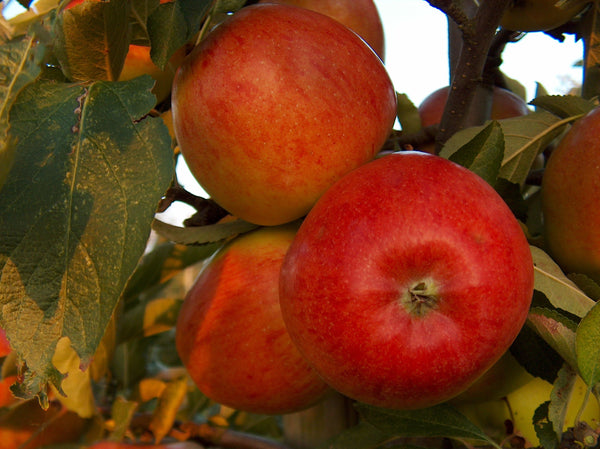 Sweet Sixteen Apple(Spring 2027)
From $44.99
-
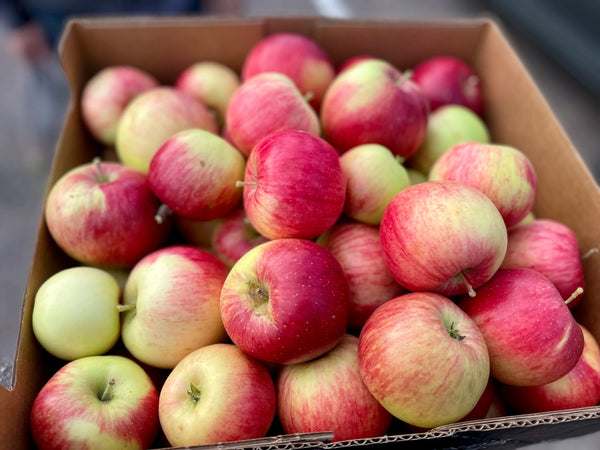 Wealthy Apple(Spring 2027)
From $59.99
-
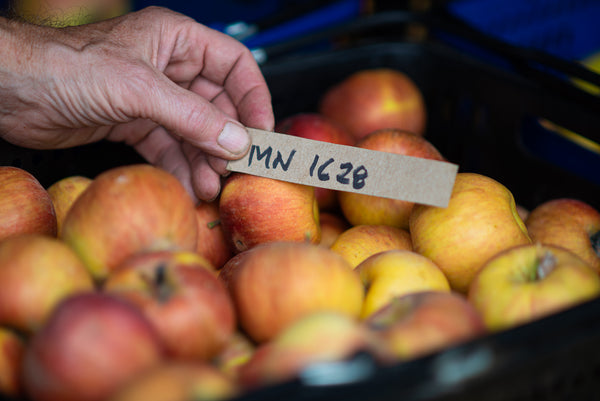 MN 1628 Apple(Spring 2027)
$89.99
-
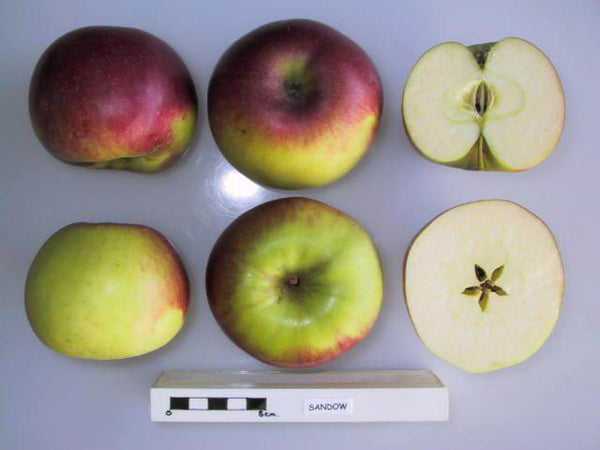 Sandow Apple(Spring 2027)
From $44.99
See every pairing on the Apple Pollination Map
Wise Monkey Apple's bloom group is our best estimate. Watch it bloom and tell us what you see.