
Skip to product information


Shafer Apple (Spring 2027)
$49.99
Reliable shipping
Flexible returns
Pollination
Needs a partner
Bloom group
3 of 7 (Early-Mid)
Ripening
Will it finish before your first hard freeze?
Check it on the Ripening Map (opens in a new tab)
Disease resistanceNo strong resistance
- ? Apple scab : Unknown, no published data yet
- ? Cedar-apple rust : Unknown, no published data yet
- 3 Fire blight : Moderate, 3 of 5
- ? Powdery mildew : Unknown, no published data yet
Scored 1 to 5. Higher resists better, and ? means no published data yet.
See it on our apple disease chart (opens in a new tab)At a glance: Shafer Apple is an apple tree rated hardy to zone 2 from Alaska growers' reports (winters to -50°F), and not self-fertile, so it needs a different variety nearby as a pollenizer (bloom group 3 of 7, early-mid for an apple or crabapple).
| Hardy to | Zone 2 to 7. A bare number means the whole of zone 2, colder half included (winters to -50°F). Find your zone with our cold hardiness calculator. |
|---|---|
| Chill hours | About 700 hours (500 to 1,000). Our estimate. No published figure exists for this variety yet. Montana winters give it plenty. In milder climates, make sure your winters average at least this much. Check your chill hours or see our sources. |
| Pollination | Needs Cross-Pollination. Bloom group 3 of 7 (early-mid), late spring here. Not self-fertile. Plant a different apple or crabapple variety nearby that blooms at about the same time (bloom groups 2 to 4 on our chart). Good partners we carry: Hewe's Virginia Crabapple, Hyslop Crabapple, Wickson Crabapple, Blue Pearmain Apple and 100 more. Bloom group is our estimate from the variety's origin and relatives. Apple Pollination Map. |
| Rootstock and size | Malus baccata: full size, about 20 to 30 ft tall unpruned. Siberian crab, about as hardy as apple roots get. Plant 18 to 20 ft apart. Our rootstock guide. |
| Good for | Fresh eating (6/10), sauce and butter (6/10), drying (6/10), juice and sweet cider (6/10). Scores are our 1 to 10 ratings, but we're still new to this one, so they lean on published descriptions and other growers rather than our own harvests. 8 and up makes our Best Of lists. |
| Deer | A deer favorite. Fence it or cage it. |
| What you get | Bare root, 3-5 ft or 5-7 ft. Shipped or picked up in Missoula in spring, roots wrapped in moist sawdust. Guaranteed to bud out. |
This is our first year growing Shafer, so everything below is secondhand until we get more long-term data from our own mother trees.
Overview
Shafer is a Manitoba applecrab, which means it sits right on the line between an apple and a crabapple. The fruit is about 1¾ inches across, bright red, and sweet with a tart edge, and it's one of the hardiest apples we offer.
Origin and History
Shafer was found by W. Shafer at Poplar Point, Manitoba, and introduced by the Morden Research Station in 1963. The USDA germplasm description, as quoted by Alaska Fruit Trees, calls it "similar to Trail in size and quality but slightly darker orange and does not bruise as easily as Trail." We haven't found its parentage published anywhere.
Fruit and Uses
Steve Masterman at Alaska Fruit Trees grows it in Fairbanks and describes the fruit as medium, about 1¾ inches, "bright yellow, washed with red, often to the point of being completely bright red," and "very nice, sweet but with a tart almost cranberry-like flavor." It ripens in early September in both Fairbanks and Manitoba. It only keeps a week or so, so plan to eat it fresh, dry it or turn it into sauce. Prairie Gardens in Alberta also recommends it for juice and cider.
Growth Habit and Spacing
Ours are grafted onto Malus baccata full size rootstock, the hardiest rootstock we work with. Expect a full size tree and plan on 18 to 20 feet between them. It comes into bearing quickly, and both of Steve's trees fruited well in their third and fourth years. The one weakness he notes is that it's susceptible to fire blight.
Pollination
Shafer needs a pollenizer. It blooms early to mid season, so pair it with another hardy apple in that window, like Centennial, Rescue, Norkent, Parkland, Prairie Sensation or Dolgo.
Cold Hardiness
This is a true zone 2 apple. Steve lists Shafer with his very hardiest apples in Fairbanks, in the same group as Dolgo, Rescue and Trailman, and rates it "hardy to Zone 2a or colder." The Alaska Pioneer Fruit Growers Association puts it in their "Hardiest" class. We have it listed at zone 2, which is hardy to -50F.
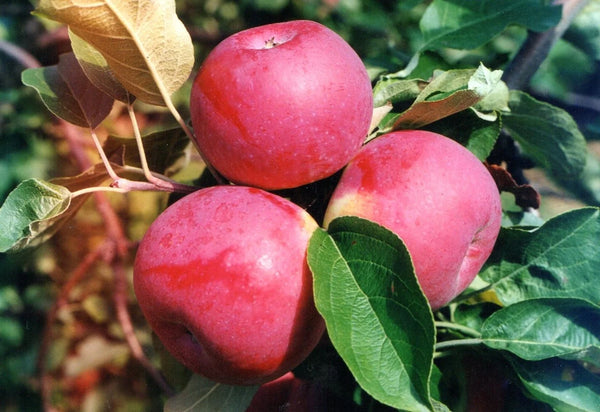
Photo credit: USDA-ARS National Plant Germplasm System, Plant Genetic Resources Unit, Geneva, New York, accession PI 589465. Public domain (U.S. government work).
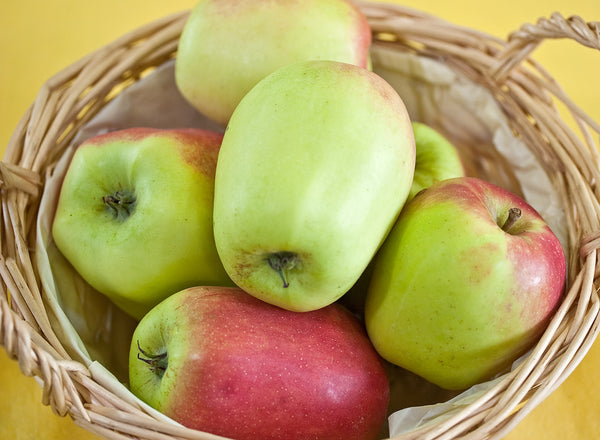
About the photo: this isn’t Shafer itself. Photos of Shafer are either under copyright or simply unavailable, so we picked the open-source image that looks closest to the fruit. Photo: “Apples 8122” by Bengt Nyman, via Wikimedia Commons, licensed CC BY-SA 4.0.
Questions we get about Shafer Apple
Does Shafer Apple need a pollenizer?
Yes. Shafer Apple needs pollen from a different variety that blooms at about the same time. Plant a different apple or crabapple variety nearby that blooms at about the same time (bloom groups 2 to 4 on our chart). Partners we carry include Hewe's Virginia Crabapple, Hyslop Crabapple, Wickson Crabapple.
How cold hardy is Shafer Apple?
We list Shafer Apple at zone 2, which means winters down to about -50°F. That comes from Steve Masterman in Fairbanks and the Alaska Pioneer Fruit Growers Association, who both put it with their hardiest apples. We haven't wintered our own trees yet, so we'll update it once we have.
How many chill hours does Shafer Apple need?
About 700 hours of winter chill (we count hours at or below 45°F), likely somewhere between 500 and 1,000. Nobody has published a chill figure for it, so that's our estimate from its relatives and origin. Our chill hours guide has a calculator for your winters, and our research page lists the sources.
How big does Shafer Apple get?
We graft Shafer Apple onto Malus baccata (full size), which makes a tree roughly 20 to 30 ft tall if you never prune it. Plant 18 to 20 ft apart.
What is Shafer Apple good for?
Our top use scores for Shafer Apple are fresh eating (6/10), sauce and butter (6/10), drying (6/10), juice and sweet cider (6/10). Since we're still new to it, those scores lean on published descriptions and other growers rather than our own harvests.
Is Shafer Apple disease resistant?
Somewhat. It holds up moderately well against fire blight. Nobody has published solid data on it for apple scab, cedar-apple rust and powdery mildew yet, so we list those as unknown. Our apple disease resistance chart has every rating, the notes and the sources.
Will deer eat Shafer Apple?
Yes, deer love it. Protect Shafer Apple with a fence or a cage, especially while it is young.
What arrives, and when does Shafer Apple ship?
A dormant bare-root plant, roots wrapped in moist sawdust with a vapor barrier, shipped or picked up in Missoula in spring. Sizes offered: 3-5 ft or 5-7 ft. We guarantee our plants bud out. Stone fruits can be slow, so if one still has not budded out by August 15, write to us and we credit you for the following spring.
Pollination partners
Trees that will pollenize Shafer Apple
Shafer Apple needs a different apple or crabapple nearby to set fruit. Every tree below blooms at the same time and has pollen that works for it. Plant partners within about 100 feet.
Bloom group
3 of 7 (Early-Mid)
Pollination
Needs a partner
Pollen
Not tested yet
-
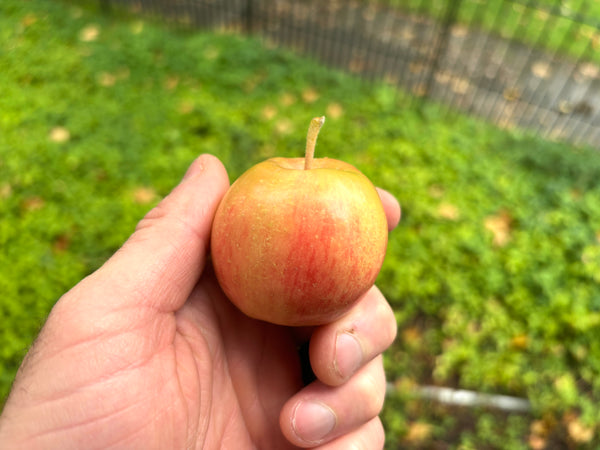 Hewe's Virginia Crabapple(Spring 2027)
From $74.99
-
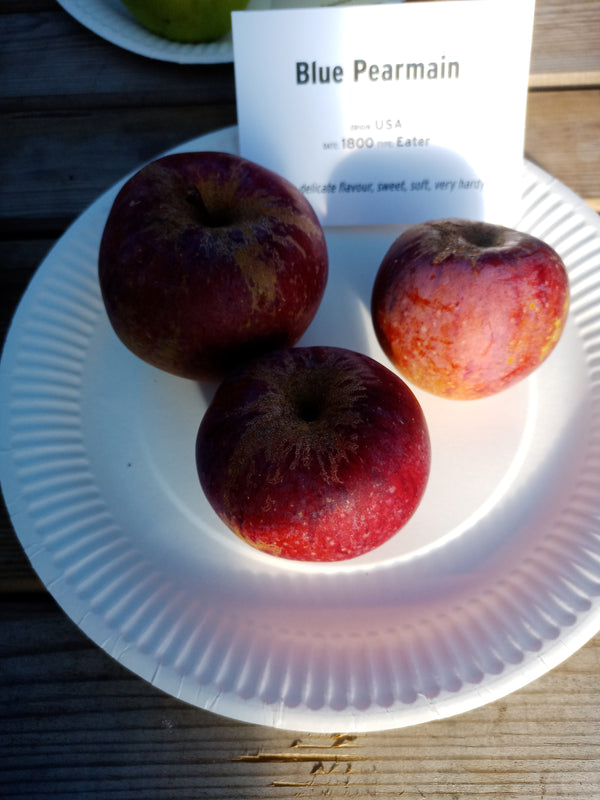 Blue Pearmain Apple(Spring 2027)
From $39.99
-
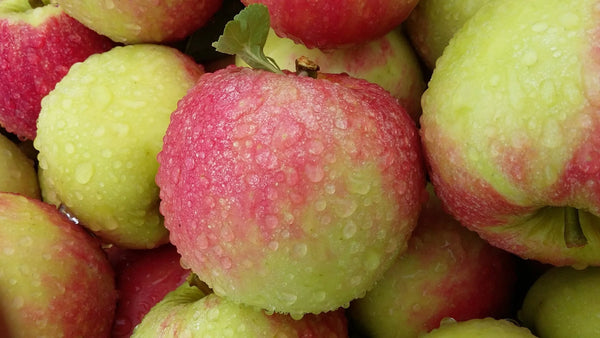 Carroll Apple(Spring 2027)
From $49.99
-
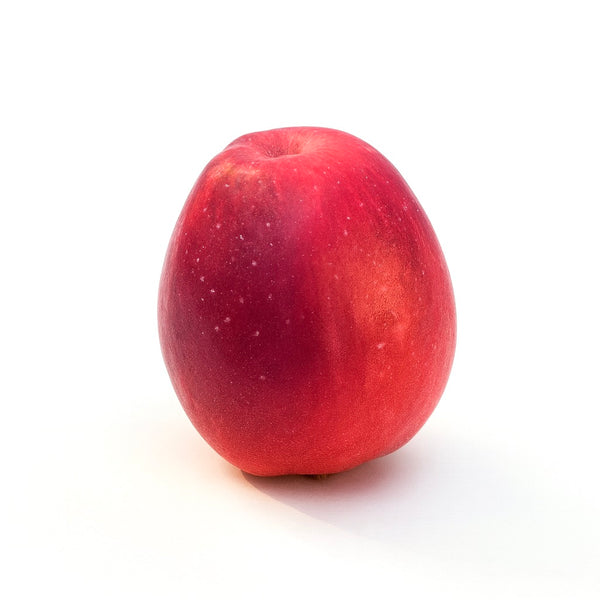 Centennial Applecrab(Spring 2027)
From $59.99
-
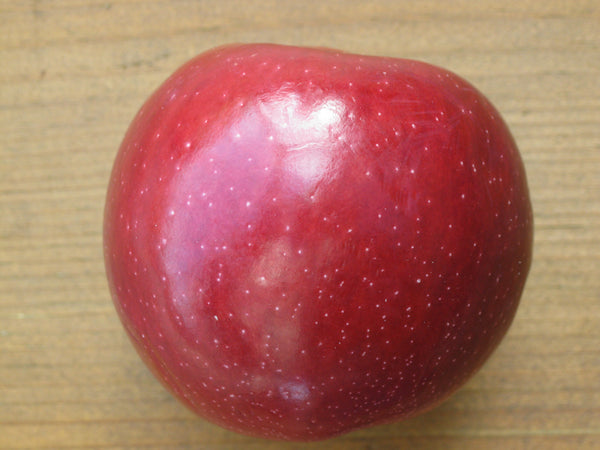 Empire Apple(Spring 2027)
From $34.99
-
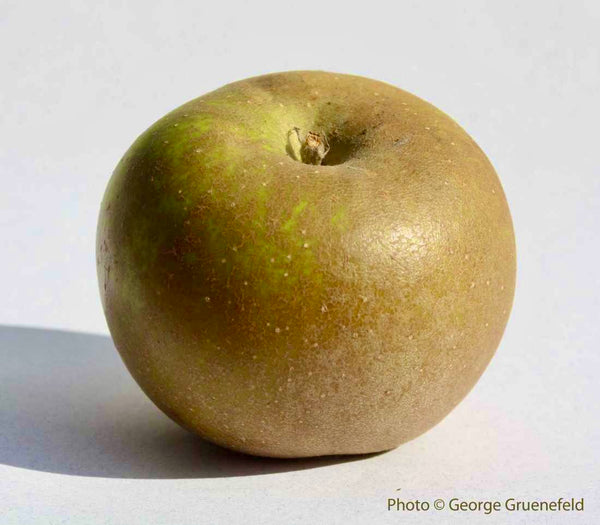 Golden Russet Apple(Spring 2027)
From $44.99
-
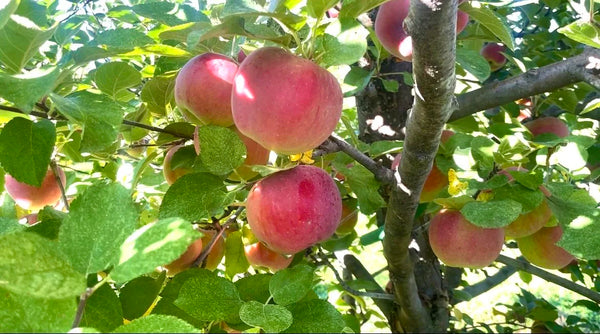 Liberty Apple(Spring 2027)
From $49.99
-
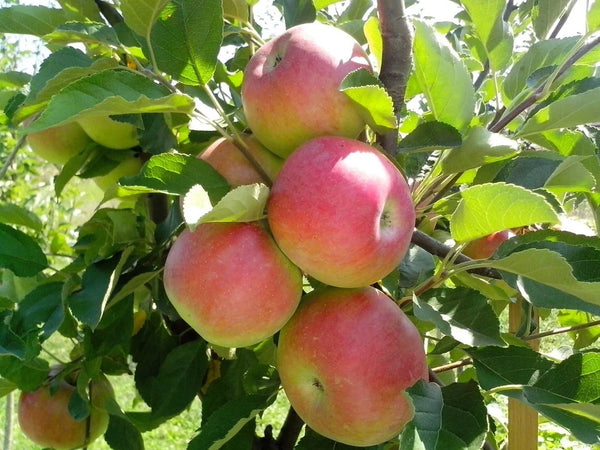 Parkland Apple(Spring 2027)
$74.99
-
 Paula Red Apple(Spring 2027)
From $59.99
See every pairing on the Apple Pollination Map
Shafer Apple's bloom group is our best estimate. Watch it bloom and tell us what you see.