
Skip to product information


Pipestone Plum
$79.99
Reliable shipping
Flexible returns
Pollination
Needs a partner
Bloom group
5 of 7 (Mid-Late)
Overview
Pipestone was selected in 1928 and released in 1942 by the University of Minnesota Fruit Breeding Farm at Excelsior. Its parentage is Burbank, a Japanese plum (Prunus salicina), crossed with Wolf, a hardy native American plum. It belongs to the Japanese by American hybrid line Minnesota started in 1908, and no European plum is involved. Over 80 years later, people are still growing this hardy, tasty, yellow-fleshed plum.
Flavor and Fruit Characteristics
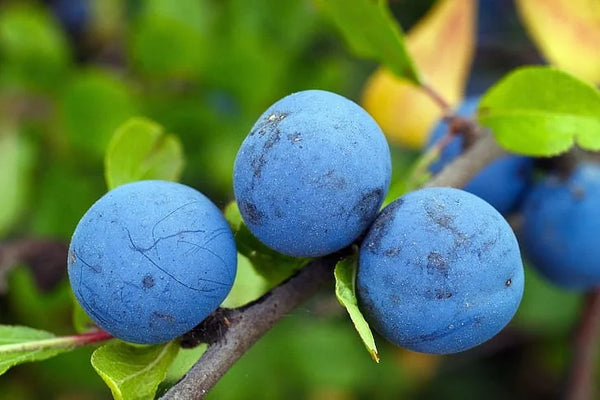
When we tried Pipestone several years ago, we were taken aback at their size—most coming in slightly under 2" in diameter. And their flavor was really good: sweet yellow flesh with slightly tart skin. They ripened in early September for us in Missoula.
Cold Hardiness
Even when some of the Italian plums in town—which are typically fairly hardy—had suffered tip damage, Pipestone didn’t show any signs of damage. We’ve seen Pipestone growing in places that can hit -38°F, like a cold part of Stevensville in the Bitterroot. There wasn’t any noticeable damage on the tree after it saw those temps on 1/12/2024.
In short, Pipestone is a super-productive, tasty plum that we know has survived down to -38°F. Some even list it as surviving down to -50°F, although we don’t have direct experience with that ourselves—we just haven’t seen any trees planted where it gets that cold.
Spring 2027 Availability
These plums come in several different rootstock/sizes for Spring 2027. They are either on Native plum, which is likely slightly hardier, and tends to produce a semi-dwarf tree in our dry, alkaline soils and harsh climate. However, key word there is 'tends'. We have found that there is some natural variation in the size of Native Plum as a rootstock (and in general as a stand along tree) as these plants are grown from seed. However, the other rootstock we have grafted Pipestone onto is Prairie Red, which is far more uniform according to Dan Sheild, produces a semi-dwarf tree, and is hardy to around -50F.
Pollination partners
Trees that will pollenize Pipestone Plum
Pipestone Plum needs a different hybrid or Japanese plum nearby to set fruit. Every tree below blooms at the same time and has pollen that works for it. Plant partners within about 100 feet.
Bloom group
5 of 7 (Mid-Late)
Pollination
Needs a partner
Pollen
Good pollenizer
-
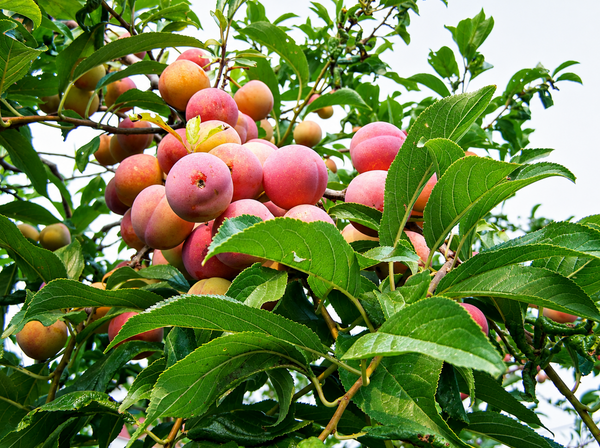 Toka Plum
From $49.99
Toka Plum
From $49.99
-
 Kaga Plum
From $54.99
Kaga Plum
From $54.99
-
 Kahinta Plum
$79.99
Kahinta Plum
$79.99
-
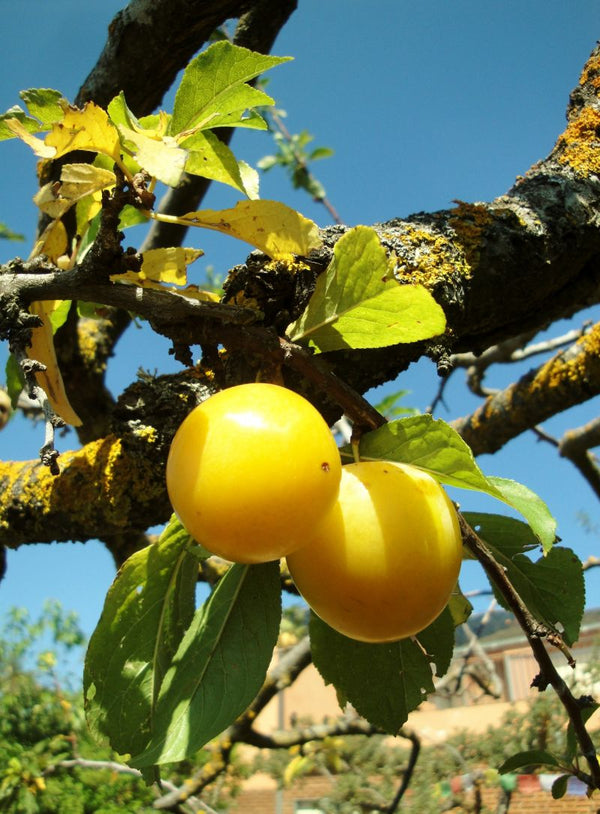 South Dakota Plum
$49.99
South Dakota Plum
$49.99
-
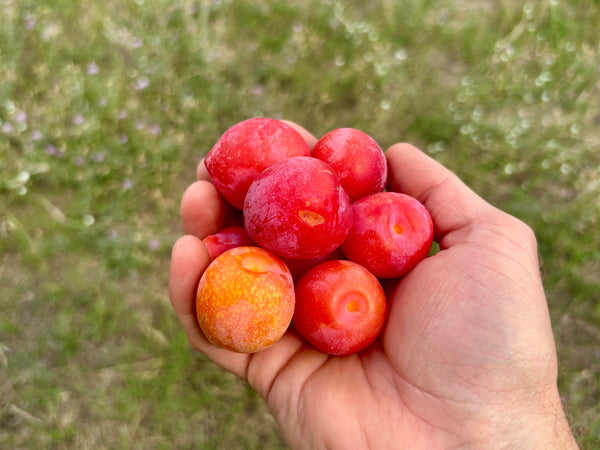 Superior Plum
From $49.99
Superior Plum
From $49.99
-
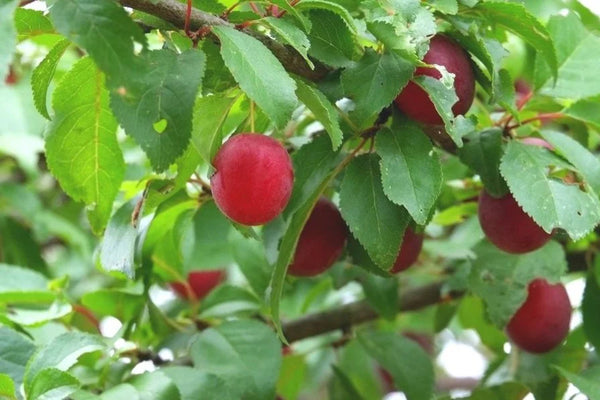 Native American Plum(Bundle of 3)
$99.99
Native American Plum(Bundle of 3)
$99.99
-
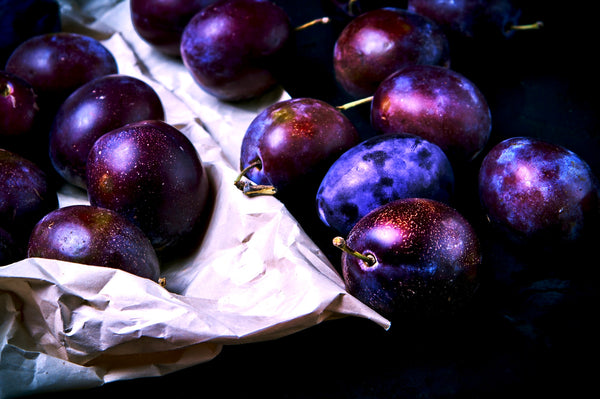 Black Ice Plum
From $44.99
Black Ice Plum
From $44.99
-
 Brookred Plum
From $59.99
Brookred Plum
From $59.99
-
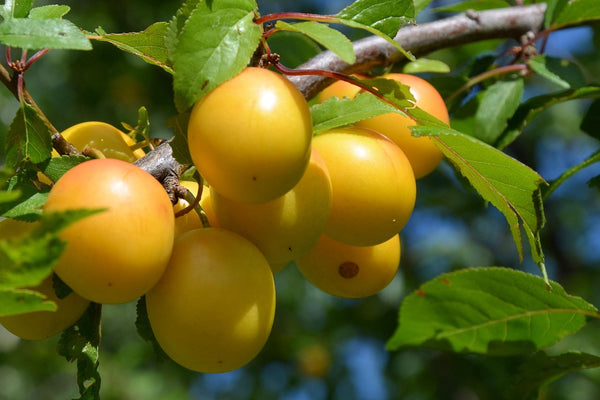 La Crescent Plum
From $109.99
La Crescent Plum
From $109.99
-
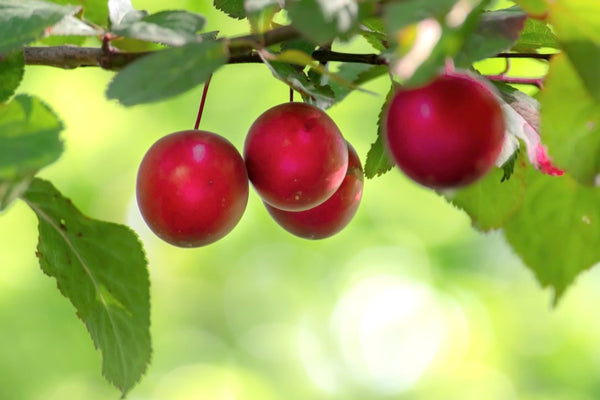 Gracious Plum
From $59.99
Gracious Plum
From $59.99
-
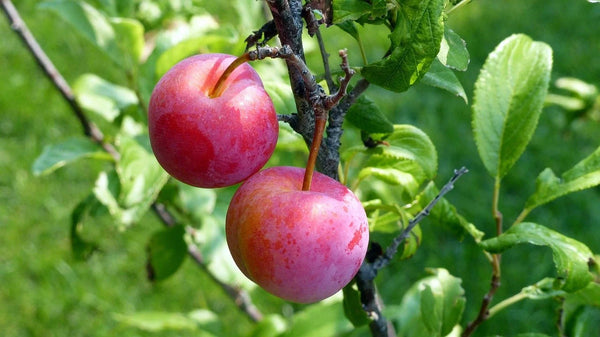 Prairie Red Plum(Bundle of 2)
$74.99
Prairie Red Plum(Bundle of 2)
$74.99
-
 Benson's Gem Plum
From $44.99
Benson's Gem Plum
From $44.99
