
Zone 3 Native Plants
MFTC Zones, Not USDA Averages: Look Up Your Address →
Native trees and shrubs that can take a zone 3 winter. Good for wildlife, windbreaks and low-maintenance plantings. Everything is listed A to Z, and the plants rated only to 3b, the warmer half of the zone (-35°F to -30°F), have a 3b tag on them.
More About Zone 3 Native Plants
Natives like chokecherry, serviceberry, buffaloberry and Native American plum feed birds and pollinators, and several make good jam.
On this page: American Elderberry, American Linden, Aronia Berry, Aspen, Buffaloberry, Bur Oak, Chokecherry, Cottonwood, Golden Currant, Huckleberry, Montana Black Currant, Mountain Ash, Native American Plum, Northern Red Oak, Peach Leaf Willow, Ponderosa Pine, Rocky Mountain Juniper, Sand Cherry, Serviceberry, Staghorn Sumac and Viking Aronia.
Related: Native Plants · Zone 3 Plants for Wildlife · Zone 3 Windbreak Plants.
Questions We Get
What does zone 3 mean on your scale?
On our MFTC scale, zone 3 means the coldest night you should plan for (the 1-in-30-year low) falls between -40°F and -30°F. Zone 3a runs -40°F to -35°F and zone 3b runs -35°F to -30°F. That is colder than a USDA zone 3, which is built on the average yearly low, so run your address through our cold hardiness calculator instead of going off a USDA map.
Why plant natives?
They're adapted to the climate, feed local wildlife and usually need less care once they're established.
Which native plants have edible fruit?
Chokecherry, serviceberry, buffaloberry, golden currant, huckleberry and Native American plum.
-
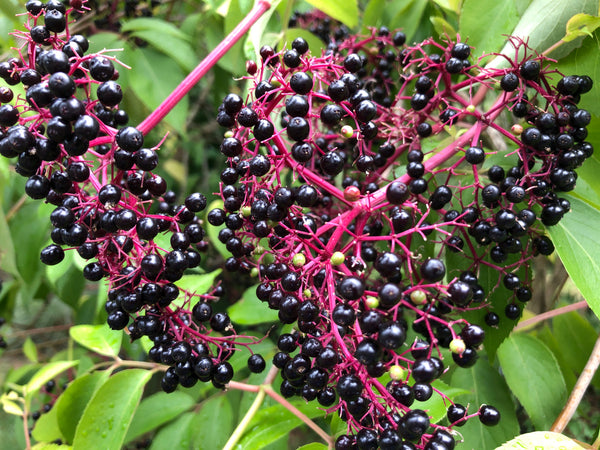 American Elderberry (Bundle of 3) | Spring 2027
$79.99
-
 American Linden (Bundle of 3) | Spring 2027
$99.99
-
 Aronia Berry (Bundle of 3) | Spring 2027
$79.99
-
 Aspen (Bundle of 3) | Spring 2027
$59.99
-
 Buffaloberry (Bundle of 5) | Spring 2027
$99.99
-
 Bur Oak (Bundle of 3) | Spring 2027
$99.99
-
 Chokecherry (Bundle of 3) | Spring 2027
$89.99
-
 Cottonwood (Bundle of 2) | Spring 2027
$99.99
-
 Golden Currant (Bundle of 3) | Spring 2027
$89.99
-
 Huckleberry (Bundle of 3) | Spring 2027
$89.99
-
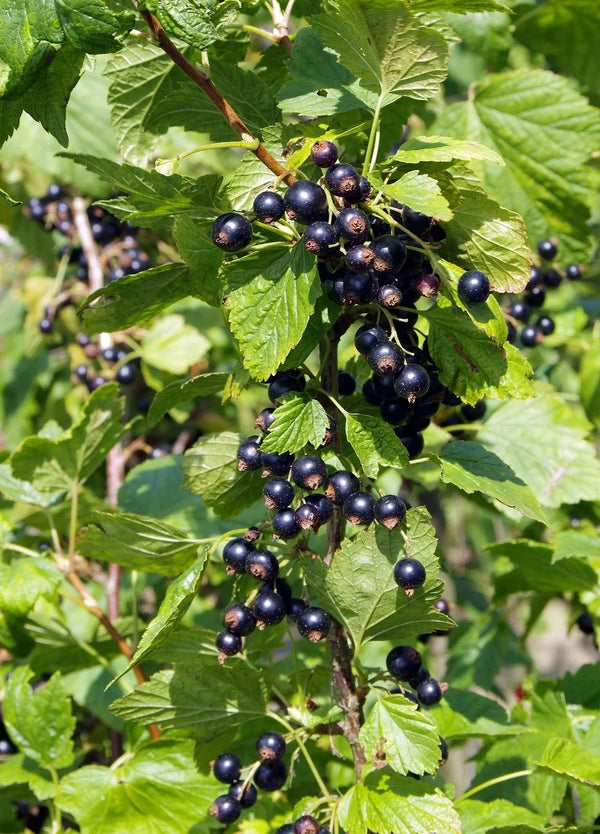 Montana Black Currant (Bundle of 3) | Spring 2027
$89.99
-
 Mountain Ash (Bundle of 3) | Spring 2027
$99.99
-
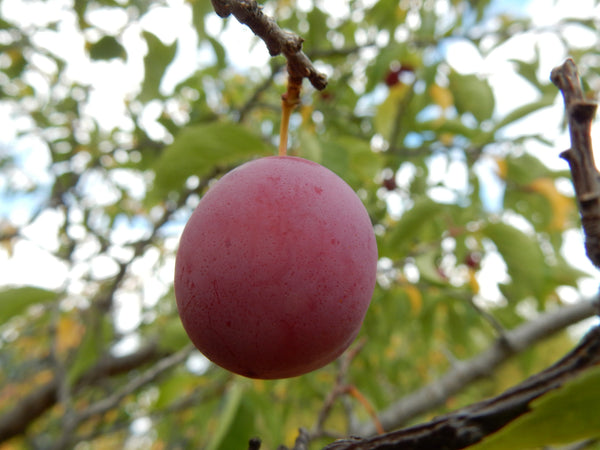 Native American Plum (Bundle of 3) | Spring 2027
$99.99
-
 Northern Red Oak (Bundle of 3) | Spring 2027
$99.99
-
 Peach Leaf Willow (Bundle of 3) | Spring 2027
$99.99
-
 Ponderosa Pine (Bundle of 3) | Spring 2027
$99.99
-
 Rocky Mountain Juniper (Bundle of 3) | Spring 2027
$99.99
-
 Sand Cherry (Bundle of 3) | Spring 2027
$79.99
-
 Serviceberry (Bundle of 5) | Spring 2027
$99.99
-
 Staghorn Sumac (Bundle of 3) | Spring 2027
$84.99
-
 Viking Aronia (Bundle of 2) | Spring 2027
$69.99
Sold out


Not sure what to plant? We'll pick your trees.
Tell us about your place, your goals and your budget. We'll pick what fits, build the order for you and email it over within 1 to 2 days.