
Zone 3 Apricot Trees
MFTC Zones, Not USDA Averages: Look Up Your Address →
Six apricots for zone 3, listed A to Z. The ones rated only to 3b, the warmer half of the zone (-35°F to -30°F), have a 3b tag on them. Everything else is hardy through all of zone 3, down to -40°F.
More About Zone 3 Apricots
Hardy through all of zone 3: Precious and Wayne.
Rated to 3b, the warmer half: Alice Sharp, Corbett, DR 606 and Montana Mango. Save these for a 3b site. If you're in the colder half (3a), skip the ones with the 3b tag.
Precious, Alice Sharp, Corbett and DR 606 are self-fertile. Wayne and Montana Mango set some fruit alone and more with a partner. Our apricot pollination map shows which ones bloom together.
Late bloomers, which give you better odds in a frost pocket: Precious, Wayne, Alice Sharp and DR 606. For jam and jelly: Precious, Wayne, DR 606 and Montana Mango.
Other zones: Zone 2 Apricots · Zone 4 Apricots · Everything for Zone 3.
Questions We Get
What does zone 3 mean on your scale?
On our MFTC scale, zone 3 means the coldest night you should plan for (the 1-in-30-year low) falls between -40°F and -30°F. Zone 3a runs -40°F to -35°F and zone 3b runs -35°F to -30°F. That is colder than a USDA zone 3, which is built on the average yearly low, so run your address through our cold hardiness calculator instead of going off a USDA map.
Can I plant the 3b apricots in zone 3a?
We don't recommend it. A 3b rating means it has come through -35°F, not the -40°F a cold zone 3a winter can bring. Not sure which half you're in? Our cold hardiness calculator will tell you.
Do I need two apricot trees?
Not for Precious, Alice Sharp, Corbett and DR 606, which are self-fertile. The others do better with a partner.
-
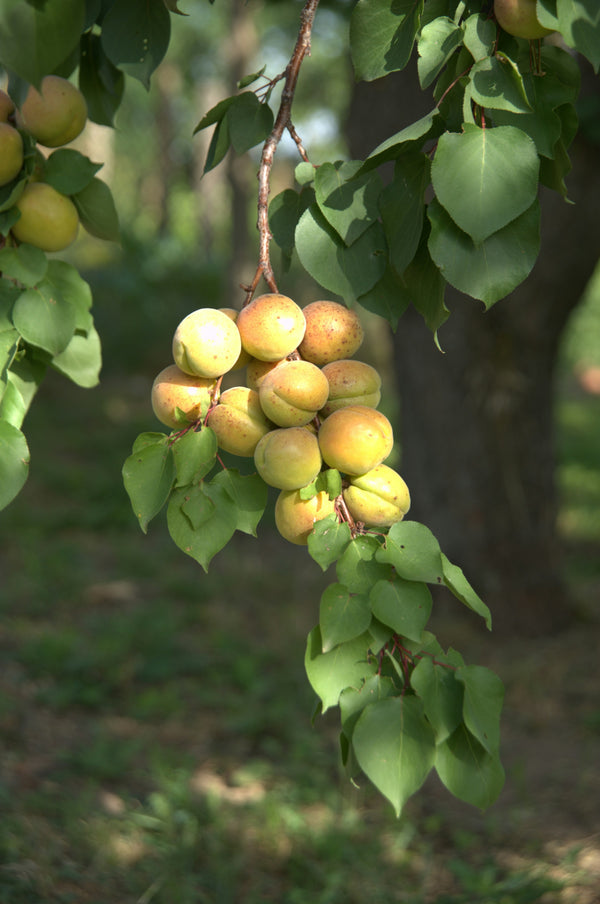 Zone 3b
Alice Sharp Apricot (Spring 2027)
From $44.99
-
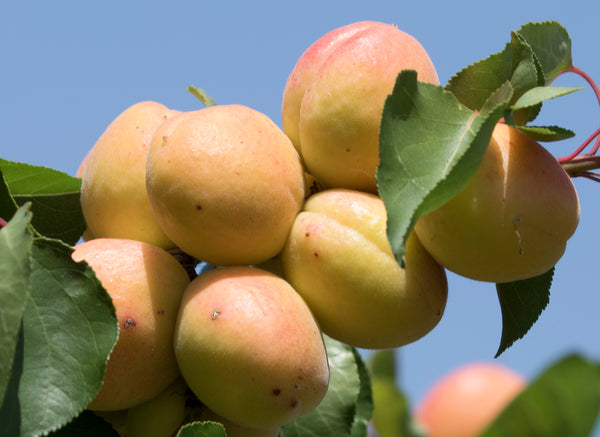 Zone 3b
Corbett Apricot (Spring 2027)
From $69.99
-
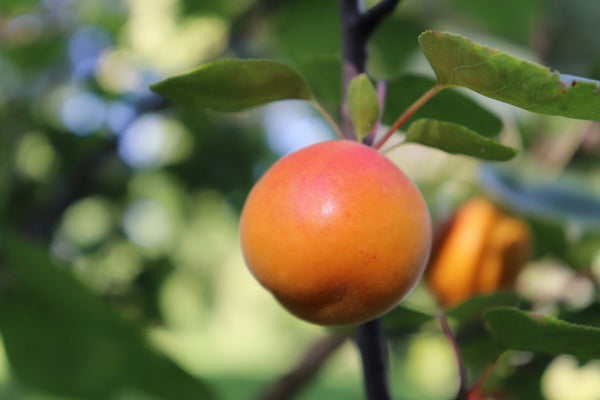 Zone 3b
Dr 606 Apricot (Spring 2027)
$109.99
Sold out
-
 Zone 3b
Montana Mango Apricot (Spring 2027)
From $49.99
Sold out
-
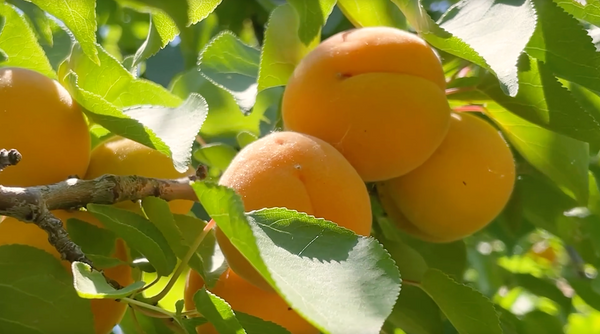 Precious Apricot (Spring 2027)
From $49.99
Sold out
-
 Wayne Apricot (Spring 2027)
From $49.99


Not sure what to plant? We'll pick your trees.
Tell us about your place, your goals and your budget. We'll pick what fits, build the order for you and email it over within 1 to 2 days.