
Zone 3 Plum Trees
MFTC Zones, Not USDA Averages: Look Up Your Address →
Fifteen plums for zone 3, listed A to Z. The ones rated only to 3b, the warmer half of the zone (-35°F to -30°F), have a 3b tag on them. Everything else is hardy through all of zone 3, down to -40°F.
More About Zone 3 Plums
Hardy through all of zone 3: Black Ice, Gracious, Hanska, Kaga, Kahinta, La Crescent, Pipestone, South Dakota and Underwood.
Rated to 3b, the warmer half: Benson's Gem, Deluge, Italian, Kuban Delight, Mirabelle de Bitterroot and Superior. Save these for a 3b site. If you're in the colder half (3a), skip the ones with the 3b tag.
Italian sets some fruit alone and more with a partner. The rest need a second variety blooming at the same time. Our plum pollination map shows which ones bloom together.
Late bloomers, which give you better odds in a frost pocket: La Crescent, Pipestone and Superior.
Other zones: Zone 2 Plums · Everything for Zone 3.
Questions We Get
What does zone 3 mean on your scale?
On our MFTC scale, zone 3 means the coldest night you should plan for (the 1-in-30-year low) falls between -40°F and -30°F. Zone 3a runs -40°F to -35°F and zone 3b runs -35°F to -30°F. That is colder than a USDA zone 3, which is built on the average yearly low, so run your address through our cold hardiness calculator instead of going off a USDA map.
Can I plant the 3b plums in zone 3a?
We don't recommend it. A 3b rating means it has come through -35°F, not the -40°F a cold zone 3a winter can bring. Not sure which half you're in? Our cold hardiness calculator will tell you.
Do I need two plum trees?
Italian will set some fruit alone, but every plum here does better with a partner.
-
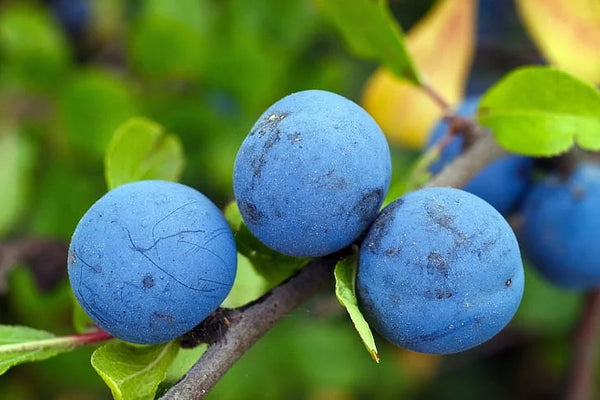 Zone 3b
Benson's Gem Plum (Spring 2027)
From $44.99
-
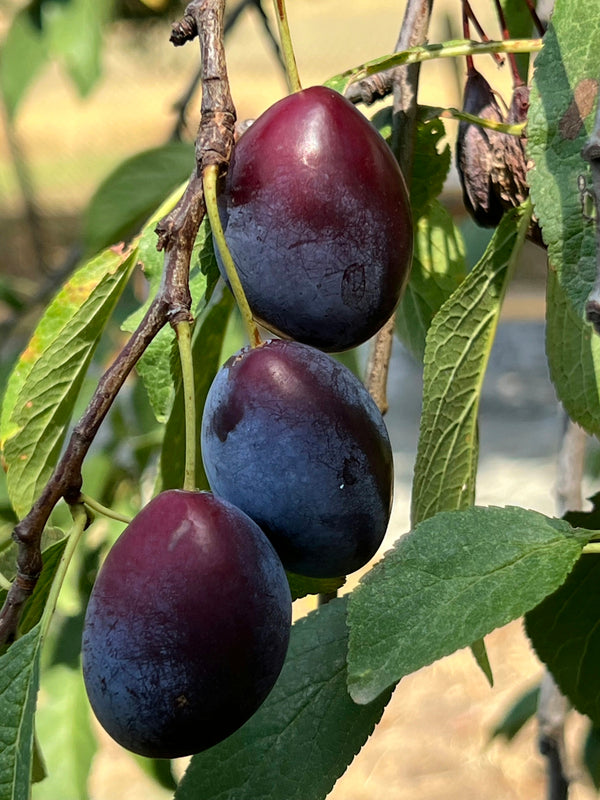 Black Ice Plum (Spring 2027)
From $44.99
-
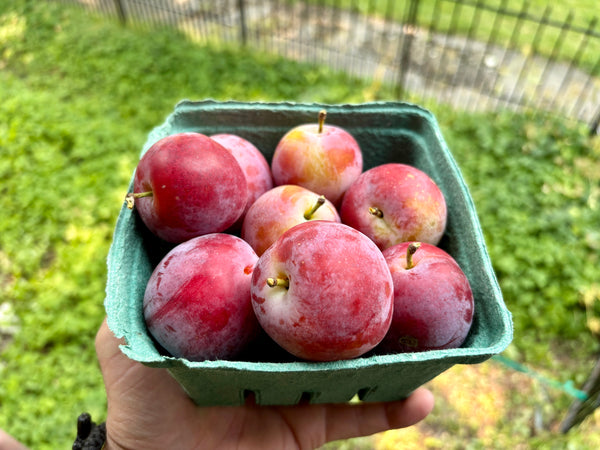 Zone 3b
Deluge Plum (Spring 2027)
From $59.99
-
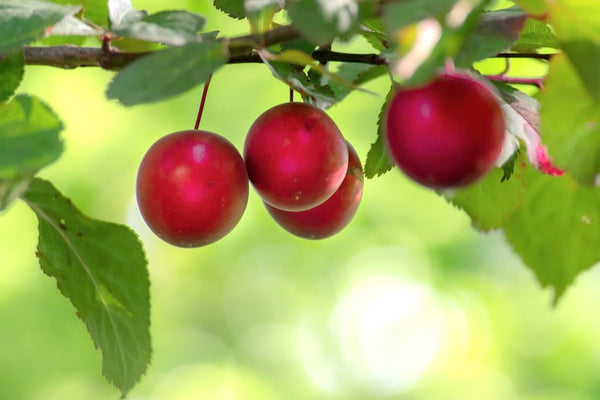 Gracious Plum (Spring 2027)
From $59.99
-
 Hanska Plum (Spring 2027)
$89.99
Sold out
-
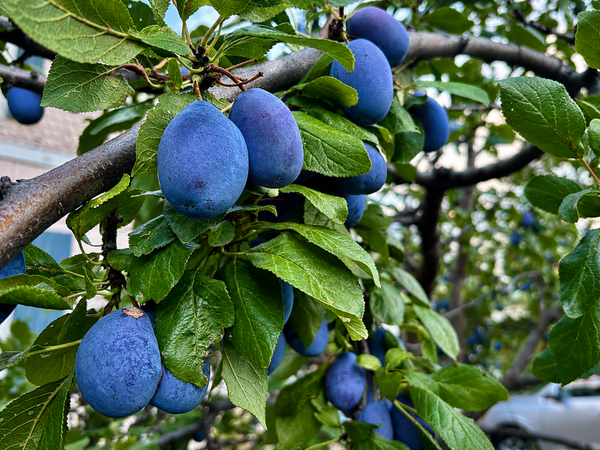 Zone 3b
Italian Plum (Spring 2027)
From $74.99
-
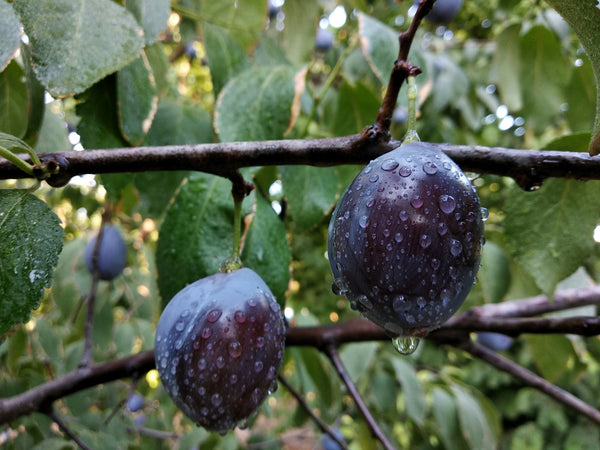 Kaga Plum (Spring 2027)
From $54.99
-
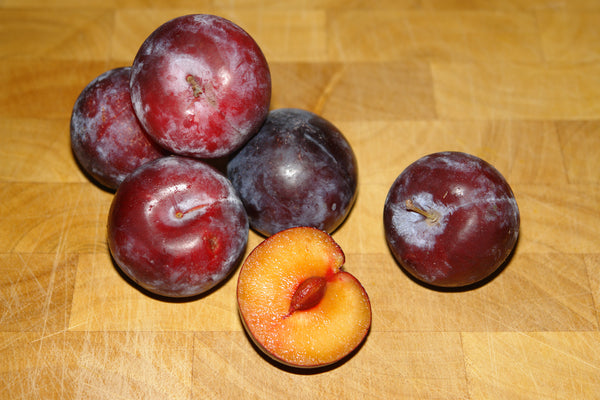 Kahinta Plum (Spring 2027)
$79.99
-
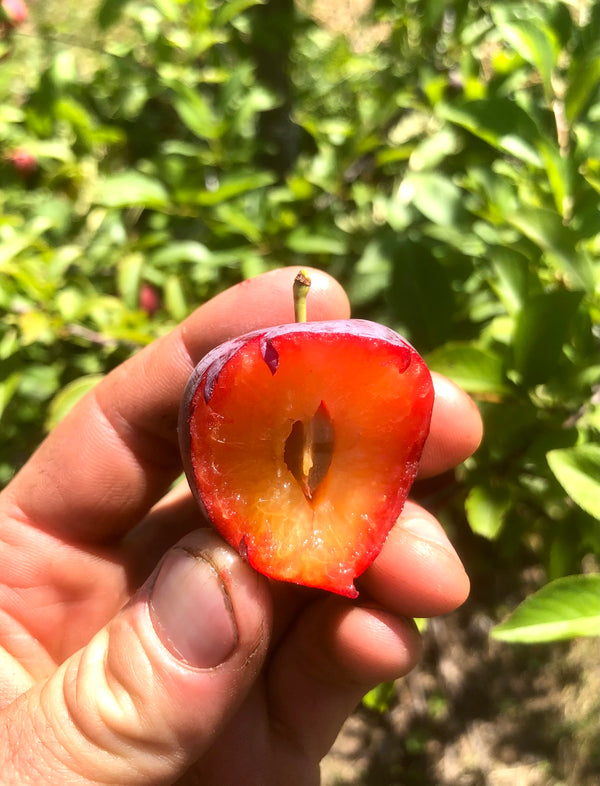 Zone 3b
Kuban Delight Plum (Spring 2027)
$109.99
-
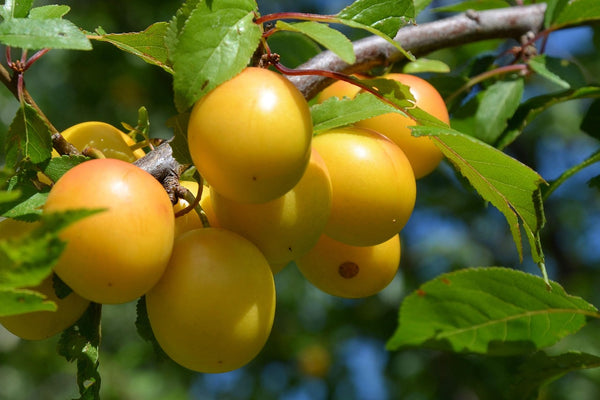 La Crescent Plum (Spring 2027)
From $109.99
-
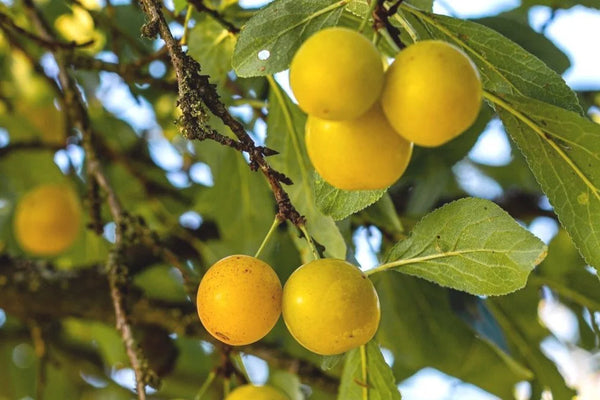 Zone 3b
Mirabelle de Bitterroot Plum (Bundle of 2) | Spring 2027
From $99.99
-
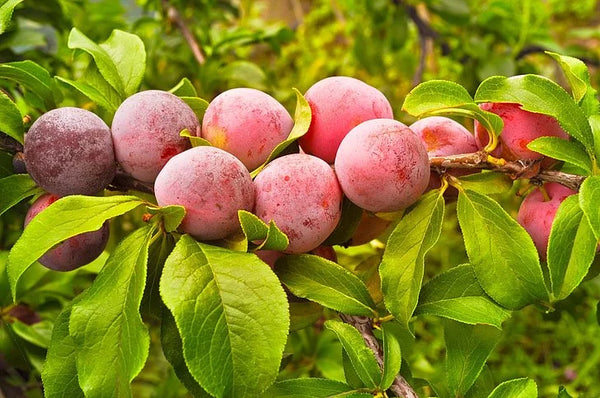 Pipestone Plum (Spring 2027)
From $59.99
-
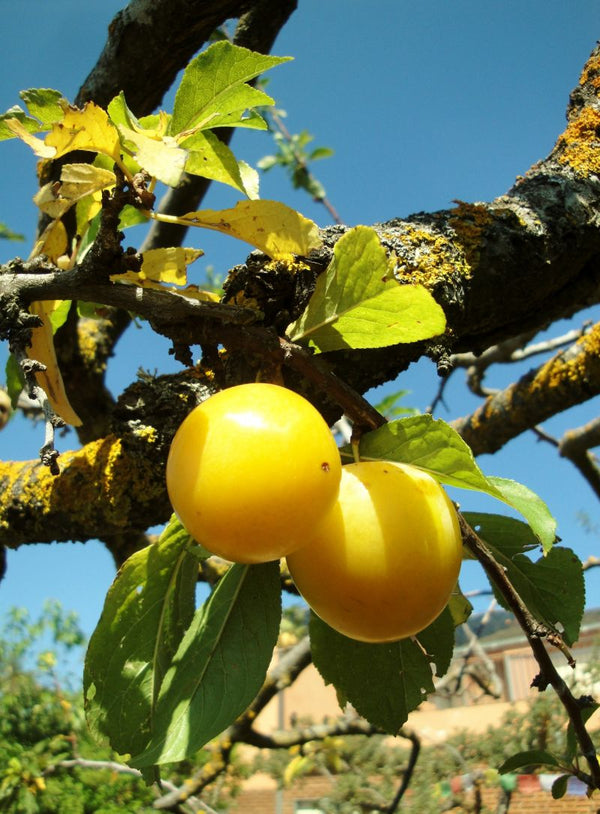 South Dakota Plum (Spring 2027)
$49.99
Sold out
-
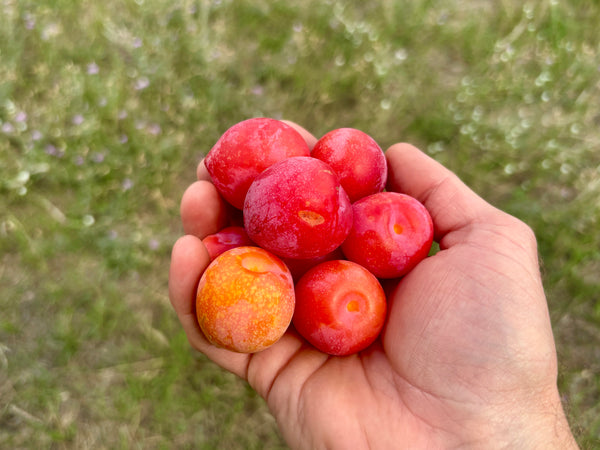 Zone 3b
Superior Plum (Spring 2027)
From $49.99
-
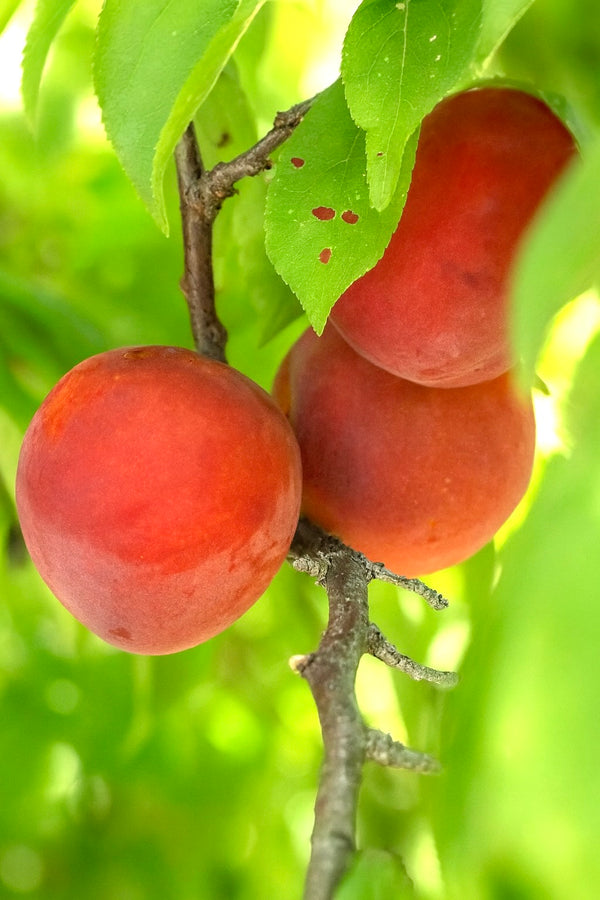 Underwood Plum (Spring 2027)
From $64.99

Not sure what to plant? We'll pick your trees.
Tell us about your place, your goals and your budget. We'll pick what fits, build the order for you and email it over within 1 to 2 days.