
Zone 3 Windbreak & Hedgerow Plants
MFTC Zones, Not USDA Averages: Look Up Your Address →
Trees and shrubs for windbreaks and hedgerows that can take a zone 3 winter. Everything is listed A to Z, and the plants rated only to 3b, the warmer half of the zone (-35°F to -30°F), have a 3b tag on them.
More About Zone 3 Windbreak & Hedgerow Plants
Mix tall trees like bur oak, cottonwood and ponderosa pine with shrubs like buffaloberry, Nanking cherry and chokecherry for a windbreak that also feeds you and the wildlife.
On this page: American Hazelnut, Buffaloberry, Bur Oak, Chokecherry, Cortland Hybrid Hazelnut Seedling, Cottonwood, Golden Currant, Hawthorn, Hybrid Poplar, Ian White Nanking Cherry, Jules Nanking Cherry, Nanking Cherry, Native American Plum, Peach Leaf Willow, Ponderosa Pine, Prairie Red Plum, Purple Lilac, Rocky Mountain Juniper, Rugose Rose, Sand Cherry, Sea Buckthorn, Serviceberry, Siberian Peashrub, South Dakota Plum and Staghorn Sumac.
Related: Best Plants for Windbreaks & Hedgerows · Zone 3 Native Plants.
Questions We Get
What does zone 3 mean on your scale?
On our MFTC scale, zone 3 means the coldest night you should plan for (the 1-in-30-year low) falls between -40°F and -30°F. Zone 3a runs -40°F to -35°F and zone 3b runs -35°F to -30°F. That is colder than a USDA zone 3, which is built on the average yearly low, so run your address through our cold hardiness calculator instead of going off a USDA map.
What makes a good windbreak in zone 3?
Several rows: tall trees on the outside and dense shrubs inside. Evergreens like ponderosa pine and juniper block wind all winter.
Can a windbreak produce fruit?
Yes. Nanking cherry, Native American plum, chokecherry and buffaloberry all fruit.
-
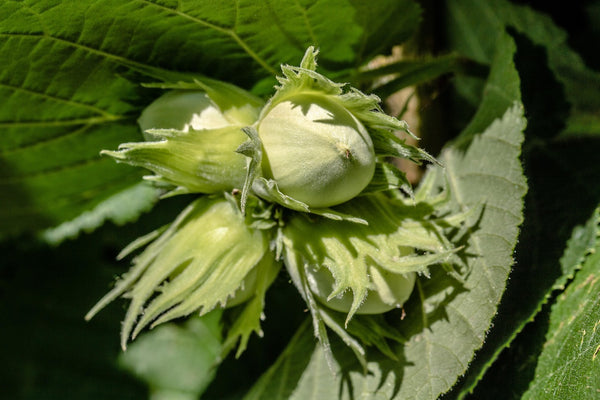 American Hazelnut (Bundle of 3) | Spring 2027
$79.99
-
 Buffaloberry (Bundle of 5) | Spring 2027
$99.99
-
 Bur Oak (Bundle of 3) | Spring 2027
$99.99
-
 Chokecherry (Bundle of 3) | Spring 2027
$89.99
-
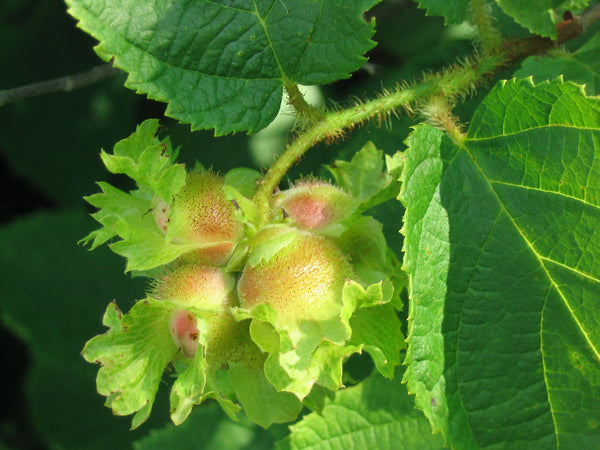 Zone 3b
Cortland Hybrid Hazelnut Seedling (Bundle of 3) | Spring 2027
$99.99
-
 Cottonwood (Bundle of 2) | Spring 2027
$99.99
-
 Golden Currant (Bundle of 3) | Spring 2027
$89.99
-
 Hawthorn (Bundle of 3) | Spring 2027
$79.99
-
 Hybrid Poplar (Bundle of 3) | Spring 2027
$99.99
-
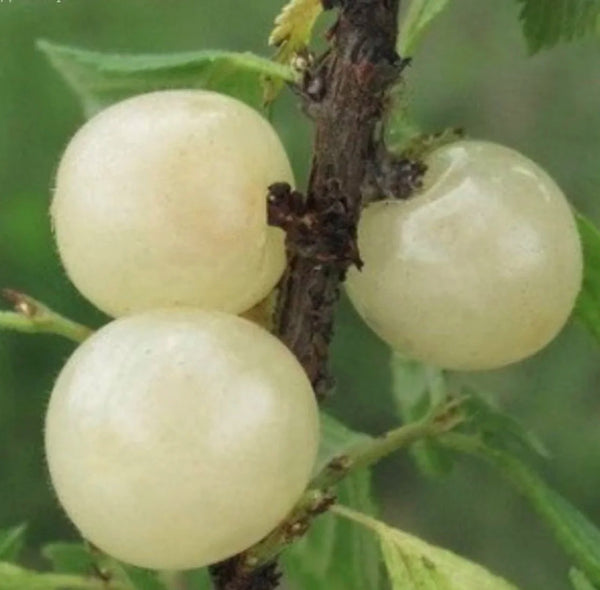 Ian White Nanking Cherry (Bundle of 2) | Spring 2027
$54.99
-
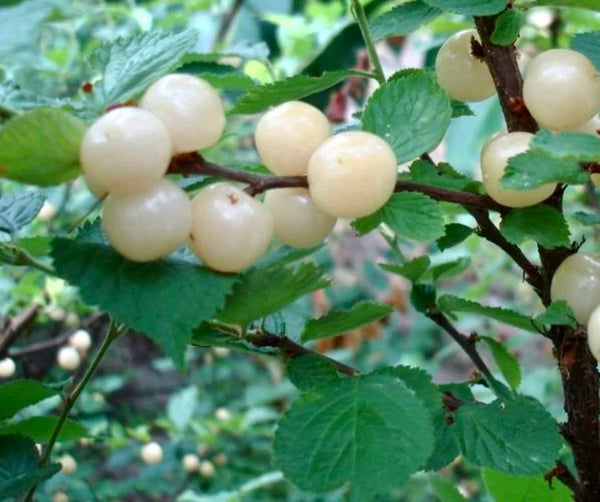 Jules Nanking Cherry (Bundle of 2) | Spring 2027
$54.99
-
 Nanking Cherry (Bundle of 3) | Spring 2027
$79.99
-
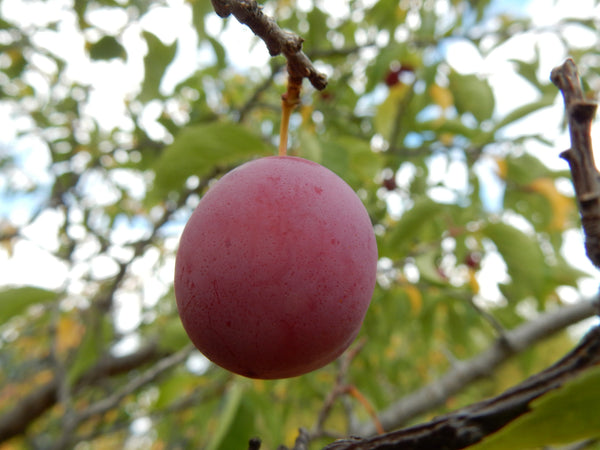 Native American Plum (Bundle of 3) | Spring 2027
$99.99
-
 Peach Leaf Willow (Bundle of 3) | Spring 2027
$99.99
-
 Ponderosa Pine (Bundle of 3) | Spring 2027
$99.99
-
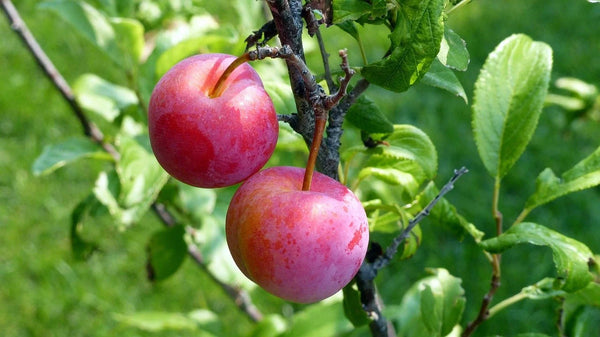 Prairie Red Plum (Bundle of 2) | Spring 2027
$74.99
-
 Purple Lilac (Bundle of 3) | Spring 2027
$89.99
-
 Rocky Mountain Juniper (Bundle of 3) | Spring 2027
$99.99
-
 Rugose Rose (Bundle of 3) | Spring 2027
$74.99
-
 Sand Cherry (Bundle of 3) | Spring 2027
$79.99
-
 Sea Buckthorn (Bundle of 5) | Spring 2027
$119.99
-
 Serviceberry (Bundle of 5) | Spring 2027
$99.99
-
 Siberian Peashrub (Bundle of 3) | Spring 2027
$79.99
-
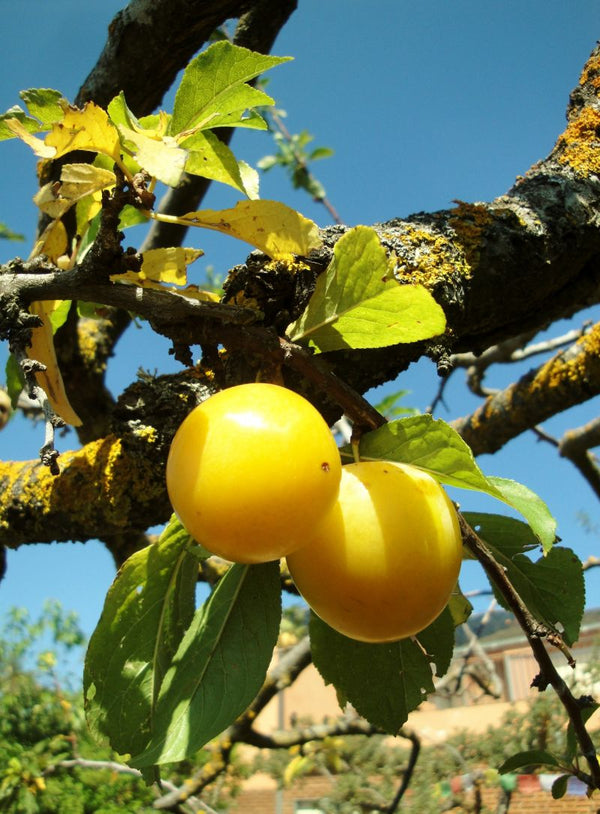 South Dakota Plum (Spring 2027)
$49.99
Sold out
-
 Staghorn Sumac (Bundle of 3) | Spring 2027
$84.99


Not sure what to plant? We'll pick your trees.
Tell us about your place, your goals and your budget. We'll pick what fits, build the order for you and email it over within 1 to 2 days.